
Cheap Chicken Coop
cheap chicken coop
I’ve raised laying hens for decades out here in the States, through hot summers, icy winters, and more raccoons than I care to count. I know what it means to stretch every dollar and still keep birds safe and laying steady.
If you’re hunting for a cheap chicken coop, you’re my kind of person. You don’t mind rolling up your sleeves, but you also don’t want to learn every lesson the hard way like I did. Let me walk you through how to save money on a coop without short‑changing your hens.
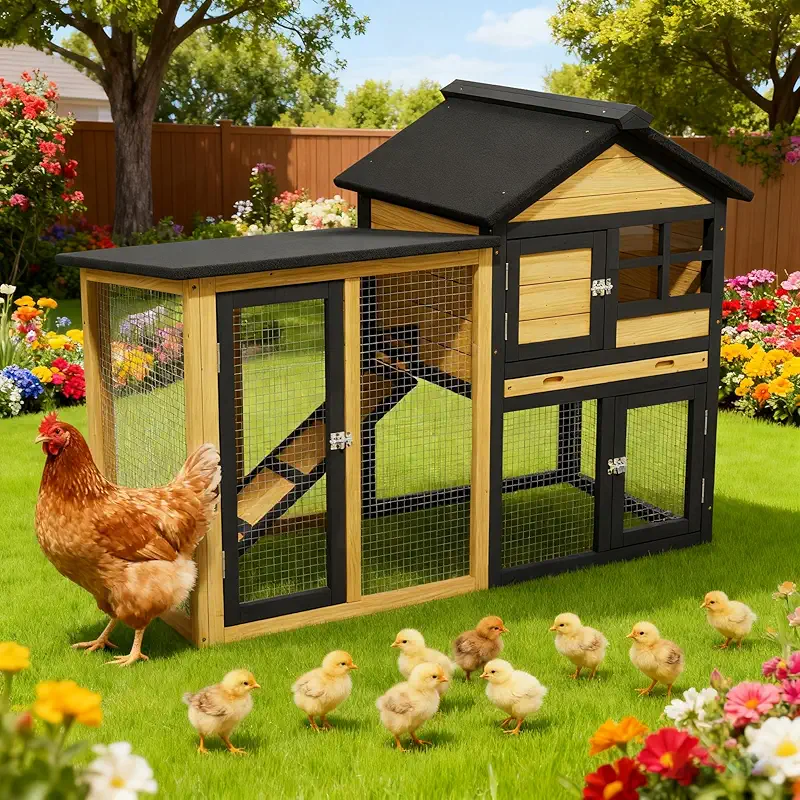
A compact cheap chicken coop can still be safe, dry, and easy to live with day after day.
Argomenti in evidenza
Pick the topic you care about and jump straight to the guide that helps you most.
What “cheap chicken coop” really means on a working farm
Out here, “cheap” doesn’t mean flimsy. On a farm, cheap means something different: it means the coop earns its keep. It keeps the hens safe, it lasts more than one winter, and you aren’t fixing it every other weekend instead of sipping coffee on the porch.
When folks ask me about a cheap chicken coop, I tell them straight: you can save money on looks and fancy extras, but don’t cut corners on three things: predator protection, weather protection, and ventilation. Everything else we can tweak, cobble, or upgrade later.
So let’s walk through how to pick a budget‑friendly coop that still treats your hens right and doesn’t make you curse every time you go out there in the rain.
How many chickens fit in a cheap chicken coop?
One of the biggest mistakes I see in low‑cost coops is size. The pictures always show six fluffy hens looking happy as clams, but in real life those birds are squeezed in like commuters on a New York subway.
For laying hens, here’s what has worked on my own place:
- Inside the coop: 3–4 square feet per hen if they also have an outdoor run.
- In the outdoor run: 8–10 square feet per hen is a good starting point.
- On the roosts: About 8–10 inches of roost space per bird.
So if you want to keep 4 hens, look for a cheap chicken coop with at least 12–16 square feet inside and around 40–60 square feet of run. The boxes often claim they hold “6–8 hens” when, in my grumpy farmer opinion, they’re comfortable for 3–4 at best.
It’s better to “under‑stock” the coop. Crowded birds get cranky, start pecking, and their egg production drops. A so‑called cheap coop that hurts your egg basket every day isn’t cheap at all.
Key things I look for in a cheap chicken coop
When I’m sizing up a budget coop, I do it the same way I size up a used pickup truck: I don’t care much about the paint job, I care what’s underneath. Here’s what I check, in plain farmer language.
1. Frame and floor strength
Don’t be fooled by pretty stain and cute trim. Squat down and imagine a wet snow sitting on that roof. Does the frame look like it’ll buckle the first windy night? A cheap chicken coop can still have:
- Solid joints where the panels meet.
- A floor that doesn’t flex like a trampoline when you press on it.
- Wood that isn’t already cracked or feather‑light like cardboard.
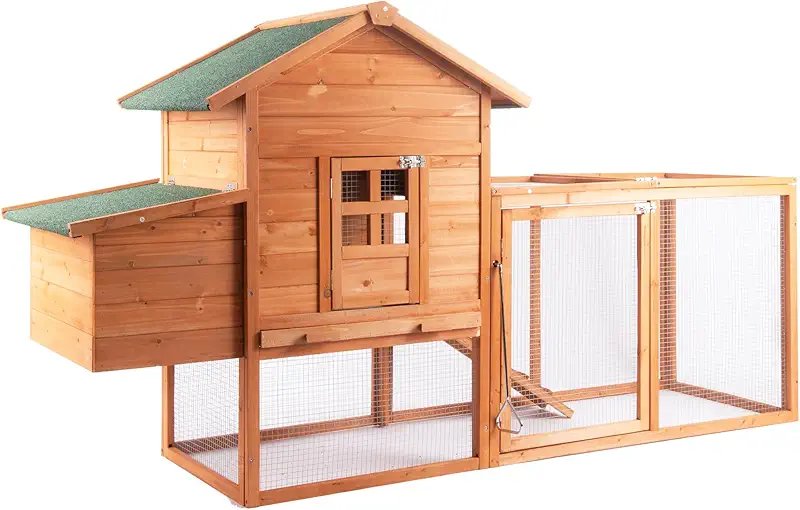
This style of cheap chicken coop works well if you keep the flock small and protect the run with strong wire.
2. Predator protection on a budget
You don’t need a fortress, but you do need to stay ahead of the local night shift: raccoons, foxes, dogs, stray cats, and the occasional very smart rat. On my farm, predators are the number one reason flimsy cheap coops fail.
Here’s what I want to see, even on a low‑priced coop:
- Decent latches you can clip or padlock, not little hook‑and‑eye hardware raccoons can open like a kid’s lunchbox.
- Wire you can trust — hardware cloth is best. If it comes with thin “chicken wire,” I treat that as a decorative suggestion and reinforce it.
- No big gaps larger than your thumb near doors, rooflines, and corners.
3. Roof and water protection
Nothing teaches you faster than stepping into the coop during a storm and getting rained on indoors. Ask me how I know. A cheap chicken coop should still:
- Have a roof with enough slope so water doesn’t just sit there.
- Use material that doesn’t turn to mush after one wet season.
- Keep the seams and screw holes reasonably tight.
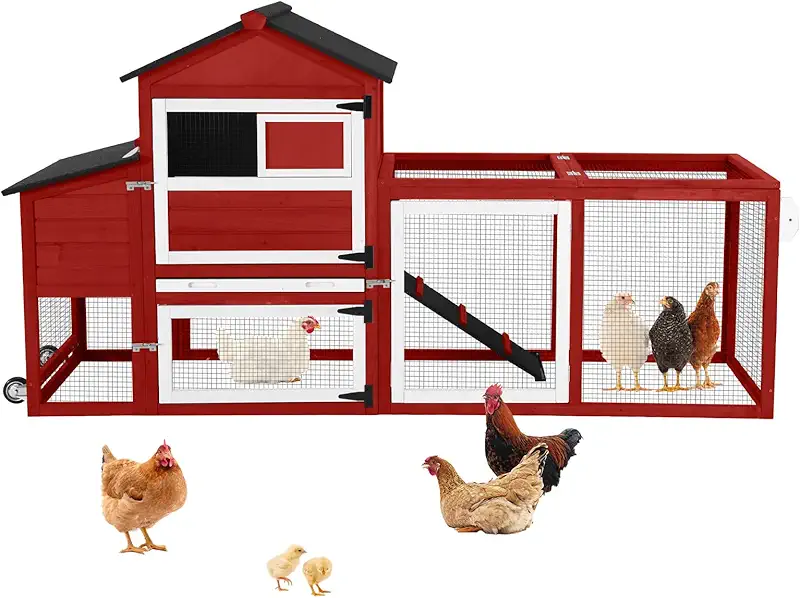
A simple sloped roof goes a long way. Keep water off the coop and you’ll add years to its life.
4. Ventilation without drafts
Chickens breathe out a lot of moisture. Pack them in a tiny, tightly sealed coop and you might as well hang a “Welcome, frostbite” sign in winter. Even a cheap chicken coop should have:
- Vents or windows up high, under the roofline.
- A way for warm, damp air to rise and escape.
- No big openings right at roost level blowing on birds at night.
On my own coops, I’d rather have a little extra ventilation and add wind blocks in winter than fight wet, stale air.
Where a cheap chicken coop can safely cut corners
Now for the good news. There are plenty of spots where you can save money without making your hens miserable. Remember, the birds don’t care if their house looks “country chic.” They care if it’s dry, safe, and boring enough that they don’t get into trouble.
1. Fancy trim and paint colors
I’ve had some downright ugly coops laying more eggs than the showpieces. Skip the expensive trim, cute windows, and picture‑perfect colors if you’re on a budget. A basic coat of exterior paint or stain is fine. The hens aren’t hosting any Pinterest tours.
2. Extra storage and human comforts
A big feed room built into the coop is nice, but you can always stash feed in a metal trash can nearby. When I started, my “storage system” was an old cooler with a brick on top. Worked just fine and the birds never filed a complaint.
3. Built‑in runs that are easy to upgrade
Many cheap coops come with a small attached run. On its own, it’s usually too small for full‑time use, but it’s a good starting frame. I use that built‑in section as the “core,” then add my own bigger run with posts and wire when time and budget allow.
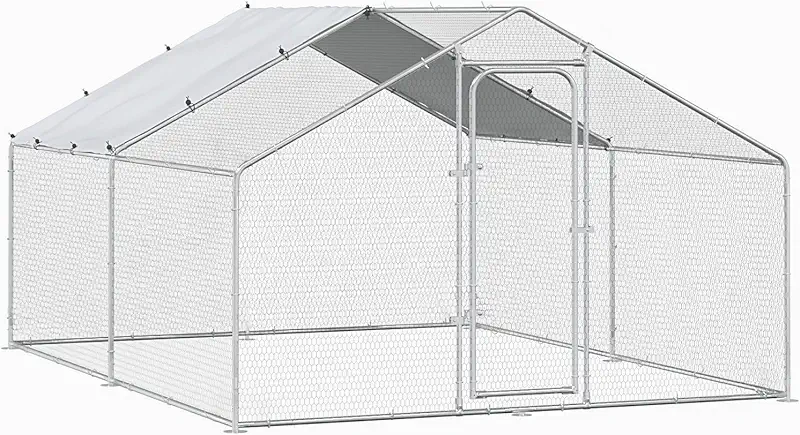
Start small, then fence out a bigger run later. That’s how most real farm setups grow over time.
Using a cheap chicken coop for laying hens
Most folks coming to me for coop advice want eggs, not just pets. So let’s talk about how a budget coop works for laying hens in everyday life.
Good nesting boxes, even if simple
Hens aren’t picky about furniture brands. They just want a dark, cozy nest. For every 3–4 hens, you’ll want at least one nest box. I like boxes that are:
- About 12 x 12 x 12 inches in size.
- Filled with clean shavings or straw.
- A little lower than the roost so birds sleep on the roosts, not in the boxes.
If the cheap chicken coop’s built‑in boxes are small or awkward, you can always screw on a simple wooden box or even use clean plastic crates turned on their side. I’ve had hens happily lay in repurposed milk crates for years.
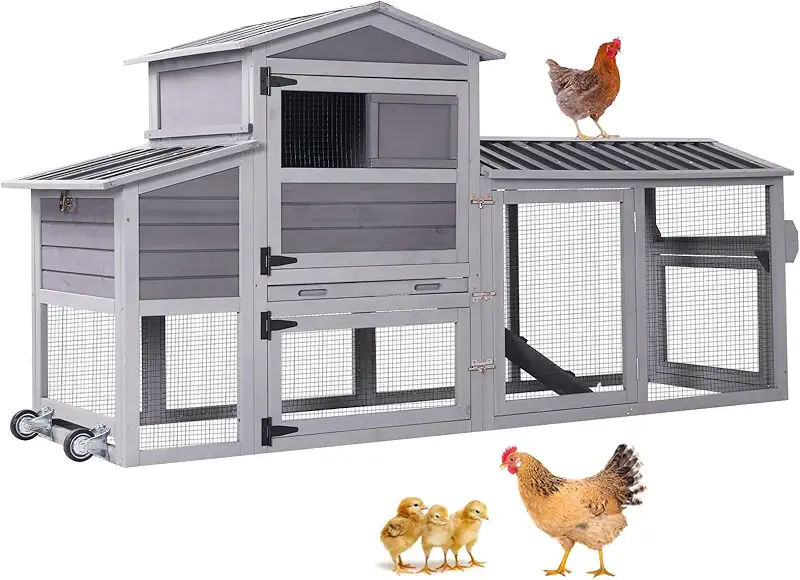
Simple, dark nest boxes help keep eggs clean and in one place, instead of a daily “egg treasure hunt.”
Roosts that respect chicken feet
Chickens sleep on roosts at night. In winter, especially up here where my farm is, flat(ish) roosts let them cover their toes with feathers and keep warm. I prefer roosts made from:
- 2x3 or 2x4 lumber with the wide side up, edges rounded a bit.
- Wood, not metal, so it doesn’t chill their feet.
- Strong enough that you don’t get a surprise “roost collapse” at 2 a.m. (ask me how many feathers that creates).
If a cheap coop comes with skinny little round dowels, I usually replace them with my own boards. Takes one afternoon and keeps the birds more comfortable.
Easy cleaning saves your back (and your nose)
I’m not as young as I used to be, and a coop that’s a pain to clean gets ignored. When I look at a cheap chicken coop, I ask myself, “Can I clean this in ten minutes before breakfast without inventing new swear words?”
Nice features to have, even on a budget model:
- A big door or panel that opens wide for cleaning.
- A floor that’s smooth enough to scrape with a hoe or shovel.
- Roosts you can pop out if needed to shovel under them.
Making a cheap chicken coop last longer
A lot of budget coops are built to survive a season or two. With a little care, you can stretch that out nicely. On my own farm, I treat every coop like a piece of equipment I want running for years.
Protect the wood
If the coop comes unpainted or lightly stained, I like to add a solid coat of exterior paint or stain before the first hard rain. Pay special attention to:
- Bottom edges that sit close to the ground.
- Roof edges and seams.
- End grain at the ends of boards, where water sneaks in.
Raise it off the ground
Wood that sits right on soil is just asking to rot. Even a cheap chicken coop does better if you:
- Set it on concrete blocks, treated runners, or even solid bricks.
- Keep grass and weeds trimmed away so air can move underneath.
- Watch for water pooling around the base after a storm.
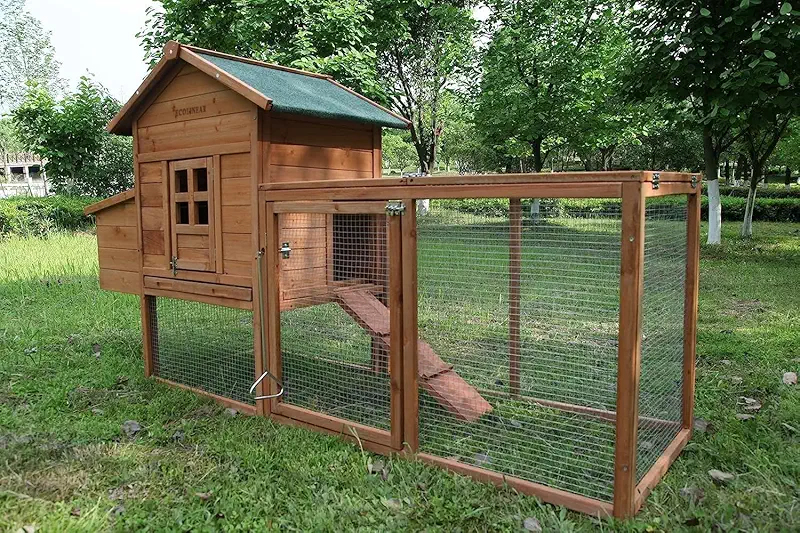
Get the coop up off bare soil and it will stay drier, sturdier, and less inviting to rodents.
Stay ahead of little problems
Once or twice a year, usually spring and fall, I walk around every coop with a coffee in one hand and a screwdriver in the other. I look for:
- Loose hinges and latches.
- Small cracks where water might get in.
- Chewing or digging signs from critters.
Catching those early turns a five‑minute repair into years more use, instead of a mid‑winter disaster when the coop door falls off in a snowstorm.
My favorite cheap upgrades for budget coops
Once you’ve picked a cheap chicken coop that covers the basics, a handful of small upgrades can make it feel like you paid twice the price. Here are the ones I keep coming back to on my own place.
1. Better wire on the run
If the coop comes with thin chicken wire, I often add a layer of 1/2‑inch hardware cloth around the lower half of the run and along the bottom edge. Critters almost always test the bottom first.
2. Simple windbreaks
On the windy side of the run, especially heading into winter, I’ll zip‑tie a panel of plywood or even a sheet of old metal roofing. The hens appreciate a spot to get out of the wind but still enjoy fresh air and sunshine.
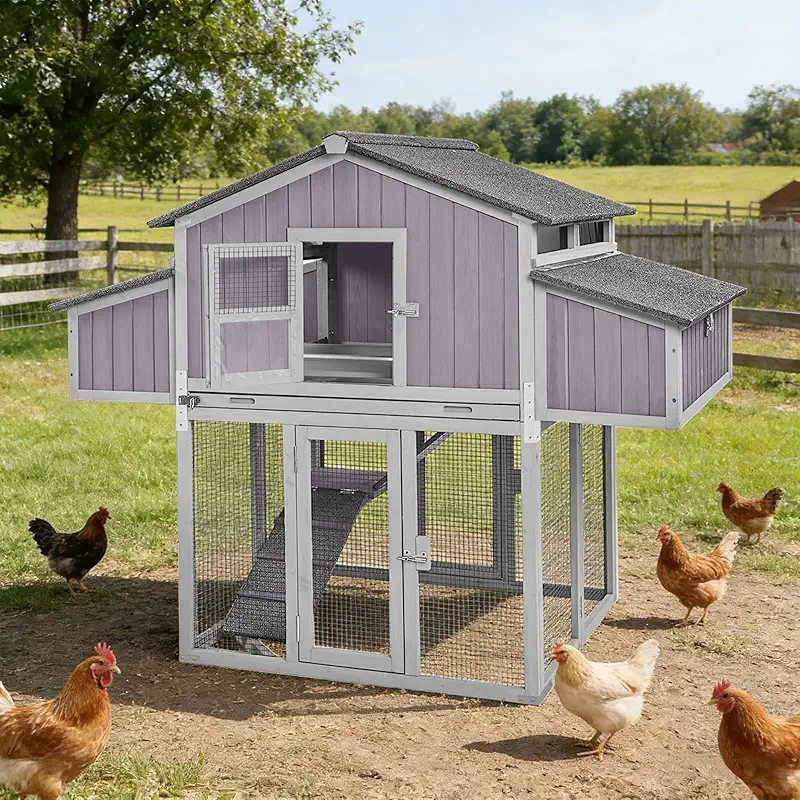
A budget coop plus a little extra wire, some boards, and a windbreak can match the comfort of far pricier setups.
3. Extra shade in summer
Hens handle cold better than brutal heat. Over the years, I’ve thrown up all sorts of shade over cheap coops and runs: tarps, shade cloth, even spare pallets. Anything that breaks the midday sun helps keep birds laying and reduces stress.
FAQ about choosing a cheap chicken coop
1. Is a cheap chicken coop safe enough for my hens?
It can be, if you choose wisely and shore up its weak spots. Look for a coop with a decent frame, a solid roof, and doors that actually close tight. Then plan on adding stronger wire and better latches if needed. On my farm, a budget coop plus a roll of hardware cloth has kept plenty of hens safe over the years.
2. How many chickens can I really keep in a small budget coop?
Ignore the pretty picture on the box and do the math. Aim for 3–4 square feet of indoor space and 8–10 square feet of outdoor run per bird. If a cheap chicken coop claims it holds 6–8 hens, I usually treat it as a 3–4 hen coop if I want good behavior and a full egg basket.
3. Will a cheap coop last through winter?
It can, but that depends on your weather and a little elbow grease. In cold, wet climates like mine, I always seal the wood, check the roof, and raise the coop off the ground. I also block the worst of the wind while keeping ventilation up high. Do that, and even a modest coop can see several winters.
4. Can I start with a cheap chicken coop and upgrade later?
Absolutely. That’s how a lot of us small farmers started. Think of the coop as your starter house for the flock. Keep your bird numbers modest at first, then expand the run, beef up the wire, and maybe add another coop later. Just don’t crowd birds while you’re dreaming up the upgrades.
5. Are these smaller coops okay for very cold or very hot areas?
They can work, but you’ll have to pay attention. In very cold areas, focus on blocking drafts at bird level, keeping bedding dry, and making sure vents are high and sheltered. In very hot areas, air flow and shade matter more than walls. I’ve run cheap coops in both kinds of climates with good results by adjusting how I use them and adding simple shade or windbreaks.
Let your cheap chicken coop work as hard as you do
I’ve had all kinds of coops here over the years. Some I built from scrap lumber, one I dragged home on a flatbed trailer, and a couple small “cheap” ones that surprised me by lasting far longer than I expected. The pattern’s always the same: the coop that works is the one that gets the basics right and fits the way you actually live.
If you’re busy, if money’s tight, or if this is your first flock, there’s no shame in starting with a modest, cheap chicken coop. Just pick one with good bones, give your hens enough room, and stay a step ahead of predators and weather. The birds won’t care what you spent—as long as they’re safe, dry, and can scratch in the sunshine.
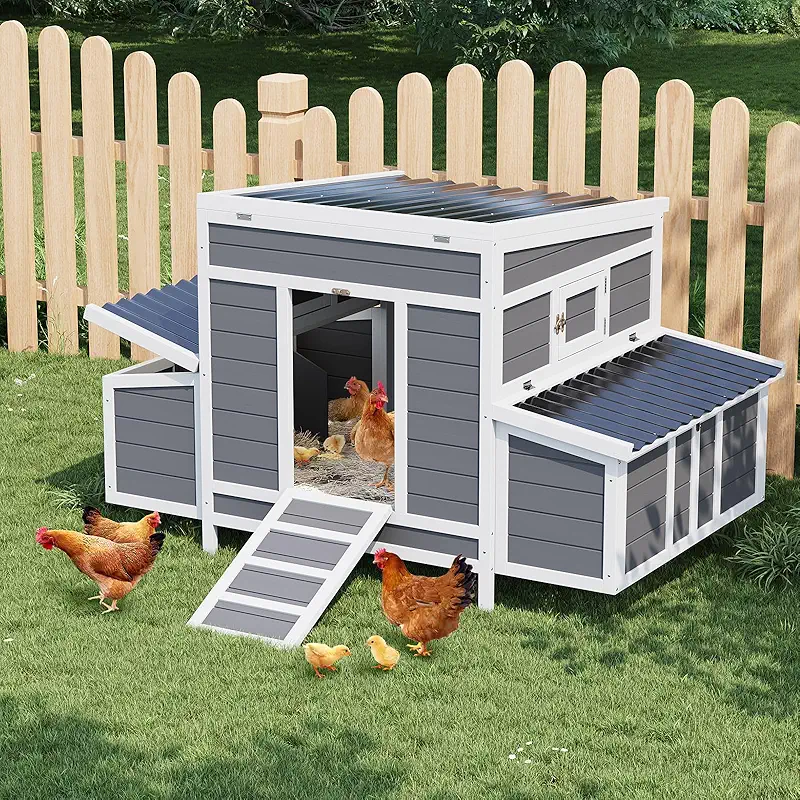
Start simple, take good care of the birds, and let experience guide your next step up the coop ladder.
When you’re ready to look over some options, take your time, picture your flock a year from now, and listen to that little voice that says, “Will I still be happy walking out to this coop every single morning?” That voice is usually right.