
Cheap Wooden Chicken Coop
cheap wooden chicken coop
Honest, boots-in-the-mud advice on picking a cheap wooden chicken coop that keeps your birds safe, dry, and laying steady.
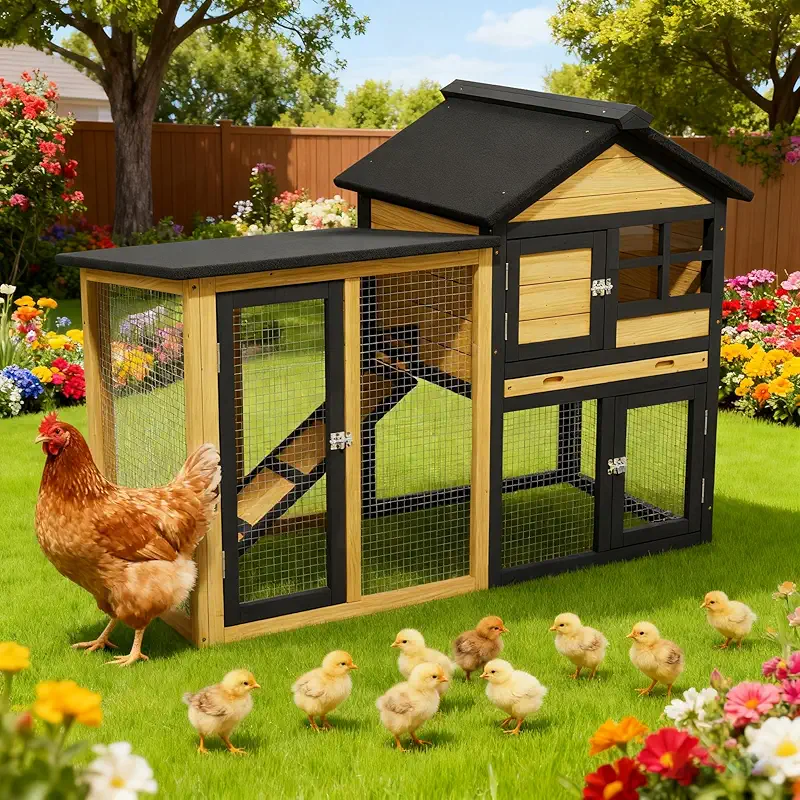
I’ve raised laying hens for decades out here in the States, through blizzards, heat waves, and the occasional nosy raccoon. Let me walk you through what actually matters when you’re choosing a cheap wooden chicken coop, so you spend little money but don’t pay for it later with sick or missing hens.
What I Look For In A Cheap Wooden Chicken Coop
When neighbors ask me about coops, they usually start with the same question: “What’s the cheapest coop I can get?” I always smile and answer, “The cheapest one that still keeps your birds alive.” I’m only half joking.
Price matters. Feed is expensive, lumber is expensive, and most backyard folks don’t want to build a chicken palace. But there are a few non‑negotiables, even on a budget. Here’s what I look for every single time.
1. Enough Room So Hens Don’t Turn Mean
Chickens are sweet until they’re crowded. Then they turn into little feathered bullies. In a cheap wooden chicken coop, space is often the first thing that gets cut. Don’t let it.
- Inside the coop: I aim for about 4 square feet per hen.
- Outside run: At least 8–10 square feet per hen if they’re not free‑ranging.
Years ago, I tried to squeeze eight hens into a tiny bargain coop someone sold at a yard sale. Looked cute. Worked terrible. Within a week I had feather picking, one bloody comb, and a hen that refused to come off the roost. Gave them more room and the drama vanished.
2. Strong Enough To Laugh At Predators
Every place has predators. Out here it’s coyotes, raccoons, owls, and the neighbor’s dog who thinks chickens are squeaky toys. A cheap coop can still be strong, but you have to look close.
- Walls and frame: Solid wood, not flimsy cardboard‑like panels.
- Wire: Real hardware cloth (1/2 inch) is best. Thin chicken wire keeps chickens in, but doesn’t keep raccoons out.
- Locks: Latches that actually latch. Raccoons have fingers like little burglars.
- Floor: A raised wooden floor or solid base so nothing can dig in easily.
On my first coop, I used leftover chicken wire on the run. One summer night, a raccoon reached right through, grabbed a hen, and I woke up to a pile of feathers. Hard lesson. These days, even my cheaper wooden set‑ups get at least some hardware cloth where it matters most.
3. Dry Roof, Dry Birds
If water gets into your coop, you don’t have a coop. You have a cold, damp disease factory with feathers. When I’m checking out a cheap wooden chicken coop, I run my hand along the roof edges and look for drip points and gaps.
- Look for a slight overhang on the roof so rain doesn’t run down the walls.
- Shingles or metal are great, but even thin roofing works if it’s tight and sloped.
- Check screw holes and seams. If you can see daylight, water will find it.
I don’t mind a simple roof, but I hate flat ones. A flat roof on a wooden coop is just a promise that you’ll be out there every spring with a bucket, a ladder, and some new words the kids don’t need to hear.
Why Wood Is Still My Favorite For Backyard Coops
Folks ask me why I stick with wood when there are plastic and metal options. Simple: a well‑chosen cheap wooden chicken coop feels natural, is easy to fix, and keeps a steady temperature better than thin metal.
Wood breathes. When the sun hits it, it doesn’t turn into an oven as fast as metal. In cold weather, it holds heat better. And if a board cracks or a corner warps, I grab some screws and a scrap board and fix it before breakfast.
Sure, wood needs love. You need to seal it, keep it off wet ground, and check it each season. But if you’re okay with a little hands‑on care, it’ll serve you well — like that old pickup truck that rattles but always starts.
My Trick For Making Cheap Coops Last Longer
When I bring in a cheaper wooden coop, I treat it like a new calf. I don’t just drop it in the yard and hope for the best. I walk around it, tug on it, and fix the weak spots before they become big problems.
- Seal the wood: I use an animal‑safe sealant or exterior paint on the outside. Keeps the rain from chewing it up.
- Lift it up: Bricks, cinder blocks, or treated 4x4s under the legs keep the floor off soggy ground.
- Extra screws: I add a few more screws at corners and hinges. Cheap coops often skimp there.
- Reinforce the door: Sometimes all it takes is one extra latch or a small board to stop sagging.
“Don’t be afraid to buy cheap, just be ready to add a little sweat to turn ‘cheap’ into ‘good enough for my birds’.”
Making Small, Cheap Coops Work For Your Flock
Not everyone has acres to play with. A lot of folks are squeezing a cheap wooden chicken coop into a small backyard behind a fence or near the garden. That can work just fine if you plan around the birds, not just around the fence line.
Matching Coop Size To Your Hens
Here’s a simple way I help people figure it out. If you’re mostly keeping the chickens confined to the run, lean bigger. If they free‑range most days, you can get away with a smaller coop, as long as they can all roost and nest comfortably.
- 3–4 hens: One small cheap wooden chicken coop can do the job.
- 5–8 hens: Look for a mid‑size coop and plan to add an extra roost.
- More than 8: You’re heading into “build it yourself” or “buy two” territory.
And here’s my rule of thumb: if all your hens can’t stand on the coop floor without stepping on each other, it’s too small. They might sleep okay, but bad weather days will get rough.
Cheap Coop, Happy Hens: Daily Setup
A budget coop can still feel like a hen hotel on the inside if you set it up right.
- Bedding: I like pine shavings. They’re dry, smell decent, and easy to clean.
- Roosts: Round off the edges of the roosting bars. Chickens hate sharp corners under their feet.
- Nesting boxes: One box for every 3–4 hens is usually plenty.
- Ventilation: Upper vents that let moist air out, but don’t blow a draft on the birds.
My hens don’t care if the coop is cheap or fancy. They care if it’s dry, calm, and has enough space for everyone to sleep without bickering. That’s what keeps the eggs coming steady.
Keeping Your Layers Healthy In A Cheap Wooden Coop
I’ve kept laying hens through damp springs, dusty summers, and winters so cold the water buckets froze before I finished chores. A cheap wooden chicken coop can handle all that if you use a bit of common sense and stay ahead of the weather.
Ventilation Without Drafts
Good air is the difference between “barnyard smell” and “why are my birds coughing?” Chickens breathe out a lot of moisture. In cold weather that moisture settles on combs and turns into frostbite if it can’t escape.
- Add vents up high, near the roofline, so warm, wet air can rise and slip out.
- Keep the roosts away from the direct line of any openings.
- In summer, you can open things up more, but still give them a sheltered corner.
I tell folks this: your coop should smell like dry straw in the morning, not like a swamp. If it stings your nose, open something up.
Bedding And Clean‑Up Routine
I’m not fancy with bedding. Pine shavings with a bit of straw here and there has done me right for years.
- Scrape droppings off the roost area every few days.
- Stir the bedding weekly to keep it dry and fluffy.
- Swap it out fully when it starts clumping or smelling strong.
In winter, I’ll sometimes go with a deeper bed, adding fresh shavings on top and letting the bottom layer break down slowly. That gives off a bit of gentle heat, like a slow‑burning compost pile under their feet.
Feeding And Watering In A Small Coop
Cheap wooden chicken coops often don’t leave much space for gear. That’s all right, as long as you think vertical.
- Hang feeders and waterers so the lip is about level with the hens’ backs.
- Use narrow profile feeders along a wall to save space.
- Keep water out of the nesting boxes at all costs. Wet nests mean dirty eggs.
My hens are like kids with a kiddie pool. If the water is anywhere near the bedding, they’ll splash, stomp, and make a mess. Raising the drinker a couple of inches higher fixes half the trouble.
Little Fixes That Turn “Cheap” Into “Reliable”
I’ve never met a cheap wooden chicken coop I didn’t want to tinker with. The good news is, most fixes take a few dollars and less than an afternoon.
1. Add A Simple Predator Skirt
If your coop has a run, you can stop a lot of digging predators with a trick we use on the farm.
- Lay a strip of hardware cloth or strong wire fencing flat on the ground around the run, about 12–18 inches wide.
- Pin it down with landscape staples or a few rocks.
- Let the grass grow through it.
When a fox or dog tries to dig, it hits the wire and usually gives up. They’re not big on engineering solutions.
2. Weather‑Proof The Weak Spots
Look at the corners, the door edges, and where the roof meets the walls. Those are the spots where rain and wind sneak in.
- Use exterior caulk on small gaps and seams.
- Add a little strip of wood above doors if water drips down into the coop.
- Touch up raw, unpainted edges with a bit of sealant or paint.
You don’t have to turn it into a boat, just keep the worst of the weather out. Chickens don’t mind a little chill; they hate damp and drafts.
3. Extra Roost For Peace And Quiet
Most cheap coops don’t give enough roost space. That’s where nighttime drama comes from: the pecking order literally starts on the perch.
- Add a 2x2 or 2x3 board with the edges rounded off.
- Set roosts at the same height so the “top hens” don’t fight for a higher spot.
- Leave room for your hand to scrape under them during cleaning.
When all the hens can hop up and settle without shoving, you’ll notice mornings are calmer, and the egg basket gets a little fuller.
FAQ About Cheap Wooden Chicken Coops
If you’re still scratching your head over which cheap wooden chicken coop fits your yard, your hens, and your weather, it helps to quietly look through a few options and picture your birds in each one. The right choice usually feels calm and simple, not flashy.
Show me all coops