
Cheap Hen House DIY
cheap hen house diy
Out here on the farm, we say a good hen house doesn’t have to be fancy, it just has to be dry, safe, and easy to clean. If you want a cheap hen house DIY setup that still keeps your layers happy and laying, pull up a bale and I’ll walk you through what has worked for me over the years.
I started raising laying hens long before I could afford anything with the word “premium” on the box. My first coop was a mix of pallets, roofing scraps, and a door an old neighbor was throwing away. It was ugly enough to scare a coyote, but it kept my hens dry and gave us breakfast every morning. Over time I learned where you can save money and where you should not cut corners when you tackle a cheap hen house DIY project.
Think of a coop like you think of a pickup: the paint job doesn’t matter much if the engine is solid. For hens, the “engine” is simple: shelter from wind and rain, strong protection from predators, good airflow without drafts, and a spot to lay eggs that feels safe. You can do all of that without emptying your wallet, especially if you’re willing to use simple tools and recycled materials.
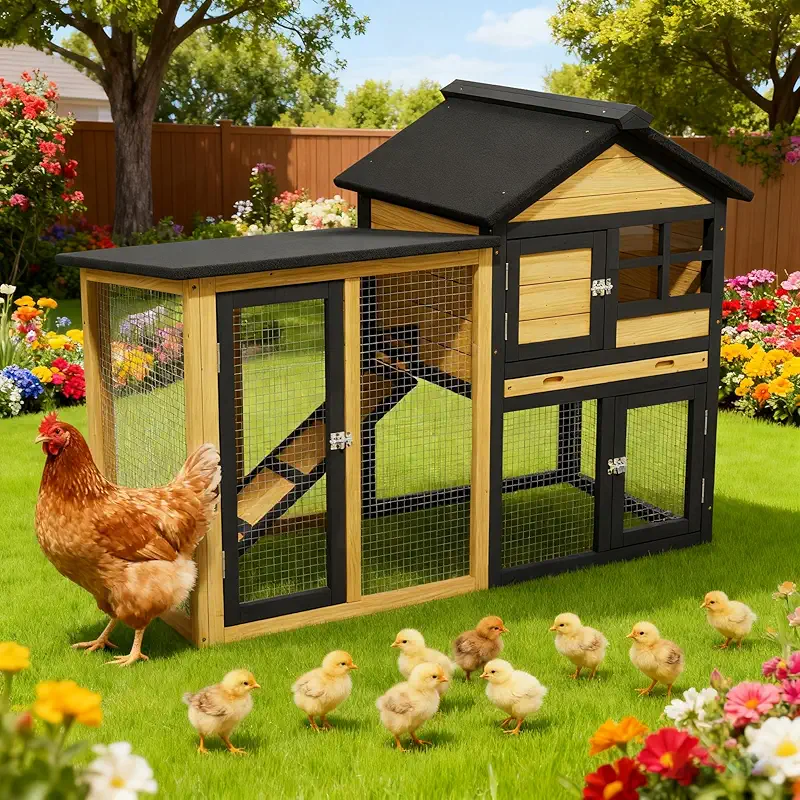
What Really Matters In A Cheap Hen House DIY Build
Before you hammer a single nail, it helps to understand what matters most to a chicken. Hens don’t care about paint colors, matching hardware, or cute decorations. They care about safety, comfort, and routine. When I design a budget coop, I always walk through these basics in my head.
1. Size: Enough Room, Not A Palace
I’ve seen folks build coops big enough to throw a dance in, then run out of money for decent fencing. Most backyard flocks do fine with around 3–4 square feet of indoor space per hen if they also have an outdoor run. So if you’ve got 6 hens, a simple 4x6 coop will work just fine.
- Inside coop: 3–4 sq ft per hen.
- Outdoor run: 8–10 sq ft per hen if possible.
- Don’t forget headroom so you can actually get in there to clean.
On my place, I like a coop I can walk into. My back thanks me later. But if you’re tight on space or materials, a smaller “hen shed” with an access door for cleaning can work just as well.
2. Dry Floor, Dry Birds
Chickens can handle cold better than damp. Wet bedding leads to smell, ammonia, and sick birds. For a cheap hen house DIY build, I often raise the floor a bit using pallets or 4x4 posts and lay plywood or old barn boards on top. Then I put down a good layer of dry shavings or chopped straw.
One winter I skipped raising the floor on a quick coop I slapped together. I figured I’d fix it later. Big mistake. We had a rainy spell, and the ground turned to muck. I spent more time hauling out wet bedding than I did collecting eggs. Lesson learned: get that floor up off the wet ground from day one.
3. Predator-Proof, Not Just Predator-Discouraging
Predators will test every weak spot on your coop. Raccoons have hands like tiny burglars, and foxes can dig like backhoes. When you’re doing cheap hen house DIY, spend your money where the teeth and claws hit:
- Use hardware cloth (not chicken wire) on windows and vents.
- Bury wire or lay a “skirt” of wire 12–18 inches out along the ground to stop digging.
- Use solid latches that need two motions to open; raccoons are clever.
I once tested my own coop by tugging and pushing on every door and panel like a hungry coyote. If I could wiggle it open with one hand, I figured a raccoon could too.
Simple Materials For A Budget Hen House
When folks ask me how to tackle cheap hen house DIY projects, I tell them, “Build with what you’ve got, and fill the gaps with what you need.” Scraps can go a long way if you pair them with a few smart purchases.
Using Pallets And Reclaimed Wood
Pallets are like free building blocks if you know where to look. I’ve used them for walls, floors, and even framing small runs. Just be sure you’re using pallets that are in decent shape and not soaked in who-knows-what from some chemical plant.
Old fence boards, leftover deck boards, or barn siding can all become coop walls. I always check for:
- Rot, soft spots, or mold.
- Old nails or screws sticking out (your arms will find them, trust me).
- Warped pieces that will fight you every step of the build.
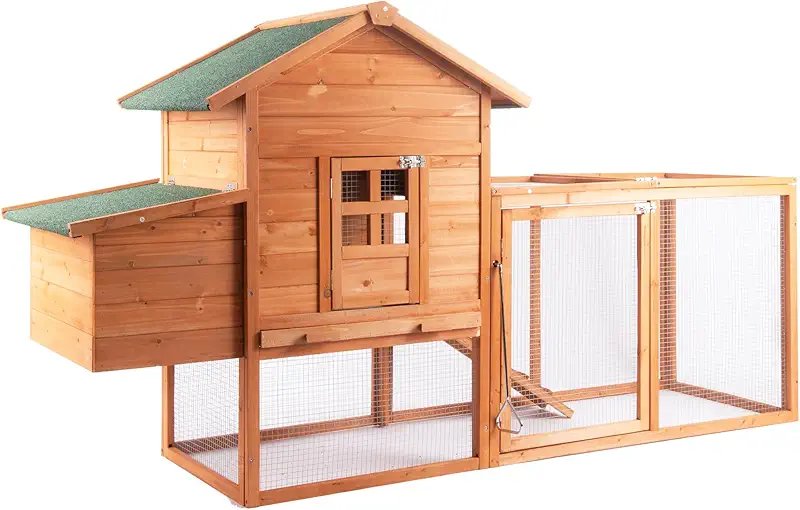
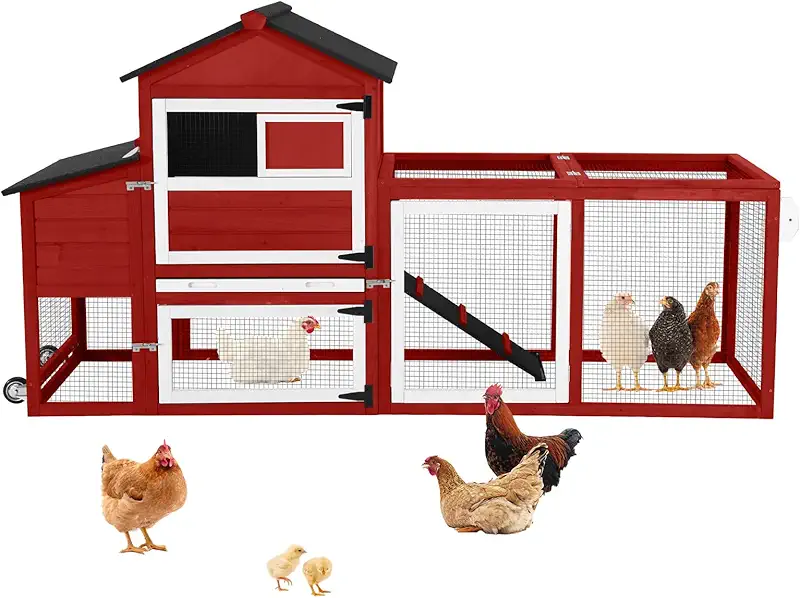
Roofing On A Budget
For a cheap hen house DIY roof, I’ve used metal roofing leftovers, corrugated plastic panels, and even old tin from a torn-down shed. Whatever you use, make sure it sheds water and has enough slope that snow and rain don’t just sit there.
One of my favorite tricks is overlapping panels well and running them past the walls a few inches to make a little eave. That small overhang keeps a surprising amount of water from sneaking inside.
Hardware Worth Paying For
If you’re going to spend a few extra dollars, spend them on:
- Strong hinges and latches.
- Hardware cloth for vents and lower walls.
- Decent screws (cheap ones snap and drive you crazy).
Cheap screws taught me new words as a young farmer, and not the kind you repeat in front of grandma. Good hardware saves time and frustration.
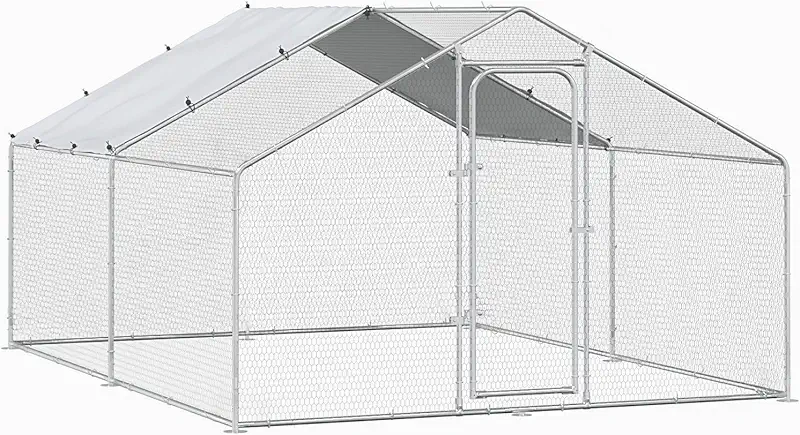
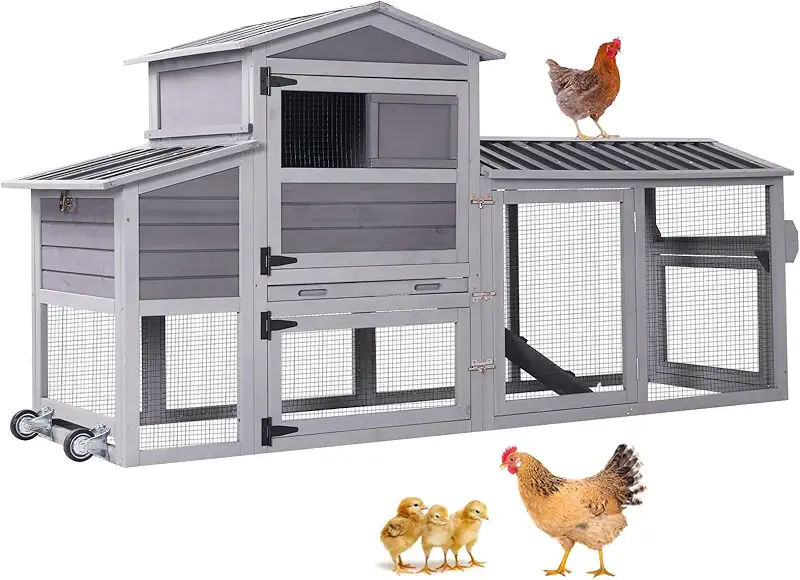
Designing A Cozy Home For Laying Hens
Cheap hen house DIY isn’t just about saving money. It’s also about giving your hens a setup that fits how they naturally behave. A calm hen is a better layer, and a well-thought-out coop keeps chores simple.
Nesting Boxes That Don’t Break The Bank
Hens don’t need fancy nest boxes. I’ve used five-gallon buckets on their sides, old wooden crates, and simple plywood boxes. What they do want is:
- A bit of privacy from the hustle and bustle.
- Soft, dry bedding like shavings or straw.
- Low enough that heavy hens can hop in, high enough to stay dry.
As a rule of thumb, one nest box for every 3–4 hens works fine. They’ll probably all decide one box is “the best” and line up for it anyway. Chickens love doing things the hard way.
Roosts: Where Hens Sleep Safely
Chickens prefer to sleep up off the ground. A simple 2x4 board laid flat makes a great roost. The flat side lets them sit with their feet fully covered in cold weather, which helps protect them from frostbite in colder states.
On my farm, I keep the roosts a bit higher than the nest boxes. That way the hens don’t decide the nests are a bedroom. Nobody enjoys cleaning out a nest box full of droppings before coffee.
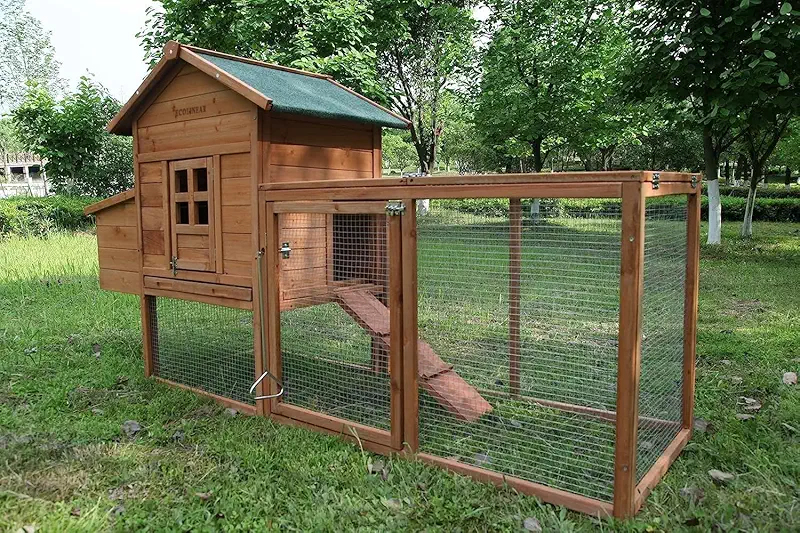
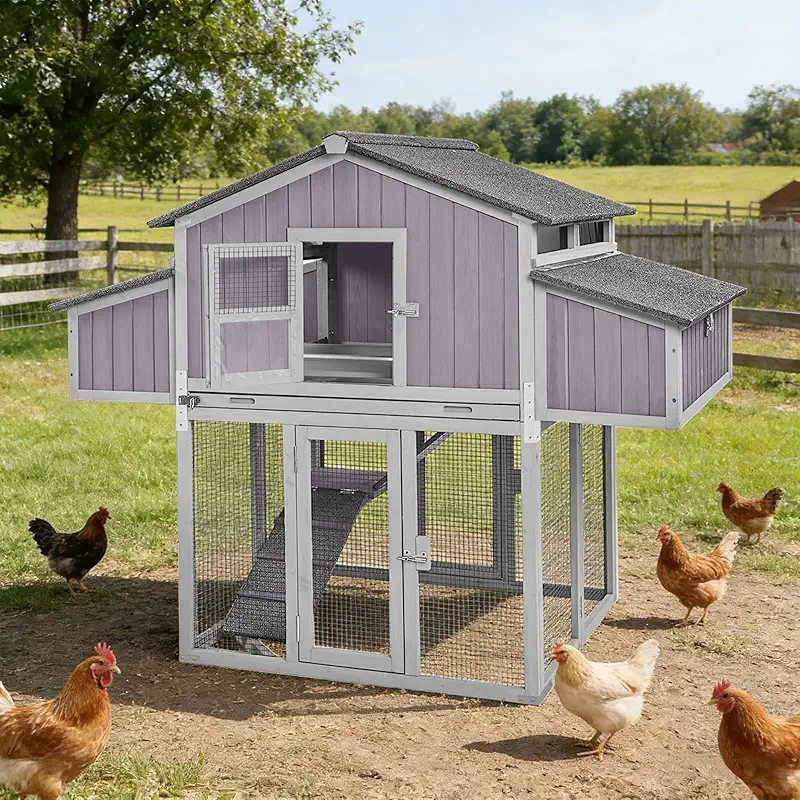
Ventilation Without Drafts
One of the biggest mistakes with cheap hen house DIY builds is forgetting good ventilation. You want stale, moist air to have a way out, especially overnight, but you don’t want cold wind blasting across the birds.
I like fixed vents up high under the eaves, covered in hardware cloth. In winter, I keep most lower openings closed and rely on those high vents to let moisture rise and escape. The coop smells better, and the hens stay healthier.
Keeping A Budget Coop Clean And Healthy
A cheap hen house is only a bargain if it’s easy to keep clean. Otherwise, you’ll pay in time and frustration. Over the years I’ve learned a few tricks that make cleaning day a little less of a chore.
Plan Your Doors Before You Build
After my first coop, where I had to crawl like a raccoon to reach the back corner, I swore I’d never build another without good human-sized access. For cheap hen house DIY projects now, I always design:
- A main door I can step through.
- A clean-out door or hinged wall section near the floor.
- Nest box lids that open from the outside if possible.
Being able to scoop out bedding straight into a wheelbarrow saves time and your lower back. Chickens keep growing, but so do you—older, that is. Make it easy on yourself from the start.
Bedding And The “Deep Litter” Trick
If you’re short on time, deep litter can be your friend. Start with a good, dry layer of shavings or chopped straw. Instead of cleaning everything out every week, you add fresh bedding on top regularly and turn it over with a rake now and then.
Over time, the lower layers start to compost. Done right, it keeps smells down and gives you rich material for the garden later. Just keep an eye on moisture: if it feels wet more than a couple inches down, add dry bedding and check your ventilation.
When A Ready-Made Coop Or Kit Makes Sense
Now, I love a good project as much as any farmer, but I’ll be honest with you: not everyone has spare weekends, a truckload of tools, or a forgiving back. Sometimes a small ready-made coop, a kit, or a few pre-built parts can be the smartest piece of a cheap hen house DIY plan.
I’ve mixed and matched many times: maybe I build the run from fence posts and wire, then use a pre-built house for the sleeping and laying area. Or I’ll start with a simple kit coop and reinforce the weak points—stronger latches, extra wire, maybe better roofing.
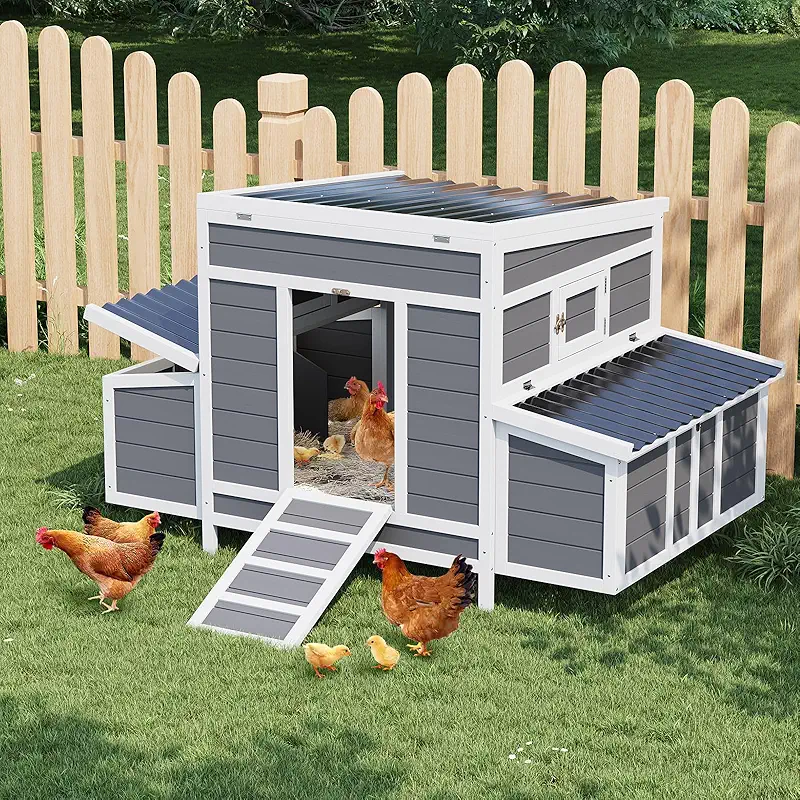
If you’re curious what kinds of coops and accessories other folks are using and reviewing, you can poke around different options, compare sizes, and see what might save you some trial and error.
Cheap Hen House DIY – Common Questions
I’ve built safe, working coops for the price of a couple of good dinners out, using mostly reclaimed wood and spending money only on wire, screws, and decent latches. The exact cost depends on what you already have. If you’ve got pallets, old lumber, or leftover roofing around, you’re halfway there. Just remember: don’t skimp on predator-proof wire and roofing. Those are your “must-buy” items.
Yes, if you build it right. I’ve had pallet coops stand through Midwestern storms just fine. The trick is to use pallets as a frame, screw them together solidly, and skin the inside or outside with boards or plywood to keep drafts down. Always add solid posts in the corners and secure the roof well. Pallets save money, but you still need good structure.
Most new keepers underestimate predators and moisture. They’ll slap up a nice-looking little house with thin chicken wire and just a couple of tiny vents. Then the first raccoon raid or damp spell shows up, and suddenly they’re patching problems. Build like there’s a fox watching you measure and a rainstorm parked over your yard. If you solve for those two, you’re in good shape.
In most parts of the U.S., yes. Chickens are tougher than folks think. A draft-free, dry coop with deep bedding and wide roosts for them to cover their toes is enough in many climates. I’ve overwintered birds without power plenty of times. Just avoid drafts at bird level, make sure vents are up high, and keep water from freezing solid by checking it often or using insulated containers.
I always suggest folks start with fewer hens than they think they want. For a first cheap hen house DIY project, four to six layers is a nice, manageable flock. That size fits easily in a modest coop and run, gives you plenty of eggs for a household, and keeps chores from feeling overwhelming while you’re still learning the ropes.
If you’re dreaming up your own cheap hen house DIY setup and want to see what kinds of coops, runs, and little add-ons other keepers are using, it can help to look around a bit first.
Show me all coops