
Buy Chicken Coops Online
buy chicken coops online
When folks ask me how to buy chicken coops online, I tell them the truth: your hens do not care how fancy it looks. They care if they wake up dry, safe, and not stepping in yesterday’s mess. If you can give them that, they will thank you with a basket of eggs you will brag about for years.
I have raised laying hens through blizzards, heat waves, muddy springs, and one very determined fox. Let me walk you through how I look at coops online, what I ignore, and what makes me say, “Now that will work in the real world.”
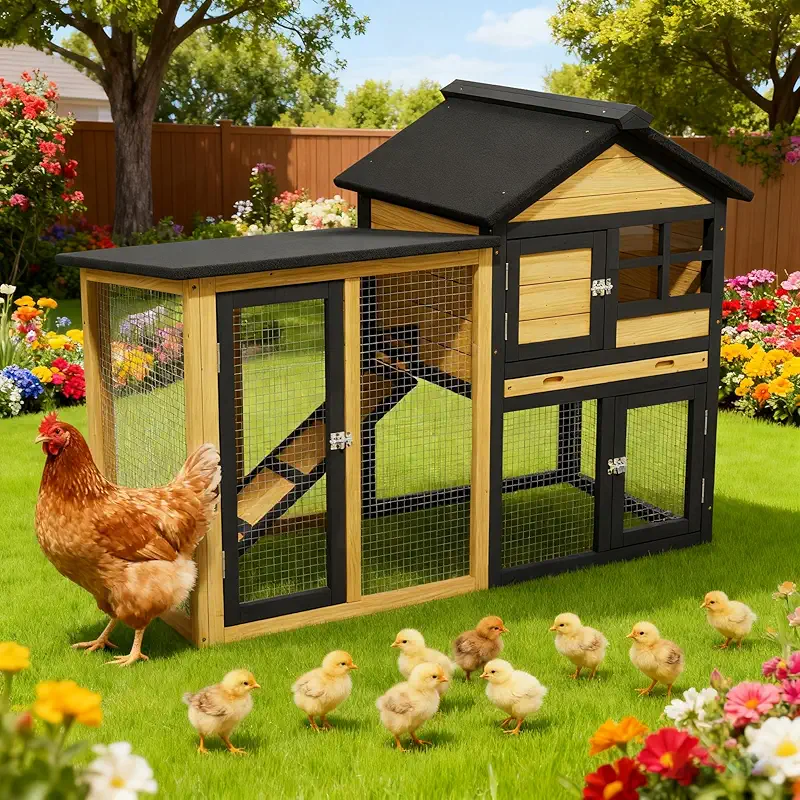
How Many Hens, How Much Space, How Much Fuss
Before you buy chicken coops online, picture your birds instead of the pretty pictures on the screen. How many hens do you truly want, not just this spring but next year once you fall in love with those fresh eggs?
When I started, I told my wife, “Just six hens, that is it.” A year later I had twelve and a rooster that crowed at 3:45 a.m. for reasons known only to him. The coop I thought was “plenty big” suddenly looked like a crowded subway car.
Plan about 4 sq ft per hen inside the coop and 8–10 sq ft per hen in the run. More is always better.
You can share. One box for every 3–4 laying hens is fine. They will all want the same box anyway.
Give each hen about 8–10 inches of roost space. Tight roosts cause pecking and dirty feathers.
When you look at coops online, many of them are, how shall I say this kindly… optimistic about how many chickens they hold. If it says “up to 8 chickens,” my farmer brain reads “4–5 happy chickens if you like them alive and calm.”
Whatever flock size the listing claims, plan for half that number if you want room to grow and fewer health issues. Your birds will breathe easier, and so will you.
What I Look For First When I Buy Chicken Coops Online
I do not start with color or “cute farmhouse style.” I start with three boring words that keep hens alive: dry, draft-free, predator-tight. If a coop cannot pass those three tests, I move on, no matter how charming the little window shutters look.
Dry: Does the roof and floor make sense?
I zoom in on the roof. Is it solid? Does it have a decent overhang? Any gaps where wind-driven rain can sneak in? My first store-bought coop years ago had a flat roof that looked nice in the photo but collected water like a kiddie pool. One storm later, I was out there in my pajamas with a tarp, trying to keep the ladies from floating away.
Look for:
- Sloped roof so rain and snow slide off.
- Roofing material that can handle your weather (shingles, metal, or sturdy panels).
- Raised floor or legs so the coop is not sitting in mud.
Draft-free but not air-tight
Chickens handle cold better than damp and wind. I live where winter bites hard, and my hens cruise through just fine as long as they have good ventilation up high and no cold wind blowing across their backs while they sleep.
When you buy chicken coops online, look for vents near the roof or windows you can crack open that are covered in hardware cloth. Warm, moist air rises. You want it to escape without turning your coop into a wind tunnel.
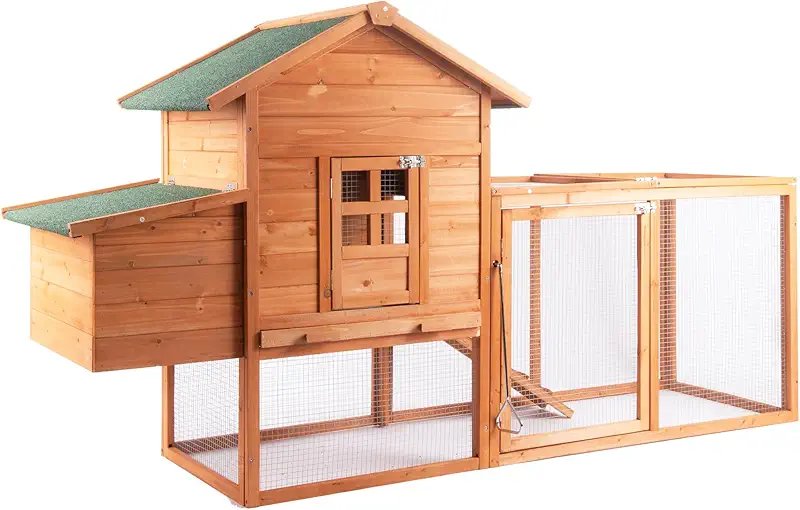
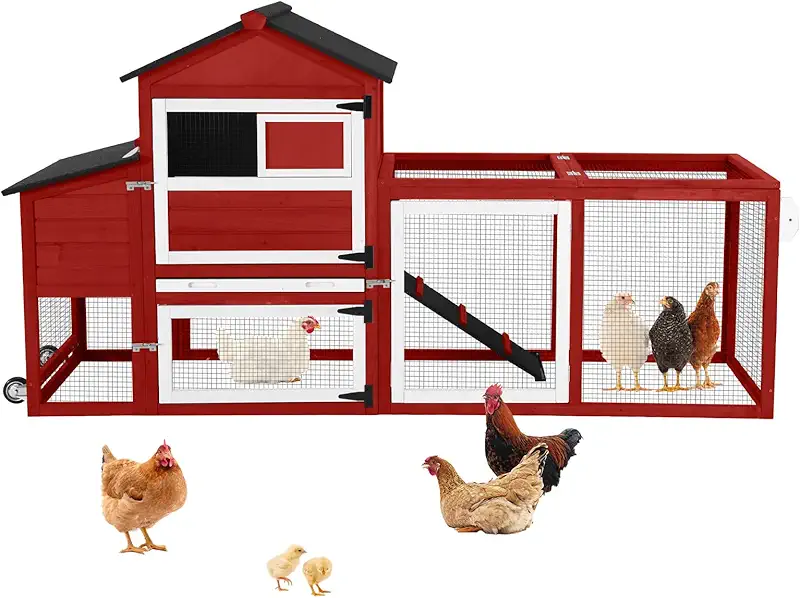
Predator-Proofing: Because Everything Likes Chicken
Where I live, I have raccoons, foxes, coyotes, neighborhood dogs, hawks, owls, and one very sneaky rat that I am pretty sure has a PhD in engineering. Every one of them loves chicken. Hens are not fighters, so the coop has to do the protecting.
Wire matters more than paint
When you buy chicken coops online, pay close attention to the wire. A lot of cheaper coops use thin chicken wire. Chicken wire is fine for keeping chickens in, but it is not great at keeping determined predators out. Raccoons can tear it. Rats can squeeze through.
What you want to see is hardware cloth (welded wire mesh), ideally ½-inch. It should cover:
- Windows and vents.
- Any openings in the run.
- Gaps around doors.
Doors, latches, and nighttime peace
I lost my first hen to a raccoon that figured out a simple hook latch. I was mad at that raccoon for weeks, but I was really mad at myself. Now, when I pick a coop online, I look for latches that take two steps to open. Raccoons are smart but they are not that smart.
If you see a coop with solid doors, tight frames, and sturdy latches, that is worth more than any cute detail. Sleeping at night, knowing your birds are safe, is priceless.
Wood vs. Metal vs. Plastic Coops
When you are trying to buy chicken coops online, you will see all kinds of materials. I have used wood, metal-framed runs, and one plastic coop that looked like a big toy. Each one has its place, depending on your climate and your patience for maintenance.
Wooden coops
Wooden coops look traditional and are easy to customize. I like them because I can always screw on another roost, patch a hole, or add a little porch if I feel fancy that year.
But wood needs love. You will want to:
- Seal or paint exposed wood every couple of years.
- Keep the coop off the ground to avoid rot.
- Check for gaps as boards shrink and swell with the weather.
Plastic coops
Plastic coops can be easier to clean and do not rot. I had one during a especially muddy few years, and I will say: a hose, a brush, and ten minutes, and it looked new. In hot climates though, plastic can get warm, so you want good shade and ventilation.
Metal runs and frames
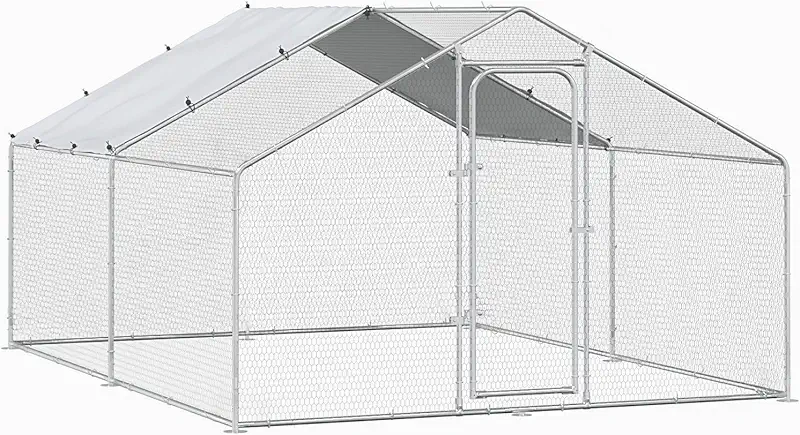
Some of the larger setups you will see when you buy chicken coops online use metal pipe frames with a tarp roof and wire sides. I use one of those as a daytime run connected to a smaller wooden coop. Great for space, but you still need a solid sheltered area for cold nights and storms.
Cleaning, Smell, and Keeping Peace With the Neighbors
A good coop makes cleaning simple. A bad coop turns cleaning into acrobatics. I had one early design where I had to crawl halfway in just to scrape under the roosts. My back still complains when it rains.
Easy-clean features to look for
When you buy chicken coops online, look for features that make your life easier:
- Big doors that you can actually fit a shovel or rake through.
- Pull-out trays under the roosts for catching droppings.
- Flat interior surfaces without too many hiding places for mites.
- Headroom so you are not hunched over the whole time you are in there.
I use the deep litter method in most of my coops. That means I lay down a good layer of pine shavings, toss a fresh scoop on top each week, and give it a stir. Happy microbes get to work, and instead of a stink, you get a mild forest smell.
If your coop is near a fence line, spend the extra effort on ventilation and clean bedding. A coop that smells fine up close is invisible to the neighbors’ noses—and that keeps everyone friendly when your rooster decides to sing at sunrise.
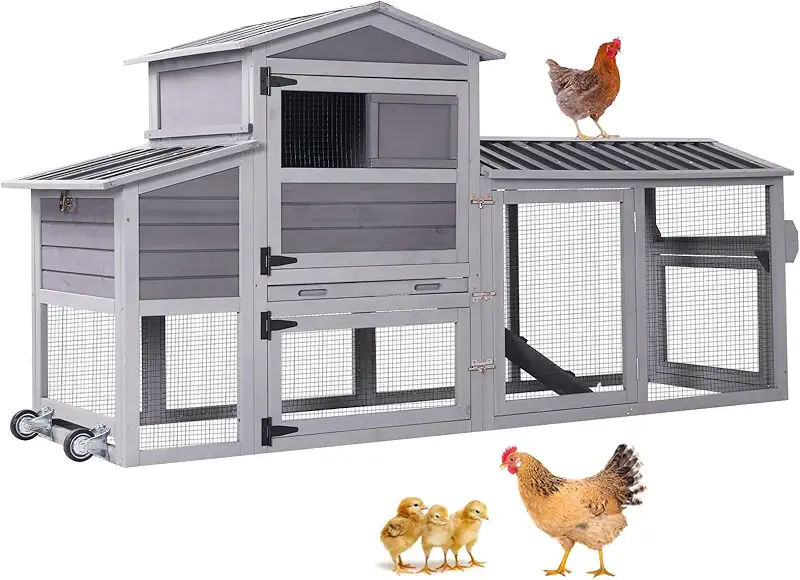
Layout Inside the Coop: Roosts, Nesting Boxes, and Feed
Chickens like routine. If the inside of the coop feels calm and simple, they settle in fast. If it is cramped and awkward, they fuss, squabble, and lay eggs in places that will surprise you. Ask me about the time I found a whole clutch behind the feed bin…
Roosts higher than nests
Hens like to sleep up high. When you buy chicken coops online, check that roosting bars are higher than nesting boxes. If nests are higher, they will sleep in them, and you will collect eggs that look like they survived a bar fight.
I prefer:
- Sturdy 2x2 or 2x3 wooden roosts, edges slightly rounded.
- Roosts all at the same height to minimize pecking-order drama.
- Poop board or tray under roosts to catch overnight droppings.
Nesting boxes: dark and cozy
Good nesting boxes are like quiet reading corners: a bit darker, a bit tucked away, and lined with something soft. When you are skimming listings to buy chicken coops online, look for boxes that:
- Are elevated a bit off the floor.
- Have a lip at the front to keep bedding and eggs in.
- Open from the outside for easy egg collection.
I keep a golf ball or fake egg in new boxes. It tells the hens, “This is where the magic happens.” Chickens are not stupid; they follow the example.
Weather: Hot Summers, Cold Winters, and Wet Seasons
My farm has seen everything from -10°F mornings to 100°F afternoons. Hens do fine in both, but only if the coop is set up right. When you buy chicken coops online, think about your local weather first, not second.
In hot climates
Heat is harder on chickens than cold. In hot weather, I care about:
- Shade from trees, buildings, or a good roof overhang.
- Lots of ventilation, ideally on opposite sides for a breeze.
- Light-colored roofs that do not bake the birds.
When I see a coop online with a tiny window and solid walls on all four sides, I know that will be an oven in July. Fine for storage, bad for chickens.
In cold climates
In colder places, I look for:
- Fewer big openings low down where wind can hit roosting hens.
- Enough room for birds to move without crowding in storms.
- A spot to hang water inside where it will not freeze as fast.
I do not insulate my coops heavily; I just keep them dry and draft-free. The chickens wear feather coats year-round, after all. I just give them decent housing and extra feed in the cold months.
Movable Coops, Runs, and Letting Hens Work for You
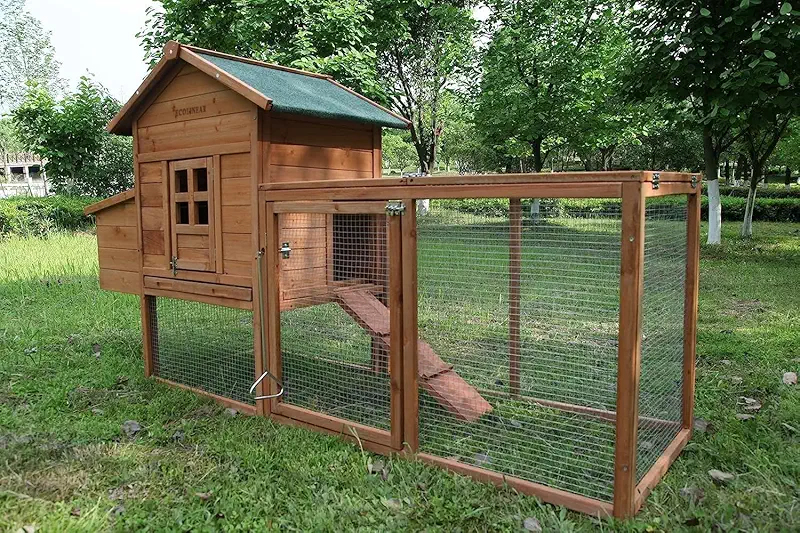
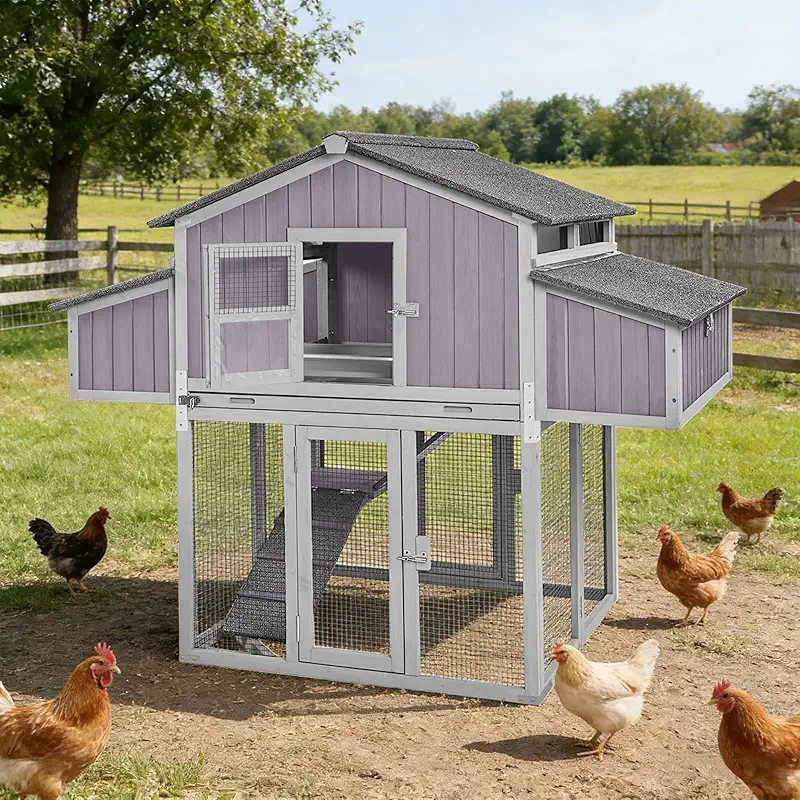
One of my favorite setups is a smaller, mobile coop with a covered run. I drag it across the pasture every few days. The hens eat bugs, trim grass, and fertilize as they go. It is like hiring a tiny, feathered landscaping crew that works for kitchen scraps.
When mobile coops make sense
As you buy chicken coops online, you will see words like “tractor” or “portable.” Those can be great if:
- You have decent, level ground most of the year.
- You want to avoid a muddy, worn-out permanent run.
- You like the idea of rotating birds through garden beds or orchard rows.
Just remember: “portable” is a generous word. Make sure it really has wheels, handles, or a frame that looks like you can move it without calling three neighbors and a tractor.
Reading Listings With a Farmer’s Eye
When you buy chicken coops online, listings will talk about “luxury,” “stylish,” and “decor.” Hens do not read marketing copy. I scan past the fluff and look for the bones of the coop.
Words that get my attention
- Hardware cloth mentioned in the description.
- Solid wood frame or reinforced corners.
- Details on ventilation and roofing.
- Realistic capacity numbers.
Pictures that tell the truth
I like listings that show:
- Interior shots with doors open.
- Close-ups of hinges, latches, and joins.
- The coop next to a person or common item, so you can judge scale.
I also read the lower-star reviews first. Complaints about “smaller than expected,” “thin wood,” or “flimsy wire” tell me what to be ready to reinforce—or whether to pick a sturdier option.
FAQ: Buy Chicken Coops Online Without Regrets
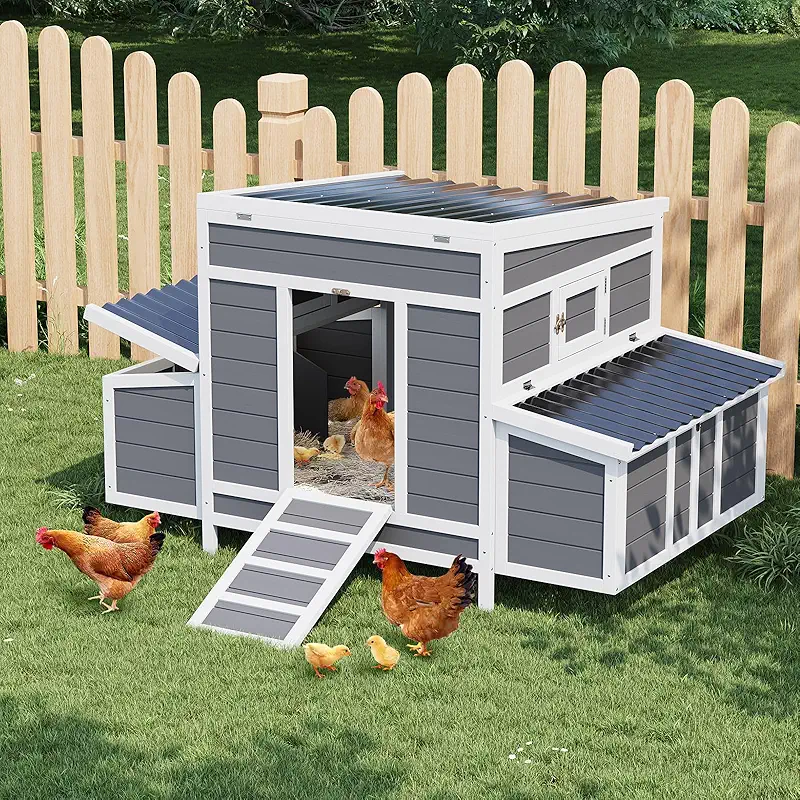
Most small coops advertised “for 4–6 chickens” are really comfortable for 2–3 full-size hens. If you want 6 hens, look for something advertised for 8–10, or plan to add an extension or larger run. A bit more space means calmer birds, fewer health problems, and cleaner eggs.
I have done both. A cheaper coop online can be a fine starting point if you treat it as a kit, not a finished barn. Expect to add stronger wire, extra screws, maybe some braces and weatherproofing. If you enjoy building and have tools, a DIY coop can be better long term. But if time is short, a decent online coop, plus a few farmer upgrades, can work just fine.
The biggest mistake I see is underestimating flock size and overestimating space claims. Folks buy a cute little coop, add a couple more hens, then wonder why there is feather-pulling and dirty eggs. Plan ahead: buy a coop that feels “too big” today. Future you, standing by a basket of eggs, will be grateful.
No. Chickens came long before extension cords. What they need is good shelter, dry bedding, fresh water, and steady feed. I run a simple outdoor-rated cord to some coops in winter for a heated waterer, but I keep it tidy and safe. Automatic doors, lights, cameras—nice if you like gadgets, but not required to keep hens healthy and laying.
Think like the weather. If you have hot summers, look for shade, big vents, and a roomy run. In cold winters, focus on solid walls, no big gaps near the roosts, and a place to shield water from freezing winds. When in doubt, read reviews from people in climates like yours. I ignore style comments and pay attention to notes about wind, snow load, and heat.
If your head is full of roosts, runs, and rooflines right now, that is all right. Take a slow look through the different setups, picture your hens stepping out in the morning, and trust your gut. You know your yard, your weather, and your birds-to-be better than any catalog.
I’ll browse coops nowWalk through the options and see which coop feels like home for your flock.