
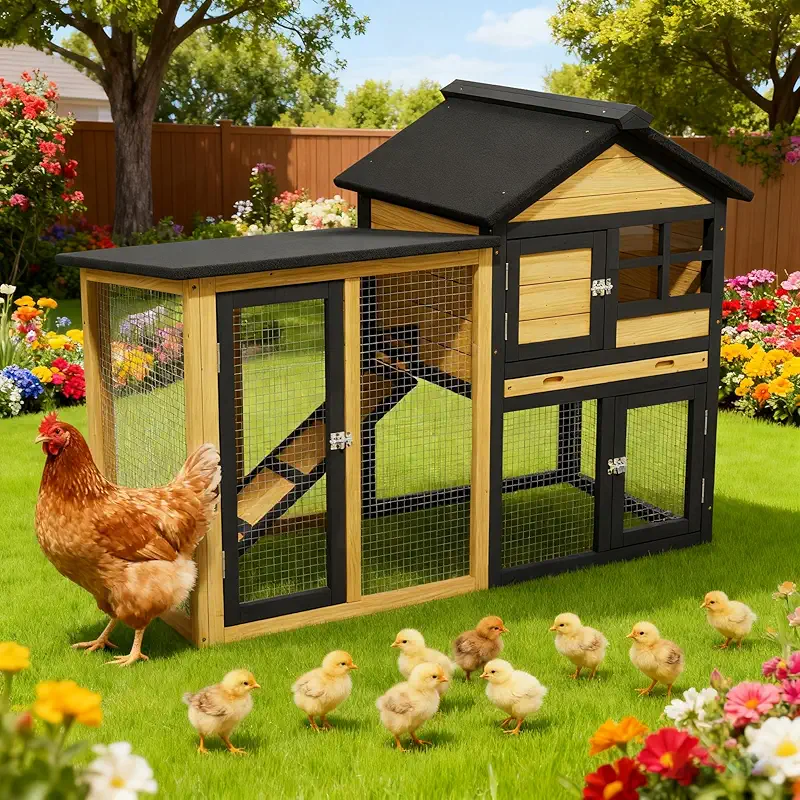
What “Cheap” Should And Shouldn’t Mean
When folks ask me about cheap chicken coops to build, I always say this: cheap should mean smart, not flimsy. Saving money is good. Losing birds to predators or sickness is not. I learned this the hard way with a slap‑together pallet coop that turned into a raccoon buffet one summer night. I still feel guilty about that mess.
A good budget coop keeps three things in balance: cost, safety, and comfort. You can cut corners on looks, bells and whistles, and fancy trim. You can’t cut corners on structure, ventilation, or predator proofing. Hens don’t care if the coop matches your house. They care if they’re dry, safe, and can breathe.
Put your money into the floor, the roof, and the door latch. That’s where the real trouble starts if you skimp.
How Many Chickens? Start With The Right Size
Before you look at any cheap chicken coops to build, you need to know how many ladies you’re planning to house. I’ve seen people cram ten hens into a space that works for four, then wonder why everyone is picking feathers and acting meaner than a wet rooster.
For backyard laying hens, I like these simple numbers:
- Inside the coop: 3–4 square feet per bird.
- Outdoor run: 8–10 square feet per bird (more if you can).
- Roost space: around 8–10 inches of perch per hen.
- Nesting boxes: one nest for every 3–4 hens.
If you think you’ll “probably add a few more birds later,” just go ahead and plan for them now. Every farmer I know, including me, has said, “I’ll only get six hens,” and ended up with a small feathered army.
My Favorite Low‑Cost Coop Ideas
Over the years I’ve tried everything from old garden sheds to homemade hoop coops. Some ideas aged well, some… not so much. Here are a few low‑cost approaches that actually worked for me or my neighbors.
1. Simple A‑Frame Coop
An A‑frame coop is like the overalls of chicken housing: plain, tough, and gets the job done. Two sloping sides, a raised floor, and just enough space for roosts and nests. You can build one from basic lumber and sheet roofing without needing fancy tools.
I built my first A‑frame out of leftover roof metal and 2x4s that had more knots than a Boy Scout jamboree. It wasn’t pretty, but it stayed dry and the hens loved roosting up high.
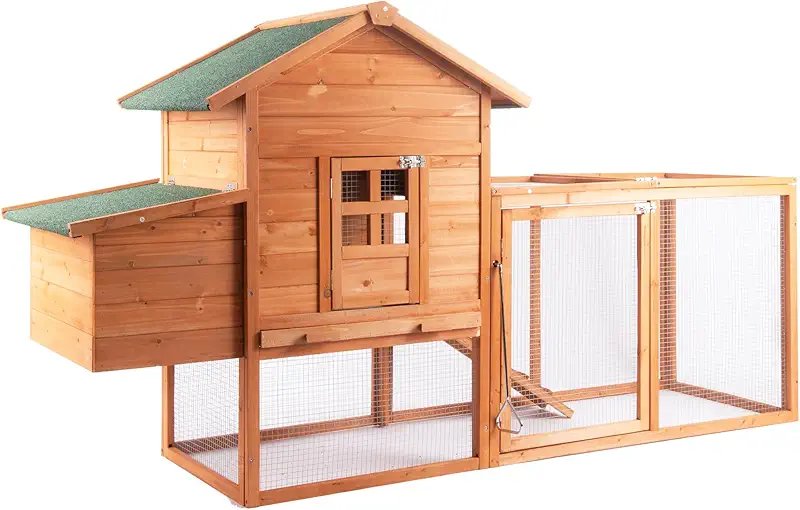
- Best for: 3–6 hens, small yards.
- Pros: Uses less lumber, sheds rain and snow well.
- Cons: Limited headroom, cleaning can be a little awkward if you don’t add access doors.
2. Converted Garden Shed
If you’ve already got a small shed, you’re halfway there. Adding some roosts, nests, and ventilation usually costs less than starting from scratch. On my place, the old lawn‑mower shed became “Hen Hilton” after one long weekend and a lot of sweeping.
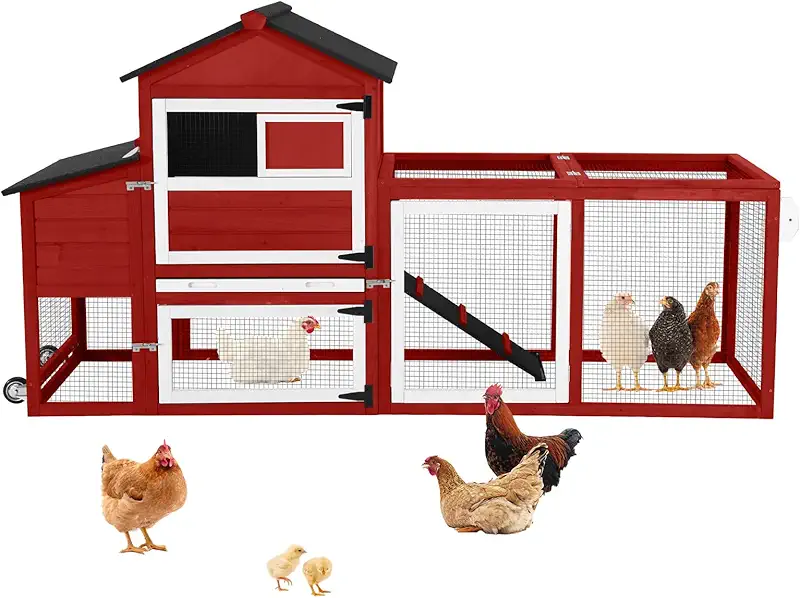
Key upgrades you’ll need:
- Hardware cloth windows for airflow and predator safety.
- Solid floor or wire‑proof skirting to keep diggers out.
- A pop‑door the chickens can use morning and night.
3. Hoop Coop With Cattle Panels
Hoop coops are handy if you want something light enough to move but strong enough to hold up to wind. We bent cattle panels over a simple wooden base, put a tarp over the top, and wrapped the sides with wire. That coop has seen more miles than some folks’ campers.
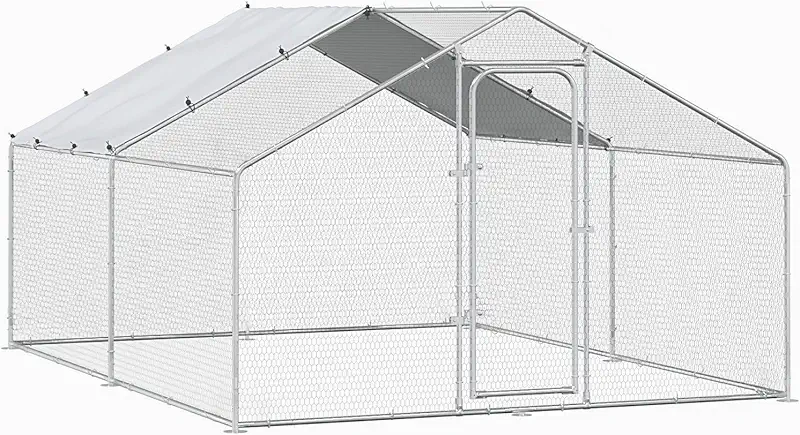
Just remember, a hoop coop needs good anchors and real hardware cloth around the lower section. Chicken wire alone is like putting up a “Free Snacks” sign for raccoons.
Materials That Stretch Your Budget (Without Regrets)
When building cheap chicken coops to build, I’ve used just about everything that wasn’t bolted down: pallets, barn off‑cuts, even an old porch door my neighbor was tossing out. Some materials save money, others just create headaches.
Wood Choices
Pressure‑treated posts and skids: Good for anything touching the ground. They last longer, and trust me, replacing rotted posts with a coop full of chickens watching you is not a fun afternoon.
Regular framing lumber: Works fine for walls and roof framing, especially above ground and under a decent roof.
Pallet wood: Can be okay for trim and non‑structural stuff. Watch out for broken boards, nails, and chemical treatments.
Wire And Predator Protection
If you only remember one thing from this whole page, let it be this: chicken wire keeps chickens in. It does not keep predators out. I’ve seen raccoons tear through old chicken wire like it was wet paper.
- Hardware cloth (1/2 inch): This is the good stuff. Use it on windows, vents, and any lower wall where a critter might reach in.
- Buried skirt: Lay hardware cloth out flat 12–18 inches around the coop edges and cover it with soil or stones. It stops diggers cold.
If you live anywhere with raccoons, foxes, coyotes, or neighbor dogs – and that’s pretty much everywhere – do not trust cheap, thin wire alone. The first night something gets in, your “savings” vanish fast.
Design Details That Make Life Easier
On paper, a lot of cheap chicken coops to build look fine. But it’s the little design choices that decide whether you enjoy your birds or dread chore time. I’ve rebuilt doors and ramps more times than I care to admit.
Make Cleaning Simple
I used to have a coop where I had to crawl halfway in on my knees to scrape out the bedding. After the third time cracking my head on a low beam, I decided I’m too old and too tall for that nonsense.
- Add a human‑sized door you can walk through or at least lean into.
- Use removable roost bars so you can sweep under them.
- Consider a drop‑down clean‑out door behind the roost area.
One winter morning, my wife watched me trying to wiggle out of that cramped coop, covered in shavings and muttering words the preacher wouldn’t like. She just shook her head and said, “Next one gets a big door.” She was right.
Ventilation Without Drafts
Hens can handle cold better than damp. The trick is moving moist air out without blowing icy wind right on the birds at night. Cheap chicken coops to build often forget this part.
Here’s what works well for me:
- Vents or windows up high near the roofline.
- Hardware cloth over every opening, no exceptions.
- Solid walls at roost level so birds aren’t in the draft.
Nesting Boxes And Roosts On A Budget
The good news: hens are not picky about furniture brands. They’ll happily lay in an old crate if it’s dark and quiet. But a bit of planning keeps eggs cleaner and your back happier.
Simple Nesting Ideas
I’ve used milk crates, old wooden boxes, and even plastic tubs turned on their sides. As long as the nest is about a foot square and has a lip to hold bedding, the girls approve.
- Place nests lower than the roosts, so chickens don’t sleep in them.
- Give them a little roof or cover to feel secure.
- Fill with wood shavings or clean straw, not dusty junk.
Strong, Comfortable Roosts
Chickens like to sleep up off the ground. A simple 2x4 on the flat side works great – they can sit with their feet fully covered in cold weather. I avoid skinny round dowels; they’re hard on older hens’ feet.
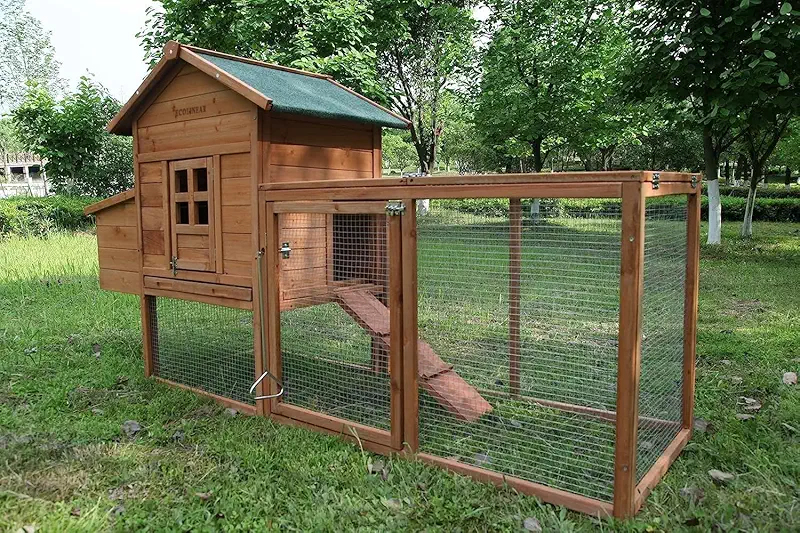
Mount your roosts higher than the nests, with at least a foot between bars so they’re not… well, pooping on each other all night. They may be flock animals, but nobody likes that kind of togetherness.
Weather, Wind, And Where To Put The Coop
You can build the nicest cheap chicken coop in the county, and if you park it in the wrong spot, you’ll fight problems forever. Location is free, and it matters a lot.
- Pick high ground: Avoid low, soggy spots that turn into mud pits every spring.
- Face away from prevailing winds: Put the main door and pop‑door on the calmer side.
- Shade in summer: A little afternoon shade keeps birds cooler and calmer.
- Close to water and power: Hauling buckets through snow gets old fast, trust me.
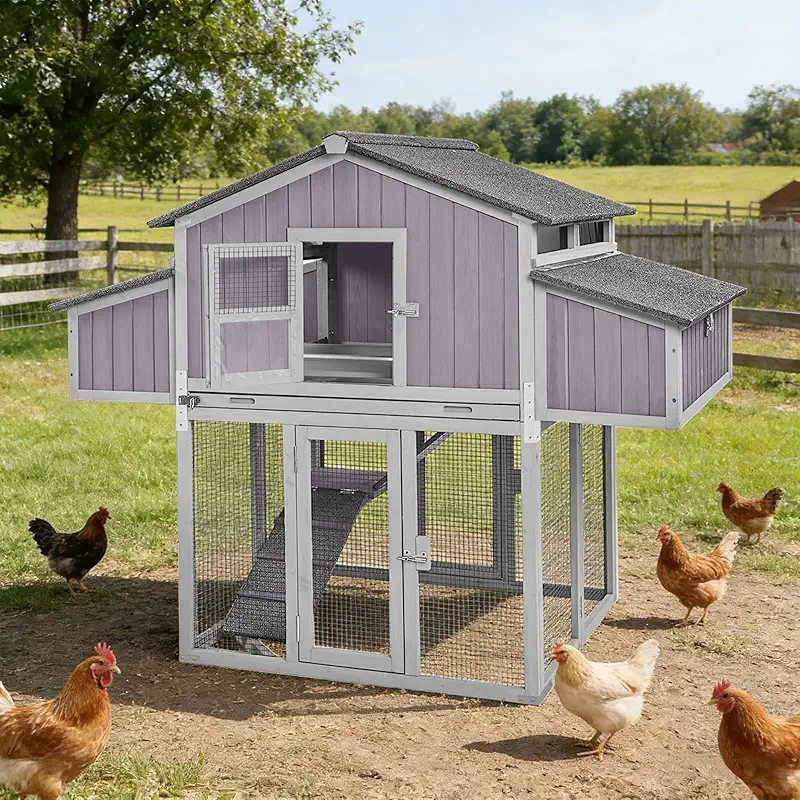
When our kids were little, we put the main coop close enough to the house that we could hear if something was raising a ruckus at night. More than once, that saved a flock from a determined raccoon.
Store‑Bought Kits Versus Full DIY
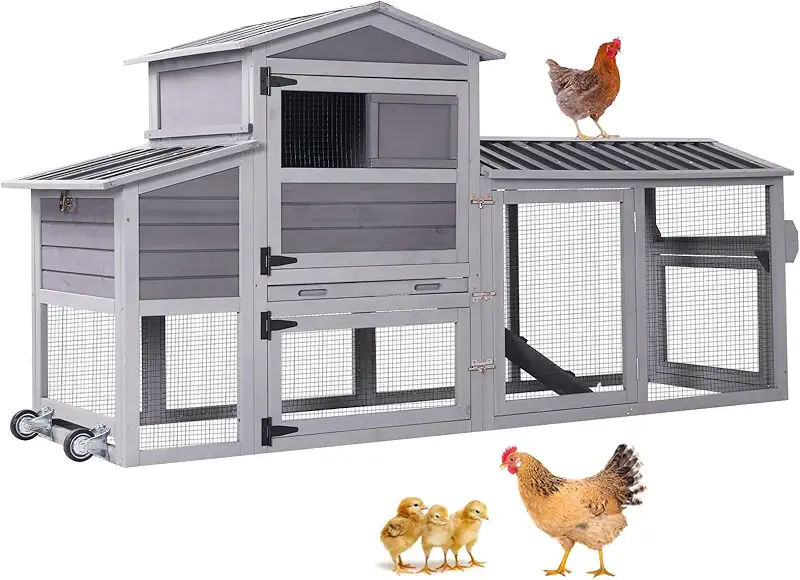
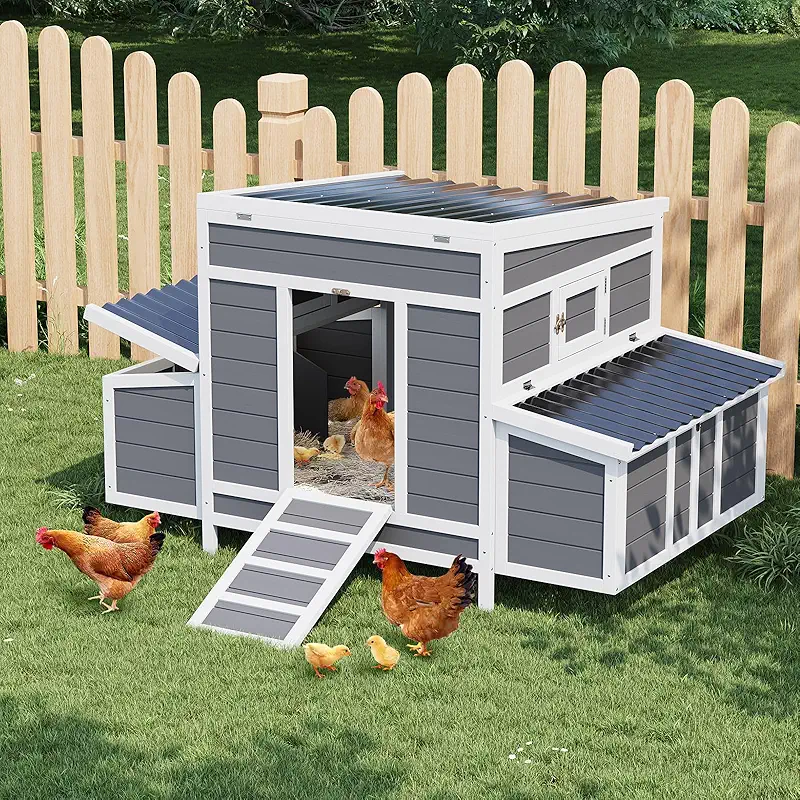
There are a lot of prefab options out there that count as cheap chicken coops to build, at least on the box. Some are decent if you know what to look for, and some are more like dollhouses pretending to be coops.
When you look at kits or plans, ask yourself:
- Is there enough space for the number of hens I want?
- Is the floor solid and raised off the ground?
- Does it use real hardware cloth where it counts?
- Can I easily reach in to clean and collect eggs?
A sturdy basic kit can save time, and you can still add your own touches: better latches, extra vents, or a bigger outside run. That’s often where I point folks who don’t have a truck full of tools or a weekend to spend cutting lumber.
Frequently Asked Questions About Cheap Chicken Coops To Build
How cheap is “too cheap” for a chicken coop?
If the coop walls feel flimsy, the roof sags when you lean on it, or the wire is thin enough to bend with two fingers, it’s too cheap. A coop should feel like a small shed, not a cardboard box. I’d rather add a few dollars in lumber and sleep better at night.
Can I build a coop mostly from pallets?
You can use pallets for parts of the coop, especially for accent walls, doors, or flooring. I don’t trust them as the only structural support, because the wood quality is all over the place. Use proper posts and framing, then fill in with pallet wood where it makes sense.
Do I really need hardware cloth if I’m on a tight budget?
I’d say yes, at least around the first couple feet from the ground and on all windows and vents. You can use cheaper wire higher up where animals can’t reach, but hardware cloth is non‑negotiable where predators will test it.
What’s the minimum size for a small backyard coop?
For three or four laying hens, look for at least 12–16 square feet inside the coop and 30–40 square feet in the run. That might sound like a lot, but crowded birds are loud, stressed, and more likely to peck each other. Give them a little breathing room and everyone’s happier.
Is it better to build my own coop or start with a kit?
If you’re handy with tools and enjoy projects, building from scratch can save money and give you a stronger coop. If you don’t own many tools or don’t have spare time, a solid, simple kit can be a good starting point. You can still reinforce and customize it as you go.