
Cheap Diy Chicken Coop
cheap diy chicken coop ideas from an old U.S. farmer who has fixed more busted doors and leaky roofs than he’d like to admit. Stretch your dollars, keep your hens happy, and still sleep at night when the wind kicks up.
I’ve been raising laying hens in the States for over three decades, on years when corn was cheap and years when every feed bag felt like a mortgage payment. A cheap diy chicken coop has saved my hide more than once, but I also learned the hard way that “cheap” can turn into “expensive” if you cut the wrong corners.
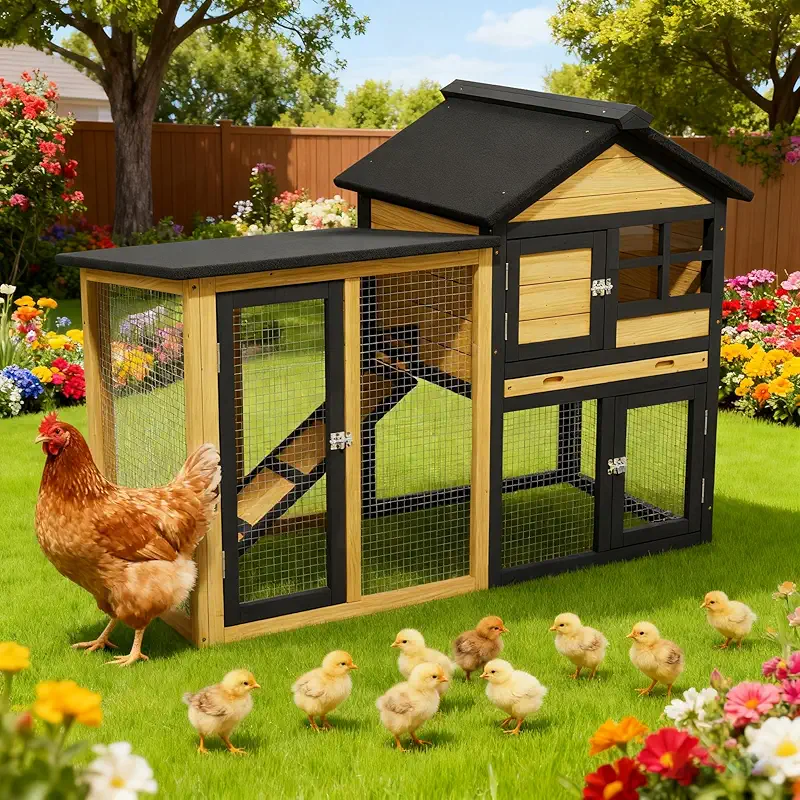
When folks ask me how to put up a coop on a tight budget, I tell them this: spend your money where the chickens actually live. Not on fancy trim, not on cute paint, but on a solid floor, tight roof, and hardware that doesn’t pop loose in the first good storm. Fancy doesn’t lay eggs. Comfortable hens do.
In this guide I’ll walk you through how I think about building a thrifty coop, mixing simple do‑it‑yourself tricks with ready-made options you can bring in when time or tools are short. We’ll cover what you can safely skimp on, what you should never skimp on, and how to keep your birds laying strong without draining your wallet.
- Keep build costs low and honest
- Protect hens from cold, heat, and predators
- Use simple tools most folks already own
- Make cleaning quick so you actually do it
- Leave room to add more hens later (you will)
Short on time or tools?
I love a good weekend build, but I also know life has chores stacked to the barn rafters. When my back or my schedule says “no more,” I look at simple coop kits and then tweak them for my hens.
What A “Good Enough” Cheap Diy Chicken Coop Really Needs
A lot of pictures online look pretty, but chickens don’t care if their house matches your shutters. They care about staying dry, out of the wind, and out of reach of teeth and claws. When I size up any coop, homemade or store-bought, I walk through four basics.
1. Space that actually works
Figure on about 3–4 square feet per hen inside the coop and at least 8–10 square feet per bird in the run. I’ve squeezed birds tighter in emergencies, but close quarters lead to pecking, stress, and fewer eggs. Hens like elbow room every bit as much as we do.
2. Dry floor, tight roof
Wet litter is the enemy. It stinks, grows bacteria, and ruins feet. I’ve used pallets, scrap plywood, even old decking boards, but I always make sure that floor is off the ground and the roof doesn’t drip. You can be cheap without being soggy.
3. Real ventilation, not drafts
Chickens breathe out a lot of moisture. Without air flow, you get frostbite in winter and heat stress in summer. I cut vents high on the walls and cover them with sturdy wire. Air should move, but the wind shouldn’t whistle across their backs at night.
4. Predator‑proof, not wishful thinking
If you think nothing hunts chickens in your area, check your yard at 2 a.m. with a flashlight. Use strong wire, tight latches, and no big gaps. A cheap diy chicken coop can be solid if you choose the right spots to beef up.
Cheap Materials That Still Treat Your Hens Right
I’ve built coops out of new lumber, old barns, pallets, and once a broken ice‑fishing shanty. The trick is knowing which reclaimed pieces are safe and which ones are just asking for trouble.
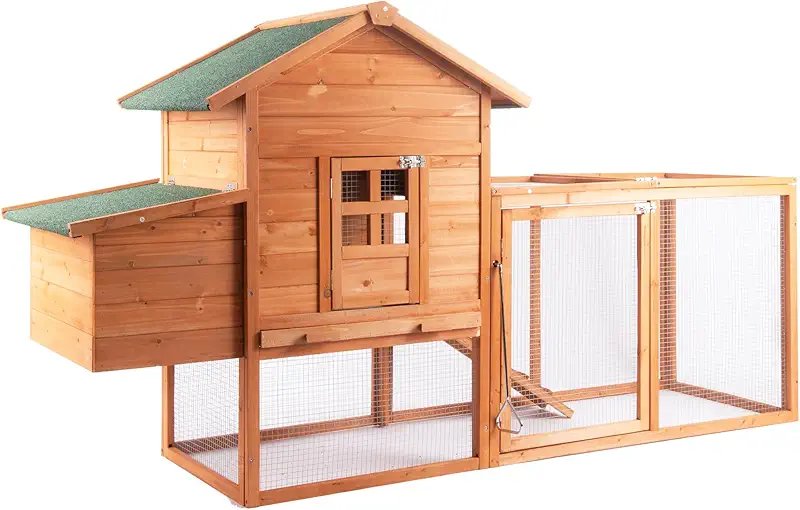
Wood: where to save, where not to
- Frame: I don’t mind using straight pallet boards or old 2x4s for the frame, as long as they are solid and not rotten. A coop doesn’t need to be furniture-grade, just sturdy.
- Floor: This is where I like fewer seams and stronger boards. Old tongue-and-groove or thick plywood works well. If the floor flexes when you walk on it, you’ll regret it when you’re shoveling frozen manure in January.
- Walls: Mixed boards, old siding, even cut‑down fence panels can all work. Just line the inside where there are big gaps, or your bedding will leak out and pests will move in.
Wire: never go cheap on the wrong stuff
I’ll be blunt: chicken wire keeps chickens in, but it does not keep hungry critters out. I lost a whole batch of young pullets in my early years because I thought a pretty web of chicken wire was enough.
- For the run and vents: I prefer hardware cloth (the tight, square mesh). It costs more, but a small roll goes a long way if you use it just on the weak spots: lower walls, vents, and around doors.
- For the cheap diy part: You can use less expensive fencing higher up where predators can’t reach as easily, and save the hardware cloth for the first 2–3 feet from the ground.
Roofing: whatever stops the drip
Some of my roofs are nothing more than leftover metal sheets, screwed down with rubber washers. Others are shingles rescued from a neighbor’s project. The main goal is slope and sealing the nail holes. Water runs downhill; help it get there without stopping on your chickens.
Simple Layout For A Cheap Diy Chicken Coop
I like to keep things simple: one dry sleeping area, a spot for laying, and an easy path in for me and a hard path in for predators. Here’s how I usually lay things out when I’m working with limited lumber and time.
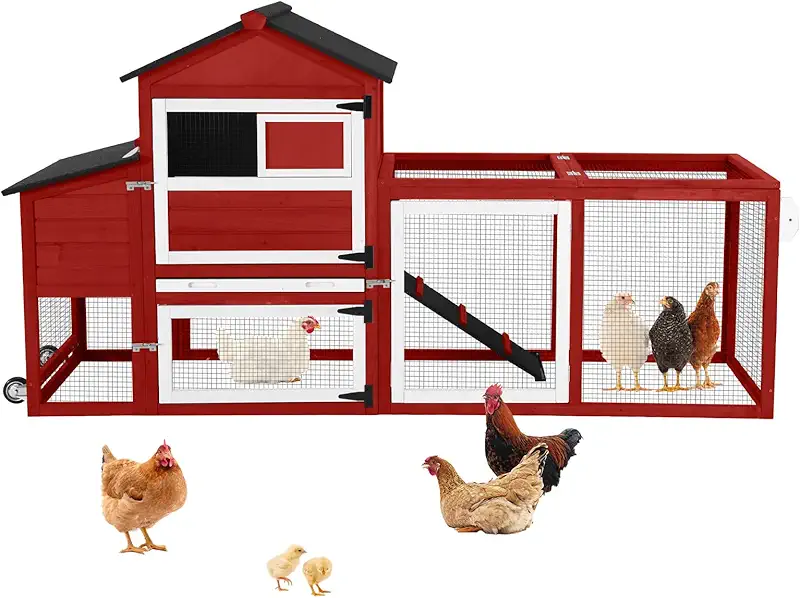
Roosts: the chicken bunk bed
- Use 2x2 or 2x4 boards with the wide side up; their feet like a flat spot.
- Keep roosts all at the same height so they don’t fight over the “penthouse suite.”
- Allow around 8–10 inches of roost space per hen, more if you can spare it.
I’ve used old broom handles and saplings in a pinch, but smooth boards are easier on their feet and easier to clean. I also like to put a removable board or tray under the roosts, so I can scrape droppings without crawling on my knees like a lost raccoon.
Nesting boxes: don’t overbuild them
Hens don’t need luxury condos to lay. For most backyard flocks, one nest for every three to four hens works fine. Old milk crates, sturdy buckets on their side, or simple wooden boxes do the job. They just want it:
- Quiet and a bit dim inside
- Dry, with clean straw or shavings
- Off the ground but lower than the roosts
Doors and access: future you will thank present you
I once built a coop that looked great but had a tiny people door. First time I tried to drag out a full wheelbarrow of bedding, I said words the chickens should not have heard. So now I make sure:
- There’s a wide, easy-access door just for me and my tools.
- The chicken pop door can be locked tight at night.
- Hinges and latches are heavy-duty, not the cheapest thing I can find in the bin.
Keeping A Cheap Coop Warm, Cool, And Clean
Building the coop is just the start. A cheap diy chicken coop is only a good deal if it stays healthy and livable for your hens. I’ve seen plenty of beautiful coops turn into smelly messes because folks didn’t plan for real‑world chores.
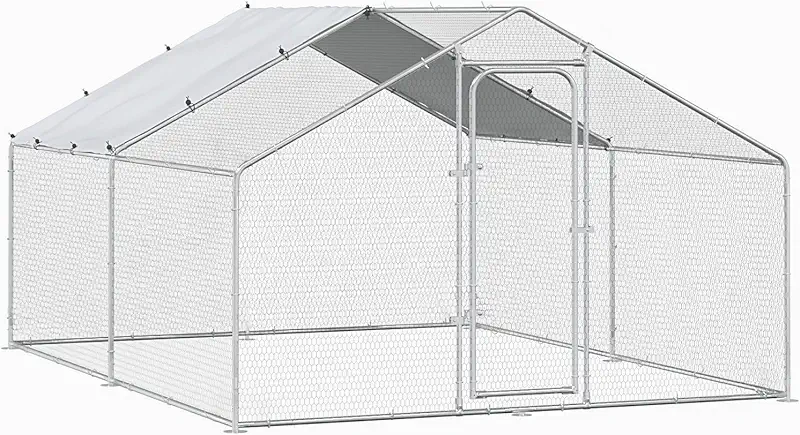
Ventilation: the invisible lifesaver
Chickens can handle cold better than damp cold. I keep vents high under the eaves so warm, moist air can escape without freezing the birds on the roosts. In summer I’ll prop doors and windows open with screened wire to catch any breeze we’re lucky enough to get.
Bedding that saves time and money
I’ve tried just about everything in the coop. Here’s what I come back to:
- Pine shavings: My go‑to. Not the absolute cheapest, but they absorb well and smell decent.
- Straw: Works if you fluff it often, but it can mat down and mold if you ignore it.
- Deep litter method: In cold climates, I like to let bedding build up, stirring it now and then and adding fresh on top. It saves work and keeps the floor warmer, as long as your coop is dry and well vented.
Winter and summer tweaks for a budget coop
In winter, I focus on blocking drafts at bird level while keeping my upper vents open. I’ve tacked old feed sacks or cardboard on the windy side of the run more times than I can count. It’s not pretty, but it keeps the girls more comfortable.
In summer, shade is gold. A cheap tarp, a sheet of metal, or even a line of tall plants can keep the coop cooler. I also move waterers into the shade and sometimes toss frozen water bottles into the drinkers on the hottest afternoons. The hens look at me funny, but they drink it.
Adding A Run To Your Cheap Diy Chicken Coop
In my book, a coop without a run is half a home. Even if you plan to free‑range, there will be days when predators are active, or the garden needs protection, and you’ll be glad you have a sturdy run.
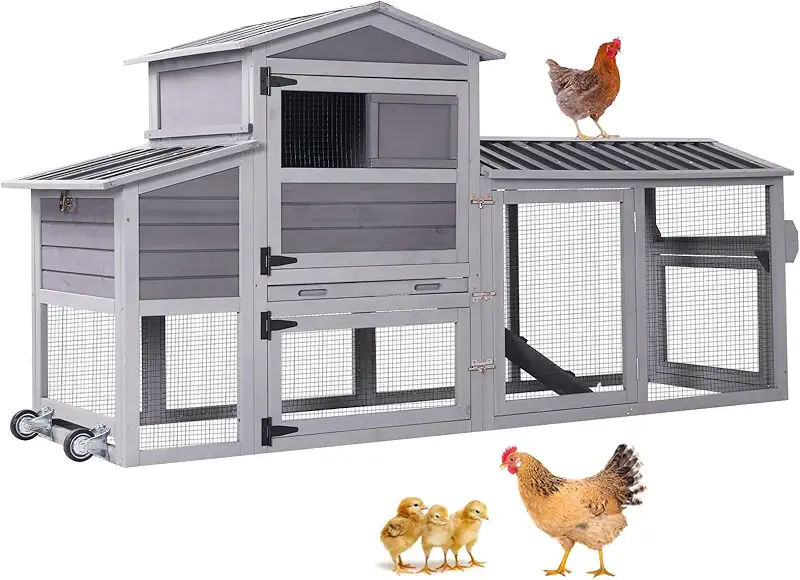
Budget‑friendly run ideas
- Use T‑posts or solid wooden posts at the corners, then cheaper stakes in between.
- Run welded wire or fencing along the sides, then hardware cloth on the bottom 2 feet to stop reach‑through attacks.
- Roof part of the run with metal, tarp, or even old clear panels to give dry ground during storms.
I like to run a wire “apron” on the ground around the outside of the run—just 12–18 inches of fencing laid flat and pinned down. Digging predators hit that and usually give up. It’s a cheap way to save a lot of heartache.
When A Kit Makes Sense For A Cheap Diy Chicken Coop
Now, I enjoy the smell of sawdust and the excuse to hide in the barn for a Saturday, but not everyone does. And even I have bought a ready‑made coop or two when a batch of chicks grew faster than my free time.
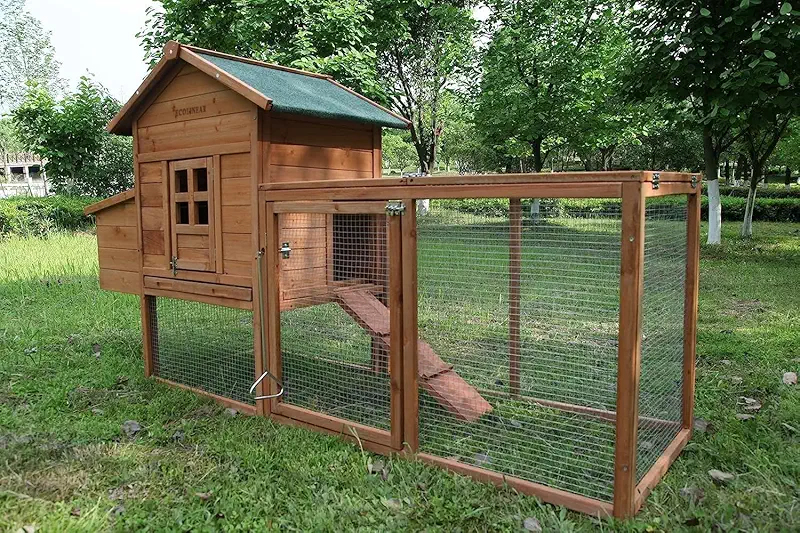
For a lot of folks, the most realistic “cheap diy chicken coop” is a small, simple kit that you set up in an afternoon and then upgrade with a few smarter touches:
- Add extra latches or a lock where predators might push or pry.
- Reinforce lower panels and vents with hardware cloth.
- Raise the coop a bit higher off the ground and build a better ramp.
- Extend the run using fence posts and simple wire fencing.
Think of a kit as the frame of a house and your tweaks as the finishing work. It doesn’t have to be fancy; it just needs to work well for your birds and your chores.
Looking over simple coop kits?
When neighbors ask me where to start, I tell them to skim through a few affordable coops, picture them in their own yard, and imagine cleaning them on a cold Saturday morning. If that picture doesn’t make you groan, you’re on the right track.
Daily Care Tips For Happy Laying Hens
A cheap diy chicken coop is only half the story. Your hens still need the basics every single day. The good news is, chickens are simple creatures. If you meet their needs, they’ll pay the rent in eggs and entertainment.
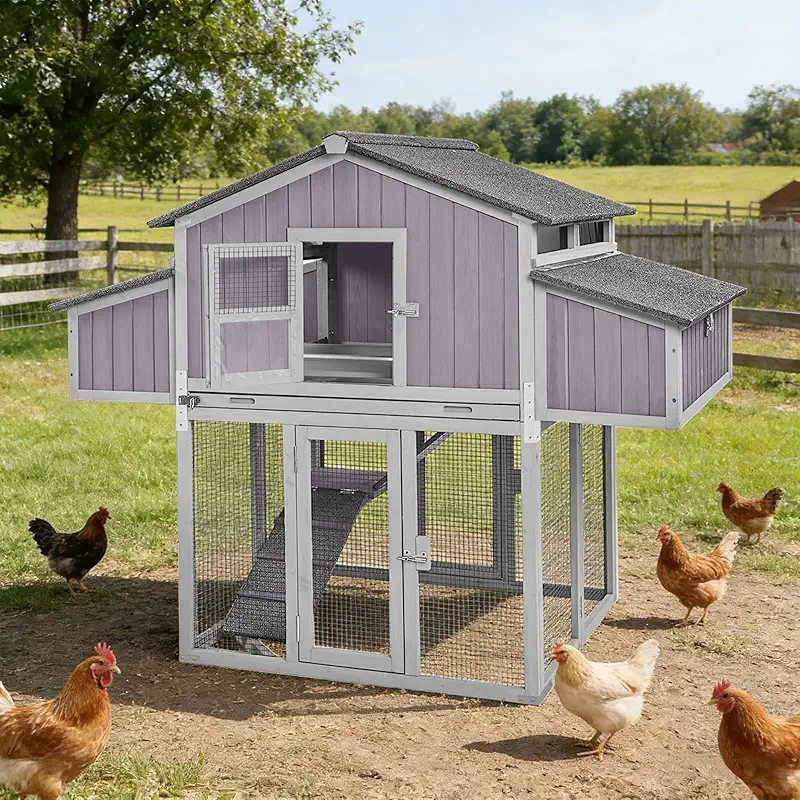
Feed and water: do the simple things well
- Keep fresh water out at all times. Dirty water is a quick way to sick birds.
- Use a balanced layer feed once they reach laying age; kitchen scraps are treats, not the main course.
- Offer oyster shell on the side so they can balance their own calcium intake.
Cleanups that don’t eat your whole weekend
I plan my coop so I can do most cleaning standing up with a shovel and a brush, not crawling around like I lost my keys. A few minutes a day, with a deeper clean now and then, keeps smells down and hens healthy:
- Quick scrape under the roosts every day or two.
- Top up nesting material weekly and toss any broken eggs right away.
- Rake and refresh the run when the ground gets too muddy or packed.
Common Mistakes I See With Cheap Diy Coops
After years of neighbors bringing me pictures of their coops and saying “What do you think?”, I’ve noticed the same mistakes over and over. They’re easy to avoid if you know to look for them.
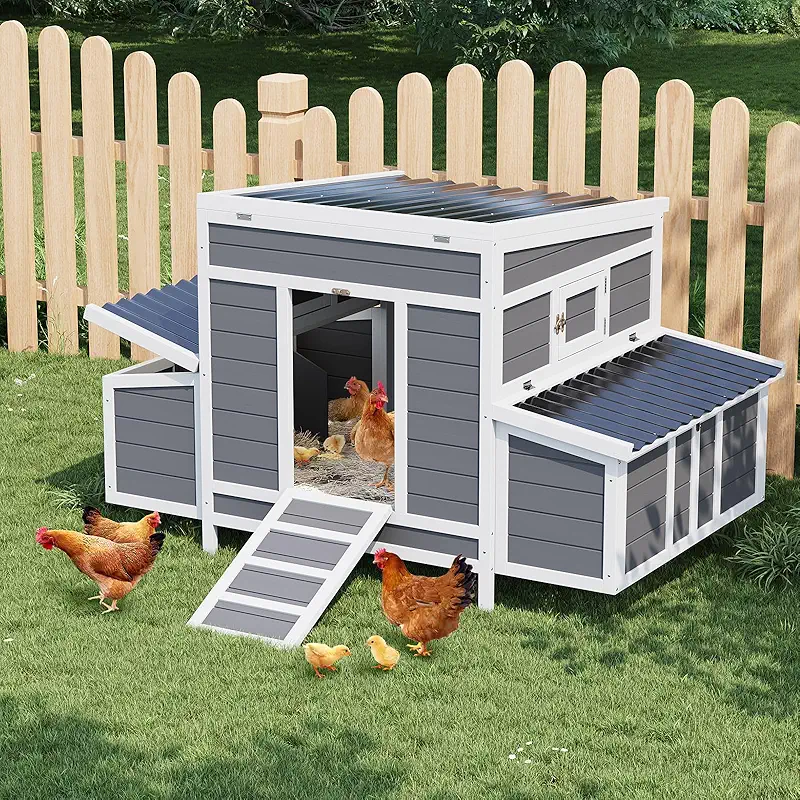
- Too small from day one: Chicks grow faster than you think. Build or choose a coop for the flock you’ll have in a year, not just what you brought home this week.
- No plan for mud: Low spots turn into soup. I like to pick a slightly raised site and use gravel, wood chips, or sand to keep feet dry.
- Pretty but flimsy doors: Thin little doors with weak hinges are the first place predators test. Go stronger than you think you need.
- Not enough ventilation: Folks are so afraid of drafts they build airtight coops. Damp air will hurt your flock more than a bit of cold.
- No budget for upgrades: It’s smart to set aside a little money for better wire, extra locks, or weatherproofing. Those small upgrades often matter more than the original lumber bill.
If you avoid these, your “cheap” coop will feel a lot more like a smart, sturdy coop that just happened to cost less.
FAQ About Building A Cheap Diy Chicken Coop
How many hens can I keep in a small cheap diy chicken coop?
For a truly small coop, I like to start with 4–6 hens. Aim for 3–4 square feet of indoor space per bird and plenty of run area outside. Yes, you can squeeze more in, but cramped birds get noisy, bossy, and stressed, and that usually means fewer eggs and more pecking. If you’re unsure, plan for fewer birds and leave room to add on later.
Can I really build a safe coop from scrap wood?
Yes, as long as the wood is sound and you pay attention to the details that matter: how strong the frame is, how well the doors close, and what wire you use in the weak spots. I’ve built coops from pallets and leftover boards that outlasted some store‑bought units. Just skip rotten, moldy, or treated lumber where birds will peck or roost, and make sure your roof and floor don’t flex or leak.
How do I keep predators out of a budget coop?
Think like a hungry raccoon. They push, pull, dig, and look for soft spots. Use real latches, not just hook‑and‑eye closures. Put hardware cloth over lower walls, vents, and windows. Add a wire apron on the ground around the run to stop digging. I also like to lock the pop door at night so nothing can slip in while the hens are half asleep on the roosts.
Do I need electricity in my cheap diy chicken coop?
You don’t need it, but it can make life easier in cold areas. A simple light on a timer helps with chores and can keep egg production steadier through short winter days. Heated waterers can save you from busting ice every morning. That said, plenty of folks (me included, for many years) run coops with no power at all—just be ready to haul fresh water more often and collect eggs before they freeze.
Should I build from scratch or start with a kit?
It depends on your tools, time, and patience. If you’ve got basic tools and enjoy building, a scratch‑built cheap diy chicken coop lets you size everything exactly how you want and often saves money. If your schedule is tight or carpentry isn’t your idea of a good weekend, a simple kit can get you started fast. Many people grab a basic coop, then reinforce and expand it over time as they learn what works in their yard.
However you go about your cheap diy chicken coop—hammer in hand or with a box on the porch—remember the goal is the same: dry, safe birds and eggs you’re proud to gather. The hens don’t mind if you’re still learning. They’ll just be glad you showed up.