
Cheap chicken coops diy
cheap chicken coops diy
Spoken like an old farm neighbor who has rebuilt more coops than trucks, and kept hens laying through blizzards, heat waves, and tight budgets.
Stretch every dollar, still spoil your hensOut here on the farm, money doesn’t grow on trees — it mostly disappears into feed sacks and broken fence posts. So when folks tell me they want a solid chicken coop without emptying their wallet, I smile and say, “Pull up a bale, I’ve learned that lesson the hard way.”
cheap chicken coops diy isn’t about throwing birds into a wobbly shack and hoping for the best. It’s about using your head more than your wallet. Good design, smart scavenging, and knowing what actually matters for a laying hen. I’ve built coops from pallets, old playhouses, an abandoned dog kennel, and once from a half-collapsed shed my uncle swore was “still good.” (It wasn’t, but the hens loved it once we fixed it.)
If you’re dreaming of your own backyard egg factory and want to keep costs low but comfort high, you’re in the right spot. I’ll walk you through what I’ve learned over decades of raising hens, what you can do yourself, and when it actually makes sense to lean on ready-made gear.
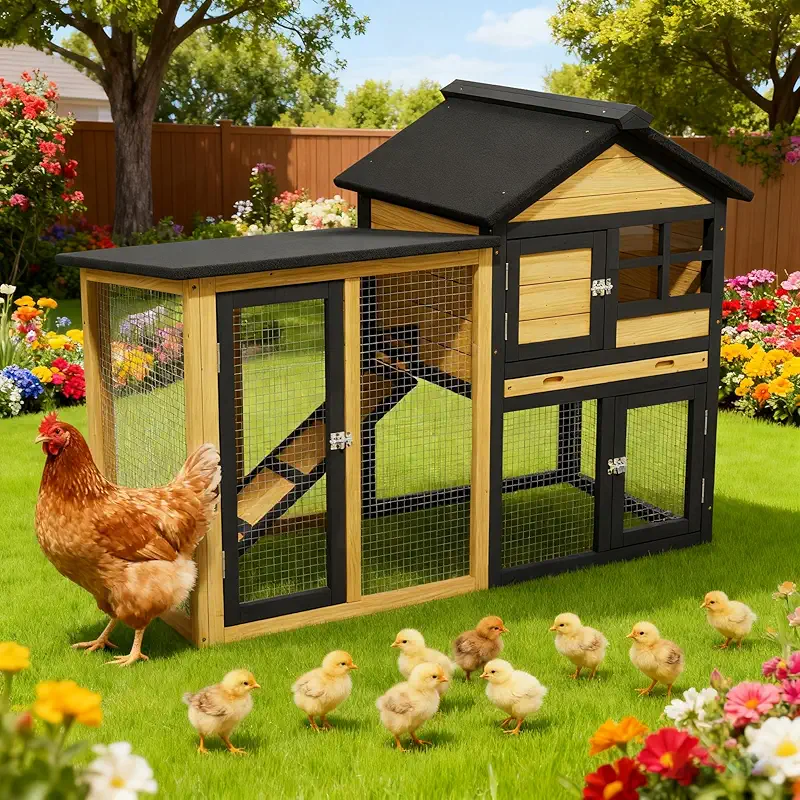
The real goal: safe, dry, and simple
Fancy trims don’t keep a hen alive. Dry bedding, fresh air, and safety from raccoons do. When you think cheap chicken coops diy, don’t start with what looks cute on a picture. Start with what a bird actually needs to stay healthy and lay well.
- Dry floor: If bedding stays dry under your boots, it’s dry enough for hens.
- No drafts on roosts: They can handle cold, but not wind whistling over their backs at night.
- Lots of ventilation: Moist air and ammonia do more damage than a January chill.
- Predator-tight: If a raccoon can reach through, it will.
Once those boxes are checked, everything else is just details and comfort, and that’s where we can get creative and thrifty.
Planning your DIY coop on a budget
Most folks overspend because they start with lumber instead of a plan. I like to grab a notebook, a coffee, and sketch before I touch a single board.
Step 1: Know how many hens you really want
This is where everyone lies to themselves. They say “just four hens” and end up with twelve and a rooster named Trouble. Plan for the flock you’ll probably have in a year, not the one you think you’ll stop at.
- Inside space: Aim for about 3–4 square feet per hen inside the coop.
- Run space: About 8–10 square feet per hen in the outside run is a nice minimum.
- Nesting boxes: One box for every 3–4 hens is plenty. They love to share anyway.
If you’re on the fence about size, build just a little bigger than you think you need. It’s cheaper than building a second coop when “just a few more chicks” follow you home.
Step 2: Walk your yard before you buy a board
Look for the best spot before you swing a hammer. A coop built in the wrong place will cost you more later in mud, smell, and trouble.
- Good drainage: Slightly raised ground is gold. Avoid low, soggy spots.
- Some shade: A bit of afternoon shade keeps hens calmer in summer.
- Close enough: Don’t put it so far that collecting eggs in winter feels like a trek through the Arctic.
- Wind direction: Face the pop door away from the worst winter winds in your area.
Cheap materials that still work hard
I’ve built enough coops to know where you can cut costs and where you shouldn’t. Think of it like building a barn on a budget: some parts can be secondhand, but the bones need to be trusted.
Where you can save big
Here’s where I’ve pinched pennies without making my hens angry with me:
- Pallet wood: Great for walls and trim if it’s not treated with nasty chemicals. Look for clean, dry pallets stamped HT (heat treated).
- Old sheds and playhouses: Framing is often still strong. I’ve turned a kid’s playhouse into a coop that laid eggs for eight years.
- Doors and windows: Salvaged house windows and interior doors can work fine if you add predator-proof screens.
- Roofing off-cuts: Metal or shingles leftover from someone’s roofing job can usually be found cheap or free.
Where you should not skimp
Predators are patient, hungry, and smarter than we give them credit for. If there’s a weak spot, they’ll find it while you’re asleep.
- Hardware cloth: Use 1/2” hardware cloth for windows, vents, and lower walls. Chicken wire keeps chickens in, but it does not keep predators out.
- Floor and frame: Rotting wood gets expensive fast. Start with decent lumber or pressure-treated where it touches the ground.
- Fasteners: Use real screws and exterior-grade nails. I’ve watched cheap staples pull loose in one storm.
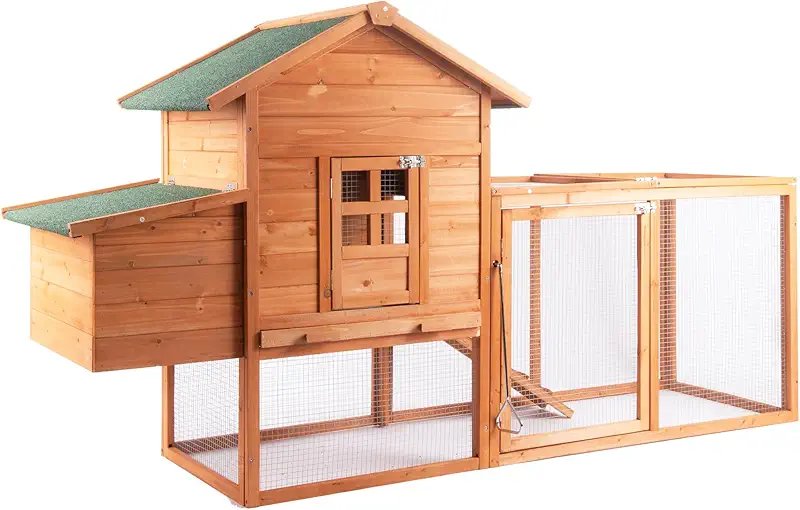
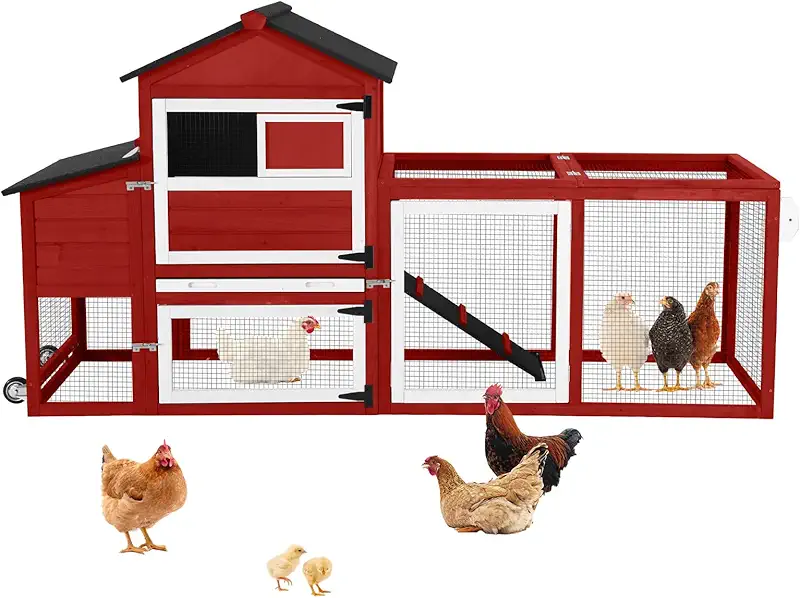
When I’m trying to keep costs low, I’ll often pair scavenged lumber with solid new hardware cloth and good screws. That mix keeps both the hens and my wallet pretty calm.
Simple DIY coop designs that won’t break the bank
You don’t need a degree in carpentry. If you can measure, cut mostly straight, and say “good enough” with a smile, you can build a coop.
The pallet wall coop
This is one I built for a batch of scruffy rescue hens. It wasn’t pretty, but they laid like champions.
- Base: Build a simple rectangle frame from 2x4s and raise it on concrete blocks to keep the floor dry.
- Floor: Use scrap plywood or tight pallet boards laid close together.
- Walls: Stand pallets upright as walls, then sheath the outside with any thin paneling or boards to stop drafts.
- Roof: A simple sloped roof with metal panels or shingles. Pitch it enough so snow or rain slides off.
Is it going to win beauty contests? No. Will the hens care? Also no. They’ll just be happy it’s dry and safe.
The converted shed coop
This is my favorite cheap chicken coops diy trick. A small used garden shed can save a week of framing work.
- Add a small pop door and ramp for the hens.
- Drill or cut high vents and cover them with hardware cloth.
- Build roosts along one wall and nest boxes along another.
- Use the human door for easy cleaning and egg collecting.
One summer my neighbor dragged over an ugly old metal shed on a trailer. We patched some holes, added a wooden floor and vents, and those hens thought they were living in a fancy condo.
My cheapest coop ever cost me a dozen donuts. I traded a box of fresh donuts to a guy at the lumber yard for a pile of warped boards and off-cuts. Took me a weekend, a lot of muttering, and a bent nail or two, but that crooked little coop held hens for six years. The boards weren’t straight, but the eggs sure were.
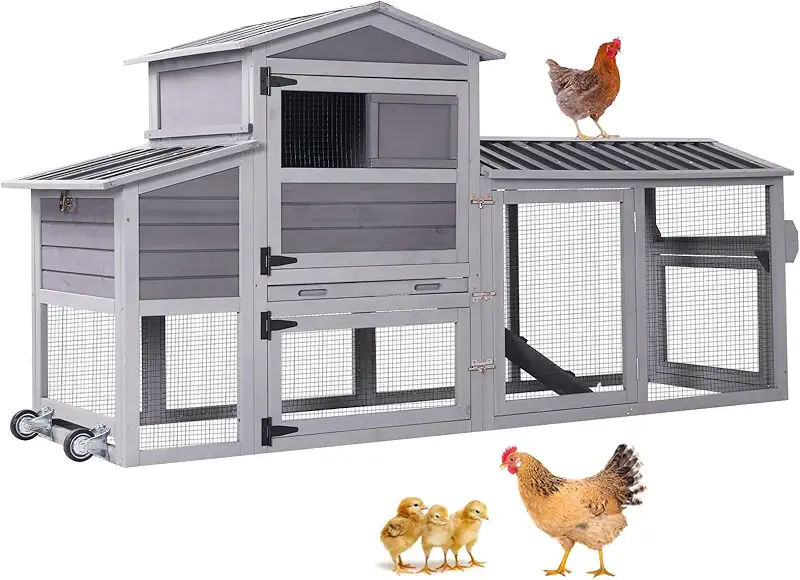
Keeping your layers happy in a budget coop
Hens don’t care what you paid. They care if they’re comfortable, safe, and have somewhere private to lay.
Roosts: where they sleep
I like simple wooden roosts, 2x3 or 2x4 with the wide side up in cold climates so they can cover their toes with feathers at night.
- Give each hen around 8–10 inches of roost space.
- Keep roosts higher than the nest boxes so they don’t sleep where they lay.
- Round off the edges a bit with a plane or sandpaper for comfort.
Nest boxes on the cheap
I’ve used milk crates, five-gallon buckets on their sides, old wooden drawers, and even a cut-up bookshelf for nests. The hens don’t rate the decor.
- Make the boxes about 12” x 12” x 12” as a good starting size.
- Keep them a little lower than the roosts.
- Fill with clean straw, shavings, or shredded cardboard in a pinch.
Just remember to keep them dim and cozy. Hens like a little privacy to lay, like they’re keeping a quiet secret.
Ventilation without freezing them
This scares new keepers. They think vents mean drafts and drafts mean frozen chickens. That’s not quite right.
Add vents up high, above roost level, and cover them with hardware cloth. Moist air and ammonia float up and out, but the birds down on the roosts stay tucked in and calm.
Walk into your coop in the morning and take a deep breath. If your eyes burn or it smells strong, you need more ventilation or drier bedding. Your nose will tell you faster than any textbook.
Predator-proofing on a shoestring budget
If you raise chickens long enough, you’ll learn two things: eggs are wonderful, and everything on four legs wants to eat your hens. That’s just how it is.
Basic predator defenses that don’t cost a fortune
- Hardware cloth skirt: Lay hardware cloth flat on the ground around the run, about 12–18 inches out, and pin it down. Animals try to dig at the base and hit metal.
- Lockable latches: Raccoons can open simple slide bolts. Use carabiners or latches that take two steps to open.
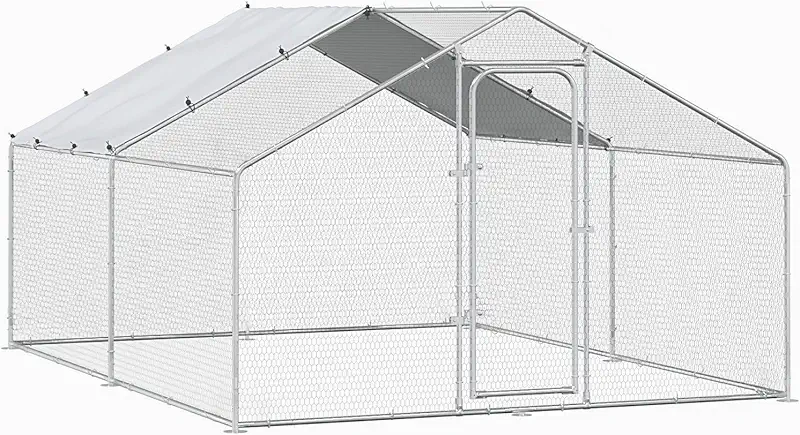
- Secure roof on the run: A covered run keeps out hawks and climbing predators, and it keeps snow and rain from turning everything into mud soup.
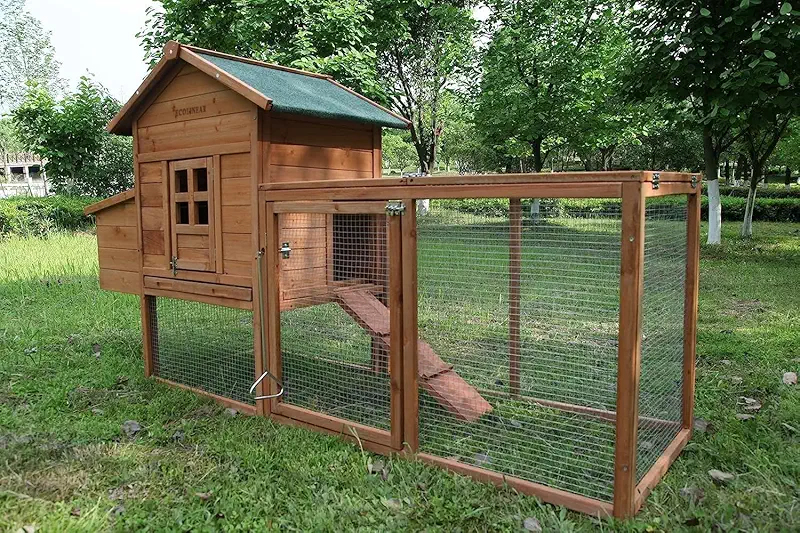
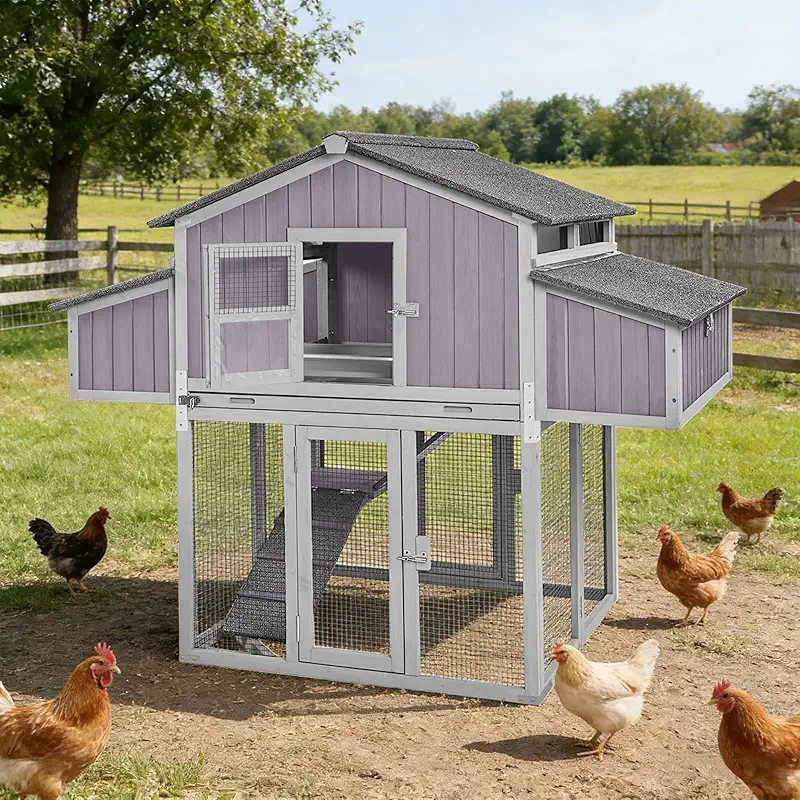
I once lost a whole batch of young birds to a raccoon that found a loose board I meant to fix “this weekend.” Now I walk my coops a couple times a month and look for any gaps bigger than a finger. If I can squeeze my hand in, I assume something hungry can too.
Balancing DIY with ready-made options
Now I’m a big fan of building things myself, but there’s no shame in getting help from something pre-built when time, tools, or energy run short.
Sometimes the thriftiest move isn’t starting from bare ground, but starting from something that’s already close to done and tweaking it. Think of it like buying a used truck instead of parts and welding your own frame.
When a ready-made coop or kit can actually save you money
- You don’t own many tools, and buying them would cost more than a simple coop kit.
- You’re short on time, and hens are arriving soon (chick fever hits fast).
- You find a sturdy small coop and plan to extend the run yourself with cheap materials.
What I like to do is pair my budget DIY mindset with gear that’s already thought through the basics, then adjust it to match my yard, climate, and flock. That way I’m not reinventing the wheel, just truing it up.
One year I promised my wife I’d build a new coop before the chicks outgrew the brooder. Harvest ran late, weather turned ugly, and the chicks grew faster than my carpentry. I ended up starting from a small premade coop and adding my own run and weather tweaks. Not my proudest carpenter story, but it kept the hens dry, and nobody slept in the garage with the chickens. That’s what I call a win.
FAQ about cheap chicken coops diy
That depends on what you can scrounge. I’ve built a safe small coop for under a hundred dollars using pallet wood, recycled roofing, and a used window, with the main cost being hardware cloth and screws. The trick is to save money on walls and trim, but pay for strong framing where needed and solid predator-proof mesh. If you’re patient and keep your eyes open for free materials, your wallet and your hens can both be happy.
Yes, if you build it right. Chickens handle cold better than damp, so focus on keeping them dry and out of drafts. Solid walls, deep bedding, vents up high to let moisture out, and dry roosts will carry them through most winters without fancy insulation. I’ve kept birds in simple wooden coops through many cold seasons. Just make sure there are no gaps at roost level where wind can blow right on them.
You can use chicken wire to keep chickens in, but not to keep predators out. I only use chicken wire higher up on runs or for temporary dividers. For anything at ground level, windows, or lower walls, I stick to 1/2” hardware cloth. I learned the hard way that raccoons and dogs can tear through chicken wire like wet paper if they’re hungry enough.
For backyard layers, I aim for around 3–4 square feet per hen inside the coop and 8–10 square feet per hen in the outside run. Can you squeeze them tighter? Sure, but cramped birds get stressed, noisy, and more likely to pick on each other. A little extra space makes for calmer hens and cleaner bedding, and that means better eggs and less trouble for you.
A converted small shed or a simple box-style coop with a sloped roof is easiest. Straight walls, a single door, a few high vents, roosts, and nest boxes — that’s really all you need. Don’t start with fancy designs and curves. Start with a basic rectangle you can frame in a weekend, then improve it over time as you and your hens settle into a routine.
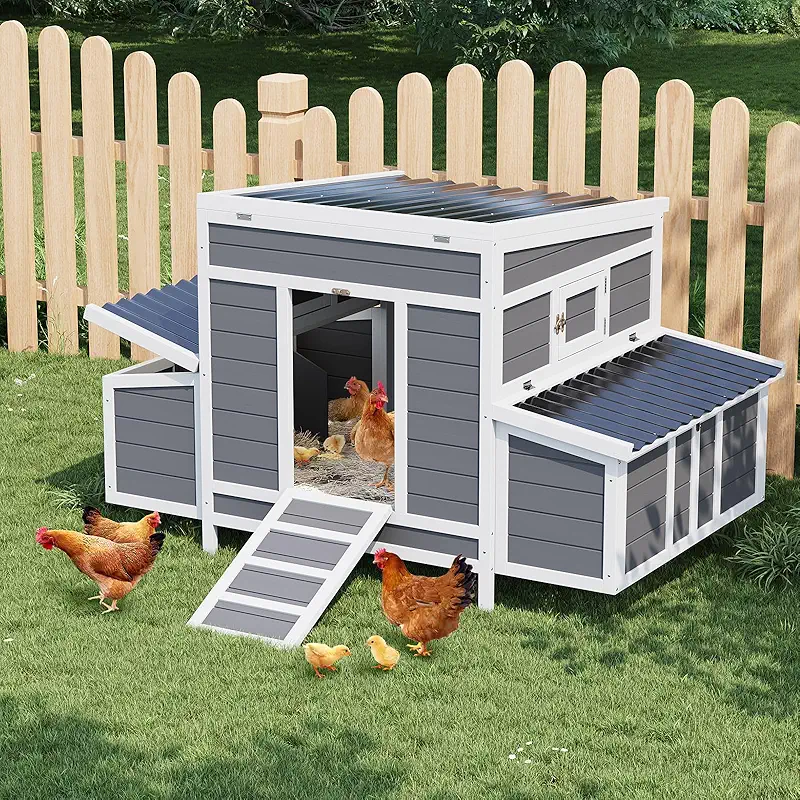
When you’re ready to match your notebook sketches with real-world options, it helps to look over different coop styles and sizes side by side. Find the ones that fit your yard, your hens, and your budget, then borrow ideas or build from there.
Show me all coops