
Cheap Hen Houses
cheap hen houses
I’ve raised laying hens for decades out here in the States, through tight years and good ones. Let me show you how to save money on a hen house without short‑changing your birds or your peace of mind.
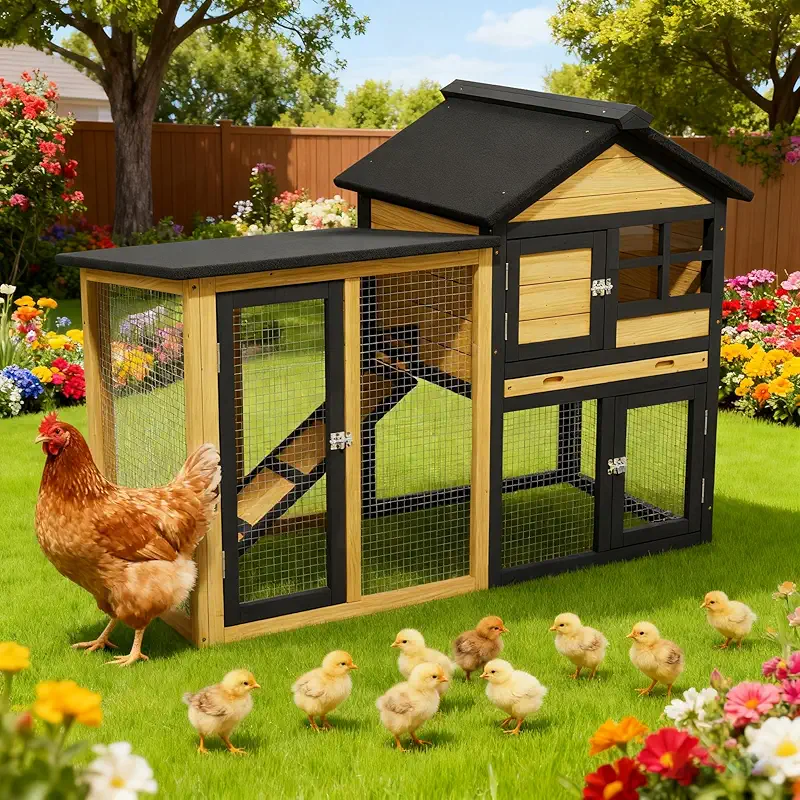
One of many simple cheap hen houses styles that can still keep hens happy and laying.
What “Cheap Hen Houses” Really Means On A Farm
When I say cheap hen houses, I don’t mean flimsy, crooked boxes that blow over in the first good wind. Out here, “cheap” means smart: simple builds, no fancy extras, and every board doing its job. The hens don’t care about pretty. They care about dry, safe, and calm.
I’ve had years where lumber prices shot up so high my wallet squeaked. Instead of giving up on more layers, I got stubborn and creative. I reused old barn boards, cut pallets down, and combined a used dog kennel with scrap roofing. Guess what? Those hens laid just fine, and not one of them complained to the county.
A good cheap hen house, in my book, checks these boxes:
- Keeps birds dry in a hard, sideways rain.
- Blocks wind and drafts at roost level, but still lets air move.
- Has solid latches that a raccoon can’t sweet‑talk open.
- Gives each hen enough space so they don’t pick on each other.
- Lets you clean it without ending up sore, muddy, and mad.
You can get all that without spending the kind of money that belongs on a tractor. You just need to know where you can cut corners and where you absolutely cannot.
Key Parts Of A Cheap Hen House That Still Works
Over the years, I’ve built and bought more cheap hen houses than I care to count. Some ideas were winners, some were what we call “learning experiences.” Here’s what I watch like a hawk now whenever I’m putting together housing for layers on a budget.
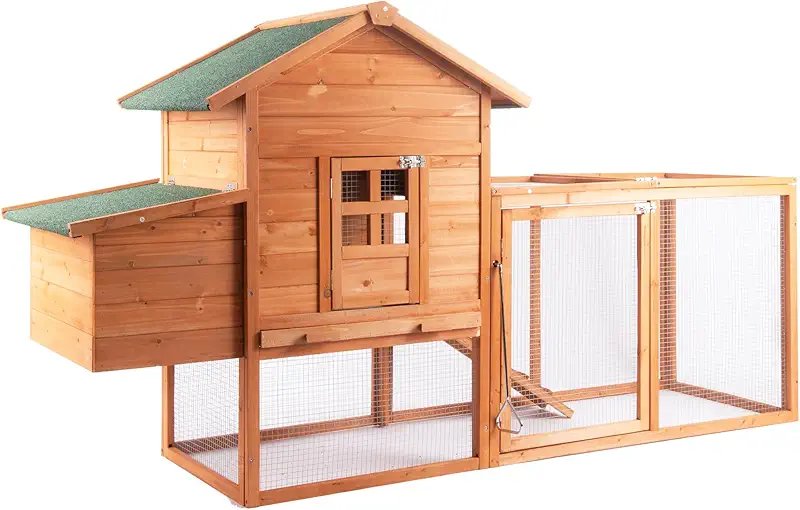
Simple framing and a tight roof can take a cheap hen house a very long way.
1. Roof And Rain Protection
I learned the hard way that a leaky roof turns a cheap hen house into an expensive vet bill. Chickens hate damp. Damp birds get sick, stop laying, and start costing you money.
If you have to splurge on one thing, let it be the roof and the way rain runs off. Old metal roofing, used tin, or basic shingles all beat tarps that flap and rip. Angle your roof so water runs away from the door and pop doors, not into them.
2. Predator‑Proof, Not Predator‑Friendly
Predators will test your cheap hen house like a teenager tests curfew. First week I put up a bargain coop years ago, a raccoon showed me exactly which latch was weak. I woke up to feathers and a lesson I never forgot.
Even on the cheap, you can:
- Use hardware cloth for openings, not chicken wire (raccoons rip chicken wire like tissue).
- Add carabiners or clips on doors and nest box lids.
- Sink a bit of wire skirt or boards at the base to slow down diggers.
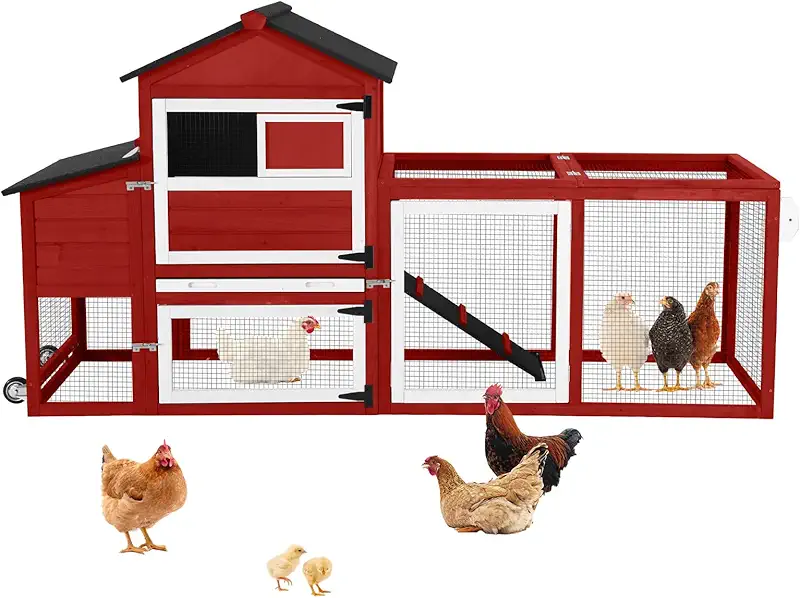
Wire done right: spend a little more here so your flock sleeps easy.
3. Ventilation Without Drafts
Picture eight little feathered heaters breathing and pooping all night in a tight box. That’s ammonia, damp litter, and respiratory trouble waiting its turn. A cheap hen house still needs smart air flow.
I put vents high up, above roost level, and cover them with sturdy wire. That way warm, moist air can escape, and cold wind doesn’t blow straight across the birds’ backs. In summer, I open things up more. In winter, I close them just enough to stop the worst drafts but never seal the coop like a jar.
If you see frost on combs, don’t blame the temperature first. Blame moisture. Add dry bedding, open a vent up high, and keep the air moving gently.
4. Floor, Bedding, And Your Back
I’ve had all kinds of floors: dirt, wood, pallets, even old truck beds. A cheap hen house doesn’t need fancy flooring, just something you can keep dry and scrape out.
Looks nice in photos when the coop is low and cute, but your back will disagree when it’s time to shovel. Give yourself a door big enough for a shovel, and if you can, stand up inside. I spent too many years crawling into tiny boxes designed by folks who never cleaned one.
How Many Hens Can A Cheap Hen House Hold?
Folks love to ask, “How many chickens can I fit in this little coop?” I always joke, “Depends. Do you like your chickens, or are you just running a feathered clown car?”
For laying hens, my comfortable rule of thumb:
- Inside coop: about 4 square feet per hen if they get outside time.
- Run space: 8–10 square feet per hen if they’re not free‑ranging much.
- Roost space: around 8–10 inches of perch per bird (more for bigger breeds).
Cheap hen houses often brag about big numbers. I saw one box once that claimed it held 10–12 hens. I wouldn’t have put more than 4 in there if I liked them at all.
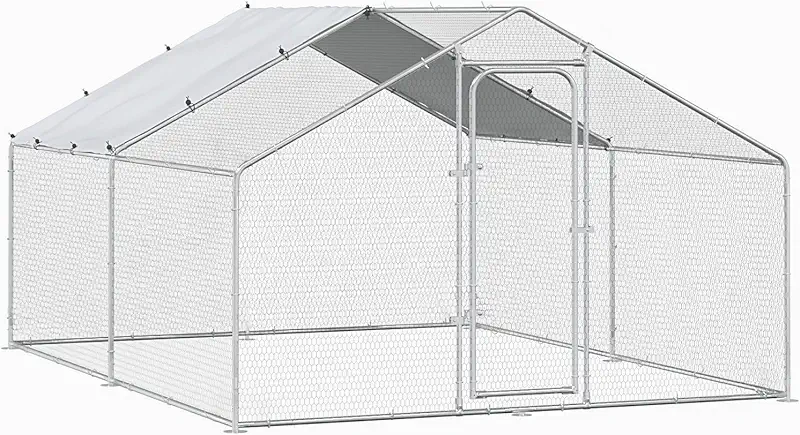
Always check the real space, not just the number printed on the box.
Overcrowding makes hens crabby. They peck, they pull feathers, and they stop laying well. I’d rather have fewer birds living easy than more birds living stressed. Eggs from calm hens taste better anyhow. Call it farmer superstition if you like.
My Favorite “Cheap But Not Junk” Hen House Ideas
Over the years, I’ve sorted cheap hen houses into three groups: the ones I built with scrap, the ones I bought pre‑made, and the ones I swore at until I rebuilt half of them.
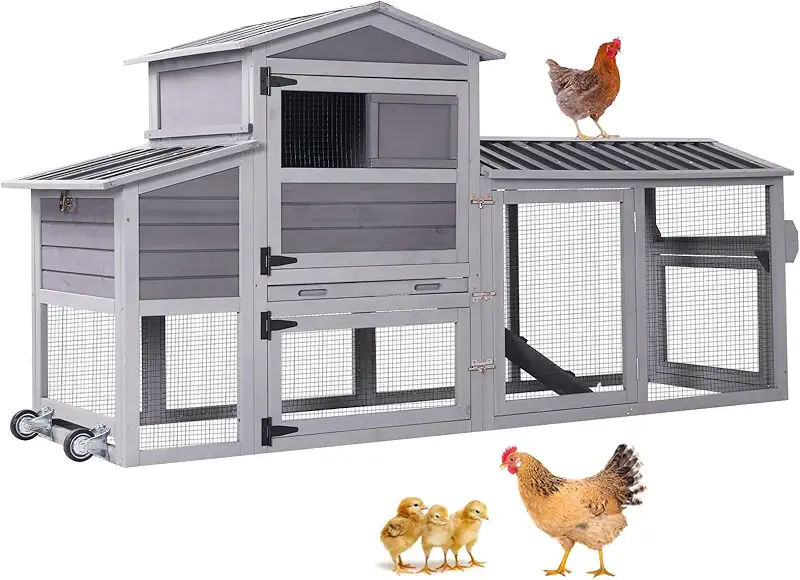
Portable cheap hen houses can be handy if you like to move birds around pasture.
1. Converted Sheds And Dog Houses
Some of my best cheap hen houses never started as chicken coops. An old lawnmower shed, a sturdy dog house, even a kid’s playhouse can become solid hen housing with:
- Added roosts made from 2x4s laid flat (warmer for their feet).
- Nest boxes along one side, not right under the roosts.
- Extra vents cut up high and covered with wire.
When you repurpose something, you’re paying mostly in sweat, not dollars. Just remember to shore up weak spots predators might use and mind the roof.
2. Basic Pre‑Made Cheap Hen Houses
I’m not above buying a pre‑made coop when time is tight and lumber is high. Some of the cheap hen houses you can get ready‑to‑assemble are decent starts if you go in knowing you’ll likely add a few boards and screws.
When I bring home a pre‑made cheap hen house, I usually:
- Add extra screws in key joints so it doesn’t wobble.
- Paint or seal the wood, especially any end grain.
- Upgrade any soft wire to stronger hardware cloth.
- Reinforce the floor and ramp if they feel springy.
A couple hours of reinforcing can turn a light, shaky coop into something that survives storms and seasons.
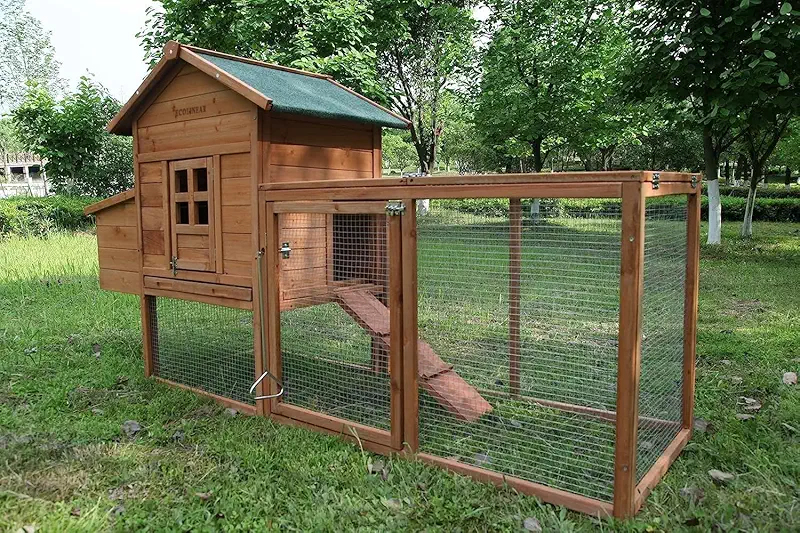
Many cheap hen houses are fine with a few smart upgrades in the right spots.
3. Mobile Tractors And Pasture Pens
Chicken tractors are one of my favorite cheap hen house styles when I want birds on fresh grass. Light frame, simple roof, wheels or skids, and a small sheltered corner for roosts and nests.
They don’t have to be fancy. The trick is balance: light enough to drag, heavy enough not to blow into the next county in a thunderstorm. I’ve chased more than one runaway coop; the neighbors enjoyed the show.
Day‑To‑Day Care In A Cheap Hen House
A cheap hen house needs the same care as a fancy one. The birds don’t know how much you spent, but they’ll tell you if they’re not comfortable.
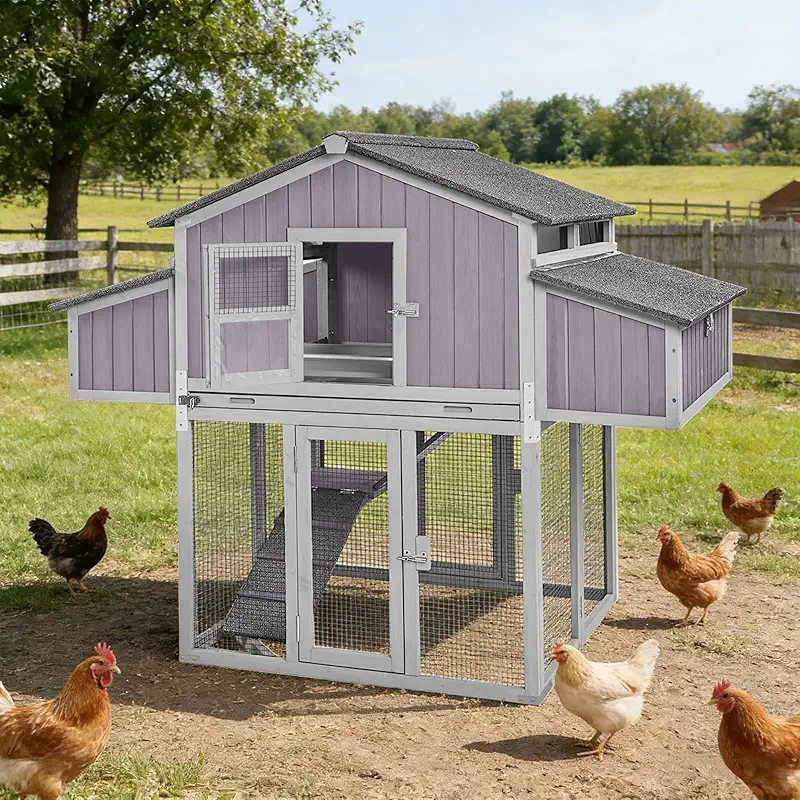
Good routines matter more than fancy trim when it comes to healthy layers.
Cleaning And Bedding
I like to keep it simple:
- Scrape droppings boards or the floor under roosts every few days.
- Add a thin layer of dry shavings or straw as needed, not mountains at once.
- Do a deeper clean when you notice smells or damp spots.
In smaller cheap hen houses, smells build up quicker because there isn’t as much air space. That just means you keep a closer eye on things and stay ahead of it.
Feeders, Waterers, And Rodents
Keep feed off the ground and as tidy as practical. Cheap hen houses with spilled feed and small cracks are just invitations for mice and rats. I like hanging feeders and waterers where the hens can reach but rodents have a harder time getting cozy.
Every evening when I close the coop, I swing my flashlight along the edges of the floor and corners. One minute of looking for chew marks or droppings has saved me a lot of headaches later.
Setting Up Cheap Hen Houses For Strong Egg Laying
You can’t make money on eggs if your birds are stressed, cold, wet, or hungry. Housing doesn’t have to cost much, but it does need to support steady laying.
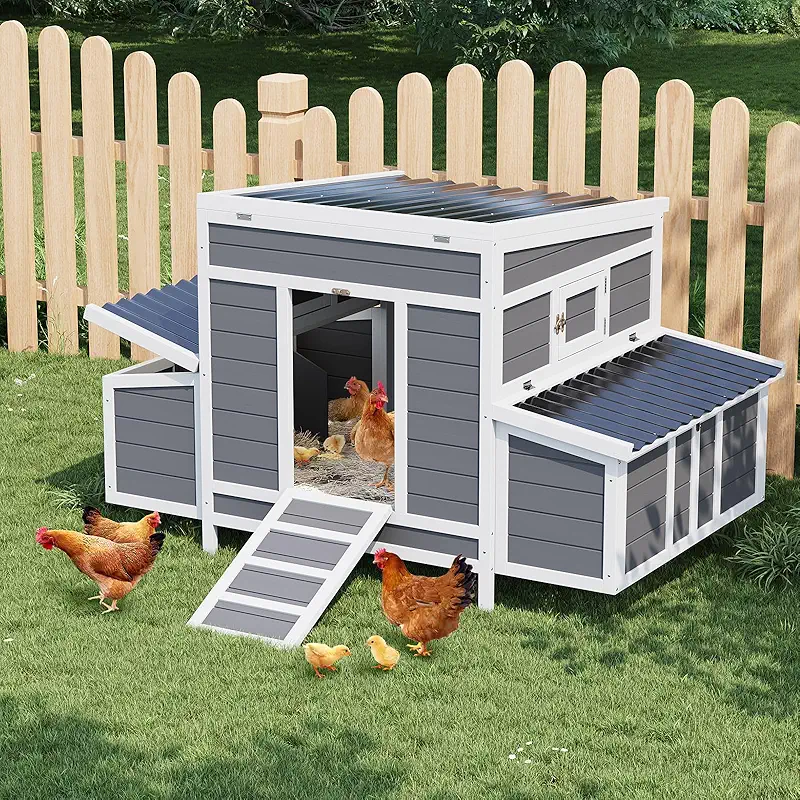
Quiet, shady nest boxes help hens feel safe and keep eggs where you can find them.
Nest Boxes That Hens Actually Use
For cheap hen houses, I often use buckets on their side, old crates, or simple wooden boxes. Hens aren’t picky, but they like:
- A little privacy and dimmer light.
- Clean, dry bedding under them.
- Not being right under the main roost (nobody likes droppings on their pillow).
I aim for about one nest box for every 3–4 hens. They’ll still argue over the same favorite box, but it gives them options.
Light, Quiet, And Routine
Cheap hen houses don’t need electric lights unless your winters are long and you want to keep egg production up. But they do need a steady rhythm: consistent closing time, regular feeding, and as little stress as possible.
I always say hens like life the way old farmers do—slow, predictable, and not too noisy.
Cheap Hen Houses – Common Questions I Hear
1. Are cheap hen houses safe in winter?
They can be, if you build or set them up right. Focus on keeping birds dry, blocking drafts at roost height, and giving enough ventilation up high. In very cold areas, I pile extra bedding and make sure water doesn’t freeze solid. I’d rather add a windbreak outside than wrap the whole coop like a plastic sandwich.
2. How long will a cheap hen house last?
I’ve had bargain coops fall apart in one season, and I’ve had simple cheap hen houses last close to ten years. The difference was how they were protected. If you seal the wood, keep the roof solid, and fix little problems early, you’ll get several good years out of most budget setups.
3. Can I really raise laying hens in a tiny backyard coop?
Sure, as long as you’re honest about flock size and your time. A small cheap hen house can be perfect for 3–4 hens in a suburban backyard, especially if they get some run space or supervised free ranging. Just don’t fall for pictures that hide how small the inside really is.
4. What’s the biggest mistake people make with cheap hen houses?
Easy: trusting the “hen capacity” printed on the box. Second biggest is underestimating predators. If something on the coop looks flimsy to you, a raccoon sees it as a welcome sign. Always think, “Could I pull this open with one hand?” If yes, a raccoon probably can too.
5. How do I know if my cheap hen house setup is working?
Your hens will tell you. If they’re laying steadily, moving calmly, combs are bright, and you don’t smell strong ammonia when you open the door, you’re doing fine. If they’re noisy at night, piling in corners, or showing bald spots from pecking, it’s time to tweak space, ventilation, or routine.
Browse different cheap hen houses and pick what fits your flock, your yard, and your budget.