
prefab chicken coops
I’ve raised hens through blizzards, heat waves, and everything in between. Prefab chicken coops have saved my back, my time, and more than a few birds. Let me walk you through what actually works out here in the real dirt.
Prefab Chicken Coops
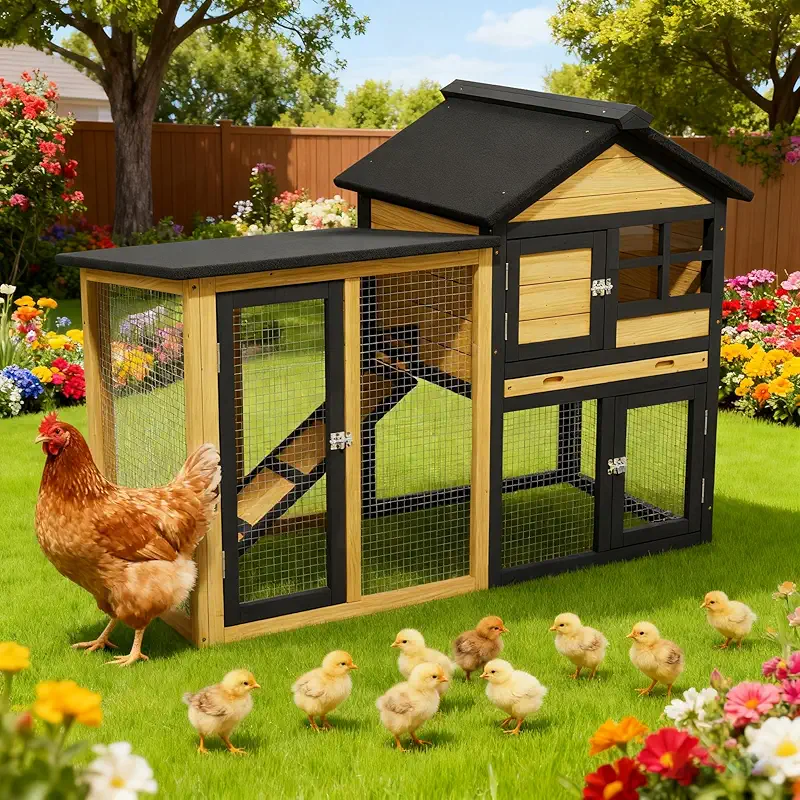
I’m a farmer from the Midwest, and I’ve been chasing loose hens and gathering eggs since before my boots fit right. Over the years I’ve built coops from scrap wood, old pallets, even one sad-looking shed that leaned like it had a bad back. Then I finally gave in and tried prefab chicken coops. I’ll be honest: I expected junk. I was wrong.
If you’ve got a backyard, a few birds, and a life that doesn’t run on farm time, prefab chicken coops can be a blessing. They show up ready to put together, they’re designed for everyday folks, and they solve a lot of the small headaches that used to eat my evenings. Are they all perfect? No. But some are mighty close if you know what to look for.
Why Prefab Chicken Coops Make Sense For Busy Folks
When I built my first coop from scratch, it took weekends, four extra trips to the hardware store, and more cuss words than I like to admit. The hens didn’t mind, but my back sure did. With prefab chicken coops, you skip most of that nonsense.
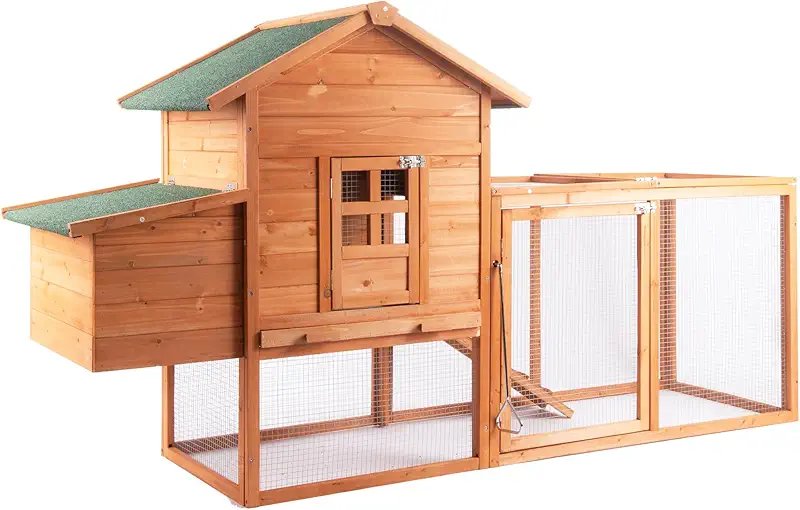
Here’s why prefab works well for a lot of folks:
- Less time building, more time learning your birds.
- Designed with beginners in mind, so doors, nest boxes, and ramps usually make sense.
- Predictable size and layout – you know right away how many hens you can keep.
- Easier to move or upgrade if you decide chickens are your thing (fair warning: they’re addictive).
I like to say prefab coops are like training wheels for new chicken keepers. They help you get rolling without falling flat on your face the first week.
How Many Chickens Can A Prefab Coop Really Hold?
Coop boxes love big numbers. They’ll say “up to 6–8 chickens” and then you see the thing and think, “Maybe 3… and a small duck.” Let me give you the farmer math instead of the marketing math.
For laying hens, I like to use:
- Inside coop space: at least 4 square feet per bird.
- Run space: 8–10 square feet per bird if they’re not free-ranging.
- Roosts: about 8–10 inches of roost bar per hen.
- Nest boxes: 1 box for every 3–4 hens.
So if you want 4 hens, aim for a prefab chicken coop advertised for 6–8 chickens. That “extra” room makes life calmer for the birds and cleaner for you.
Key Features To Look For In Prefab Chicken Coops
Not all prefab coops are created equal. Some are pretty on the website and sad in the rain. Here’s what I check before I trust a coop with my girls.
1. Solid Wood And Strong Hardware
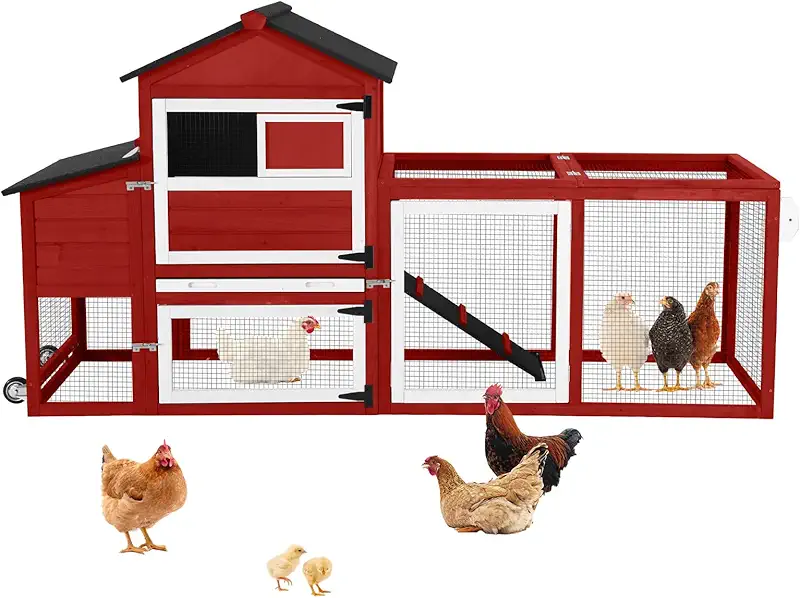
You want real wood that doesn’t feel like a cereal box, and hardware that doesn’t twist when you tighten it. If you gently shake the coop after assembly and it wobbles like a drunk rooster, that’s not a good sign.
- Panels that feel sturdy and not flimsy.
- Hinges and latches made of metal, not cheap plastic.
- Screws, not just tiny nails that back out after the first winter.
2. Real Predator Protection
Out here, everything thinks chickens are a snack. Raccoons, foxes, hawks, even the neighbor’s dog who “never does that.” Good prefab chicken coops must slow them all down.
- Locks you can clip or carabiner, not little sliding latches raccoons can open.
- Wire that’s hardware cloth, not thin chicken wire. Chicken wire keeps chickens in, not predators out.
- Doors that close tight with no big gaps around the frame.
3. Ventilation Without Drafts
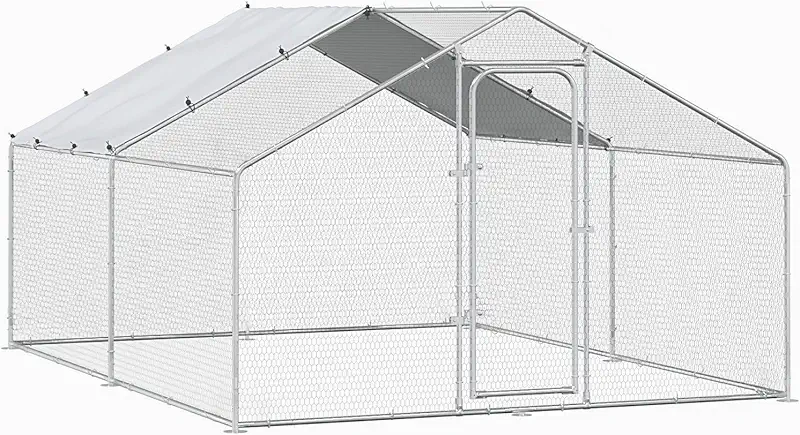
Chickens handle cold better than damp. The biggest killer isn’t cold air, it’s wet, stale air. Your prefab coop should have vents up high so warm, moist air can escape while the hens stay out of direct wind.
- Look for vents or windows near the top of the walls.
- They should be covered with hardware cloth, not wide open.
- Doors and windows that can be cracked open a bit in summer.
4. Easy Cleaning And Egg Collecting
A coop that’s hard to clean will stay dirty, and a dirty coop turns into sick birds. I like prefab chicken coops that let me get in, scoop out bedding, and grab eggs without crawling on my knees like a lost groundhog.
- Big access doors to the main coop area.
- Nest boxes that open from the outside with a simple lid.
- Removable trays or floors you can pull out and dump.
My Favorite Styles Of Prefab Chicken Coops
I’ve tried a few different styles over the years. What works best depends on your yard, your weather, and how often you’re home.
A-Frame And Tractor Style Coops
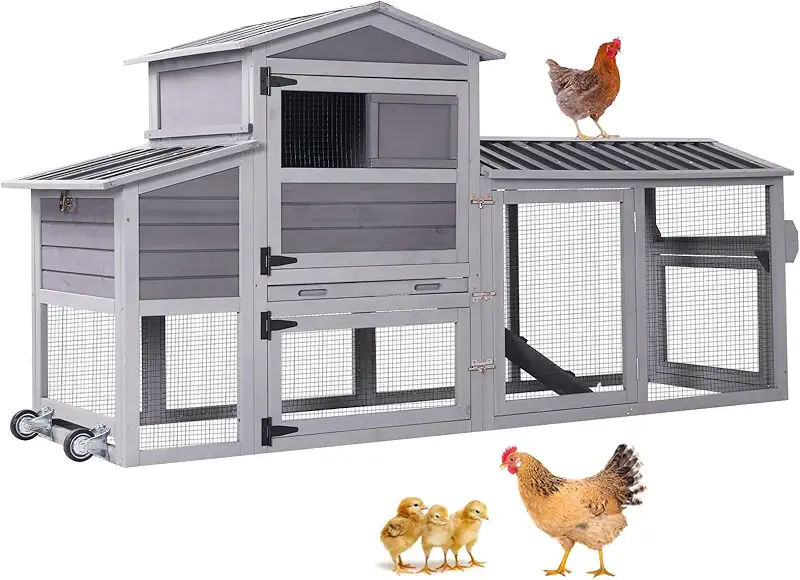
These have a small house area up top and a run underneath. Some come with wheels so you can move them around the yard. I like these for 2–4 hens in a smaller space.
- Great for small yards.
- Lets birds graze fresh grass if you move it often.
- Usually lighter and easier to assemble.
Walk-In Prefab Coops
These are bigger and tall enough for you to stand in. My knees prefer these. They cost more but they’re worth it if you’re keeping more than a handful of birds.
- Easier to clean and inspect birds.
- Room for more roosts and feeders.
- Better for cold climates with long winters.
Compact Urban Coops
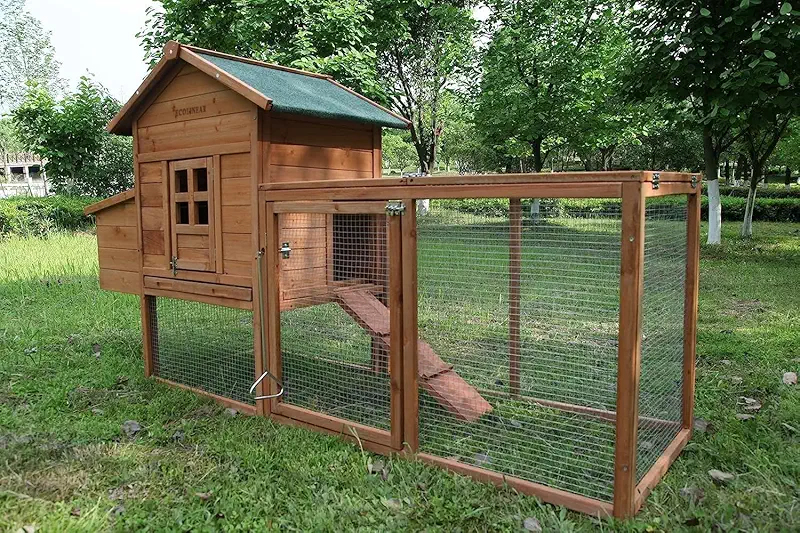
I’ve helped a few city neighbors set these up. They’re smaller, often with a cute “cottage” look. Just remember: the hens don’t care how cute it looks; they care about space, safety, and dry bedding.
For city coops, I always check:
- Noisy doors or lids that slam (neighbors don’t love that at 6 a.m.).
- Good ventilation, since city yards often get less breeze.
- Easy access to clean, since you’ll be closer to other houses.
Setting Up Your Prefab Chicken Coop The Right Way
Even the best prefab chicken coops can be ruined by a bad spot in the yard. Placement matters more than most folks think.
Pick A Dry, Slightly Raised Spot
Chickens hate mud more than they hate cold. Put the coop where water doesn’t puddle up. A tiny bit of slope is your friend. I like to add a layer of gravel or pavers under the run if the soil stays wet.
Give Them Shade And Morning Sun
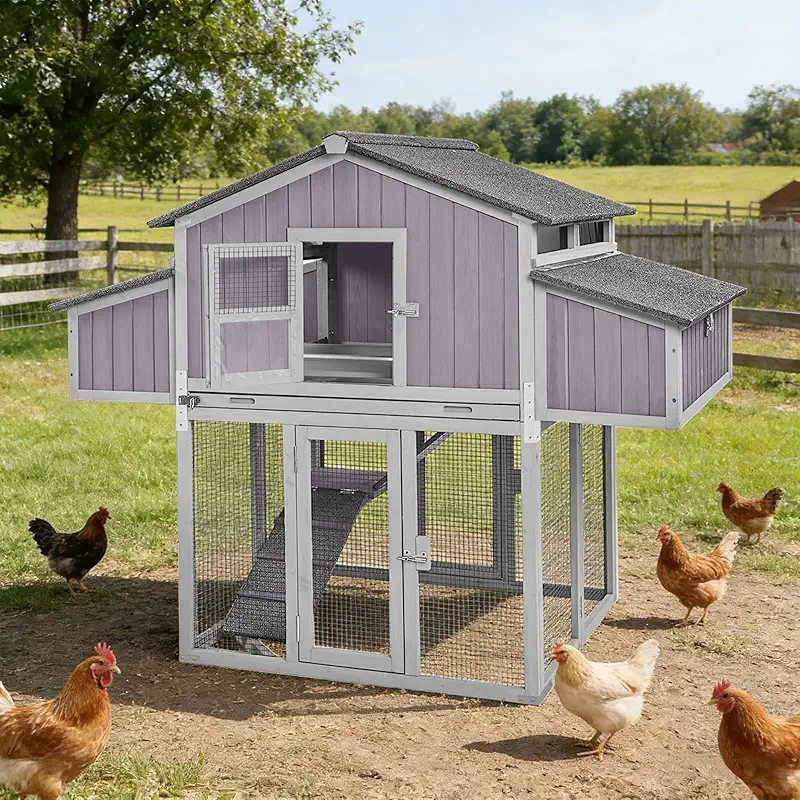
In hot summers, hens appreciate shade more than you think. Try to give the coop morning sun to dry off the dew and light shade in the afternoon. A nearby tree or a simple shade cloth can make a big difference.
Bedding, Feeders, And Waterers
Inside my prefab coops, I usually use pine shavings for bedding. They stay drier and smell better than straw. For 4–6 hens, a small hanging feeder and a good waterer are enough, as long as you keep them topped up and clean.
Common Mistakes New Chicken Keepers Make With Prefab Coops
Over the years, I’ve watched a lot of folks start with prefab chicken coops. The same few mistakes pop up over and over.
1. Believing The “Up To X Chickens” Number
If the box says 8, I call it 4. If it says 4, I call it 2 or 3. Less crowding means fewer pecking problems, cleaner birds, and better laying. Cramming hens in is like cramming kids in the back seat on a long road trip – someone’s going to start picking on somebody.
2. Skipping Extra Predator Proofing
Most prefab chicken coops are “good enough” for daytime. Nighttime is a different story. I almost always add a few upgrades: extra clips on doors, some buried wire around the run, and sometimes heavier hardware cloth over any flimsy mesh.
3. Not Anchoring The Coop
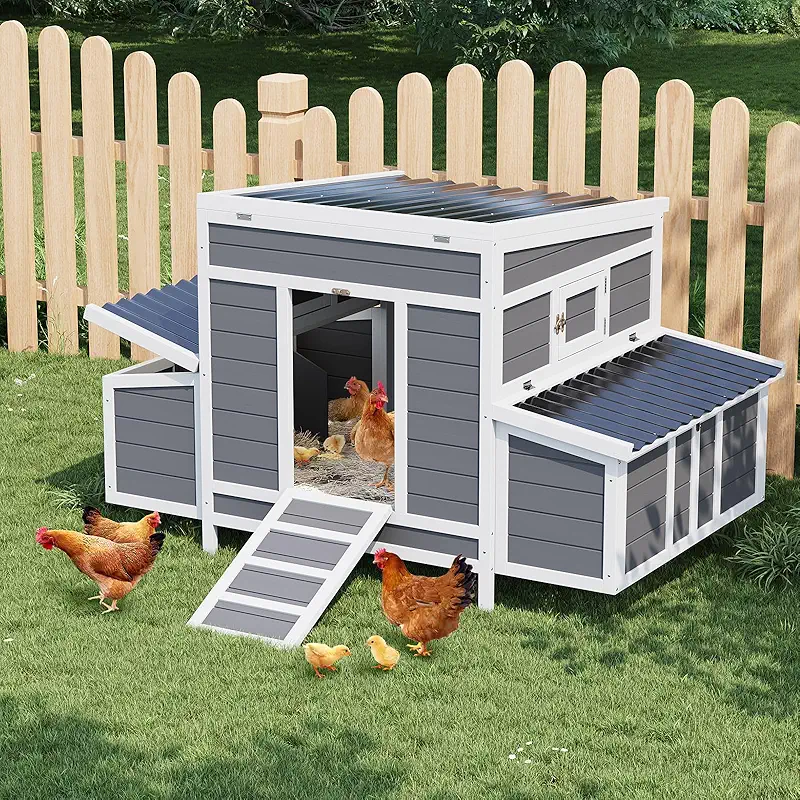
I’ve seen a strong wind tip a light coop if it’s sitting loose on soft ground. A couple of ground anchors or some heavy blocks on the corners can keep everything where it belongs.
Simple Upgrades That Make Prefab Coops Last Longer
Out of the box, many prefab chicken coops are “good.” With a little elbow grease, you can turn them into “great” and make them last more seasons.
- Seal the wood with a safe outdoor sealant so it handles rain and snow better.
- Add extra screws in corners and joints that feel weak.
- Swap thin latches for heavier ones that take a clip.
- Lay pavers or bricks under the main support spots to keep the frame out of mud.
None of this is fancy carpentry. If you can handle a screwdriver and a brush, you can do it. These little upgrades are the reason some folks’ prefab chicken coops are still going strong after years, while others fall apart in two seasons.
A Day In The Coop: What It Actually Feels Like
Let me paint you a picture. It’s early morning. Coffee in one hand, egg basket in the other. You walk out to the coop, slide open the run door, and the hens tumble out like feathered bowling balls. You pop open the nest box lid from the outside, still in your slippers, and there they are – warm eggs waiting.
With the right prefab coop, that whole routine takes maybe five minutes. No wrestling with half-frozen doors, no crawling into a dark corner to check if someone laid under the roost, no wondering what that weird smell is. Just simple, steady chores that fit into a normal life.
That’s the real value of these coops for most folks. They make chicken keeping something you can enjoy before work, after dinner, or on a busy weekend, without feeling like you signed up for a second full-time job.
Prefab Chicken Coops – Questions Folks Ask Me All The Time
Are prefab chicken coops sturdy enough for real farm weather?
Some are, some aren’t. The trick is to treat the listed capacity as optimistic, seal the wood, and add a few simple upgrades. I’ve had prefab coops stand up to Midwestern snow and summer storms once I added extra screws, better latches, and kept them on solid, dry ground. If you’re in a very windy or wet area, anchor the coop and give the roof an extra look before the first big storm.
How many hens should I start with in a prefab coop?
I usually tell new keepers to start with 3–4 good laying hens. That’s enough eggs for most families and not so many that chores feel overwhelming. Pick a prefab chicken coop that’s advertised for more birds than that, and you’ll have comfortable space as you learn the ropes. Once you get a feel for it, you can decide if you want to grow the flock.
Do prefab coops keep out predators like raccoons and foxes?
They can, but you usually need to help them a bit. Out of the box, many prefab units are “almost” predator proof. I always add carabiner clips on doors, upgrade any weak latches, and use hardware cloth around openings. If digging predators are a problem, I’ll bury a skirt of wire around the run so anything trying to dig hits metal instead of a buffet.
How long will a prefab chicken coop last?
With no extra care, some last only a couple of seasons. With basic upkeep, I’ve seen prefab chicken coops last five years or more. Seal the wood, fix loose screws before they become big gaps, keep it clean and dry, and avoid letting bedding pile up against the walls. Just like a good pair of boots, they last a lot longer if you look after them.
Is a prefab coop better than building my own?
If you’ve got tools, time, and building experience, a custom coop can be great. But for most folks working regular jobs and raising families, prefab chicken coops make getting started much easier. You can always upgrade or build a bigger coop later, once you know what you and your birds really need. Think of prefab as a head start, not a life sentence.
If your gut is telling you it might be time to bring home a few hens and a simple, honest coop, listen to it. A good prefab setup can turn that little daydream into a warm basket of eggs on your kitchen counter.
Show me all coopsYou’ll find different sizes and styles of prefab chicken coops, from tiny backyard setups to sturdier walk-in designs. Take your time, picture your mornings, and pick the one that fits your life and your birds.