
Luxury Chicken Coop
Luxury chicken coop: comfort for your hens, peace of mind for you, and eggs that make you smile every single morning.
I have been raising laying hens here in the States for more than thirty years. I have chased chickens in the rain, shoveled frozen manure before sunrise, and patched more old coops than I care to admit. Over time, I learned something simple: a good luxury chicken coop is not about gold trim or fancy paint. It is about smart comfort, solid safety, and a setup that makes daily chores easy.
When folks hear the words “luxury chicken coop,” they sometimes picture something built for a magazine cover, not a real farm. But out here, luxury just means the coop works with you instead of against you. The hens stay dry, warm, and safe, and you are not crawling on your knees in the mud to gather eggs. That is my kind of luxury.
On this page I will walk you through what I look for in a luxury chicken coop, how it affects egg production, and a few lessons I learned the hard way so you do not have to. I will talk to you the same way I talk to neighbors over the fence: plain words, honest stories, and a little humor where it fits.
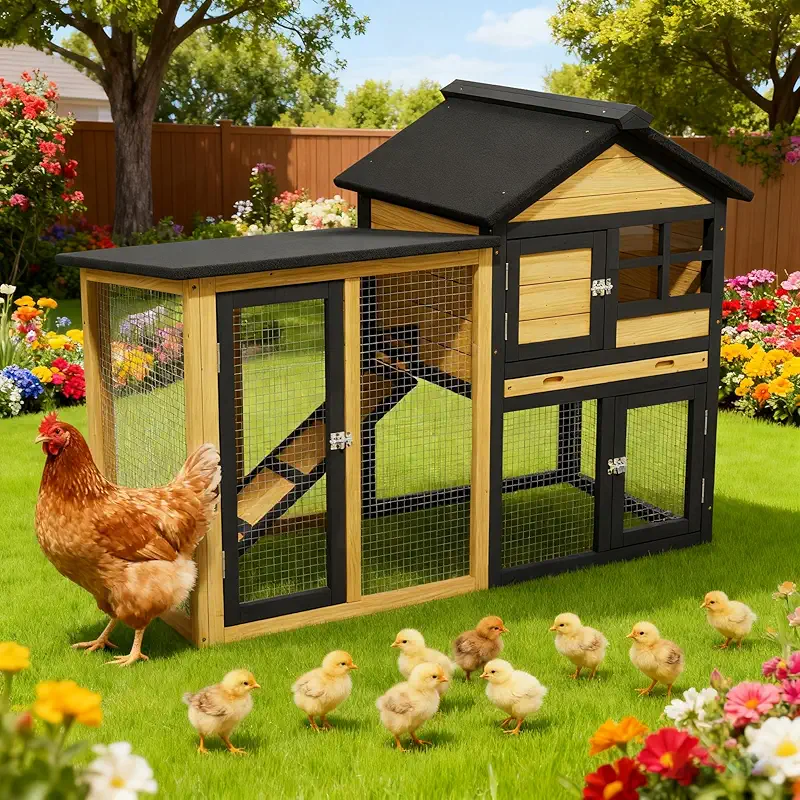
What “Luxury” Really Means For A Chicken Coop
On my first farm, “luxury” meant the coop door actually closed without me kicking it. Once I upgraded, I realized there are four things that turn a regular coop into a true luxury chicken coop: comfort, safety, easy cleaning, and smart layout. None of that is fluff. Every one of those details shows up later as steady eggs and calmer hens.
1. Comfort: Dry, Draft‑Free, And Room To Breathe
Chickens do not care about pretty trim boards, but they sure care if the wind whistles through the cracks. A luxury chicken coop keeps the birds dry and out of drafts while still letting fresh air move through.
- Solid roof and tight seams: If you can see daylight through the roof, so can the rain and cold. I like a coop where the roof panels overlap well and the seams are snug.
- Ventilation up high: Air should come in and out over their heads, not at roost level. That carries off moisture without chilling the birds.
- Enough space per bird: As a rule of thumb, I aim for at least 4 square feet inside per hen, more if winters are long and they spend more time indoors.
I once tried squeezing too many birds into a small coop, thinking I was being efficient. All I got was cranky hens, feather picking, and fewer eggs. That “cheap” idea cost me more in feed and lost eggs than a better coop ever would have.
2. Safety: No Gaps For Predators
Raccoons, foxes, and even neighborhood dogs see chickens as a free buffet. A luxury chicken coop takes that into account. It keeps your girls tucked away like treasure in a safe.
- Sturdy hardware cloth, not chicken wire: Chicken wire keeps birds in. It does not keep hungry critters out. I like 1/2 inch hardware cloth on openings.
- Locks you cannot open with gloves on easily: If it is easy for cold hands, it might be easy for a raccoon. Good latches matter.
- Raised off the ground: A raised coop makes it harder for predators to dig right into the floor and also helps keep things dry.
My rule is simple: if I can pry a gap with a screwdriver, a raccoon probably can too. A luxury coop closes up tight without a lot of effort or homemade patches.
Why A Luxury Chicken Coop Makes Eggs Better (And Life Easier)
Folks sometimes think a luxury chicken coop is just for show, but I see the results in the nesting boxes. Comfortable hens lay steadier, cleaner eggs, and I spend far less time fighting problems.
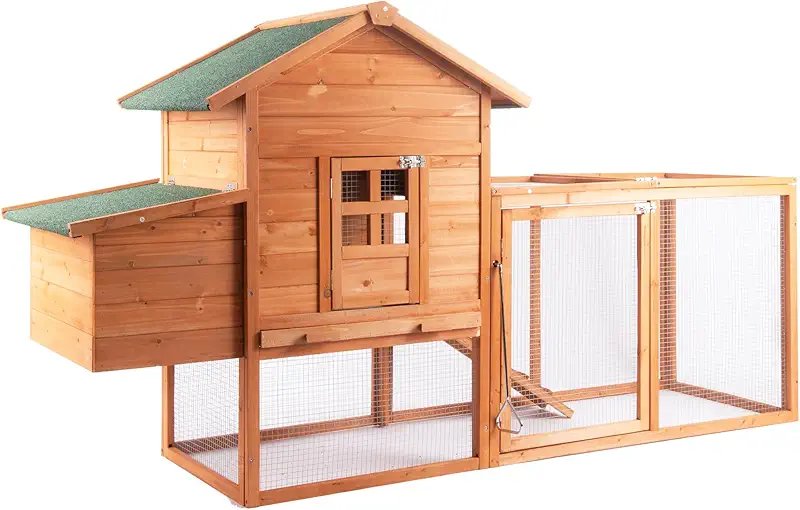
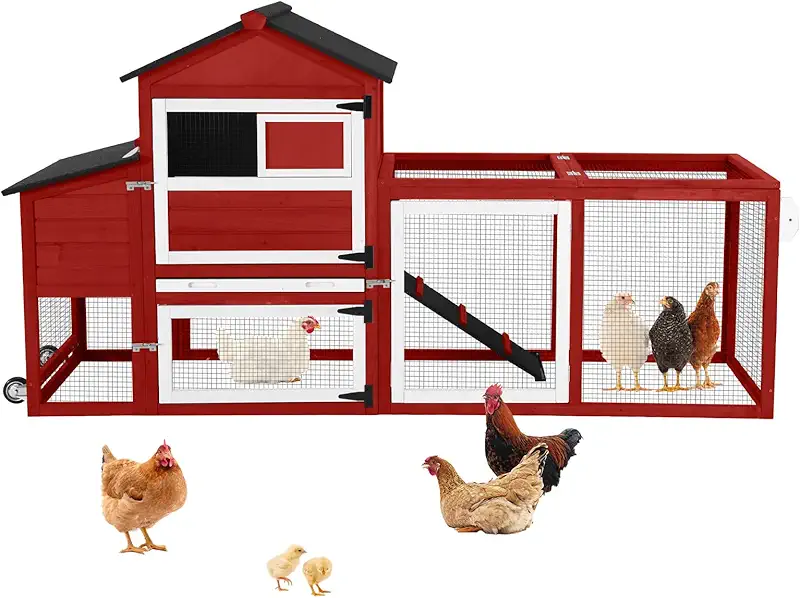
Calmer Hens, Fewer Problems
Back when my coop was dark and cramped, the birds squabbled a lot. The boss hen would guard the best roost spot and some poor little pullet would end up on the floor in the drafts. Once I moved them into a brighter, roomier coop, the pecking almost disappeared. Same flock, different house.
A luxury setup gives them:
- Clear roosting space: Enough room for everyone to perch without shoving.
- Plenty of nest boxes: I aim for one box for every three to four hens, with clean, dry bedding.
- Steady routine: Doors, feeders, and waterers in predictable spots, so they settle in quickly each evening.
Cleaner Eggs, Less Work For You
Eggs rolling around in dirty corners is not my idea of a good morning. A well‑designed luxury chicken coop makes clean eggs the default, not a pleasant surprise.
- Good nest box placement: A little darker and quieter than the rest of the coop, off the direct line of the doorway.
- Comfortable bedding: I like pine shavings or chopped straw, changed often. Happy hens sit, relax, and lay instead of pacing around.
- Easy access from outside: External nest doors let you gather eggs without stepping in the muck. That is real‑world luxury.
The first winter I had external nest access, I remember opening those lids with a cup of coffee in my hand, in my slippers, instead of tromping through the mud. I told my wife, “Now this is high living.” She just laughed, but she agreed when breakfast hit the table.
Key Features To Look For In A Luxury Chicken Coop
When you are choosing a luxury chicken coop, ignore the cute window boxes for a minute and look for these working details. These are the things that keep birds healthy and your back unbroken.
Smart Doors And Access
I like a coop with a full‑size human door and a separate pop door for the chickens. The human door should open wide and not hit the roosts or feeders. If I have to twist like a pretzel to get inside, the design missed the mark.
Bonus points if the pop door is easy to slide or lock from outside. In the dead of winter, fumbling with a stubborn latch in the dark is not my idea of fun.
Good Floor And Drainage
A luxury chicken coop should not turn into a swamp after a rainstorm. I prefer a solid, level floor that is easy to rake out. Raised floors help in wet areas, and a little slope away from the coop keeps puddles from forming at the doorway.
If you walk in and your boots sink, your hens are going to hate it after a week.
Strong Roof And Weather Protection
Roofs take the beating from sun, wind, and snow. A good luxury coop either has solid shingles, metal, or thick panels that do not flap in a storm. Overhangs help keep rain from blowing in the vents and doors.
On my place, a simple overhang has saved many a dry hen during sideways rain.
My Daily Routine With A Luxury Chicken Coop
Let me walk you through a normal day here, because that is where a luxury chicken coop really proves its worth.
Morning: Quick Check, No Drama
I step out with my coffee and head to the coop. The pop door slides open smoothly. No swollen wood, no fight. The girls pour out into the run, clucking like they are swapping gossip. I glance inside: bedding is still mostly dry; no strange smells. I top off feed and water without even stepping all the way in.
In my old setup, I had to duck under a too‑short door and reach over a wobbly feeder. Hit my head more mornings than I want to admit. This is where a luxury chicken coop shines: it is built for human bodies as well as chicken bodies.
Afternoon: Egg Collection In Comfort
Later in the day, I swing by to gather eggs. With external nest box doors, I just lift and reach. Hens hardly stir inside. I am in and out in under a minute, eggs tucked neatly in my shirt like some barnyard kangaroo.
Back when I had to step into a cramped coop, I often startled a hen off the nest. She would flap around, other birds would panic, and I would end up with more feathers than eggs in my hands. Small thing, but over months you really feel the difference.
Evening: Secure, Clean, And Quiet
At dusk, I lock them up. The latch on a good luxury coop is firm and simple. No wire twists, no bungee cords, no “farm inventions” barely holding things together. I walk away knowing nothing short of a determined bear is getting in there overnight.
Once a week, I do a deeper clean. Big door open, shovel in, wheelbarrow waiting. With room to move and a floor that does not catch the shovel, I can strip bedding, sprinkle fresh shavings, and be done before the sun is high. My back thanks me every time.
Comparing Different Styles Of Luxury Chicken Coop
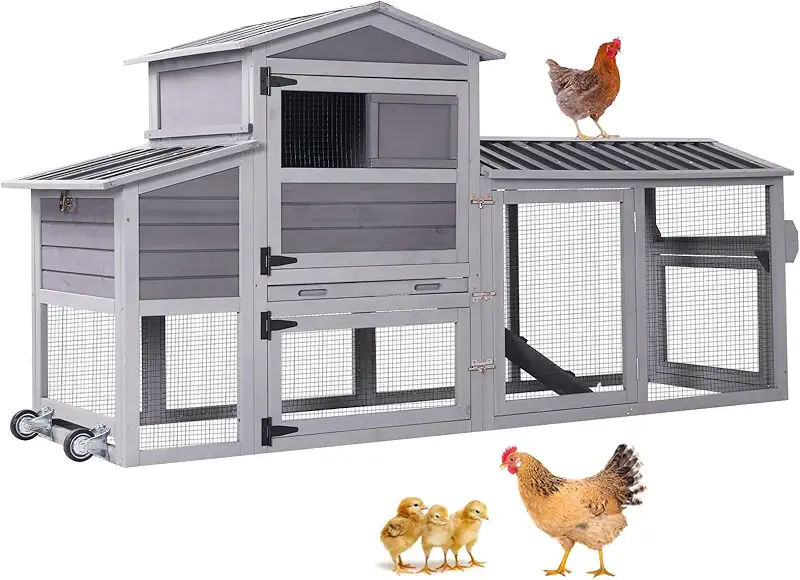
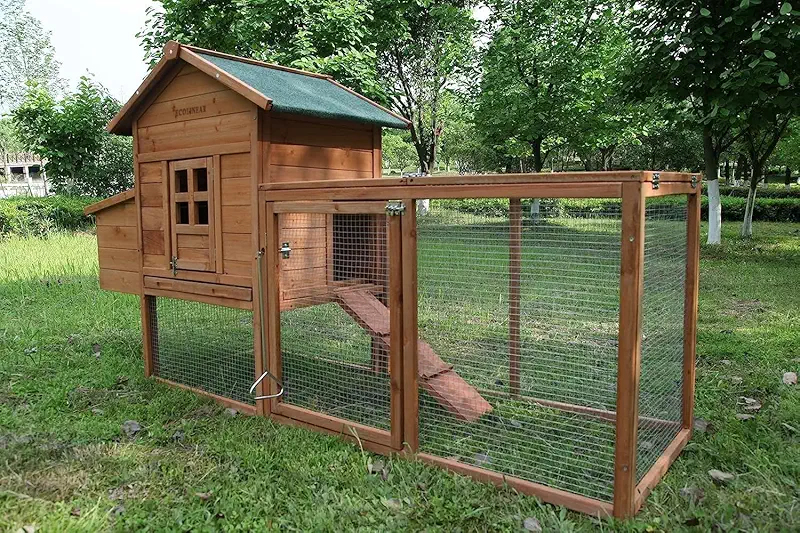
Not every yard or flock needs the same setup. Over the years I have used walk‑in coops, raised coops with attached runs, and smaller tractors. Each can be “luxury” if it is well built and thoughtfully arranged.
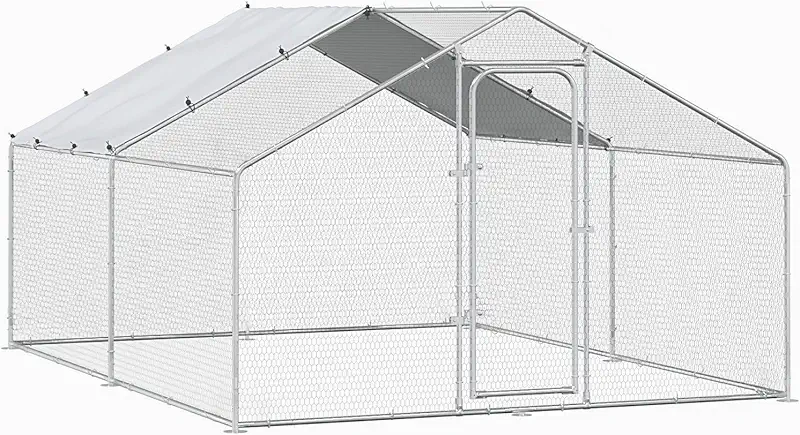
Walk‑In Coops
These feel like a tiny barn. You can stand up inside, hang tools on the wall, and even tuck storage in a corner. For bigger flocks or folks like me with a stiff back, this style is a true luxury chicken coop. The trick is to keep the layout simple and not pile in more junk than the hens.
Raised Coops With Attached Runs
This style is great for smaller yards. The birds get shade and dry ground under the coop, while you keep the living area up above mud level. Here, luxury is all about good access doors and enough headroom in the run. Chickens do not complain about crawling, but trust me, you will.
Moveable Tractors
Tractors let you move birds to fresh grass. They can still be “luxury” if they are sturdy, predator‑proof, and not a nightmare to drag across the lawn. I once built one so heavy it took two grown men and a strong opinion to move it. Learned my lesson there.
Practical Tips To Keep Your Luxury Chicken Coop In Top Shape
A good coop is an investment. A few simple habits will keep it feeling “luxury” for many years, instead of sagging into a sad shed after one hard winter.
Stay Ahead Of Moisture
Moisture is the silent killer of coops. I crack windows or vents even in winter, as long as there is no draft on the roosts. I also keep bedding dry and fluffy. If it smells strongly of ammonia, it is time for fresh shavings, not more air freshener.
Check Joints And Hardware
Twice a year, I walk around with a bucket of screws and a screwdriver. Loose boards, wiggly hinges, and sagging latches all get attention. Five minutes of tinkering beats waking up to a popped‑open door and feathers in the yard.
Keep Critters From Moving In
Luxury to a mouse is an endless buffet of feed in a warm coop. I store feed in metal cans with tight lids, keep grass trimmed around the coop, and plug any new gaps as soon as I spot them.
If you are ready to give your hens a dry, safe, and easy‑to‑manage home, looking at a range of luxury chicken coop options side by side can really help. I like to browse different layouts, sizes, and roof styles before I decide, especially when I am planning for future flock growth.
Luxury Chicken Coop – Common Questions
1. How many chickens can I keep in a luxury chicken coop?
It depends on the floor space and the run. As a simple rule, aim for at least 4 square feet per bird inside the coop and 8 to 10 square feet per bird in the outdoor run. So, if the coop has 24 square feet inside, that is comfortable for about 6 hens. More space is always better if you can manage it. Crowding birds is the quickest way to turn a fancy coop into a stressful one.
2. Do I really need insulation in a luxury chicken coop?
Not always. Chickens handle cold better than damp drafts. In many parts of the U.S., solid walls, good bedding, and proper ventilation are enough. If your winters are harsh, insulation can help keep temperatures steadier, but never block all the airflow. I prefer to focus on draft‑free roost areas, deep dry bedding, and wind‑breaks around the run first.
3. What kind of floor works best in a high‑end coop?
I like a solid, level floor I can scrape out easily: wood with a tough coating, or raised panels that stay dry. Dirt floors can work, but predators and moisture are bigger problems there. Whatever you choose, cover it with a decent layer of shavings or straw so droppings do not stick and you are not chipping manure off the boards every weekend.
4. How often should I clean a luxury chicken coop?
I do a light clean every few days: scoop wet spots, fluff bedding, and wipe obvious messes. Then I do a deeper clean about once a month in warm weather and a bit less in the coldest months, using the deep‑litter method with more bedding. Your nose will tell you if you are behind schedule. If you step in and say “whoa,” the hens have been saying it for a while already.
5. Is a luxury chicken coop worth it for a small backyard flock?
In my opinion, yes. Even with just four or six hens, a well‑built luxury coop saves you time and headaches. Doors work, roofs do not leak, cleaning is easier, and predators stay out. You end up with less frustration, healthier birds, and better eggs. Out here we say, “buy once, cry once.” Get a coop that will still feel solid when those first hens are long gone and you are on your second or third happy flock.
Ready To Treat Your Flock To A True Luxury Chicken Coop?
If your current coop door sticks, the roof drips, or you have to crawl on all fours just to grab the morning eggs, you already know why a luxury chicken coop sounds appealing. You are not being fancy. You are just tired of fighting the setup every single day.
I have kept birds in all sorts of homes, from wobbly pallets nailed together on a Saturday afternoon to solid, purpose‑built coops that feel like they will outlast me. The birds lay in both, but everyone is happier in the solid one, especially the old farmer who has to clean it.
Take a little time to look over sizes, layouts, and features. Picture your flock inside and yourself doing chores in the dark, in the rain, and in the middle of summer. If the design still feels easy in your mind, you are looking at a real luxury chicken coop.
See All Chicken Coops In One Place
When I am planning a new setup, I like to see lots of options together. Different roof lines, door styles, and run sizes give you ideas you might not have thought of yet. Maybe you spot a nest box layout that solves that one little problem you keep wrestling with every morning.
If you are curious and want to see a spread of choices, take a quiet minute, pour yourself a cup of coffee, and browse through the available models. Think about your yard, your weather, and that future batch of fluffy chicks you have probably already pictured scratching around out back.