
Places To Buy Chicken Coops
places to buy chicken coops can feel confusing when all you really want is a dry, safe spot for your hens and a steady basket of eggs. Let me walk you through it like we’re leaning on a fence, coffee in hand, watching the flock.
Folks ask me all the time, “Where should I get a coop? Online? Local? Build it myself?” I’ve tried just about every route over the last few decades. I’ve hauled home rickety old sheds, clicked my way through fancy online listings, and hammered together more than a few crooked doors.
The truth is, the best places to buy chicken coops depend on how many hens you have, how handy you are with tools, and how much spare time you’ve really got. Not the time you wish you had, but the time between chores, work, kids, and that pile of laundry.
In this guide, I’ll share how I choose between online stores, local farm suppliers, used coops, and DIY builds. I’ll talk about what’s worth paying for, what corners you do not want to cut, and the mistakes that left me chasing hens through the yard at midnight with a flashlight.
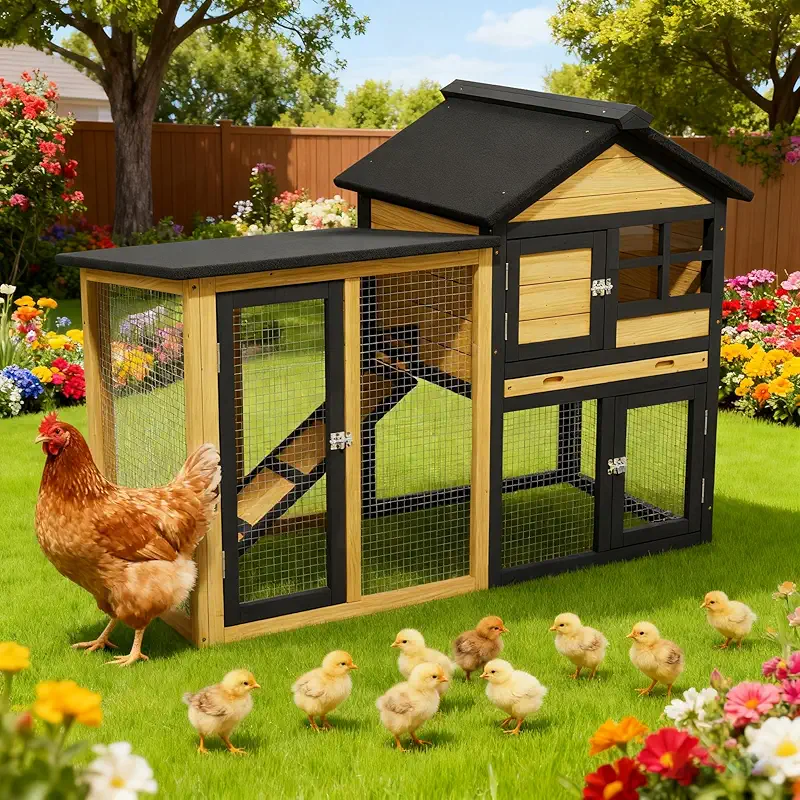
One of those simple backyard coops that just works: dry, snug, and easy to reach for morning eggs.
How I Think About Places To Buy Chicken Coops
When I look at different places to buy chicken coops, I don’t start with price or looks. I start with the hens. A good coop keeps them dry, safe, and calm. Calm hens lay better, live longer, and cause a whole lot less drama. Nervous hens act like feathered alarm clocks at 3 a.m.
Early in my farming days, I grabbed the cheapest coop I could find. It looked cute in the picture and even had a little window. First big storm, rain blew sideways and turned the coop floor into a muddy soup. Hens were mad, I was mad, and we spent a weekend fixing something that never should’ve been that weak in the first place.
My simple rule: A coop should do three jobs well before you worry about anything else:
- Keep hens dry and out of drafts.
- Keep predators out, all night, every night.
- Be easy to clean, or you’ll avoid it and the birds will suffer.
Once you’ve got those three covered, then you can think about price, style, and how many steps you’re willing to take in the snow to collect eggs. Let’s walk through the main options for where to get your coop and how each one really works out in a real backyard, not just in a catalog photo.
Buying Chicken Coops Online
One of the easiest places to buy chicken coops these days is online. You sit at the kitchen table, coffee in hand, and scroll through more coop styles than I’ve seen in forty years of farming. Some are solid and practical. Others look like someone tried to design a chicken castle after watching too much TV.
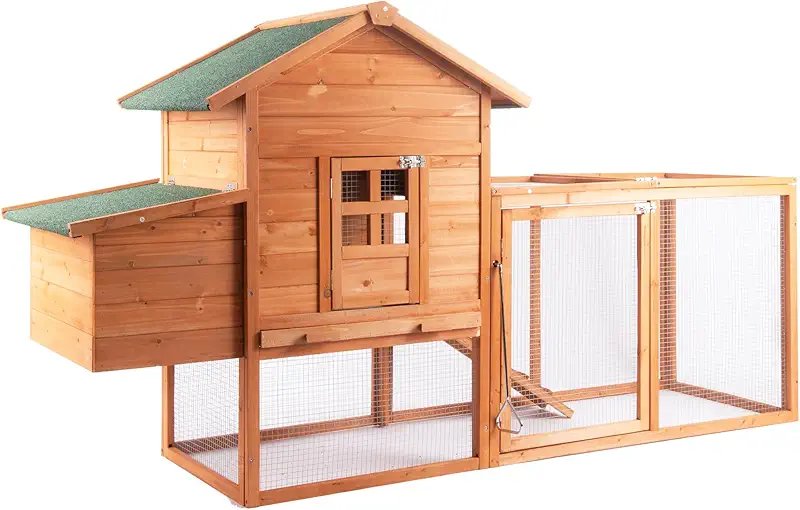
Compact coop setups can be a good start if you’re testing the waters with a few hens.
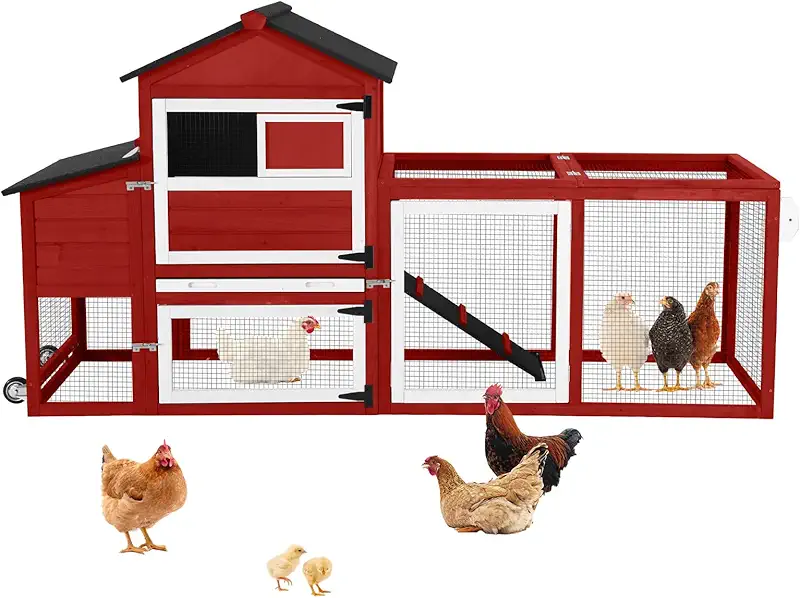
Pay attention to access doors and cleaning panels. Your back will thank you later.
Why Online Coops Can Make Sense
When I’m helping new chicken keepers, I often point them toward online options first. Not because they’re perfect, but because they’re simple. You can compare different sizes, read what other folks say, and you don’t need a trailer or a buddy with a strong back just to get the thing home.
- Choice: You’ll see everything from tiny starter coops to roomy walk-in setups.
- Reviews: Real people will tell you, very plainly, if the roof leaks or the latch is junk.
- Time saver: If you’re not handy with tools, pre-cut and pre-drilled can be a blessing.
But there are a few things you must watch for so you don’t end up with a pretty coop that flakes apart after the first hard winter.
Watch Out For These Online Coop Traps
I’ve put together more flat‑pack coops than I like to admit. Some held up, some… well, let’s just say the raccoons thanked me.
- Overrated capacity: If the listing says “4–6 hens,” I treat that as 3–4 hens if I want happy birds, not crowded ones.
- Thin wood: If it looks like pallet wood or packing crate material, it won’t love rain and snow for long.
- Flimsy wire: Chicken wire keeps chickens in; it does not keep predators out. Look for hardware cloth or solid panels in the weak spots.
- Weak latches: Raccoons have fingers, and they’re smarter than your uncle. A tiny hook latch is just a puzzle to them.
When I’m checking online places to buy chicken coops, I slow down and read the rough reviews first. That’s where the truth likes to hide.
Let me compare a fewLocal Farm Stores And Hardware Yards
Another solid option in the list of places to buy chicken coops is your local farm store or hardware yard. I like these runs into town because you can knock on the walls, open doors, and see how everything is put together before you spend a dollar.
Back when my kids were small, a trip to the farm store for a new coop turned into a whole afternoon out. They’d run around, pick out feed scoops in their favorite colors, and I’d quietly tap on the coop panels, checking for solid framing while pretending not to be too picky.
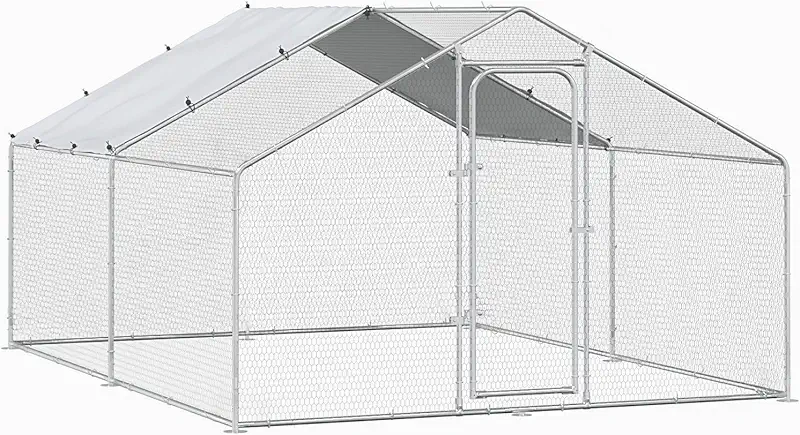
When you can, look for coops built with decent framing and real roofing material.
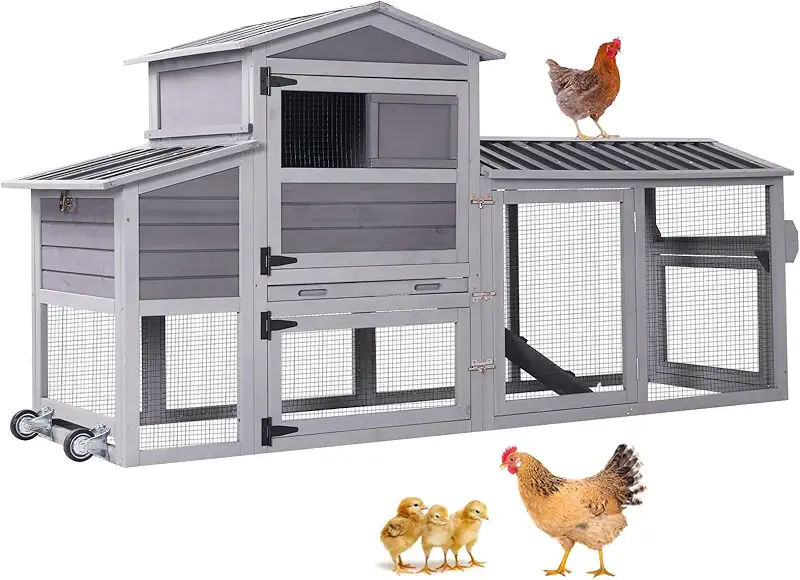
Walk-in styles make daily chores easier, especially in bad weather.
What’s Good About Buying Local
- Hands-on check: You can see if the roof feels wobbly or the door hangs crooked.
- Local weather: Coops in your area tend to be built with your climate in mind.
- Help and advice: Store staff often keep chickens at home and will share what works for them.
The downside is you’ll need a way to get the coop back to your place. I’ve seen more than one coop tied onto a small trailer with enough rope to impress a cowboy. If you go this route, call ahead and ask how big the units are and whether they come assembled or flat‑packed.
Questions I Ask Before I Say Yes
- “What’s the floor made of, and is it off the ground?” (Mud and rot sneak in from below.)
- “What’s the heaviest storm you’ve seen this take?” (I like to hear real stories.)
- “How many hens do you keep in one of these realistically?” (I ignore the sales tag and listen to their flock numbers.)
Used Coops, Facebook Finds, And Old Sheds
Some of the best bargains I’ve ever seen didn’t come from fancy places to buy chicken coops at all. They came from neighbors moving away, old sheds no one used anymore, and folks who realized chickens are more work than they thought.
One of my favorite coops started life as a tiny garden shed. Solid floor, good roof, ugly as sin. I cut a pop door in one wall, added a window with hardware cloth, tossed in roosts and nesting boxes, and the hens moved in like they were checking into a little feathered motel.
When I look at a used coop or shed, I check:
- Rotten corners or soft spots in the floor.
- Any sign of old mites or lice (dark powdery stuff in cracks).
- Roof leaks after a good rain.
- Gaps big enough for a rat or weasel to squeeze in.
Used setups can save you good money, but you’ll pay with elbow grease. Expect to scrub, disinfect, patch, and sometimes rebuild whole sections. Still, if you’re more time‑rich than cash‑rich, it can be a smart way to go.
If I’m torn between a rough used coop and a simple new one online, I remind myself: predators and weather won’t care how much I saved. The hens always vote for solid and dry.
Show me sturdy optionsBuilding Your Own Chicken Coop
Now, one of the most satisfying places to buy chicken coops is actually the lumber aisle, if you know what you’re doing. Building your own gives you full control. You can size it for your flock, your yard, and your cleaning style. I’ve built coops tall enough to walk into, and little low ones you just reach into from the outside.
But let me be honest: every DIY coop takes more time, more lumber, and more screws than you think. Measure twice, budget twice, then add a weekend.
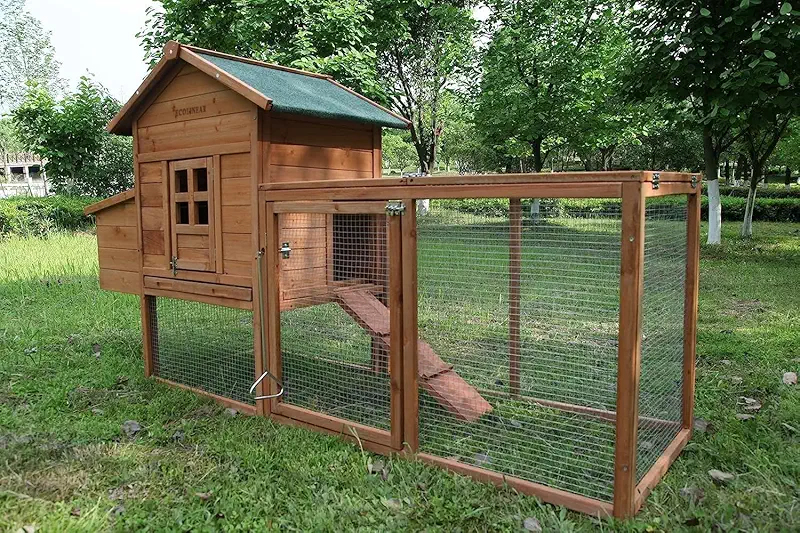
Even if you build your own, looking at proven designs gives you ideas that actually work.
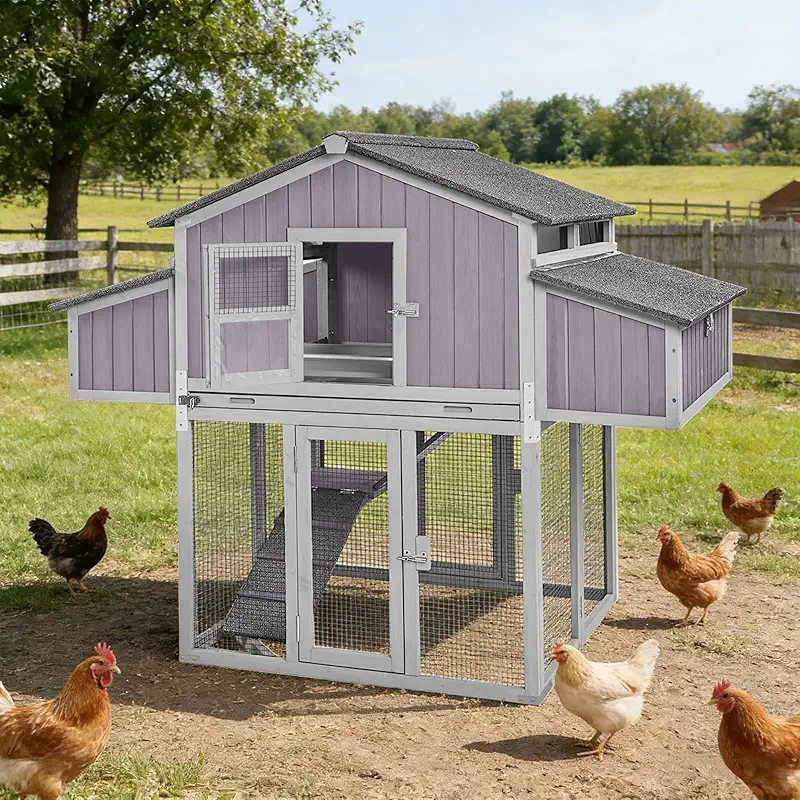
Ventilation high up under the roof keeps air fresh without chilling the birds.
What I Always Include In A DIY Coop
- High vents, low drafts: Air out the warm, moist air up top, but no wind at hen level.
- Easy cleaning door: A big door I can swing open and rake out in minutes.
- Predator‑proof openings: Every hole smaller than a quarter, or covered in hardware cloth.
- Enough roost space: About 8–10 inches of roost per hen, and not stacked right over the nesting boxes.
When I Tell Folks To Skip DIY
There are times I tell new chicken keepers: “Don’t build right now. Get something simple and safe first.” If you’re juggling a busy job, young kids, and this is your first year with birds, adding a big building project on top can turn the whole thing into stress instead of joy.
In those seasons of life, I’d rather see you start with a straightforward coop from one of the easier places to buy chicken coops, then maybe upgrade or build your dream setup later once you’ve lived with hens for a while.
Comparing The Main Places To Buy Chicken Coops
To keep it simple, here’s how I think about the main places to buy chicken coops when a friend asks me for quick advice over the fence.
Good if you want something straightforward, with lots of options. Read the rough reviews, and don’t trust the “hen count” on the box.
Great if you want to touch and see before you commit. Better for folks who can haul a bigger structure home.
Best when you’ve got more time than money and you’re not afraid of cleaning, patching, and reinforcing weak spots.
Perfect if you’ve got tools, time, and a plan. You get exactly what you want, but it’ll eat a few weekends.
Start with a simple prefab coop, then add runs, windbreaks, and improvements as you learn what your flock really needs.
Ask yourself honestly: how many hours can I give this month? Your answer often points you to the smartest place to look.
What Matters More Than The Place You Buy
At the end of the day, the best places to buy chicken coops all have one thing in common: they lead you to a coop that fits your life and keeps birds safe. I’d rather see you with a plain, sturdy box that works than a fancy showpiece that leaks, rots, or lets a raccoon slip in.
My Personal “Good Coop” Checklist
- Dry floor after a storm – go check with your own eyes.
- No rattling panels – if it shakes in a breeze, winter winds will laugh at it.
- Real predator defense – solid latches, strong wire, no gaps bigger than a finger.
- Room to grow – if you think you want six hens, plan for eight. Chicken math is real.
- Chores feel easy – if gathering eggs or cleaning feels like a wrestling match, you won’t keep up.
Remember, chickens don’t care if the coop matches your house or looks cute for pictures. They care if it’s dry, safe, and quiet at night. When you’re weighing different places to buy chicken coops, keep that picture in your head: a calm flock, content little clucks, and a steady basket of strong‑shelled eggs.
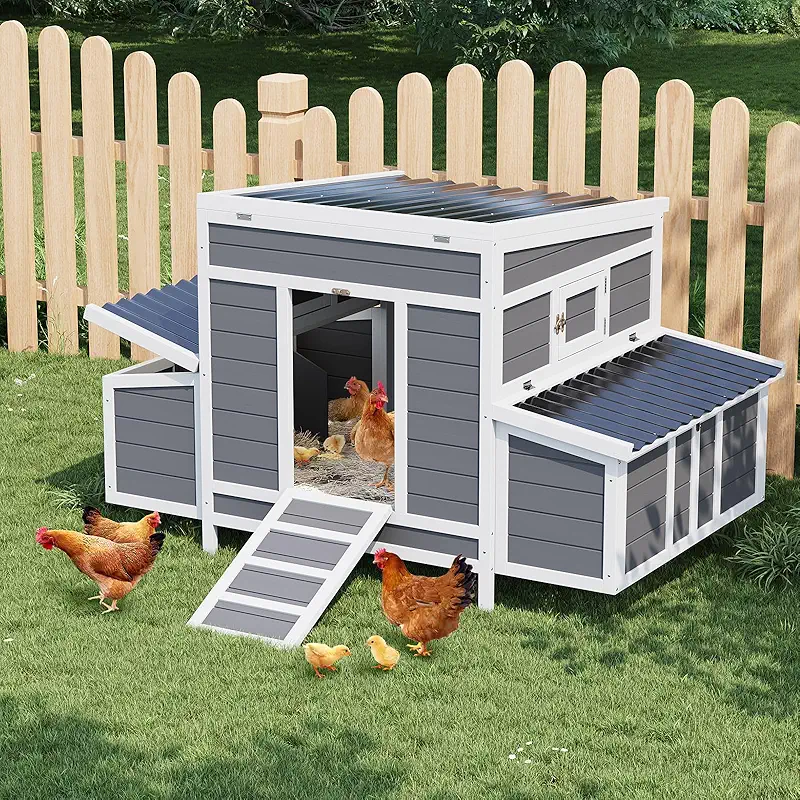
A good coop is really about calm birds and simple chores, not fancy trim.
FAQ About Places To Buy Chicken Coops
I always ignore the “up to 6 hens!” label and do my own math. For standard‑sized hens, I aim for around 4 square feet of indoor floor space per bird, plus 8–10 inches of roost each. If the listing doesn’t show clear measurements, I move on. When in doubt, size up. I’ve never heard anyone say, “I wish I’d bought a smaller coop,” but I’ve heard plenty of “We outgrew this thing in a month.”
On paper, DIY can look cheaper, but lumber, hardware cloth, roofing, and screws add up fast. If you already have tools and maybe some leftover materials, building can save money. If you’re starting from scratch, a simple prefab from one of the easier places to buy chicken coops often ends up close in cost, with a lot less sweat. I tell folks to price out both before deciding.
Crowding and weak predator protection. People see a small, cute coop, picture three hens, then come home with eight because they all looked so sweet at the feed store. Next thing you know, everyone’s cramped and grumpy. The second mistake is trusting chicken wire to stop raccoons or dogs. It won’t. No matter which place you choose to buy from, make sure you can reinforce doors, windows, and vents with proper hardware cloth.
Absolutely. In fact, that’s how a lot of us do it. A small starter coop from one of the easy places to buy chicken coops lets you learn the basics without a big project hanging over your head. Once you’ve lived with hens for a year—through mud, heat, and cold—you’ll know exactly what your “forever coop” needs. Then you can build bigger, add a run, or move up to a walk‑in setup.
My first upgrades are always about strength and comfort. I start by adding better latches, reinforcing weak corners, and covering any big openings with hardware cloth instead of thin wire. Next, I look at ventilation—enough high vents to keep air fresh without chilling the birds. Then I adjust roosts and nesting boxes so the hens use them naturally. After that, if it’s all solid, you can think about adding a bigger run or some windbreaks for winter.
Finding Your Best Place To Buy A Coop
If you’ve read this far, you already care more than most folks do, and your hens will thank you for that—probably with a steady breakfast every morning. Whether you go online, shop local, hunt for a used shed, or roll up your sleeves and build, remember that every flock and every backyard is a little different.
When I’m helping someone choose between all the places to buy chicken coops, I ask them two simple questions:
- How many hours can you give this project in the next month?
- What kind of weather and predators are you dealing with?
Your honest answers will point you toward the right path faster than any sales pitch ever will. Start with something safe and solid, learn your birds, and don’t be afraid to upgrade or adjust as you go. Chickens are forgiving teachers, and they don’t mind if the first coop isn’t picture‑perfect.
If you’re ready to see what’s out there and compare different styles and sizes side by side, take a slow look through the coops available and picture your own hens roosting up safe tonight.
Let me see all coops