
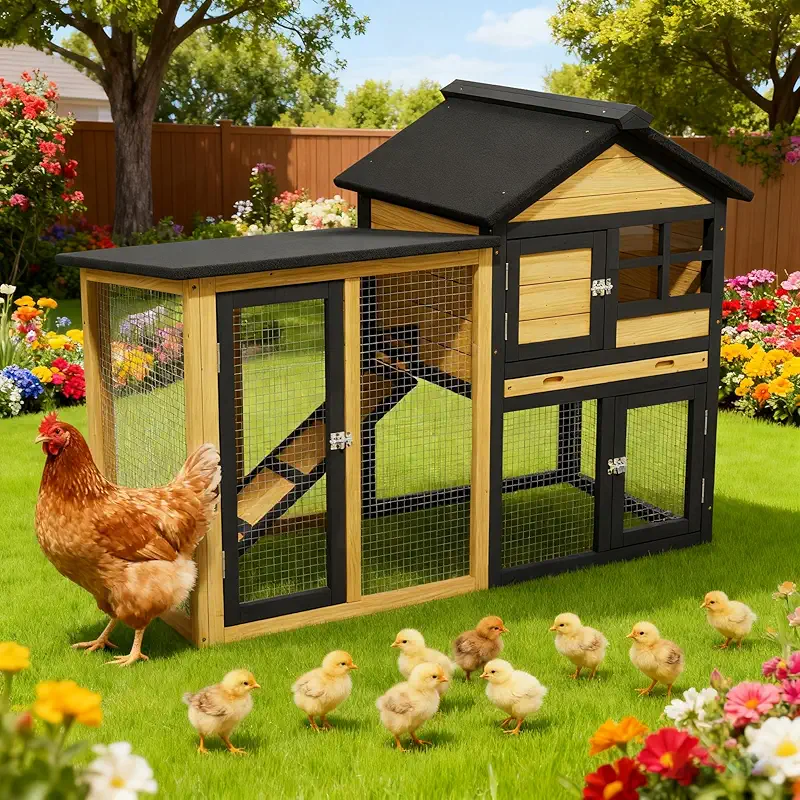
When folks ask me how to build a chicken coop cheap, I always smile and say, “Cheep is what the hens do, cheap is what I do.” I’ve slapped together coops out of pallets, old truck toppers, and the kind of lumber you only pick if you don’t mind a few knots and a twist. Some of those coops were ugly as a mud fence, but the hens didn’t mind one bit, as long as they were dry, safe, and had room to scratch.
I’ll share what has worked on my own place here in the States, through trial, error, and a few raccoons that taught me lessons the hard way. You’ll learn where you can save good money, and where you really shouldn’t pinch pennies unless you like fixing problems at 2 a.m. with a flashlight in your teeth.
You can build cheap or you can build twice. The trick is to use inexpensive materials, but never go cheap on what keeps birds dry, draft‑free, and safe from predators.
Start With The Right Size (So You Don’t Regret It Later)
Before you touch a hammer, decide how many hens you really want. And then, be honest: you will probably add more. We all do. Hens are like potato chips and barn cats. One turns into twelve before you know it.
A good rule of thumb:
- Inside the coop: about 4 square feet per hen
- Outside run: 8–10 square feet per hen (more if you can)
- Roost space: about 8–10 inches of perch per hen
So if you plan on 6 hens, you’re looking at around a 4x6 coop (or something close) and a run roughly 6x10 or bigger. That’s not a palace, but it’s enough room so they aren’t grumpy and pecking each other every time they get bored.
Cheap Materials That Still Work
When I built my first coop, I’d just paid for fencing around the garden and my wallet was thinner than a Sunday chicken broth. So I got creative. You can, too. Cheap doesn’t mean flimsy if you choose wisely.
1. Reclaimed And Scraps
Keep your eyes open and your pickup bed empty. You’d be amazed what people leave at the curb or list for free:
- Old pallets (great for framing and walls if you brace them well)
- Leftover deck boards or fence boards
- Plywood offcuts from construction sites (ask permission first)
- Old windows you can hinge for ventilation
The trick with free wood is to be picky about rot and nails. If it’s spongy, let it go. If it’s full of big spikes, pull them before they pull you.
2. When To Lean On Ready‑Made Solutions
There were a couple of seasons when I was working long hours off the farm and just didn’t have the time to build from scratch. In those years, I leaned on prefab coops and hardware that I could set up fast and then tweak with my own improvements.
Sturdy Coop Shell To Save You Time
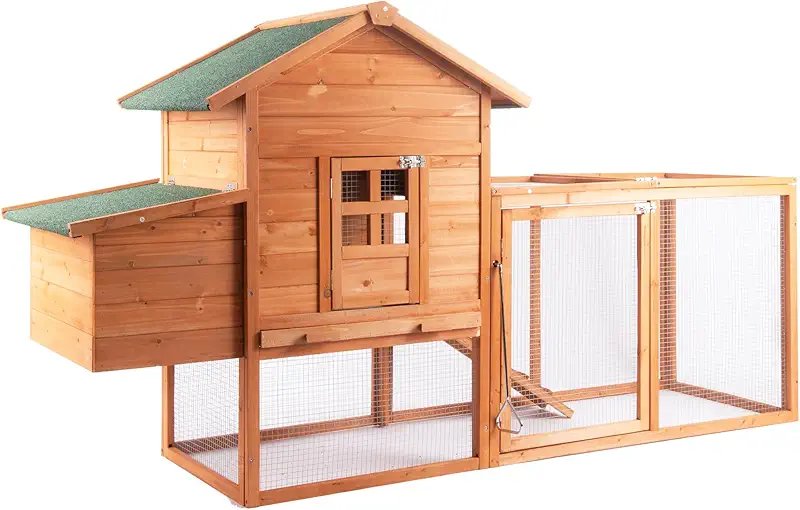
A small pre‑built coop can be a cheap backbone for your setup. You can set it on blocks, add a homemade run, toss on some extra roofing, and end up with something sturdy without wrestling every board yourself.
- Good for folks short on time or tools
- Easy to modify with extra roosts or insulation
- Lets you focus on predator‑proofing and layout
I’ve taken small prefab coops, set them up on cinder blocks, wrapped the runs with better wire, and ended up with a setup that looked store‑bought but didn’t cost store‑bought money.
The Simple Coop Layout That Just Works
You don’t need blueprints fancier than a barn dance to figure this out. Think of your coop like a tiny house for birds:
- Sleeping loft with roosts up off the floor
- Nesting boxes where it’s quiet and dim
- Door for you, small pop door for them
- Dry floor you can clean without cussing
Simple Layout, Strong Frame
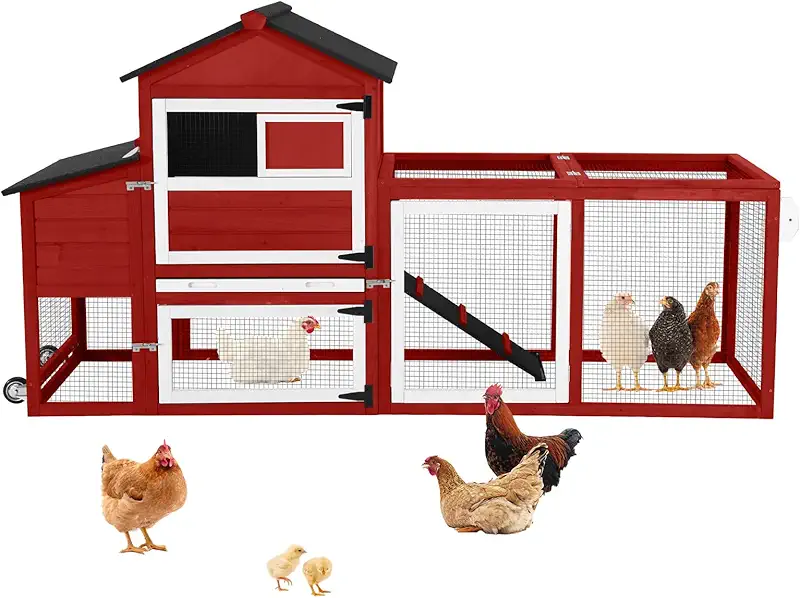
A rectangular footprint with a slightly sloped roof is still my favorite. Easy to frame, easy to roof, and easy to lean a wheelbarrow right up to the door when it’s cleaning day.
Framing The Cheap Way
For framing, 2x3s or even straight pallet boards can work if you brace corners well. I’ve built more than one coop with:
- 2x4s for the main corners and roof edges
- Cheaper 2x3s or pallet boards in between
- Diagonal bracing in the corners to stop wobble
Frame it like a small shed. Stand your walls, screw or nail them to each other, and make sure everything is fairly square. Remember, the hens won’t grade you on perfection, but doors that won’t close will annoy you real quick.
Predator‑Proofing On A Budget
This is where most “cheap coops” go bad. You save twenty bucks on flimsy wire, then lose a whole flock in one night. I learned that lesson with my first batch of pullets and a raccoon that knew more about cheap latches than I did.
Stronger Wire, Calmer Nights
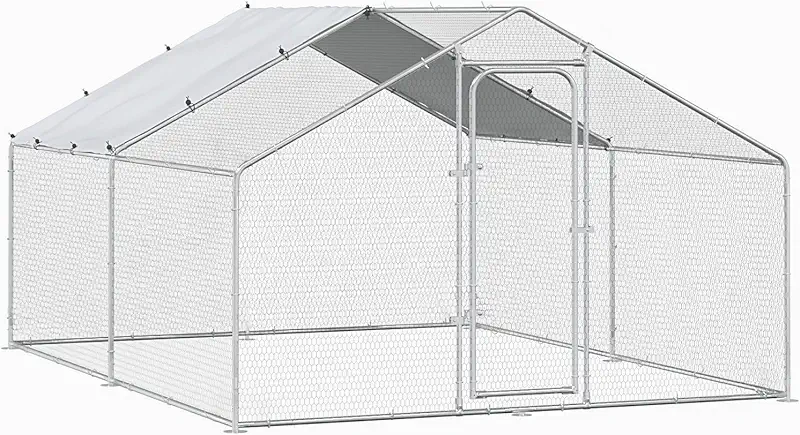
I use hardware cloth (not chicken wire) anywhere predators can reach. It costs a little more than that cheap hex wire, but it saves you heartache and replacement birds down the road.
Here’s how to stay thrifty and safe at the same time:
- Use real hardware cloth around the lower few feet of the run and anywhere there’s a gap bigger than a finger.
- Apron the wire on the ground: lay 12–18 inches of wire flat on the ground around the run and cover with soil or rocks. It stops diggers cold.
- Cheap roof, solid latches: a basic metal or shingle roof is fine, but don’t cheap out on the door hardware. Raccoons have nimble little burglar hands.
The first time a coon opened my simple hook latch, he taught me to use two‑step latches or carabiners. If it takes you a second to open, it’ll slow him down, too.
Keeping It Dry Without Spending A Fortune
Chickens handle cold better than damp. A cheap coop that stays dry inside will beat an expensive, leaky one every single winter. Water brings smell, flies, and sickness. So we keep it simple and shed that water fast.
Roofing Options That Won’t Break You
On my place I’ve used whatever I could get my hands on:
- Leftover metal roofing panels (my favorite)
- Basic asphalt shingles over cheap OSB
- Corrugated plastic panels with good overlap
Simple Sloped Roof Setup
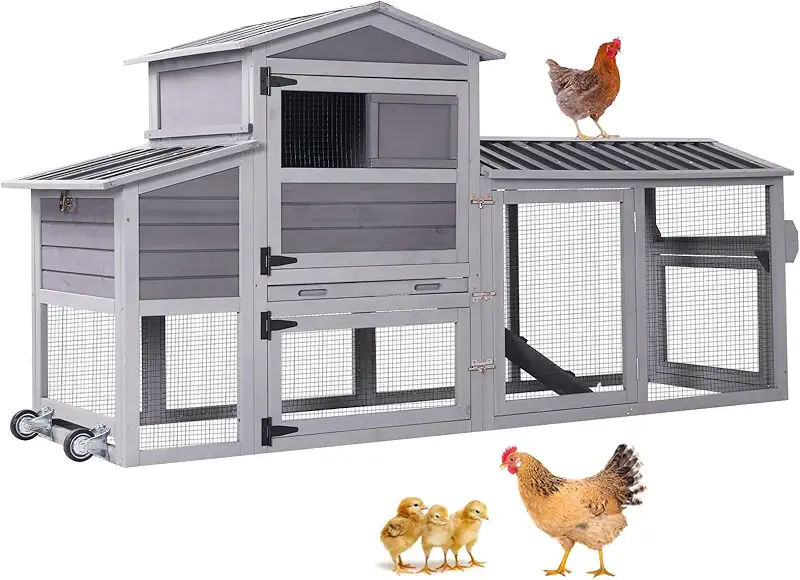
A single‑slope roof (a shed roof) uses fewer boards and is easy to build. One tall wall, one short wall, a couple of rafters. Rain and snow slide off, and the hens stay dry without fancy carpentry.
Whatever roof you pick, give it enough overhang that rain doesn’t blow straight in the vents and doors, especially on the side your wind usually comes from.
Ventilation: Fresh Air Without Drafts
If there’s one thing I wish I’d known when I built my first coop, it’s this: chickens need a lot more fresh air than you think, even in winter. Moist air and ammonia from droppings will freeze combs faster than cold, dry air.
To do it cheap and right:
- Put vents high up near the roof, not right at roost level.
- Cover vents with hardware cloth to keep out critters.
- Use simple hinged flaps or old windows you can crack open or close depending on weather.
Good Air, Calm Hens
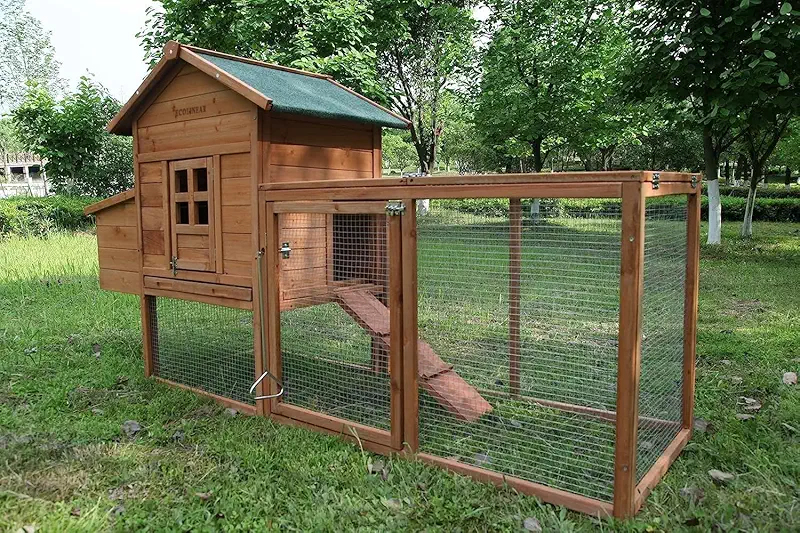
Simple screened openings just under the eaves move moist air out and keep the coop smelling more like clean shavings than a wet barn corner.
Roosts, Nesting Boxes, And Bedding On A Budget
I’ve spent more time watching hens settle in for the night than most folks spend watching TV. They’re fussy about two things: where they sleep and where they lay. Get those right with cheap materials and your birds will forgive a lot of other sins.
Roosts
I like a 2x3 or 2x4 turned with the wide side up. It’s gentle on their feet, and in cold weather they can cover their toes with feathers.
- Place roosts higher than the nesting boxes
- Leave at least 12 inches between bars
- Keep roosts away from cold drafts and from the feeder
Nesting Boxes
You don’t need fancy boxes. I’ve used milk crates, old wooden crates, and basic plywood boxes with a little lip in front to keep straw in.
- 1 box for every 3–4 hens is usually enough
- Keep them a bit off the floor but lower than the roosts
- Line with straw, shavings, or even dry leaves in a pinch
Cozy Corners For Egg Laying

Darker corners with simple boxes invite hens to lay in the same place instead of hiding eggs where you’ll find them with your boot instead of your hand.
Bedding
Around here, pine shavings or straw are the easiest and cheapest. I’ve even used dried grass clippings once they were good and crispy.
- Keep bedding dry and at least a couple of inches deep
- Stir or add fresh on top each week
- Do a deep clean several times a year
Cheap Coops For Tough Weather
I’ve had coops stand up to blizzards, sideways rain, and the kind of wind that makes you walk at an angle. You don’t need to spend a fortune, but you do need to think ahead to the worst day, not the best one.
Weather‑Ready Coop Ideas
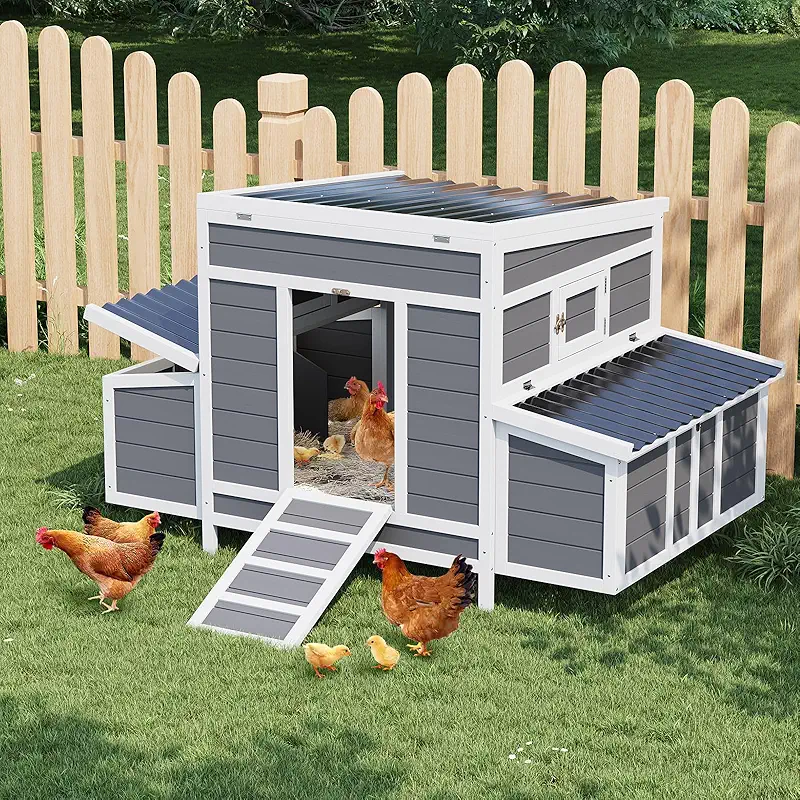
Even a small coop can be braced, anchored, and wrapped against wind and snow. A few extra screws and some foam board can turn a simple frame into a snug little hen house.
For cold areas, I like solid walls with maybe some rigid foam insulation between boards if I have it lying around. For hot areas, more shade and more ventilation matters more than insulation.
Saving Money Over The Long Haul
When you’re figuring out how to build a chicken coop cheap, remember that the first cost is only part of the story. I’d rather spend a few extra dollars now than keep feeding a “money pit” coop that always needs patching.
Think long‑term cheap:
- Solid roof so you’re not replacing flooring every spring
- Good wire so you’re not buying replacement birds
- Decent doors and hinges so you’re not fighting warped wood every morning
The goal isn’t the prettiest coop on the internet. The goal is healthy hens, safe nights, and eggs that practically walk themselves to your breakfast table.
FAQ: Cheap Chicken Coop Questions Folks Always Ask Me
Yes, you can. I’ve done it more than once. The key is to save money on looks, not on structure and wire. Use reclaimed lumber, pallet wood, and simple framing, but use proper hardware cloth on openings and a solid roof. Think strong skeleton, cheap “skin.”
For 3–4 hens, I wouldn’t go smaller than about 3x4 feet inside with a small run attached. Bigger is always better if you have space. Remember, cramped birds get stressed and start bad habits like feather picking, which costs you money and peace of mind later.
Chicken wire is fine for keeping chickens in; it is not great for keeping predators out. Raccoons, dogs, and even strong rats can tear through it. I use chicken wire only for inside dividers or for the top half of a run. Anywhere a predator might reach in or dig under, I use hardware cloth.
I’ve used scrap foam board, old barn boards with a gap of straw between them, and even cardboard layers sandwiched between pallets. Just keep insulation where birds can’t peck and eat it. Often, tight construction, deep bedding, and wind protection on the north and west sides are enough in many parts of the U.S.
Latches and hinges. Early on, I bought the cheapest hinges they sold, and I spent a lot of mornings lifting sagging doors and cussing under my breath. Sturdier hinges and real latches don’t cost much more, and they make the whole coop feel solid and last years longer.