
cheap way to insulate chicken coop
cheap way to insulate chicken coop without wasting a single dollar more than you have to
I’ve been raising laying hens on windy American farmland for a long time now, and I’ve learned this: your birds don’t need a fancy barn, they just need a dry, draft‑free coop and a keeper with a bit of common sense. Let me walk you through the thrifty tricks that kept my girls laying when the water buckets turned to ice.
Why insulation matters more than you think
When folks ask me for the cheap way to insulate chicken coop walls, they usually expect me to tell them about some miracle product. Truth is, my best insulation has often been scrap lumber, feed bags, and a good shovel. But before we talk about materials, we need to talk about what we’re really trying to do for the birds.
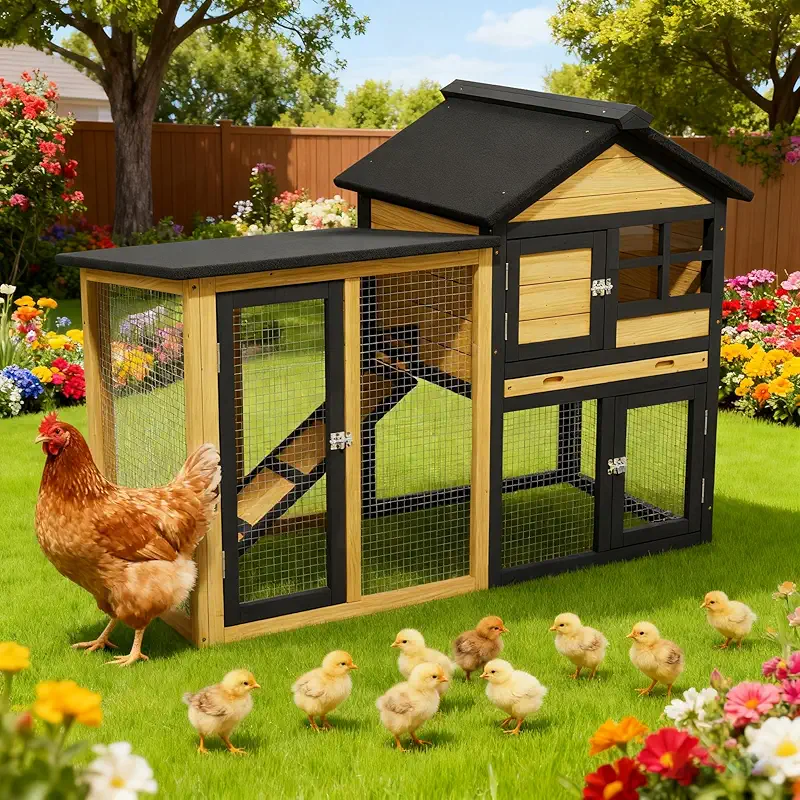
Chickens handle cold better than people think. I’ve watched my hens scratching in the snow while I was the one shivering in my coat. What they can’t handle is three things:
- Cold wind blowing straight on their combs and wattles
- Damp bedding and leaky roofs
- Sudden temperature swings from warm to freezing
Insulation in a coop isn’t about making it toasty like your living room. It’s about keeping the inside steady, dry, and calm. You want to cut the drafts, slow down heat loss, and let the birds’ own body heat do the rest. A dozen hens put out more warmth than you’d think, especially when they roost close together.
If I step into the coop on a cold night and it smells fresh, feels dry, and there’s no breeze on my face, I know I’ve got it about right. If it smells like a porta‑potty at the county fair, I know I’ve sealed it up too tight.
The foundation of any cheap insulation: control the drafts first
Before you spend a single dollar on fancy panels, fix the drafts. I once watched a neighbor stuff his walls with foam, then leave a half‑inch gap under the door. His birds were basically sitting in a high‑end refrigerator.
Where cold sneaks in
- Gaps around doors and latches
- Cracks between old wall boards
- Loose spots along the roof line
- Broken windows or bent hardware cloth
- Unsealed corners where walls meet
On a windy day, I walk around the coop and feel with my bare hands. If I can feel air on the back of my fingers, the chickens can feel it on their combs.
Cheap draft stoppers I actually use
- Feed bag “wallpaper” – Staple empty feed bags over cracks from the inside.
- Old blankets – Tack them on the outside of doors at night.
- Scrap boards – Screw thin strips over long gaps between boards.
- Weather‑stripping – A little roll can seal a whole door frame.
It doesn’t have to look pretty. Chickens don’t post coop pictures on the internet. They just want calm air and dry feet.
My favorite cheap way to insulate chicken coop walls
Over the years I’ve tried a little of everything, from hay bales to store‑bought panels. Some ideas were smart; some were, let’s just say, “educational.” Here are the low‑cost methods that earned their keep.
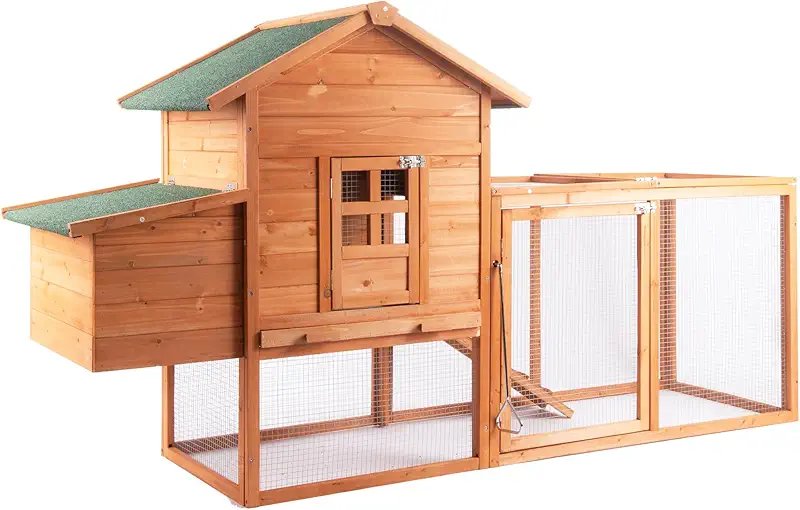
1. Cardboard and feed bags “sandwich”
One of the cheapest tricks I use is a simple wall sandwich: wall, cardboard, and a cover layer. I collect big boxes from the feed store and cut them to fit between studs.
- Cut cardboard panels to the size of the wall sections.
- Staple or screw them to the inside of the wall.
- Cover the cardboard with feed bags, thin plywood, or old barn siding.
Cardboard adds a bit of R‑value, but more importantly it cuts drafts and keeps the inside surface warmer. Covering it keeps the birds from pecking and stops it from soaking up moisture.
2. Recycled foam panels (used smart)
I’ve picked up foam insulation panels from old construction jobs and auctions. They’re light, easy to cut, and work well if you never leave them exposed to the birds.
Hens think foam is a snack sent from heaven. If they can reach it, they’ll pick at it all day, and that isn’t safe. So whenever I use foam:
- I put it between studs or on the outside of the coop walls.
- I always cover it with wood, metal, or even thick plastic sheeting they can’t shred.
- I seal the edges, so there’s nothing to nibble.
If you ever use heat sources like lamps or heaters, keep them well away from foam and anything that can melt or burn. I’m not a fan of heat lamps in wooden coops; one coop fire teaches you that lesson fast.
3. The “double wall” trick with air gap
Air is a pretty good insulator if you trap it. On one of my older coops, I screwed thin OSB panels to the inside, an inch away from the outer wall, leaving an air gap. Suddenly that old drafty coop felt a lot calmer inside.
You don’t need fancy framing. A few furring strips, some cheap panels, and you’ve built an air pocket the chickens will appreciate all winter long.
Insulating the floor and using deep litter wisely
When we talk about a cheap way to insulate chicken coop, the floor gets ignored, but a cold floor will suck the warmth right out of a coop. I learned that the hard way with a small starter coop that sat on bare concrete. The birds did fine, but their water froze fast and the eggs got chilly.
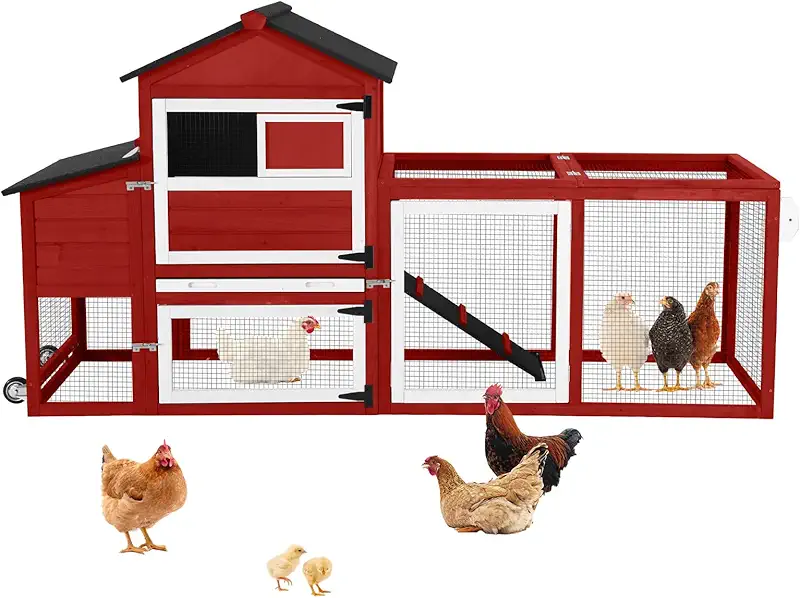
Deep litter, done the right way
Deep litter is one of my favorite “farmer hacks.” It insulates, keeps birds off the cold floor, and can even create a little gentle warmth as it breaks down. Here’s how I manage it:
- Start with a dry base layer of shavings, chopped straw, or dried leaves.
- Add a thin layer every week instead of cleaning everything out.
- Stir or rake it lightly now and then to keep things from matting and smelling.
- Keep it dry – if it’s getting wet, fix leaks or waterers first.
By mid‑winter, I might have six to eight inches of bedding in there. It feels springy underfoot, and the birds’ feet stay warm and clean. In spring, I clean it out and it’s halfway to compost already.
Protecting raised or open floors
If your coop is up on legs with an open bottom, cold air will sweep under it like a tunnel. That’s great for summer, not so great for January. Cheap ways to help:
- Stack straw bales or pallets around the base for the winter season.
- Skirt the bottom with old tin roofing or plywood to block wind.
- Create a small “porch” area where birds can stand off the snow before going inside.
Roof, windows, and ventilation: where most folks mess up
When winter hits, new chicken keepers tend to do one of two things: leave the coop wide open, or seal it up like a Tupperware bowl. Both are rough on birds.
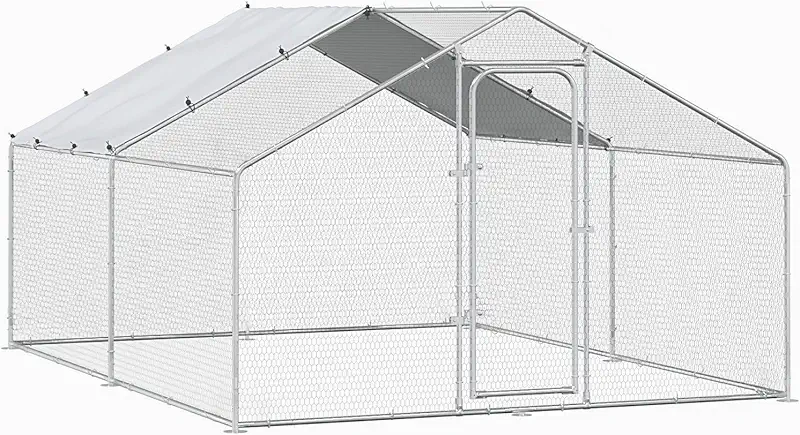
Ventilation without drafts
Good winter ventilation is above the birds’ heads. Ammonia and moisture rise. If you give them an escape route high up, the coop stays fresh while the birds stay in still air.
- Keep vents near the roof line, screened with hardware cloth.
- Make sure roosts are lower than the vents, so birds aren’t in the direct airflow.
- Use adjustable vents or boards so you can tweak openings as weather changes.
Windows and light
I like having at least one window in a coop, but in winter it can leak cold. A cheap fix is to add a removable inner layer:
- Clear plastic stapled around the frame for a second “pane.”
- Old storm window or scrap acrylic screwed over the outside.
- A curtain or flap you can close at night if it really howls out there.
I’ve even hung old feed sacks over windows on the coldest nights and flipped them back up on sunny days.
How to insulate without inviting rats and mites
Now, I’d be lying if I said every “cheap way to insulate chicken coop” I’ve tried was perfect. Once, I thought stacking hay bales along the inside wall was a clever idea. Turned out the mice thought I’d built them a winter condo with room service.
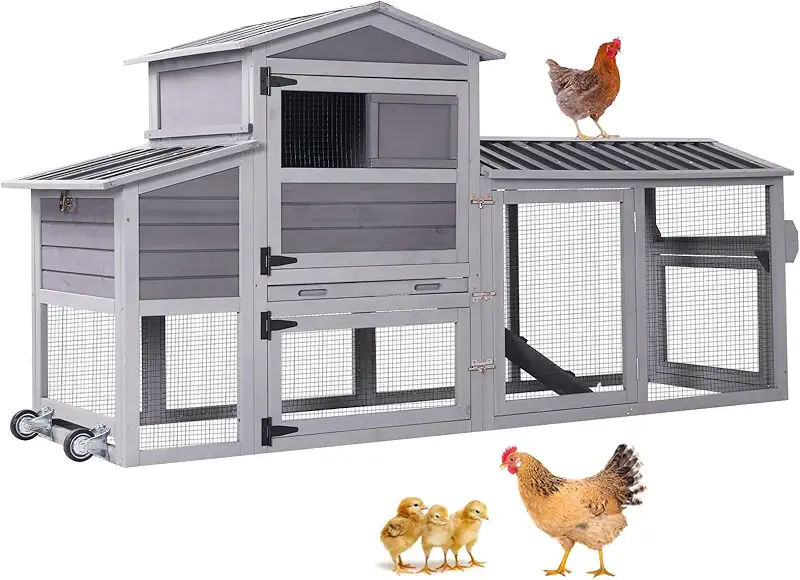
Good ideas for low‑cost insulation
- Cardboard sealed behind solid panels
- Recycled foam fully covered and out of reach
- Deep, dry litter on the floor
- Exterior wind breaks made of pallets, tin, or boards
- Feed bag liners over old walls
Tricks that cause trouble
- Loose straw bales stacked inside all winter
- Open fiberglass or foam where birds can peck
- Plastic sheeting sealing the coop completely airtight
- Random cloth piles that stay damp
- Food scraps left in corners “for later”
Whenever I insulate a coop, I ask myself two questions: “Can a mouse nest in this?” and “Can a chicken eat this?” If the answer to either is yes, I cover it better or use something else.
Keeping combs safe and eggs coming in cold snaps
A well‑insulated coop helps, but there are a few extra tricks that keep your hens comfortable when the weather really turns mean.
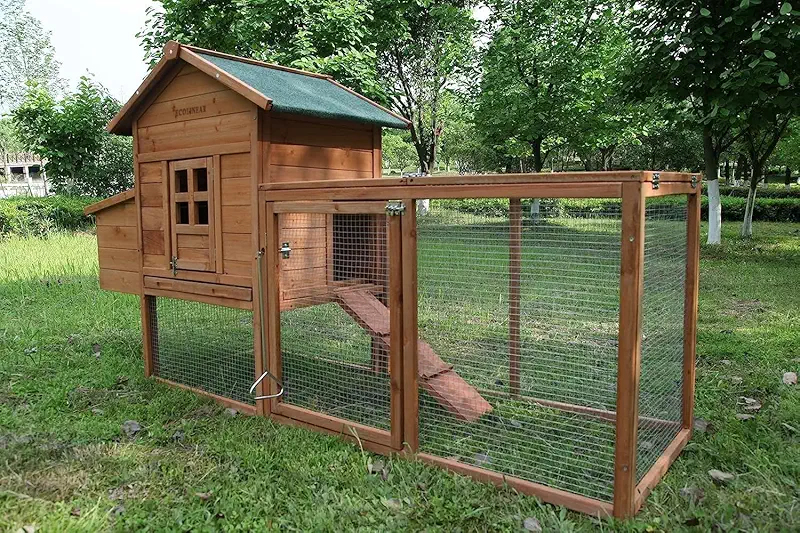
Roost height and placement
I like my winter roosts:
- Higher than the nest boxes, so birds don’t sleep where they lay.
- Away from doors and windows where drafts sneak by.
- About 2–3 feet off the ground, with room for the birds to fluff up.
A flat 2x4 with the wide side up lets hens sit on their feet and keep toes warm under their bodies.
Comb and wattle care
In very cold parts of the country, big‑combed roosters can get frostbite even in a good coop. Lightly rubbing a bit of plain petroleum jelly on combs before an extreme cold snap can help. It’s not magic, but it adds a little protection when the wind howls.
Eggs and water in winter
Even the best insulated coop won’t keep water from freezing forever in single‑digit weather. I use a few tricks:
- Two waterers that I rotate, keeping one thawed in a shed.
- Black rubber bowls that are easy to knock ice out of.
- Nest boxes lined with extra bedding so eggs don’t chill so fast.
I also collect eggs more often on cold days. A frozen egg is a little sad reminder that I was late on chores.
Real‑world examples of cheap insulation setups
To make things easier, let me share two simple setups I’ve used on my own place. Neither one would win a beauty contest, but the hens didn’t complain.
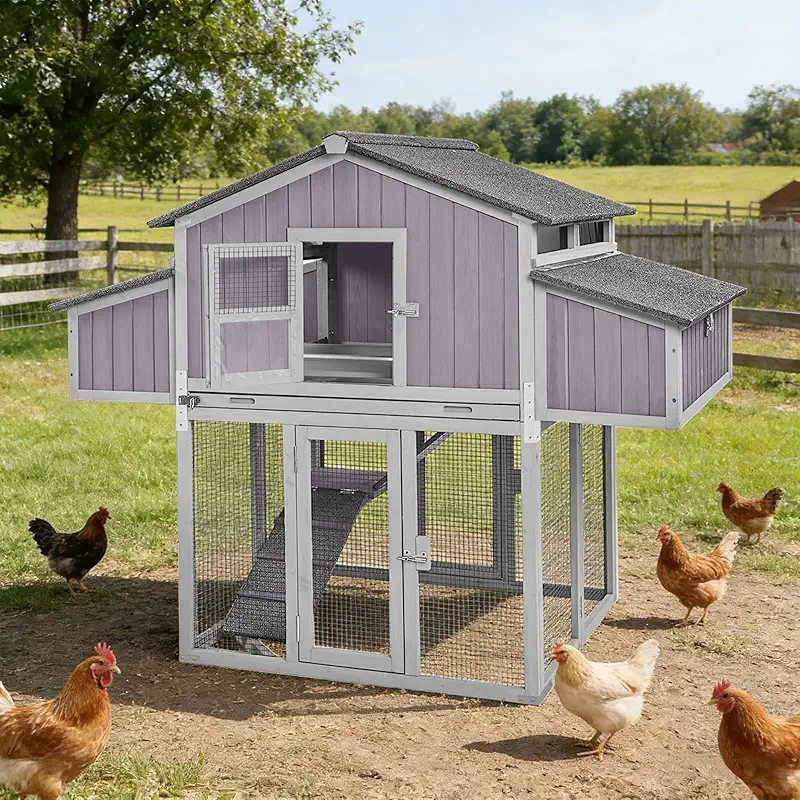
Backyard budget coop (small flock)
For a small 4–6 hen backyard coop, here’s a realistic cheap way to insulate chicken coop without going overboard:
- Line walls inside with flattened cardboard from appliance boxes.
- Cover cardboard with feed bags or thin plywood, screwed into studs.
- Add 4–6 inches of shavings on the floor and use deep litter.
- Staple clear plastic over the outside of the wind‑facing side in winter.
- Leave a small, high vent open year‑round for fresh air.
Homestead walk‑in coop (bigger flock)
In my larger walk‑in coop, I went a little further while still keeping it frugal:
- Recycled foam panels between studs, fully covered with OSB.
- Double‑layer door: solid lower half, window up top with a closeable flap.
- Deep litter on the floor and skirting around the outside to block wind.
- Adjustable ridge vent so moisture can escape without chilling birds.
Both setups kept eggs coming and combs healthy through winters that had me chipping ice out of water troughs with a hammer.
Frequently asked questions about a cheap way to insulate chicken coop
They don’t need a heated mansion, but they do need a place that’s dry, draft‑free, and reasonably steady in temperature. Good insulation, even if it’s just cardboard and deep bedding, helps them hold their own body heat. You’ll see steadier egg production and fewer frostbit combs when the coop is snugged up right.
Cardboard behind a solid cover is probably the cheapest safe option most folks can get their hands on. Empty feed bags, scrap wood, and recycled panels can turn that into a solid little wall system. Just remember: anything the birds can peck or mice can nest in needs to be covered or sealed.
You can use plastic as a wind break, but don’t wrap the coop so tight that no air can escape. Moisture and ammonia will build up and cause more problems than the cold itself. I like plastic on the outside of the windward side, plus high vents that stay open for fresh air.
In most US climates, simple coop insulation won’t overheat birds in winter. The main risk is actually summer heat. If you insulate the coop, make sure you can open windows, vents, or even a whole side of the coop in hot weather. Chickens handle cold better than heat, so plan for both seasons when you build.
I use simple checks. On a cold night, step inside after dark with a flashlight:
- If you feel a breeze on your face, you’ve got drafts to fix.
- If the air is damp and stings your nose with ammonia, you need more ventilation up high.
- If it’s dry, calm, and just a touch warmer than outside, you’re doing fine.
Watch the birds too. Fluffed but relaxed hens on the roost are content; birds huddled in a tight shivering pile near the door usually mean drafts or too little bedding.
Wrapping it up: keep it simple, warm, and honest
After all these years, my philosophy on the cheap way to insulate chicken coop spaces is pretty simple: use what you have, keep it dry, block the wind, and don’t forget fresh air. Chickens don’t need perfection. They need consistency, clean bedding, and someone who checks on them when the weather turns mean.
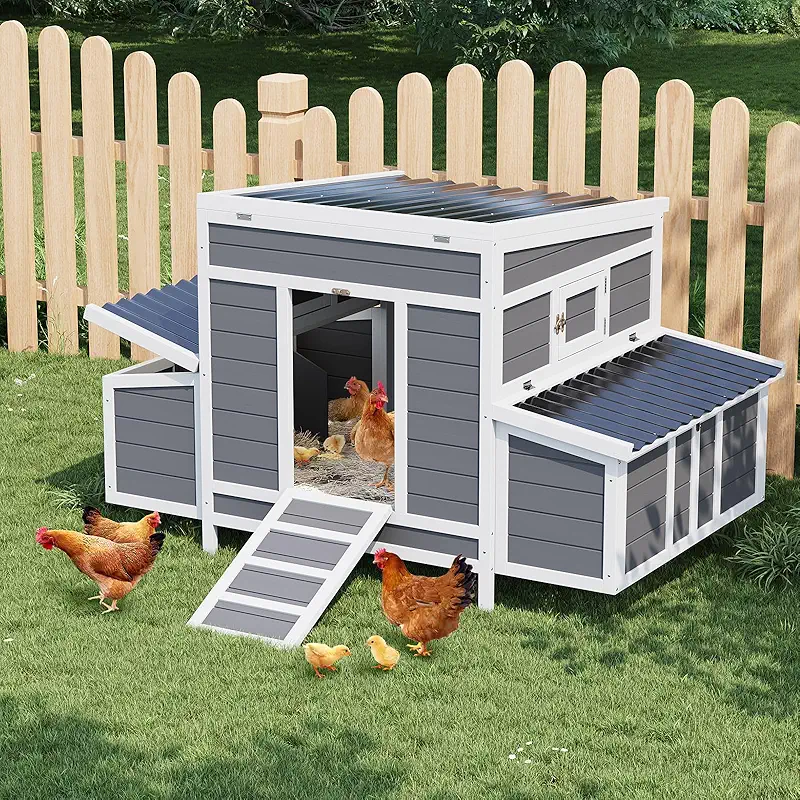
If your birds step out in the morning bright‑eyed, with dry feathers and steady laying, then your coop is doing its job. It doesn’t matter if it’s made from shiny boards or old pallets, so long as you’ve thought through the drafts, the bedding, and the airflow.
Once you’ve got the basics down, it can be helpful to look at how different ready‑made coops are built, just to borrow a few ideas. Solid doors, decent roof overhangs, and sensible ventilation can save you a lot of trial and error in your own setup.