
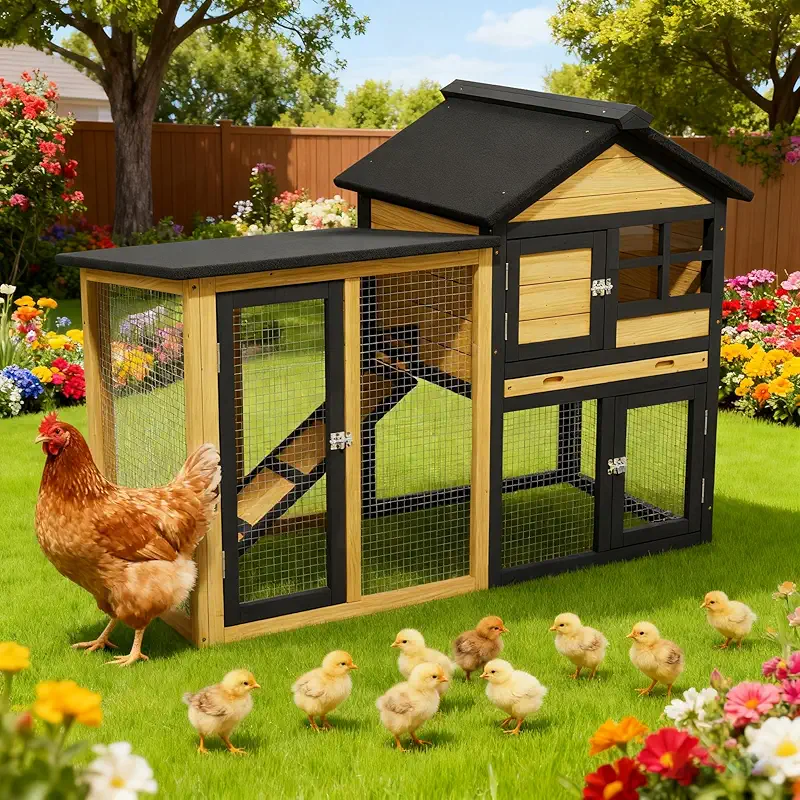
Yes, you can buy chicken coops. The bigger question is whether you should buy one, build one, or do a bit of both. Out here on my farm, I have tried every version: pallets tied together with bailing twine, fancy red barn coops that looked prettier than my house, and plain wooden boxes that just quietly worked for years.
If you are scratching your head and asking yourself can you buy chicken coops that are safe, warm, and easy to live with, you are already on the right path. Folks who worry about their hens usually end up being good keepers.
Buying vs building: what I learned the hard way
When I built my first coop, I was long on enthusiasm and short on sense. I thought, "How hard can a box with a door be?" Well, the first windy night answered that. The roof rattled, the door swung open, and my hens marched right into the barn like they were complaining to management.
Years later, after one long harvest season, I was too tired to swing a hammer. That is when I finally asked myself can you buy chicken coops that beat a homemade one. I ordered a kit, hauled the boxes to the yard, and put it together with a cup of coffee instead of a full tool belt.
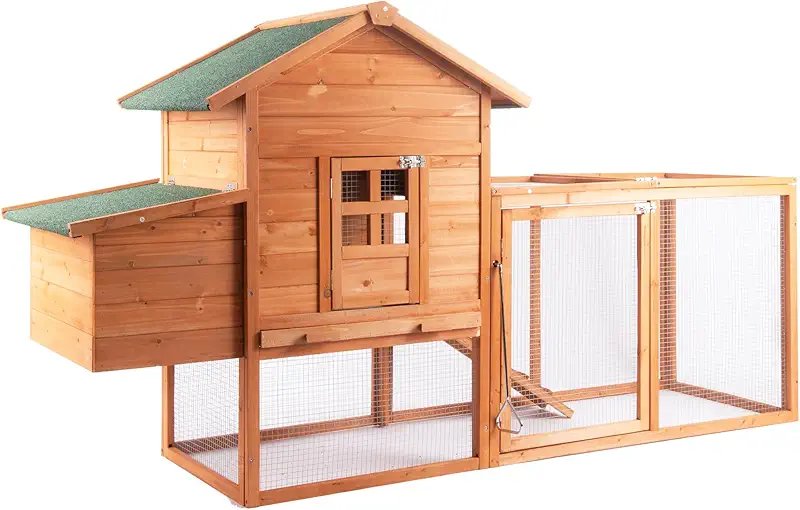
That store-bought coop was not perfect, but it saved me time and got my new pullets settled before the fall rains hit. That is worth more than bragging rights about building everything yourself.
What a good bought coop must do for your hens
Whether you build or buy, the hens do not care about brand names. They care about a few simple things. When folks ask me can you buy chicken coops that are truly “good,” I tell them to stop looking at the paint and start looking at the basics.
1. Enough space for real chickens, not dollhouse birds
Many coops you see in pretty pictures are what I call “postcard coops.” They look nice, but they are cramped. For laying hens, I tell folks to aim for:
- At least 3–4 square feet per hen inside the coop.
- 8–10 square feet per hen in the run if they are not free-ranging.
- One nest box for every 3–4 hens, with a little lip to keep the bedding in.
If the product says “good for 8 chickens,” my rule of thumb is to treat it as good for 4–5. The marketing department and the chickens are not using the same measuring tape.
2. Real predator protection, not wishful thinking
Out here I have met every kind of thief: raccoons, foxes, stray dogs, even a mink that looked like it had read a lock-picking manual. When deciding can you buy chicken coops that hold up overnight, look for:
- Solid wood or sturdy metal, not flimsy thin panels you can flex with one hand.
- Hardware cloth on windows and vents, not chicken wire. Chicken wire keeps chickens in; it does not keep predators out.
- Locks that need fingers to open, not simple slide latches a raccoon can flip.
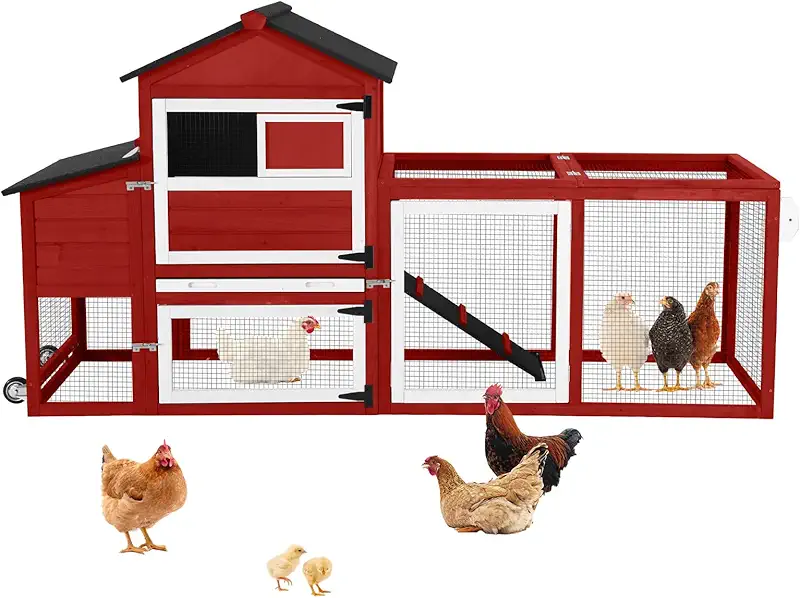
3. Airflow without drafts
New keepers worry a lot about cold and not enough about damp air. Chickens wear down coats all winter; what hurts them is moisture and ammonia from droppings. So when you are asking can you buy chicken coops that keep birds healthy, check:
- Upper vents to let warm, moist air escape.
- Openings covered with hardware cloth, not just big gaps.
- Roosts placed so wind does not blow directly on the birds.
I remember one January when the temperature dropped close to zero. My neighbor’s fancy but poorly vented coop turned into an ice cave. My plainer coop with good airflow stayed drier, and my hens came through with better combs than I did fingers.
can you buy chicken coops that are easy to clean?
Cleaning is where the shine wears off a bad design. The first week you are excited; by week six you are tired and busy, and that coop is either helping you or fighting you.
I always tell folks: look for ways the coop makes your lazy days easier. Because you will have them. I sure do.
Things I check before I say “good enough”
- Big doors you can actually fit a shovel or scraper through.
- Removable trays or boards under the roosts for quick scraping.
- Floor high enough off the ground that you are not crawling on your knees to reach the back.
- Roof you can open or side panels you can swing out for a full clean once in a while.
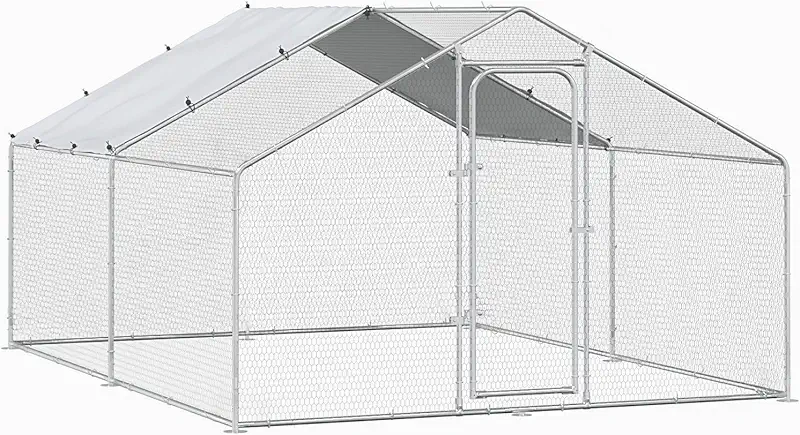
The coop I like the most on my place is not the prettiest; it is the one I can clean in under ten minutes before breakfast. That is the one that stays clean all year.
Wood, metal, or plastic: what should you pick?
Folks ask me all the time can you buy chicken coops that are not wooden and still hold up. The answer is yes, but each material has its own personality.
Wooden coops
Wood is warm, easy to repair, and looks like it belongs on a farm. It also soaks up moisture and can rot if you do not stay ahead of it. If you go with wood:
- Look for thicker boards, not thin crate wood.
- Check that the legs and base are treated or protected from constant mud.
- Plan to repaint or reseal every couple of years.
Metal coops
Metal stands up to chewing predators and dogs pretty well. Its downside is heat and cold. On hot July afternoons, a metal coop can turn into a frying pan if there is not enough shade and ventilation. In cold wind, metal can sweat inside.
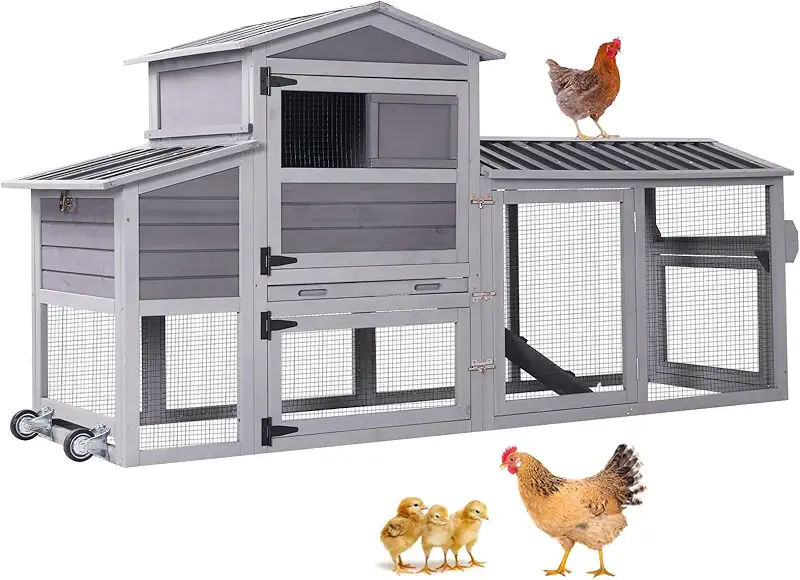
Plastic coops
Plastic does not rot and is easy to hose out. The better ones are sturdier than folks expect. The cheaper ones can feel like kids’ toys. If you are asking can you buy chicken coops made of plastic and still trust them, I would say:
- Stick to thicker, rigid plastic with solid connections.
- Make sure there is bracing so it does not twist in the wind.
- Check reviews from people in hot and cold climates, not just one or the other.
How many hens really fit in those “small” coops?
When my kids were little, they used to cram four cousins onto one swing and say, “See, it fits!” That is about how some coop labels work. So when you are thinking can you buy chicken coops marked for 6–8 birds, here is how I downsize the claims:
- "2–3 hens" size: Better for 2 bantams or a pair of big hens, and even then only if they free-range.
- "4–6 hens" size: Treat it as 3–4 standard hens.
- "8–10 hens" size: More honest for 6–7 hens.
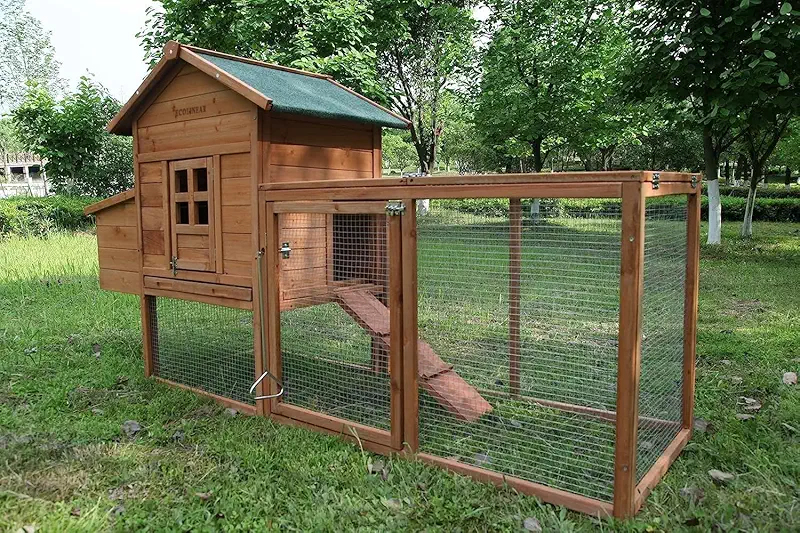
Crowded hens pick, squabble, and get sick faster. Give them some elbow room and they will pay you back in eggs and quiet mornings.
Planning for your weather and predators
My brother lives down South where the main worry is heat and snakes. I am farther north, where my main worries are wind, snow load, and smart raccoons. So the answer to can you buy chicken coops that work everywhere is usually no. You want one that fits your ground.
If you are in a cold climate
- Look for steeper roofs so snow slides off.
- Make sure the coop stands off the ground to keep the floor drier.
- Ventilation high up, not right at perch level.
If you are in a hot climate
- Big shaded run area is more important than thick walls.
- Plenty of vents, windows, and maybe wire sides you can cover in winter.
- Light colors so the coop does not soak up sun like a blacktop.
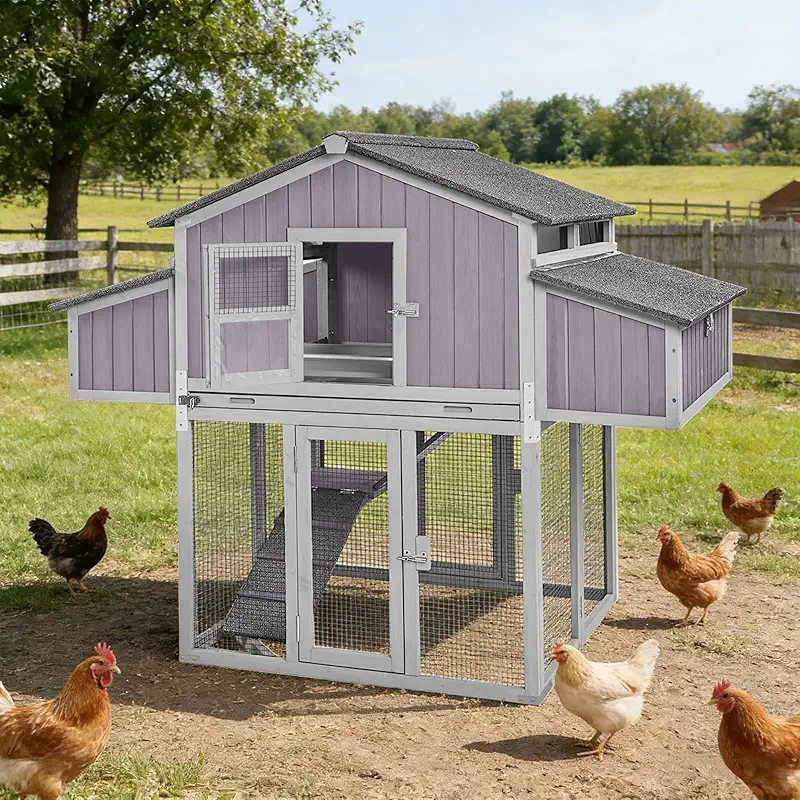
And no matter where you are, if you have foxes, raccoons, or neighborhood dogs, treat the base and doors of the coop like they are guarding gold. Because to a hungry predator, that is exactly what your hens are.
My simple checklist before I bring a coop home
When folks ask me can you buy chicken coops online and not regret it, I say yes, if you slow down and ask the right questions. I follow this quick list:
- Does it give at least 3–4 square feet per hen inside?
- Are the vents protected with hardware cloth, not chicken wire?
- Can I reach every corner for cleaning without crawling?
- Is the door big enough for my hands, not just for the chickens?
- Can it be anchored or weighed down against wind?
- Do other keepers mention real-world use through at least one full year?
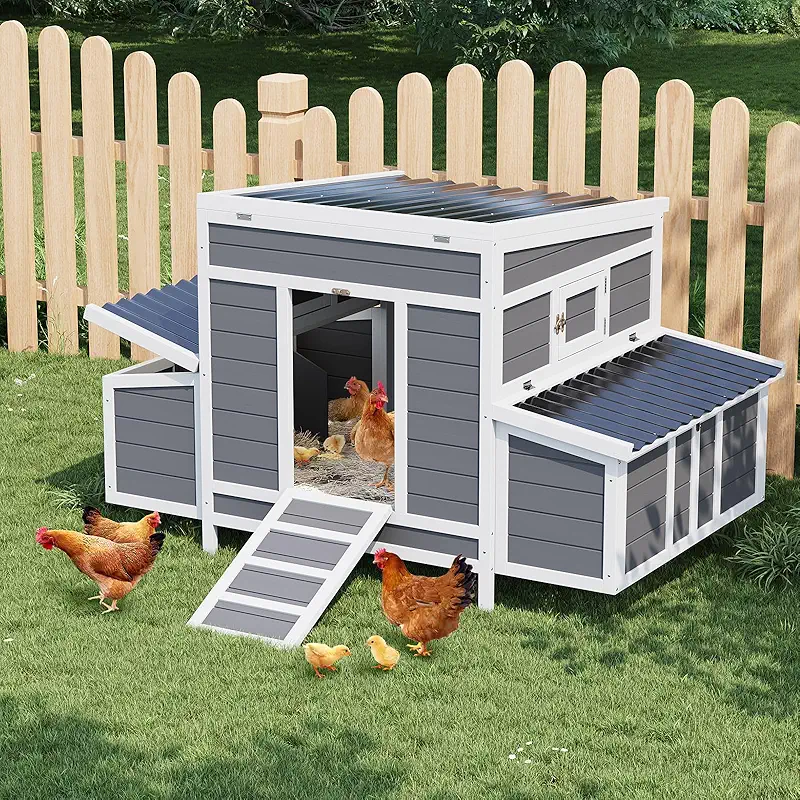
Once you train your eyes to see past the cute trim and little windows, you realize that yes, you can buy chicken coops that truly work. They just do not always shout the loudest in the pictures.