
chicken coops on Amazon
chicken coops on Amazon can be a blessing if you know what you’re looking at—and a headache if you don’t. I’ve raised laying hens for decades out here in the States, and I’ve seen every kind of coop mistake you can think of.
Let me walk you through how I judge ready-made coops, so your birds stay safe, dry, and laying strong while you keep your wallet mostly intact.
Links on this page are affiliate links. Price is the same for you; a small commission helps keep the chickens in scratch grain.
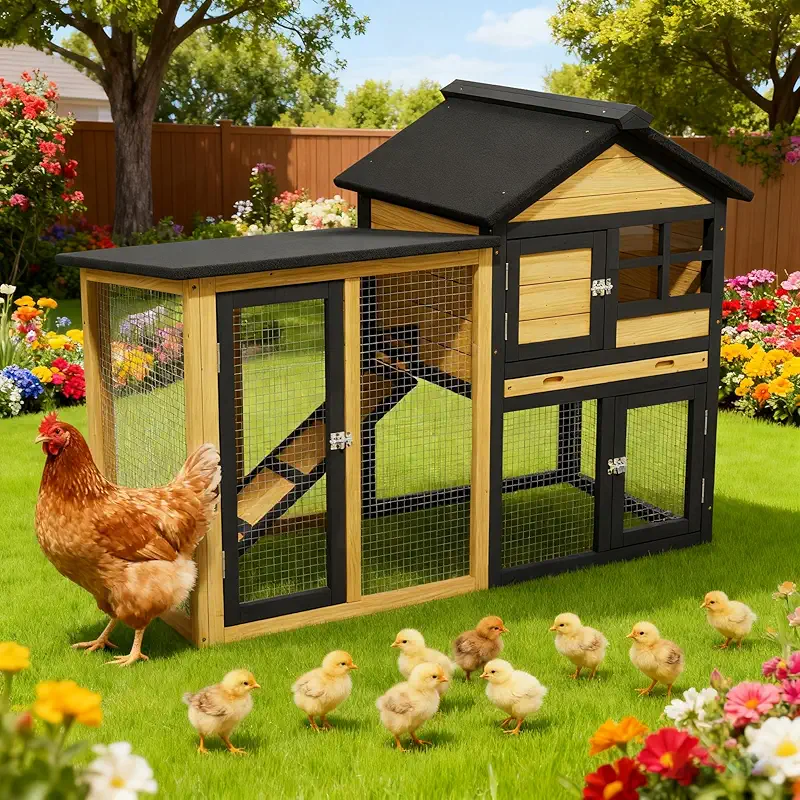
What I really look for in chicken coops on Amazon
When folks ask me if those chicken coops on Amazon are “any good,” I tell them this: a coop doesn’t have to be fancy, but it does have to be honest. By honest, I mean the wood should hold up to real weather, the space should match the number of birds, and the design should make daily chores easy instead of a back-breaking circus.
I’ve built coops from scrap lumber, bought premade ones, and even turned an old horse trailer into a hen palace once. These days, more and more neighbors show up with coops they ordered online. Some are solid little homes. Others… well, let’s just say a strong raccoon with an attitude could file a complaint and win.
So, when I scroll through chicken coops on Amazon, this is what my farmer’s eye is hunting for before I’d ever put my girls inside.
1. Enough room for real chickens, not cartoon ones
Marketing photos love tiny, perfectly clean chickens. Real hens are fluffier, messier, and they actually move. Inside the coop itself, I like at least 3–4 square feet per bird, and more if you can swing it. Outside in a run, 8–10 square feet per hen is kinder.
- If a listing says “good for 6 chickens,” I usually treat it as 3–4.
- Look for interior dimensions in feet or inches, not just “up to X chickens.”
- Remember the feeder and waterer need space too, especially in winter.
Overcrowded hens get stressed. Stressed hens peck, scream, and stop laying. Ask me how I know. One winter, I tried to squeeze “just two more” pullets into a small coop. By January, the birds were mad, the eggs were tiny, and everyone, including me, was grumpy before sunrise.
2. Wood and wire that can take a beating
Most chicken coops on Amazon are made from softwood, often fir. That’s not automatically bad, but thin, soft boards and flimsy wire are just an invitation for weather and predators to throw a party.
Here’s what I like to see:
- Wood that looks thicker than a cheap fence picket.
- Wire mesh that’s called “hardware cloth” or looks tight and stiff.
- Heavy-looking latches instead of little hook-and-eye clips.
If you’re handy at all, plan on doing a little “farmer upgrade” when your coop arrives. I often add extra screws, a coat of exterior stain, and sometimes a better latch. It’s like buying a bookshelf you like, then giving it a few extra nails so it doesn’t wobble when the cat walks by.
If you can afford it, buy a coop that might seem a little overbuilt for how gentle your area is. Weather has a way of surprising you the year after you go cheap.
3. A roof that minds the seasons
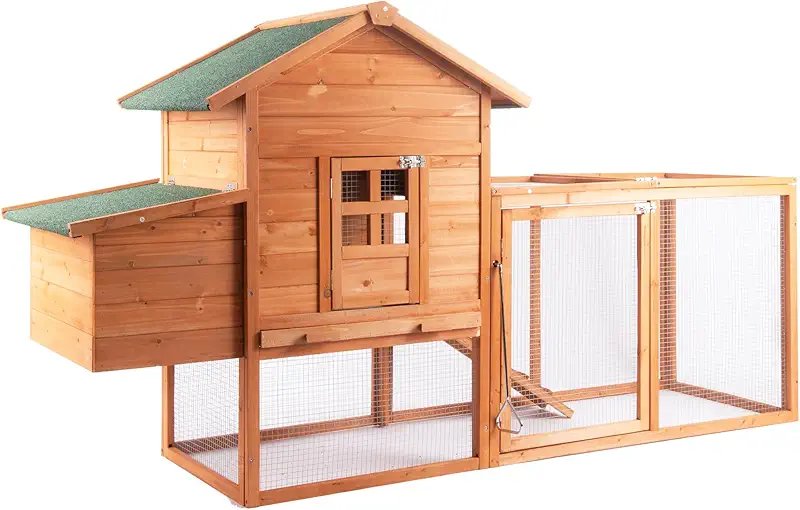
The roof is where a lot of cheaper chicken coops on Amazon try to save a buck. Thin asphalt sheets and low-pitch roofs will show their true colors after a few hard rains or a snow year that “wasn’t supposed to be that bad.”
Look for decent overhangs and photos where the roof looks like it really sheds water, not just sits there looking pretty. If you live where snow piles up, a steeper roof helps. In the hot South, a light-colored roof and plenty of shade make a big difference.
One summer, I tried to get away with a dark metal roof on a small coop with little airflow. By July, the inside felt like a toaster. The hens started panting the moment the sun hit it. I ended up adding shade cloth and opening another vent. Learned my lesson.
Making chores easy with chicken coops on Amazon
A coop can look cute in the pictures, but if it turns daily chores into a yoga class you never signed up for, you’ll start to resent the whole project. When I scan chicken coops on Amazon, I picture myself at 6 a.m. on a cold Tuesday, half awake, boots on, feed bucket in hand. Can I get in there fast, clean up, and get back to my coffee?
Nesting boxes that don’t punish your back
I like nesting boxes that open from the outside with a hinged lid. That way, I can gather eggs without crawling into the coop like I’m on some kind of chicken rescue mission.
Things I check for in the photos and reviews:
- Is the nesting box lid sloped so rain runs off?
- Is there a little lip on the front so bedding and eggs don’t tumble out?
- Does anyone mention leaks in the reviews?
I once had a coop where the lid was flat and the seam wasn’t tight. After every heavy rain, the nest bedding was soggy, and the hens looked at me like, “Buddy, you sit on a wet pillow and see how you like it.”
Doors, latches, and you with an armful of feed
Simple, solid doors make a world of difference. I prefer a walk-in door if you have the space, but with smaller chicken coops on Amazon, you often get little hatches. That’s fine as long as you can reach every corner without contorting yourself.
Predators are a sneaky bunch. Raccoons in particular are like tiny burglars with fur. I always plan on improving latches when the coop arrives—adding carabiners or barrel bolts so nothing clever with thumbs can pop it open.
Ventilation: the boring feature that saves lives
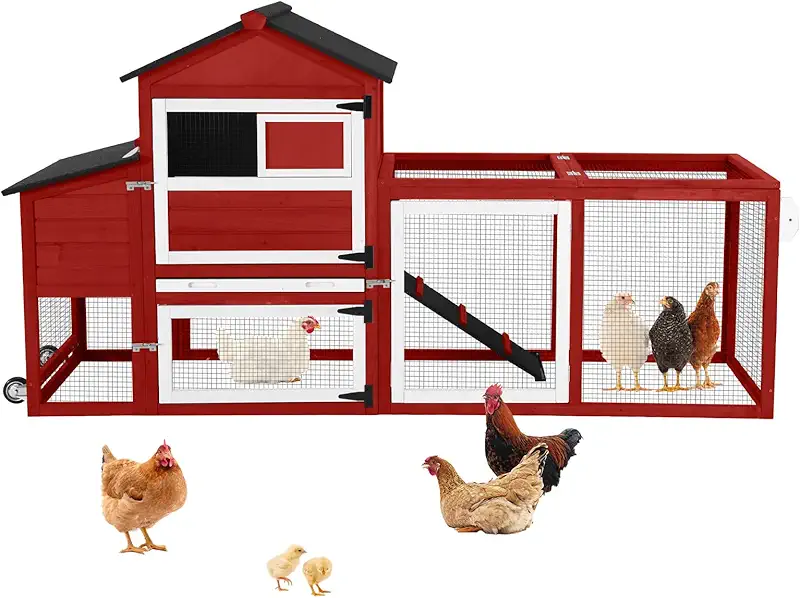
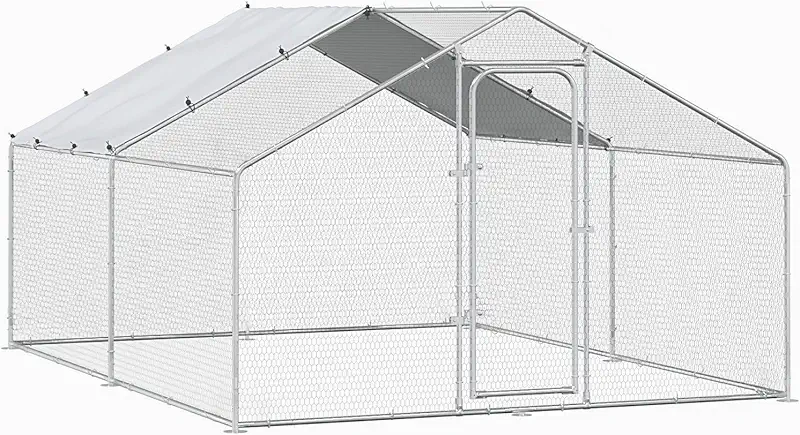
Everyone gets excited about color and style, but airflow is what keeps your hens’ lungs clear and the coop from turning into a damp, stinky box. I like to see vents high up, under the roof overhang, where drafts won’t blow straight on the birds.
In winter, people worry about “cold,” but what really hurts chickens is cold plus damp air. Good ventilation lets the moisture escape from their breath and droppings. When I scroll through chicken coops on Amazon, I look for:
- Windows with hardware cloth behind them.
- Gable or ridge vents near the roofline.
- Reviews that mention “no smell build-up” or “air flow is good.”
I once sealed a coop too tightly, thinking I was doing the hens a favor in winter. Frostbite showed up on combs, and the ammonia smell nearly knocked me over. A couple of small, covered vents fixed it almost overnight.
Predator safety and comfort in chicken coops on Amazon
Out here, something always wants chicken for dinner. Foxes, raccoons, opossums, neighborhood dogs, hawks—you name it. So when I study chicken coops on Amazon, I imagine the worst customer: a determined nighttime prowler with all the patience in the world.
Wire, skirting, and digging troublemakers
If your coop includes a built-in run, take a close look at the photos of the wire. Is it thin chicken wire, or does it look like stiffer, square hardware cloth? Chicken wire keeps chickens in, but it doesn’t always keep serious predators out.
I also like to add a wire skirt around the outside. Even if the coop itself doesn’t come with one, you can lay hardware cloth on the ground around the perimeter and cover it with soil or stones. When a fox tries to dig under, it hits that wall of wire and usually gives up.
Perches that feel like tree branches
Hens like to sleep up off the ground. Good chicken coops on Amazon will have roosting bars higher than the nesting boxes, made from wood that’s not too skinny or sharp. I often sand the edges a bit so they’re rounded, like a natural branch.
Give each hen about 8–10 inches of roost space. If they’re crammed together, you’ll find some poor soul trying to tuck into a nest box, and then you’re cleaning a lot more mess from where you want clean eggs.
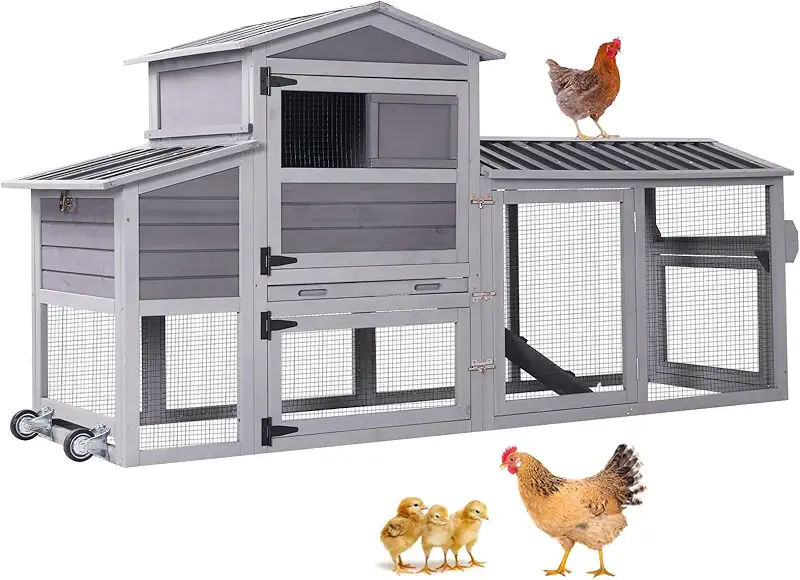
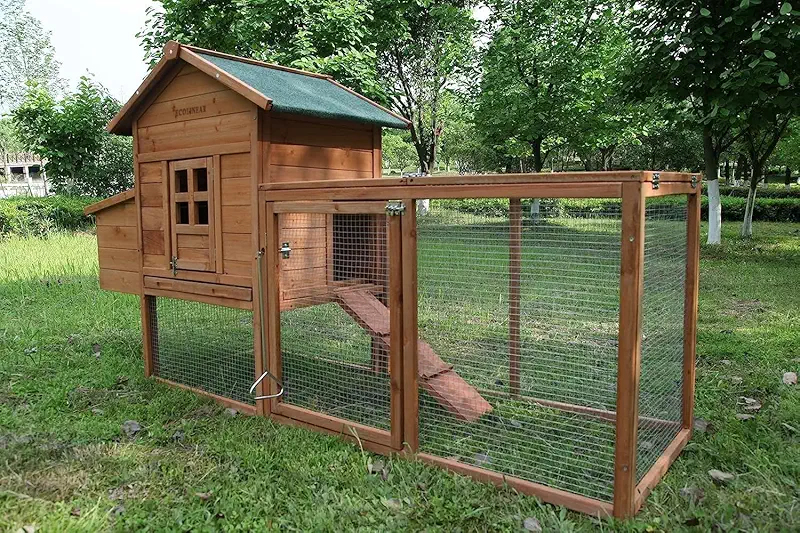
Summer shade and winter shelter
Chickens handle cold better than heat, but they don’t like drafts or being damp. When evaluating chicken coops on Amazon, I think about our seasons:
- In hot states, I like open, airy runs with shade and maybe a tin of water to dunk beaks in.
- In cold states, I want a snug coop with bedding deep enough to hold warmth and block drafts at bird level.
- In wet climates, I care a lot about the roof and the height of the floor above ground.
One winter, a cheap little coop sat too low. Every thaw, water slid inside and soaked the bedding. I ended up propping the whole thing on blocks like an old car. So if I see the floor raised a bit in the photos, I count that as a good sign.
I keep a bale of straw or pine shavings handy. When the weather turns, I just toss in a little extra. Hens will fluff and scratch it into perfect little nests. Happy hens, steady eggs.
How I read reviews for chicken coops on Amazon
Scrolling through chicken coops on Amazon can feel like a popularity contest. Lots of stars, pretty photos, and sometimes folks reviewing the color more than the coop. I read reviews like I’m talking to a neighbor over the fence: “What broke first? What did you have to fix?”
Things I pay close attention to
- Assembly stories – Was it missing screws? Did holes line up?
- Weather tales – Did it survive storms, snow, or hot summers?
- Predator encounters – Did anything get in, or did it hold?
- Real capacity – How many hens do people actually keep in it?
I don’t panic over one angry review, but if three or four folks say “wood is soft and warps fast,” I believe them. Same thing if multiple people say, “We ended up buying a second coop because this one was too small.”
Knowing when a coop is “good enough”
Not every coop has to last 20 years. If you’re just starting with a few backyard hens, a modest little coop from the long list of chicken coops on Amazon might be all you need to learn the ropes. Later, you can upgrade or build bigger once you know what you like.
I’ve started plenty of folks that way—“Let’s get you something that works this year. If the chicken bug bites you hard, we’ll talk about a barn-sized palace later.”
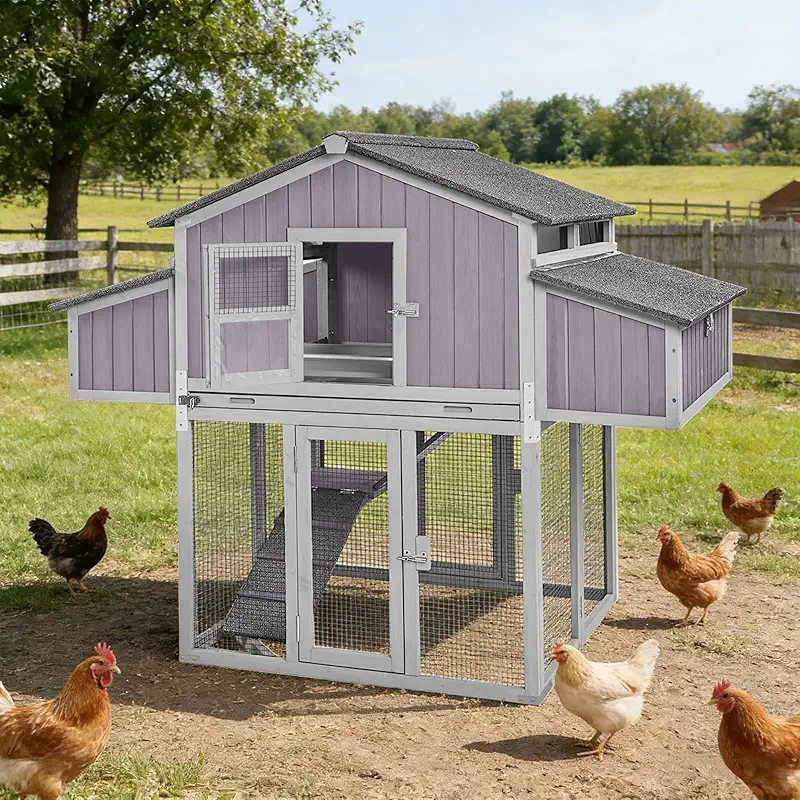
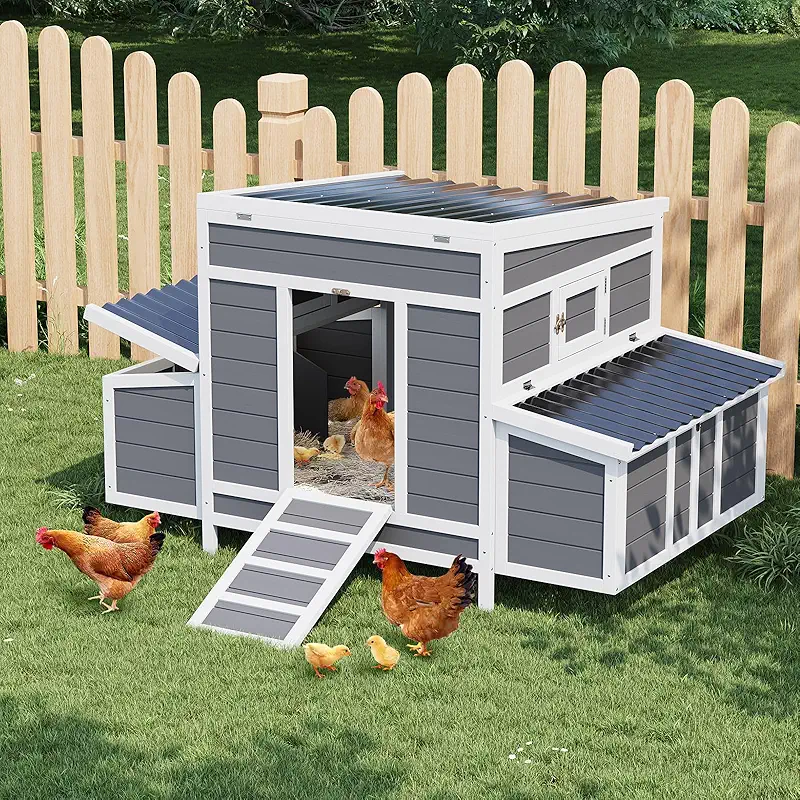
My usual “upgrade plan” for online coops
Most chicken coops on Amazon are a starting point, not the final chapter. Here’s my usual upgrade list after putting one together for a neighbor or family member:
- Add extra screws where the frame feels a little wobbly.
- Brush on an exterior wood sealer or stain, especially on edges.
- Replace any weak latches with solid barrel bolts and carabiners.
- Staple on extra hardware cloth around the lower edges if predators are common.
- Toss in extra bedding and maybe a homemade roost bar if the original is skimpy.
None of that is complicated, and it turns a light-duty coop into something that can handle real farm life a whole lot better. Think of it like breaking in a pair of work boots—you might add your own insoles and waterproofing before you really put them through the paces.
Questions folks ask about chicken coops on Amazon
Some are, some aren’t. Many are built for backyard families with a handful of hens, not windy hilltops and big flocks. For a small flock in a fenced yard, a decent coop from Amazon can work fine, especially if you add a few upgrades like better latches and extra screws. If you’re out in coyote country with hard winters, think of these coops as a starting shell you’ll reinforce, not the final word.
Ignore the big bold “up to 8 chickens” on a lot of listings. I usually cut that number by about one-third. If it says 8, I’m thinking 4–5 at most, and that’s with plenty of outside time. Aim for 3–4 square feet per hen inside the coop and 8–10 square feet per hen in the run. Your birds will stay calmer, cleaner, and lay better when they have elbow room—well, wing room.
I always do. Even if the listing says “weather resistant,” I like to give the wood an extra coat of exterior sealant, especially on edges and places that sit in the weather. It takes an afternoon and adds years to the coop. I also check the roof seams and nesting box lid for little gaps where water might sneak in during a sideways rain.
If you live where predators are common—and most of us do—you’ll want to take them seriously. Basic chicken wire and small hook latches aren’t enough against raccoons, foxes, or determined dogs. I recommend adding hardware cloth over any weak spots, using sturdier latches with clips, and putting a wire skirt or paving stones around the base so nothing digs under easily.
The two big ones I see all the time: underestimating space and overestimating how “plug-and-play” the coop is. Folks buy for the number printed on the box instead of the actual floor space, then wonder why their hens pick on each other. And they assume the coop is perfect out of the package. Treat it like a good kit: start with it, then tweak and strengthen it for your weather, your yard, and your flock.
If you’ve read this far, you’re already ahead of most new chicken keepers. Take your time, trust your common sense, and pick the coop that feels right for your birds and your backyard.
Show me all coops