
Prefab chicken coop
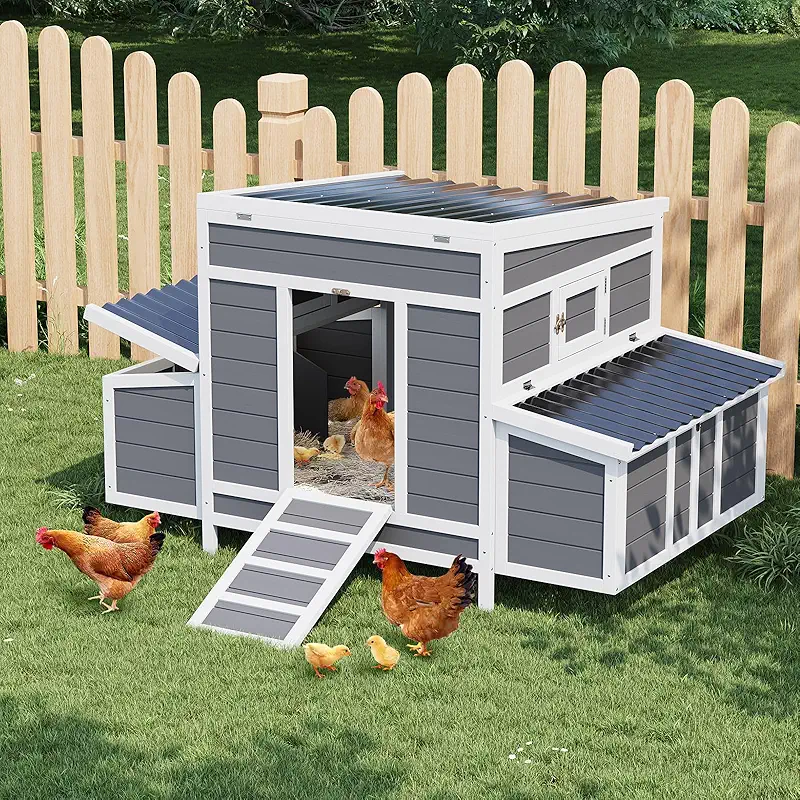
Prefab chicken coop: a simple way to give your hens a safe, cozy home without spending all weekend with a hammer in your hand.
I’ve built coops from scratch with crooked lumber and I’ve hauled more than a few prefab chicken coops off the back of a pickup. Let me walk you through what really matters, what to look for, and how to set your birds up so they lay steady and stay healthy.
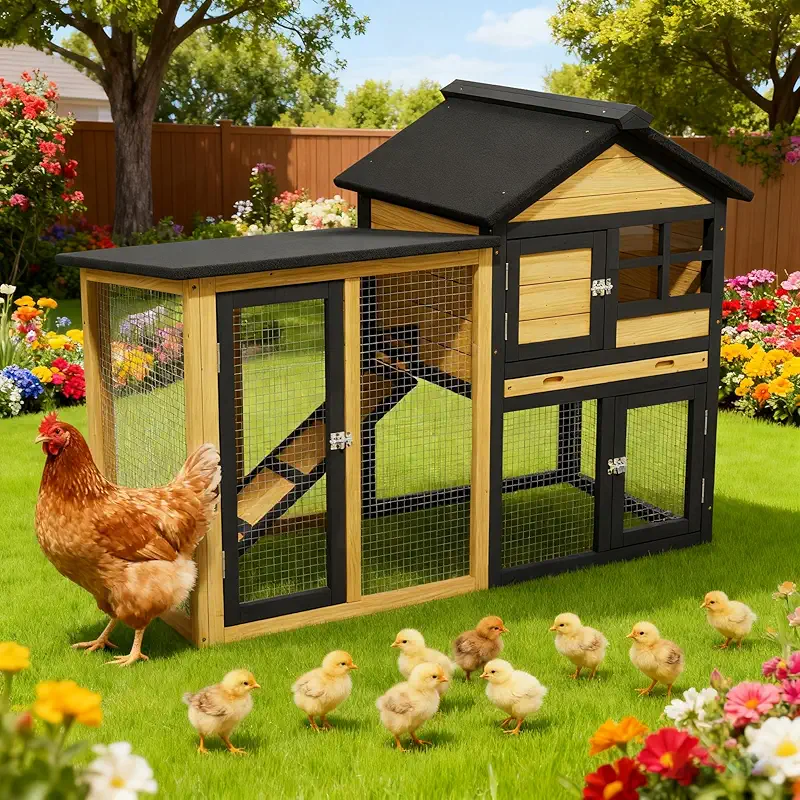
Why I stopped overbuilding coops and started trusting prefab
I’ve raised laying hens most of my life out here in the States. My first coop was a wobbly thing made from barn scraps and more stubbornness than sense. It kept the birds dry, but just barely. Over the years, between broken hinges, sagging roofs, and winter drafts, I learned one hard lesson:
A good chicken coop is less about showing off your carpentry, and more about keeping birds safe, dry, and comfortable every single day.
That’s where a solid prefab chicken coop can save your back, your weekend, and honestly, your flock. These days, if a neighbor says, “I’m thinking about getting a few hens,” I usually tell them the same thing:
Let me walk you through how I look at prefab coops now, what works, and what’ll have you chasing chickens around the yard mumbling words you don’t want your kids to hear.
What really matters in a prefab chicken coop (from someone who’s cleaned way too many)
When I size up a prefab chicken coop, I don’t care how cute it looks in the photos. I think about early mornings with frozen fingers, summer heat, and “oh no, that’s a raccoon” at 2 a.m. Here’s what matters most.
1. Enough room for the flock you actually have
Most prefab chicken coop listings are a little optimistic when they say how many birds fit inside. If they say “6 chickens,” I usually call it “comfortable for 3–4 laying hens.” Birds can survive cramped, but they won’t be happy, and unhappy hens don’t lay well.
- Plan for around 3–4 square feet of indoor coop space per standard hen.
- Give them at least 8–10 square feet each in the attached run if they’re not free-ranging much.
- Remember: roosters are bigger, and heavy breeds (like Orpingtons) need more elbow room than little bantams.
I once tried to squeeze too many pullets into a “large” prefab. Within a week, the low hen on the pecking order started losing feathers. That was on me, not the coop. I added a second prefab chicken coop, spread them out, and like magic, the drama stopped.
2. Ventilation: the quiet secret to healthy hens
I’ve seen plenty of nice-looking coops that smell like a wet basement after three days. Chickens breathe out a lot of moisture, and the droppings give off ammonia. Without good airflow, you end up with damp bedding, frosty combs in winter, and respiratory issues.
On any prefab chicken coop, I look for:
- Vents up high on opposite sides (so air flows over the birds, not right on them).
- Windows you can crack open and cover with hardware cloth, not flimsy chicken wire.
- No big drafts hitting the birds at roost level, especially in cold climates.
Out here, I keep my vents open year-round. In winter, it feels wrong at first, but dry cold birds are healthier than warm, damp ones. Learned that the hard way one January when I tried to “seal them in cozy.” It ended with coughs and vet bills.
3. Easy to clean, or you’ll start avoiding it
Every coop is easy to clean in the brochure. The truth shows up on a rainy Sunday when you’re ankle-deep in straw and wishing yesterday’s you had done this job. I’ve come to love prefab chicken coops that respect my knees and my patience.
Good signs:
- A big door you can actually fit a shovel or mini rake through.
- Removable droppings tray under the roost bars.
- Enough headroom so you don’t feel like you’re spelunking in a tiny cave.
One of my favorite prefab setups has a slide-out tray. I just pull it, scrape into the wheelbarrow, add fresh shavings, and I’m back to my coffee before it’s cold. Makes weekly cleaning a 10-minute job instead of an afternoon project.
How I set up a prefab coop so the hens settle in fast
When I bring home a new prefab chicken coop, I treat it like moving day for the birds. A little thought up front makes your flock calm, safe, and laying sooner.
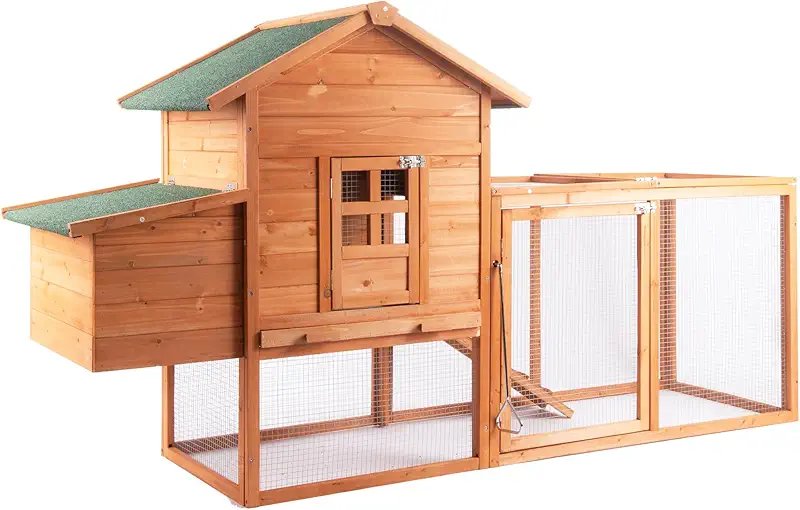
Pick the right spot on your land
Every yard has a “good spot” and a “what was I thinking” spot. Your prefab chicken coop will treat you better if you think like a chicken and like a tired human both.
Look for:
- High and dry: Slight slope is your friend. If water pools there now, it’ll be a swamp by spring.
- Some shade: Afternoon shade from a tree or fence helps a lot in July and August.
- Close to water and power: Lugging buckets gets old fast, and you might want a water heater in winter.
My best coop spot is about 20 steps from the back door. Close enough I can check on them in slippers, far enough I don’t smell them while I’m grilling.
Bed it like you mean it
Inside any prefab chicken coop, I aim for clean, dry, and cushioned. The bedding does a lot of your daily work for you.
What’s worked best for me:
- Soft pine shavings a few inches deep on the floor.
- Fresh, clean straw in the nesting boxes, fluffed up good.
- A bit of food-grade diatomaceous earth under the bedding if mites are a concern in your area.
I like to give the nest boxes a little extra love – hens notice. They’d rather lay in the cushy box than in some dark corner of the run. I always laugh that my birds prefer the “nice room” just like guests.
Make the roosts the best seats in the house
Chickens are happier when they sleep up off the ground. Most prefab chicken coops come with roost bars, but sometimes they’re too low or too narrow.
Here’s my rule of thumb:
- At least 8 inches of roost space per hen, more if you can.
- Roosts higher than nest boxes, so they don’t sleep where they’re supposed to lay.
- Flat-ish top (like a 2x3 with the wide side up) so they can sit comfortably and cover their toes in winter.
In one prefab coop, I added a second roost higher up and suddenly nobody was trying to sleep in the nesting boxes anymore. Amazing what a better seat will do, even for birds.
Living with a prefab chicken coop through all four seasons
Folks often ask me if a prefab chicken coop can hold up to real weather, not just pretty backyard days. It can, if you treat it like part of the farm and not patio furniture.
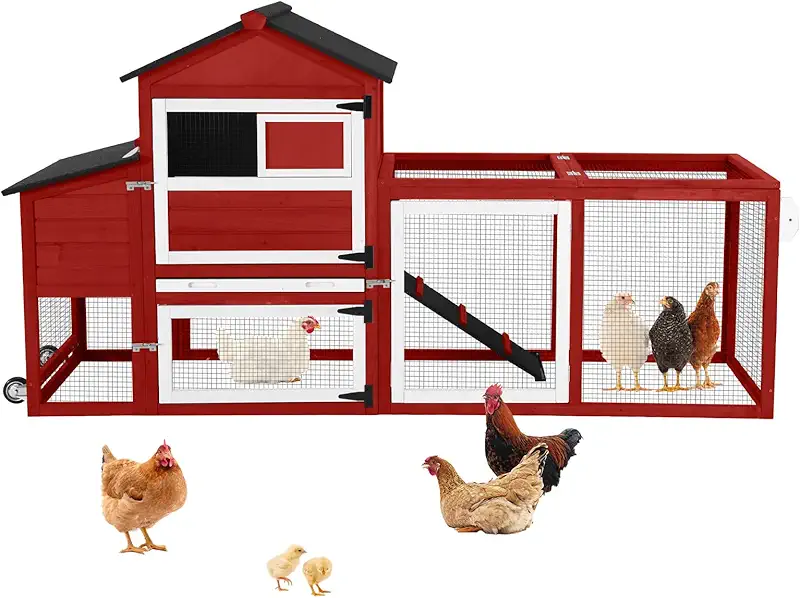
Spring and summer: heat, mud, and predators
Warm weather is when the coop really gets tested. The birds are active, the predators are hungry, and everything wants to grow – including bacteria.
What I do with any prefab chicken coop when the weather warms up:
- Open every vent and window that can be safely secured with hardware cloth.
- Add shade cloth or a tarp over part of the run for hot afternoons.
- Walk the perimeter and check for digging under the run – foxes and dogs are patient.
One summer, a neighbor’s dog decided my run looked like a buffet. The prefab coop held up fine, but I added a strip of buried wire around the edge after that. The dog lost interest once it realized there was no easy tunnel to be had.
Fall and winter: drafts, snow, and frozen water
Prefab chicken coops can ride out winter just fine if you help them a little. Chickens handle cold better than we do – they’re walking feather blankets – as long as it’s dry and draft-free.
Before the first hard freeze, I:
- Seal big cracks at bird level, but keep high vents open for moisture.
- Add a deeper layer of dry bedding for insulation.
- Make sure doors and latches close snugly even after a snow.
On the coldest nights, I’ve gone out and found my girls tucked up on the roosts, fluffed out and calm as can be, while I’m the one shivering. That’s the sign the prefab chicken coop is doing its job.
Little daily habits that make a prefab coop “just work”
I tell new chicken keepers that coops fail more from neglect than from design. You don’t need perfection. You just need a simple routine and a coop that makes that routine easy.
I do a quick check: everyone up and moving, doors latched open, water clean, feeder not empty. Two minutes, tops.
Before dark, I count heads on the roost. If someone’s missing, I find her before the raccoons do.
Pull the tray, scrape droppings, add fresh shavings, and check for any new gaps or chewed wood.
Check hinges, screws, and locks on the prefab chicken coop. Wood moves with weather more than you’d think.
Fresh straw and a quick clean-out of broken shells. Makes hens more likely to lay where you want them.
Keep one area around the coop dry and tidy so spilled feed doesn’t attract rodents.
With a decent prefab chicken coop, these little habits are easy. Everything opens and closes right, nothing feels like wrestling a barn door, and you’re done before your coffee cools.
Keeping your hens happy inside a prefab coop
A prefab chicken coop will give your birds a roof and four walls, but it’s the little touches that turn it into a place where hens thrive. Over the years, I’ve learned that a content hen is a steady layer, and you don’t need fancy gadgets to get there.
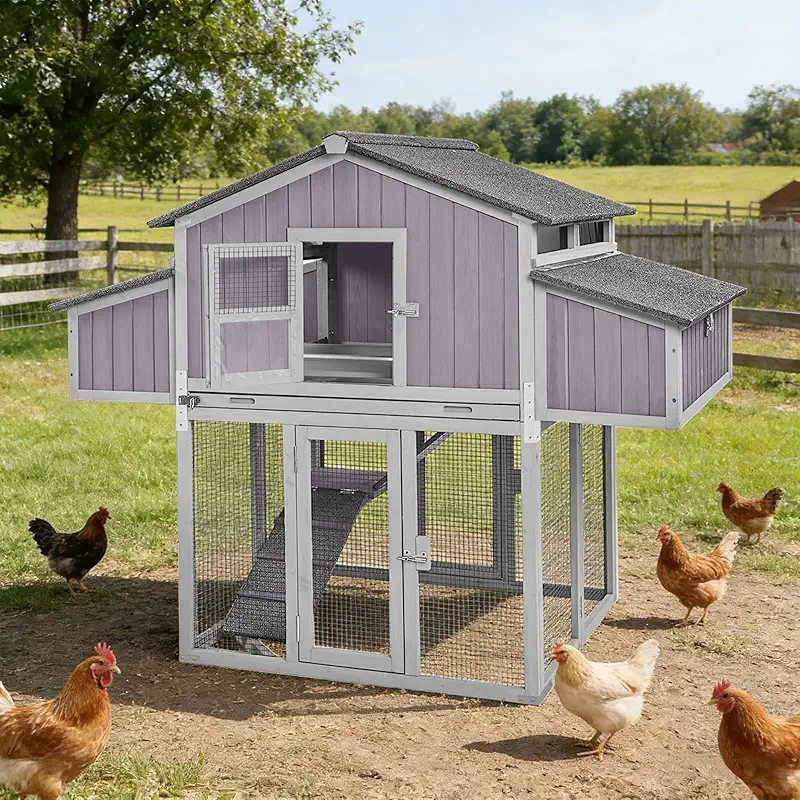
Feed, water, and simple comforts
Chickens are creatures of habit. Give them a solid routine and they’ll repay you with eggs and fewer surprises.
Here’s how I set up basics around any prefab chicken coop:
- Feeder inside the run: Protected from rain and wild birds, hung just high enough they don’t kick bedding into it.
- Water raised off the ground: Either on blocks or hanging so it stays cleaner.
- Grit and calcium: I keep a little dish with oyster shell and another with grit near the coop.
My hens know that when I open the prefab coop each morning, feed gets checked, water gets topped off, and I’ll mumble a few kind words at them. They don’t care what I say, but they sure like the routine.
Keeping boredom and bad habits away
Even in a nice prefab chicken coop, hens can get bored if they’re stuck inside too long – and bored birds start pecking each other. I’ve seen it happen when the weather keeps them in.
Cheap, simple fixes:
- Throw a flake of hay or a handful of leaves into the run for them to scratch through.
- Hang a cabbage or treat block so they have something to work on.
- Lean a few branches in the run so they can hop and perch.
My favorite winter trick is to rake leaves into the run. They’ll stay busy for days digging bugs and bits out of it, and nobody has time to pick on the low hen in the order.
A quick word on predators and peace of mind
I sleep better when I know my prefab chicken coop is locked up right. Out here we have raccoons, foxes, stray dogs, and the occasional hawk eyeing the flock like a lunch menu.
Whatever prefab you pick, I like to:
- Add a second latch or carabiner on the main door – raccoons are clever.
- Swap any weak wire for 1/2" hardware cloth where it matters most.
- Do one last walk around at dusk the first few weeks to spot weak points.
Once I’ve watched a prefab chicken coop stand up to one good predator “test,” I relax a lot. The birds settle into the routine, and the whole setup starts to feel like it’s been there forever.
Prefab chicken coop – common questions I hear in the driveway
Some are just backyard decorations, but plenty are tough enough for real use if you set them up right. I’ve had prefab chicken coops stand up to Midwest storms, heavy snow, and curious predators. The trick is to anchor them well, keep the wood sealed, and reinforce weak spots like thin wire or cheap latches. Think of a prefab coop as a good starting frame that you can toughen up with a few common-sense upgrades.
Ignore the rosy “up to 6–8 chickens” claims on a lot of boxes. For standard-size laying hens, most smaller prefab chicken coops are truly comfortable for about 3–4 hens, especially if the attached run isn’t huge. If your birds get regular free-range time, you can lean a bit higher, but if they’ll be in the coop and run most of the day, give them more space than the label suggests. Your birds will be calmer, healthier, and steadier layers.
Most of the time, no. Chickens handle cold better than people think, as long as they’re dry and out of strong drafts. I’d rather see good ventilation and deep, dry bedding than homemade insulation that traps moisture. In very cold areas, some folks add a bit of foam board on the outside walls or use windbreaks around the coop, but the big priorities are dry bedding, draft-free roosts, and unfrozen water. My birds have ridden out plenty of single-digit nights in prefab coops with no trouble.
Most prefab chicken coops go together with basic tools – usually a screwdriver, sometimes a small drill. I’ve put them together with one extra pair of hands in an afternoon. The directions aren’t always perfect, but the panels tend to make sense once you lay them out. My advice is to build it roughly where you plan to keep it so you’re not dragging a finished coop across the yard like a stubborn sled.
“Better” depends on your tools, time, and patience. If you love measuring, cutting, and making supply runs, a scratch-built coop can be great. But if you’d rather be collecting eggs next week than wrestling lumber in the driveway, a prefab chicken coop is hard to beat. I’ve done both. These days, I usually start with prefab for new flocks and then modify it as I go – add a bigger run, change roosts, maybe add a second coop. It lets you learn what you and your birds actually need without months of sawdust first.
If you’re picturing a snug little prefab chicken coop in your yard and a carton of your own eggs on the counter, that’s usually your gut telling you it might be time.
Take a quiet minute, think about how many hens you truly want, where that coop would sit, and how those short walks out to the run might feel on early mornings. When you’re ready to see what’s out there, you can look through different prefab styles, sizes, and setups all in one place.
Show me the coops