
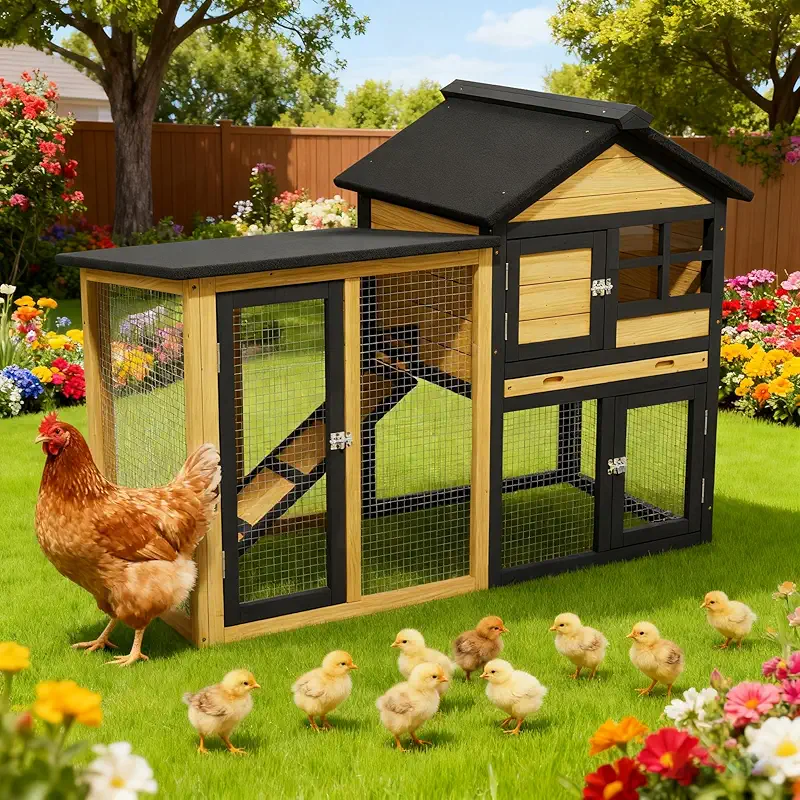
What really matters in a cheap coop
When folks ask me how to pick a cheap chicken coop with nesting box, I always say the same thing: stop worrying about how it looks and start thinking like a hen and a raccoon at the same time. The hen wants cozy and calm. The raccoon wants easy dinner. Your job is to keep the first one happy and the second one frustrated.
If I can hose it, scrub it, and lock it up tight without cussing, it’s a good coop. Fancy doesn’t lay eggs; good design does.
Key basics you can’t skip
- Dry floor: Water is your enemy. Wet bedding means smell, flies, and sick birds.
- Decent airflow: Fresh air up high, not drafts at chicken level.
- Safe from predators: Raccoons, foxes, and neighborhood dogs all love chicken dinner.
- Enough space: Tight coops mean picking and pecking, not happy hens.
- Simple, sturdy nesting boxes: Dark, quiet spots where hens feel like they’re hiding from the world.
How many hens per nesting box?
New chicken keepers always think every hen needs her own nesting box. If that were true, I’d have a yard full of empty boxes. In real life, ten hens will fight over the same favorite box, while three others sit wide open. Hens are stubborn little ladies.
A good rule is 1 nesting box for every 3–4 hens. If you have 6 hens, 2 boxes is just fine. A dozen hens will do well with 3–4 boxes. What matters more than the count is how comfortable those boxes feel.
Box size
Around 12" x 12" x 12" works for most breeds. Bigger girls like Buff Orpingtons may enjoy a bit more elbow room.
Height & access
Keep boxes about waist high for you and easy hop height for them, with a little perch or rail in front.
Privacy
Dark, quiet corners make better layers. Hens don’t like an audience when they’re on egg duty.
What to look for in a cheap chicken coop with nesting box
When you’re browsing through options and trying to keep your wallet from crying, here’s what I’d look for as a farmer who’s made plenty of mistakes so you don’t have to.
1. Solid frame and roof
I don’t care if the coop is budget‑friendly; the frame and roof need to hold up to wind, rain, and a bit of clumsy farmer handling. I’ve had lightweight coops try to take off across the yard like tumbleweeds. Good times, but not recommended.
- Look for sturdy lumber or metal framing, not flimsy, wobbly pieces.
- Roof should shed water, not collect it. A slight pitch is important.
- A small overhang helps keep rain from blowing into the door and nesting boxes.
2. Built‑in nesting box with easy access
I love a coop with nesting boxes that have outside access doors. On cold mornings, I can grab warm eggs in my slippers without wading through mud. The hens don’t mind, as long as I’m gentle.
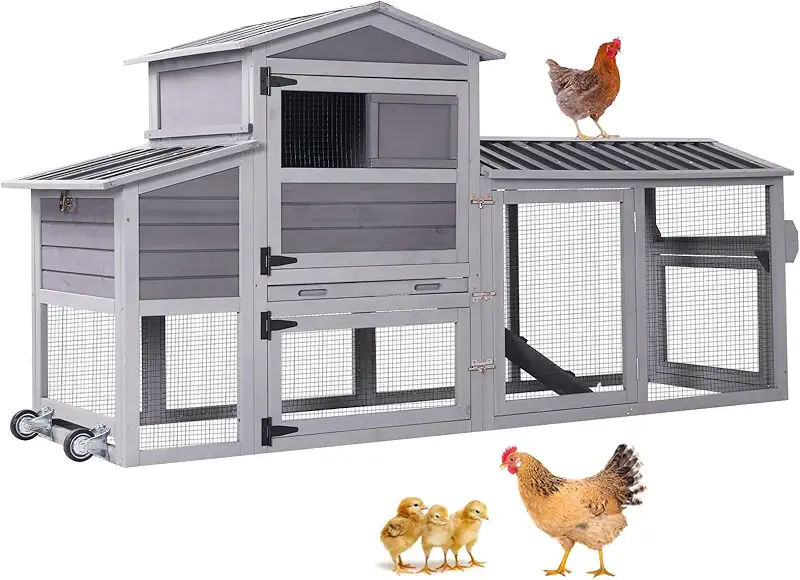
When you look at a cheap chicken coop with nesting box, check that:
- The lids on the boxes close securely so nothing sneaks in at night.
- There’s a small lip at the front of each box so bedding and eggs don’t roll out.
- You can reach in to clean without twisting your back like a pretzel.
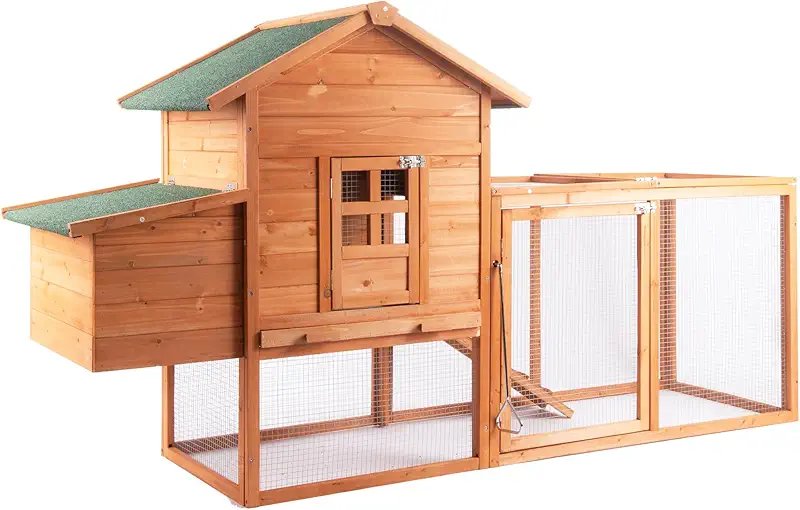
3. Real ventilation, not just a tiny hole
Chickens breathe out a lot of moisture. Pack them in a closed box and you’ll get damp walls, frostbite in winter, and that special barnyard perfume. You want ventilation high up, but no harsh drafts where they roost.
- Windows or vents covered with hardware cloth, not chicken wire.
- Openings near the roofline so warm, moist air can escape.
- The option to close part of the vents during windy storms, without sealing the coop airtight.
4. Easy to clean (this one matters more than you think)
A coop that’s painful to clean is a coop that doesn’t get cleaned. I’ve learned that the hard way. If you can’t quickly rake out bedding or hose down a tray, things pile up fast—literally.
I like coops with:
- Removable trays or pull‑out floors under the roost.
- Doors big enough for a shovel, not just your hand.
- Few tight corners where droppings get stuck.
I give my coop a quick tidy once a week and a deeper clean once a month. With the right layout, that weekly job takes less time than brewing a pot of coffee.
Adding comfort to a budget coop
A cheap chicken coop with nesting box can turn into a real little hen hotel with just a few smart touches. You don’t need a carpenter’s workshop—just a bit of common sense and maybe a drill that still has some life left in it.
Better bedding in nesting boxes
I’ve tried everything from old feed bags to fancy nesting pads. Know what works best? Dry, clean material and a routine. My go‑to is a layer of pine shavings with a handful of straw on top. Soft for the eggs, easy to change, and it smells like a lumber yard instead of a swamp.
Keeping eggs clean and uncracked
If your eggs are coming in muddy or cracked, the nesting box is telling you something. Usually it means:
- You’re not adding fresh bedding often enough.
- Boxes are too low and getting used as stepping stones.
- Hens are crowding because they don’t like the other boxes.
I freshen up bedding in my nesting boxes every few days and do a complete change every week or two, depending on weather. It keeps eggs cleaner and cuts down on broken ones, which also helps prevent egg‑eating, a habit you don’t want starting.
Predator‑proofing a cheap coop
On the farm, I always say there are two kinds of people: those who have had predators in their coop and those who will. The trick is to make it later rather than sooner—and hopefully never.
Even if you start with a cheap chicken coop with nesting box, you can make it much safer with a few upgrades.
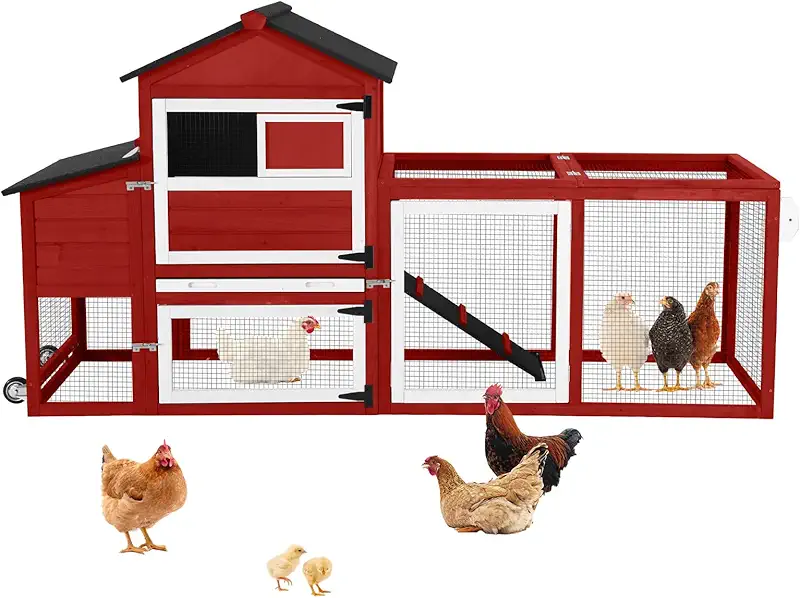
Simple upgrades that make a big difference
- Replace weak wire: If the coop comes with thin chicken wire, cover the lower parts and any windows with ½‑inch hardware cloth instead.
- Secure the latches: Raccoons can open simple hook latches like a kid opening a cookie jar. I prefer lockable barrel bolts or carabiners.
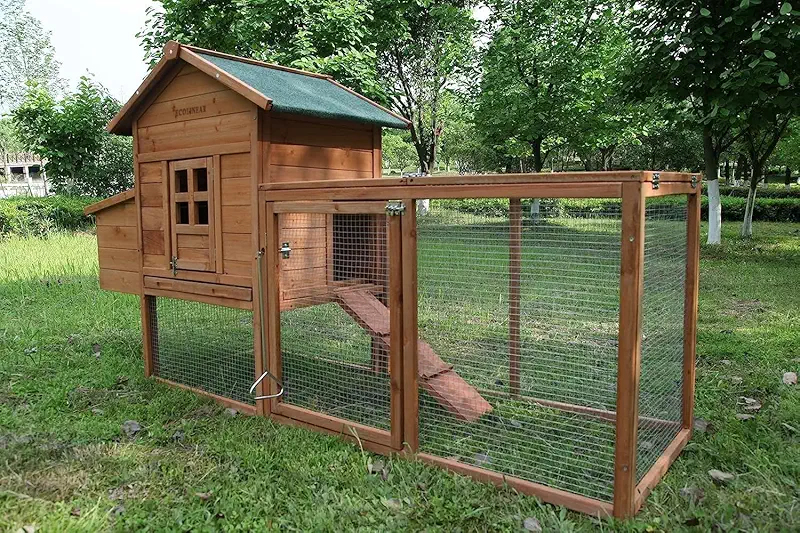
- Bury the fence: If you have a run, bury wire or hardware cloth down 8–12 inches or bend it out in an apron shape to stop diggers.
Real‑world sizing: how many chickens can your coop handle?
I’ve seen coop listings promise space for 8–10 chickens when, in the real world, I’d house maybe 4–6. Birds need elbow room, too, or they take it out on each other’s tail feathers.
Indoors, I like to allow:
- At least 3–4 square feet per bird inside the coop.
- 8–10 square feet per bird in the outdoor run if they’re not free‑ranging.
So if you see a cheap chicken coop with nesting box advertised for 6 hens, I treat that as comfortable space for 4, maybe 5 if they’re on the smaller side and they get time outside most days.
Every time I tried to squeeze “just a few more hens” into a coop, I ended up with picked feathers and cranky birds. Give them space, and they’ll pay you back in eggs.
My simple routine for steady eggs
A good coop and nesting box are only half the story. The rest is routine. Hens are creatures of habit—just like farmers and coffee.
Here’s the pattern that’s kept my egg basket pretty full over the years:
- Same bedtime, same door: I close the coop at dusk and open it early every morning.
- Feed and fresh water twice a day: Once in the morning, once late afternoon.
- Egg check 2–3 times a day: Keeps eggs clean and discourages any bad habits.
- Nesting box check: Quick fluff of the bedding and a peek for any broken shells.
When hens know where home is, where their food is, and where their nesting box is, they settle down and lay more reliably. Calm hens lay eggs; stressed hens lay trouble.
Common mistakes with cheap coops (and how to dodge them)
I’ve made enough mistakes to fill a book, but I’ll keep it to the greatest hits so you can skip some of my “learning opportunities.”
Mistake 1: Believing the advertised chicken count
Like I said earlier, those numbers are usually wishful thinking. Always size down your flock or size up your coop. Your hens will thank you with better laying and fewer squabbles.
Mistake 2: Ignoring the roof and floor
First cheap coop I ever bought had a flat roof and a thin floor. It looked nice the first week. By the first rainstorm, I had drips. By the first winter, I had sagging boards. Look for a coop with a roof that sheds water and a floor that doesn’t feel spongy under your boots.
Mistake 3: No plan for winter or summer
Your hens don’t get a vacation when weather turns ugly. A cheap chicken coop with nesting box can still handle the seasons if you think ahead:
- Winter: Block strong drafts, keep bedding deep and dry, and make sure water doesn’t freeze too fast.
- Summer: Shade, ventilation, and plenty of water. I’d rather see a cheap coop under a big tree than a mansion in full blazing sun.
Stretching the life of a budget coop
If you treat a cheap chicken coop with nesting box kindly, it can last longer than you’d expect. I’ve had “starter” coops hang around for years, just by giving them a little attention.
- Seal the wood: A bit of outdoor sealant or paint makes weather less of an enemy.
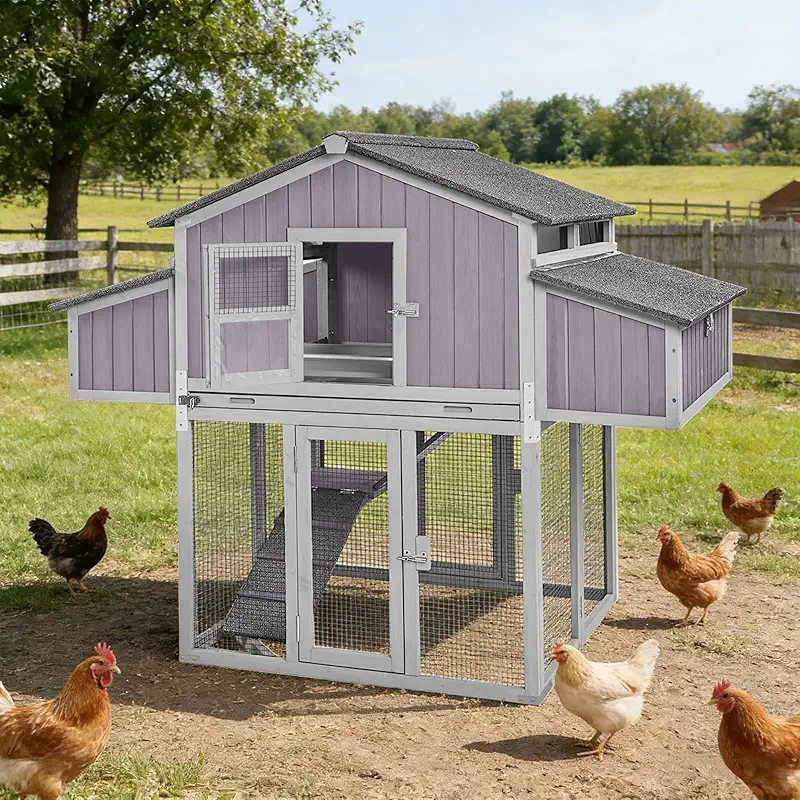
- Raise it up: Keep the coop a few inches off the ground to avoid rot and give air flow underneath.
- Check hardware yearly: Tighten screws, replace rusty hinges, and oil latches.
Think of it like caring for an old truck. It may not be shiny, but if you give it what it needs, it keeps on working.
FAQ about cheap coops and nesting boxes
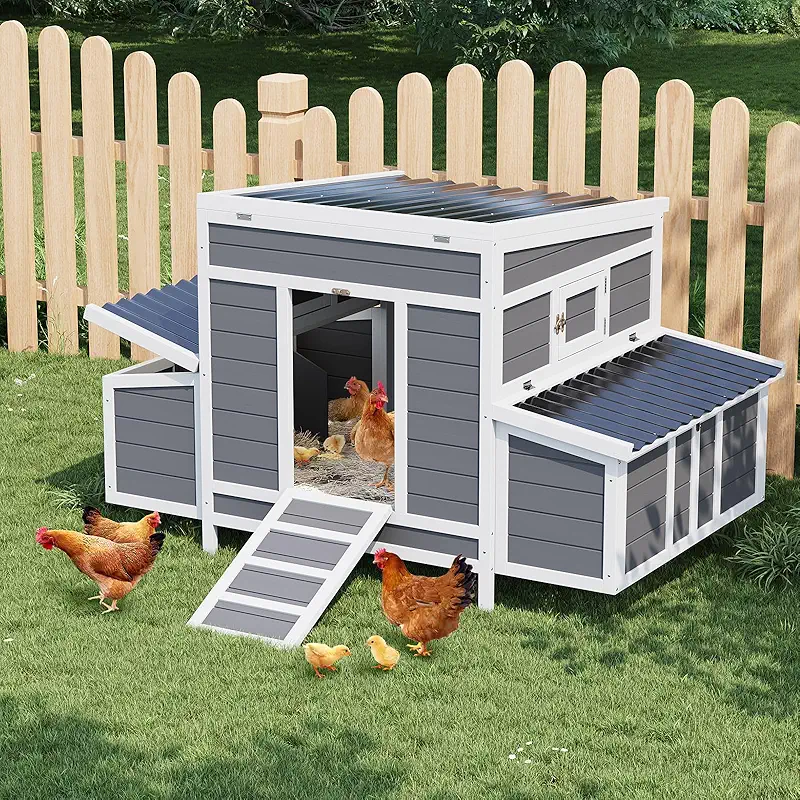
If your gut’s saying it might be time to give your hens a snug little home with proper nesting boxes, listen to it. A good coop doesn’t have to be fancy to keep those eggs coming steady.
Let me see options