
Low Cost DIY Chicken Coop
I’ve raised laying hens on a shoestring budget for more than thirty years out here in the States. I’ve nailed pallets together, patched leaky roofs at midnight, and learned the hard way what keeps hens laying and what just looks cute on a Pinterest board.
If you want a low cost DIY chicken coop that still keeps your girls safe, dry, and laying strong eggs, let me walk you through what actually works in the real world.When folks ask me how to build a low cost DIY chicken coop, I always smile and say, “Well, do you want it cheap for one season, or cheap for ten years?” There’s a big difference. I’ve done both. The really cheap ones blew over, flooded, or turned into a drafty mess. The smart-cheap ones are still standing, still smell fine, and my hens thank me with a basket of eggs.
I’m going to share the kind of advice I wish an old farmer had given me when I started: where you can save money, where you shouldn’t cut corners, and a few simple tricks that make life easier for both you and your hens. And yes, we’ll talk about when a ready-made coop makes more sense than wrestling warped lumber all weekend.
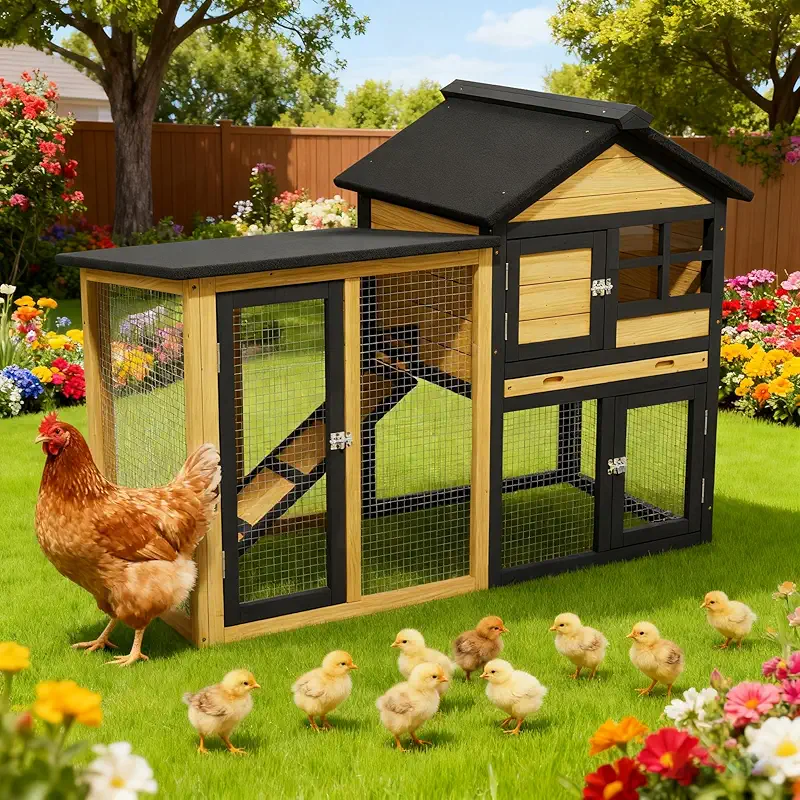
One of my simplest low cost DIY chicken coops: scrap lumber, smart layout, happy hens.
What “Low Cost” Really Means For A Chicken Coop
Low cost doesn’t mean flimsy. It means every dollar does real work. I’ve seen “cheap” coops that cost a fortune in lost birds, broken eggs, and trips to the feed store because rodents ate half the feed.
When I build a low cost DIY chicken coop, I think in three buckets:
- Must not fail: predator protection, roof, floor, ventilation.
- Nice but flexible: windows, trim, paint, fancy hardware.
- Optional extras: flower boxes, cute signs, anything for looks.
Save your money on the fancy stuff. Put your effort into the must-not-fail parts. A raccoon doesn’t care if your coop is adorable; it only cares if it can pry the door open.
If a part of the coop touches the ground, blocks a predator, or keeps rain out, I don’t cheap out on it. Everything else, I’ll get creative.
Key Principles For A Low Cost DIY Chicken Coop
1. Start With Location, Not Lumber
Before you buy a single board, walk your yard. My best coops started with a smart spot:
- High and dry: Avoid low, soggy ground. Wet floor means sick hens and stinky coop.
- Morning sun, afternoon shade: Hens like that gentle sunrise but hate baking at 3 p.m.
- Close to the house: You’ll thank yourself in a snowstorm or heavy rain.
- Facing away from the worst wind: Where I live, that’s usually from the north and west.
One of my first coops was down a little hill. Looked nice in summer. After the first spring thaw, the floor was a puddle and the hens looked like they’d been mud wrestling. I moved the whole thing up ten yards and never made that mistake again.
2. Use Cheap Materials, But In A Smart Way
You don’t need fancy lumber. You need decent wood in the right places. Here are some low cost favorites I’ve used:
- Pallet wood: Great for walls and trim if you pick the good, non-rotten boards.
- Leftover siding or roofing sheets: Perfect for a weatherproof shell.
- Reused doors and windows: Old shed doors work fine with a strong latch.
I’ve built coops mostly out of leftovers from neighbors’ projects. The trick is to keep the frame solid and the roof genuine, then fill in the walls with whatever safe scraps you can find.
3. Predators Are Your Real “Cost”
Around here I’ve got raccoons, foxes, hawks, and the neighbor’s dog who thinks he’s a wolf. The coop only has to lose once for you to pay a high price.
For a low cost DIY chicken coop, I never go cheap on:
- Hardware cloth (not chicken wire) over any opening bigger than an egg.
- Solid latches that require two motions or a carabiner clip.
- Dig-proof apron of wire around the coop and run.
Chicken wire keeps chickens in; it does not keep predators out. I learned that when a raccoon turned my old coop into an all-you-can-eat buffet one night. Since I switched to hardware cloth on my critical spots, I sleep better and so do my hens.
Basic Layout For A Simple Low Cost DIY Coop
Let’s picture a small backyard flock of 4–6 hens. You don’t need a palace. You need a dry, draft-free, easy-to-clean box with a safe yard.
Simple size guide
- 4 sq ft per hen inside the coop.
- 8–10 sq ft per hen in the run.
- 1 nesting box for every 3–4 hens.
- About 8–10 inches of roost space per hen.
Why it matters
When hens are crowded, they peck, fight, and stop laying. Give them room now, and you’ll get better eggs and fewer vet bills later.
My Favorite Low Cost Coop Design
One of my favorite builds started as a simple rectangle about 4x8 feet, raised 18 inches off the ground. Hens could scratch underneath on hot days, and the raised floor stayed bone dry in heavy rain.
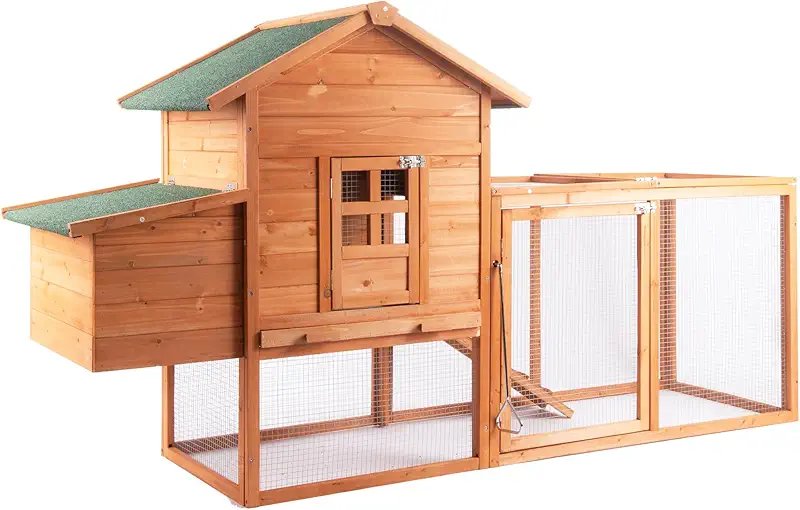
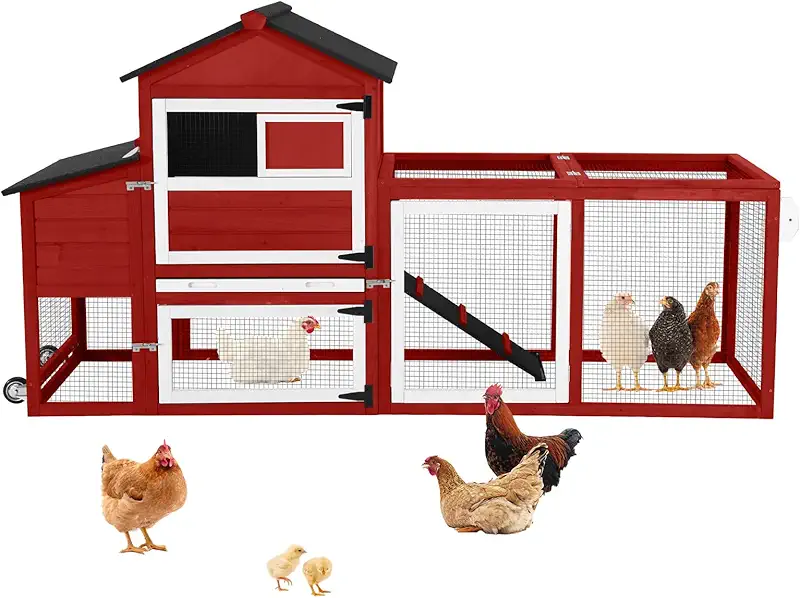
Here’s the basic layout I’ve used again and again:
- Door on the short side so it’s easy to reach every corner when cleaning.
- Nesting boxes on one long side, low enough to reach without crawling in.
- Roosts higher than nesting boxes so hens don’t sleep where they should be laying.
- Ventilation near the roof, covered in hardware cloth, never at hen-height.
It’s not fancy, but it works. Hens don’t care if the roof color matches your house. They care if their feet stay dry and predators stay out.
Where To Save Money (And Where Not To)
Places You Can Go Cheap
- Wall covering: Pallet wood, reclaimed boards, even old fence panels.
- Interior finish: Bare wood is fine; hens don’t need drywall.
- Nesting boxes: Buckets, crates, or simple wood boxes lined with straw.
- Feed and water stands: Cinder blocks, bricks, or scrap boards to raise them off the ground.
My prettiest nesting box is actually an old milk crate turned on its side. The hens don’t know it’s not from a farm catalog; they just know it’s cozy and quiet.
Places You Should Spend A Little
- Roofing: Real roofing panels or decent shingles. Leaks ruin everything.
- Flooring: Solid wood or tight boards that resist rot.
- Wire: Hardware cloth, not bargain chicken wire for predator areas.
- Latches and hinges: If a raccoon can fiddle it open, it’s not good enough.
I ask myself: “Would I sit in here on a cold, windy, rainy night?” If the answer is no, I upgrade that part. The hens don’t have jackets or boots.
Cheap Tricks That Don’t Feel Cheap To Your Hens
1. Smart Ventilation Without Drafts
Good air is more important than good paint. Moist air from chicken breath and droppings can cause frostbite and respiratory issues. I like:
- Openings high on opposite walls, near the roofline.
- Hardware cloth over every vent, stapled and with screws plus washers.
- A solid wall at roost height to block direct wind.
One winter I plugged every crack trying to keep hens “warm.” They got stuffy, and their combs started to look rough. I opened up two high vents, and they perked right up. Dry air beats air that just feels warm.
2. Low Cost, Easy-To-Clean Floors
I’ve tried dirt, concrete, plywood, and everything in between. For a low cost DIY chicken coop, a simple raised wooden floor with deep bedding works wonders.
- Use sturdy boards with small gaps or a sheet of plywood.
- Cover with several inches of pine shavings or straw.
- Stir the bedding weekly and add fresh on top (deep litter method).
Every year or so, I shovel the old bedding out onto the compost heap. That “waste” turns into the best garden soil you’ll ever see. My tomatoes are basically fueled by chicken gossip and scratch feed.
3. Simple, Safe Roosts
Hens want to sleep off the ground. Fancy roosts aren’t needed. A 2x4 board laid flat with the edges slightly rounded is perfect. I mount mine a bit higher than the nesting boxes, about chest-high on me.
Once I tried using some metal pipe I had laying around. Looked clever, but the hens hated the cold, narrow surface. Switched back to 2x4s and everybody slept better.
Balancing DIY With Ready-Made Coops
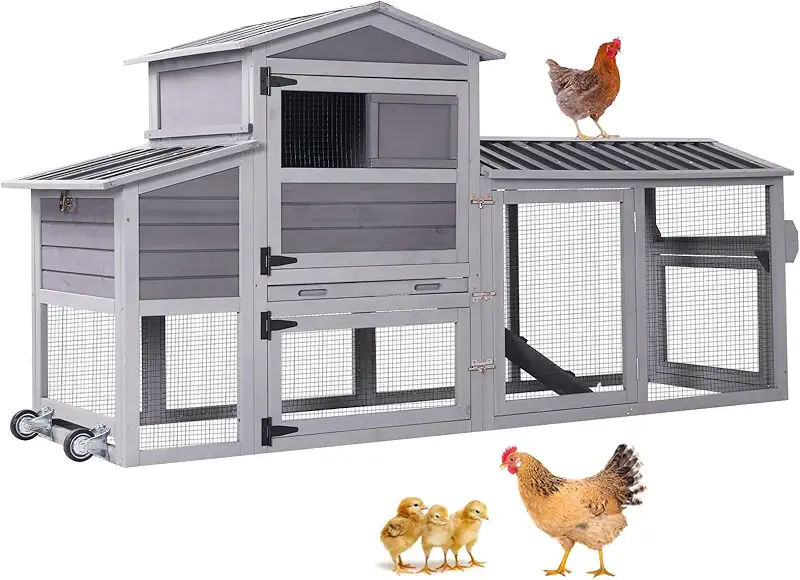
I’ll be honest with you: some days I love building, and some days I just want the job done. A low cost DIY chicken coop can save money, but only if your time, tools, and patience can handle it.
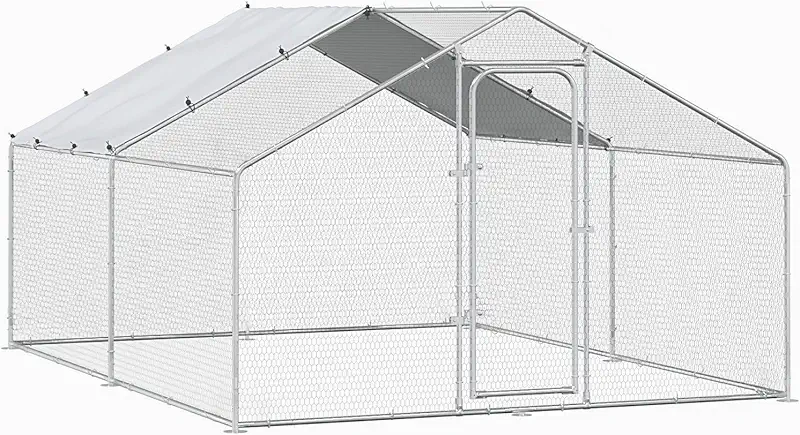
When DIY Makes Sense
- You already have some tools and basic skills.
- You can get free or cheap materials locally.
- You enjoy weekend projects more than store lines.
- You want a custom shape to fit your space.
When A Kit Helps
- You’re short on time before your chicks outgrow the brooder.
- You don’t want to haul big lumber or cut complex angles.
- You’d rather start with a structure and tweak it.
- You want to be sure doors and roof fit tight.
I’ve done a mix: sometimes I start with a ready-made coop and then beef it up with better wire, a bigger run, or stronger latches. That way I still end up with a low cost, sturdy setup without doing every last cut myself.
If you’d like to see examples of small coops, larger walk-in styles, and everything in between, you can browse different ideas and pick what matches your yard and your energy level.
Let me compare optionsKeeping Your Low Cost Coop Working For Years
A cheap coop that falls apart in two seasons isn’t really low cost. The secret is simple, steady maintenance. Doesn’t need to be fancy, just regular enough that small problems never grow teeth.
Seasonal Checkups I Swear By
- Spring: Check roof and walls for leaks after big storms, patch anything soft or rotten.
- Summer: Make sure shade and ventilation are keeping hens cool.
- Fall: Tighten latches, patch gaps, and block major drafts before the first frost.
- Winter: Watch moisture levels inside; crack vents open more if it smells musty.
I keep a little bucket with screws, washers, a hinge or two, and a roll of hardware cloth scraps. When something looks off, I fix it then and there instead of “someday.” Someday is when problems multiply.
Happy Hens, Better Eggs
A low cost DIY chicken coop isn’t just wood and nails. It’s where your breakfast comes from. When hens feel secure and comfortable, they lay more steady and behave better. When the coop is dark, damp, or cramped, they let you know by slowing down.
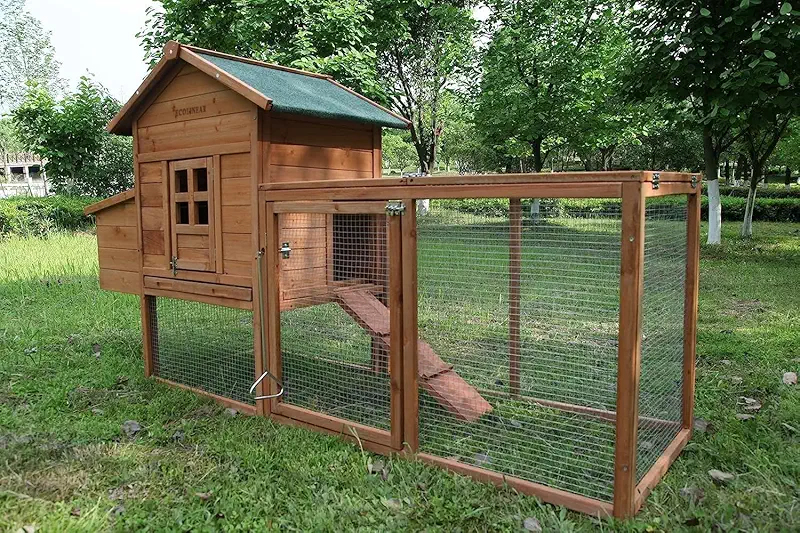
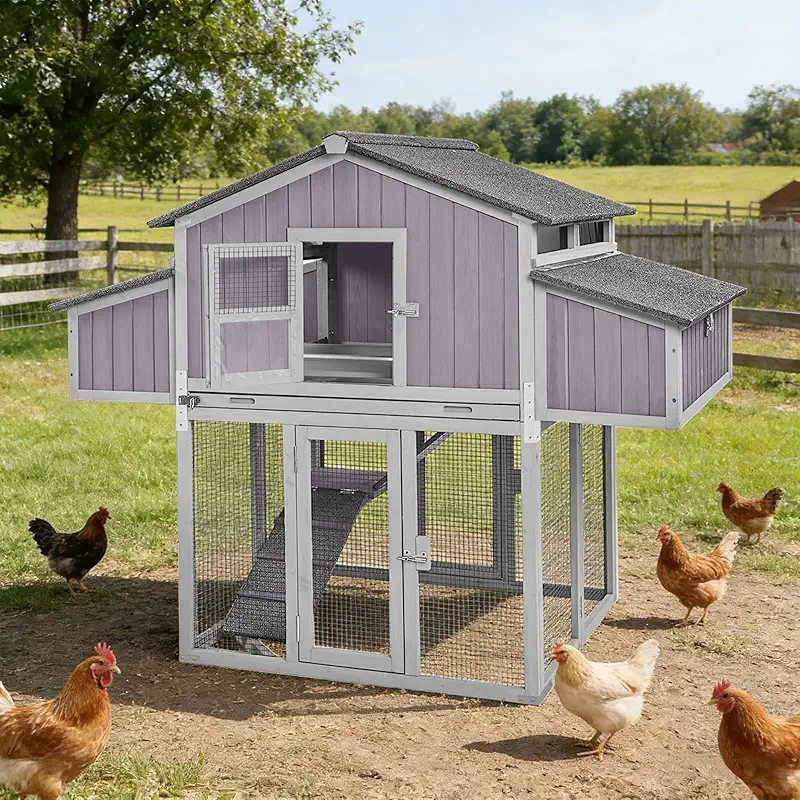
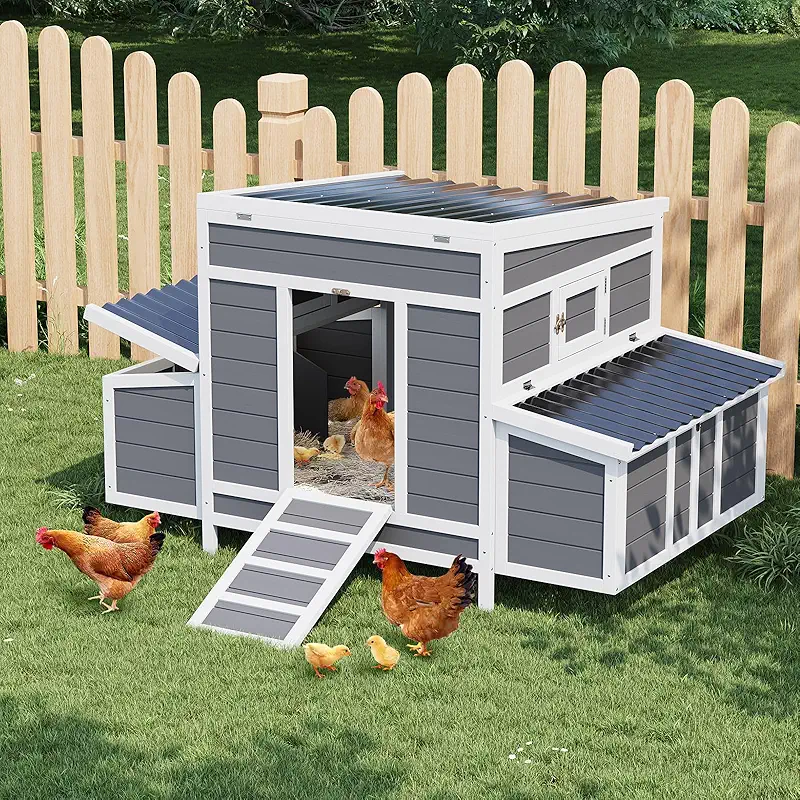
I’ve had coops built from nothing but bargain lumber and scrounged tin roofing that still feel solid as a rock, simply because I gave them ten minutes of attention now and then. Hens don’t ask for much: dry feet, fresh air, and a calm place to lay.
FAQ About Low Cost DIY Chicken Coops
How cheap can I really build a safe chicken coop?
That depends on what you already have. If you’ve got access to free pallets, leftover roofing, and some basic tools, you can put together a safe small coop for the price of hardware cloth, screws, hinges, and latches. Around here, that might be under a hundred dollars. If you’re buying all new lumber, the cost climbs fast. The real savings come when you reuse solid materials but don’t skimp on the roof, floor, and predator-proof wire.
Is a pallet coop good enough for laying hens?
Yes, if you build it right. I’ve had a pallet-based coop last nearly a decade. The trick is to use pallets mainly for the walls and keep a solid frame and roof. Cover the pallet gaps with boards or siding so rain and wind don’t whistle through. As long as your structure is sturdy, dry, and secure, hens don’t mind that the walls started life as shipping crates instead of designer lumber.
Do I need insulation in a budget backyard coop?
In most parts of the U.S., good ventilation and dry bedding matter more than insulation. I only bother insulating small coops in very cold climates. Hens handle cold better than damp air. I focus on blocking drafts at bird level, giving them a wide roost to cover their toes, and keeping the inside dry. A tight roof and deep bedding will do more for your flock than fancy foam panels in the walls on most homesteads.
What’s the biggest mistake people make with low cost coops?
They trust chicken wire for predator control and forget about digging predators. I’ve heard too many sad stories that start with, “Well, the coop seemed strong enough.” For any opening, use hardware cloth. For the run, bury or lay a wire apron around the edges. And always assume something hungry is testing your coop at night, even if you’ve never seen it. Build for the predator you haven’t met yet.
Should I build my first coop or start with a ready-made one?
If you’re handy, enjoy projects, and have a bit of time before your hens move in, building a low cost DIY chicken coop teaches you a lot and can save money. If tools and lumber runs make you tired just thinking about them, starting with a ready-made coop and then improving it might suit you better. I’ve done both. There’s no prize for suffering through a build you hate. The goal is happy hens and a setup you’re not afraid to clean.
However you go about it – full DIY, a simple kit, or a mix of both – you deserve a coop that fits your budget and keeps your flock snug and safe. Take a little time to look over different styles and ideas so your hens end up in a home that works for many seasons, not just this one.
Show me all coops