
cheap hen house – A simple, sturdy home for your girls doesn’t have to drain your wallet. I’ve been raising laying hens out here in the States for decades, and I’ve learned the hard way that you don’t need fancy, you just need smart. Let me walk you through how to get a cheap hen house that keeps your birds safe, dry, and laying steady, while your bank account can still breathe.
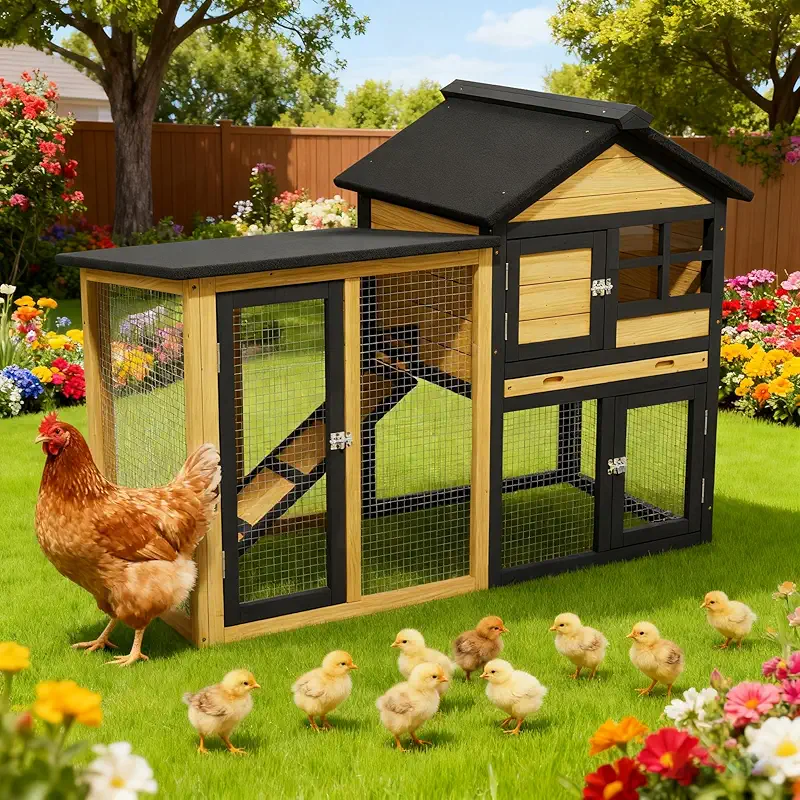
Around here we say, “happy hens, heavy baskets.” A good coop is where that starts, even if the price tag is low. I’ll share what’s worked on my farm, what failed badly, and how you can spot a cheap hen house that’s a bargain instead of a headache.
Cheap Hen House
When I bought my first cheap hen house, the wind pushed it across the yard like a grocery cart. My hens were fine, but their dignity was gone. Since then, I’ve learned what corners you can cut and what corners you never touch.
You can absolutely start with a cheap hen house and still treat your flock right. The trick is knowing where the value hides: in the frame, the roof, the airflow, and the little details that keep predators out and eggs clean. Let’s dig into that, neighbor.
What A Cheap Hen House Must Still Do Right
No matter how low the price, a hen house has three jobs: keep birds safe, keep them dry, and make your chores easy enough that you don’t dread going out there in the rain. If a coop fails those, it’s not cheap, it’s costly. It just waits to collect the bill in vet visits and lost hens.
- Safety: dogs, raccoons, hawks, and the neighbor’s curious kid all test your coop.
- Dryness: wet bedding brings smell, sickness, and cranky hens.
- Ease of use: if egg collecting is a circus act, you’ll skip it on bad days.
Don’t get dazzled by cute windows and paint. Focus on the bones. Even a cheap hen house can last years if the basics are solid.
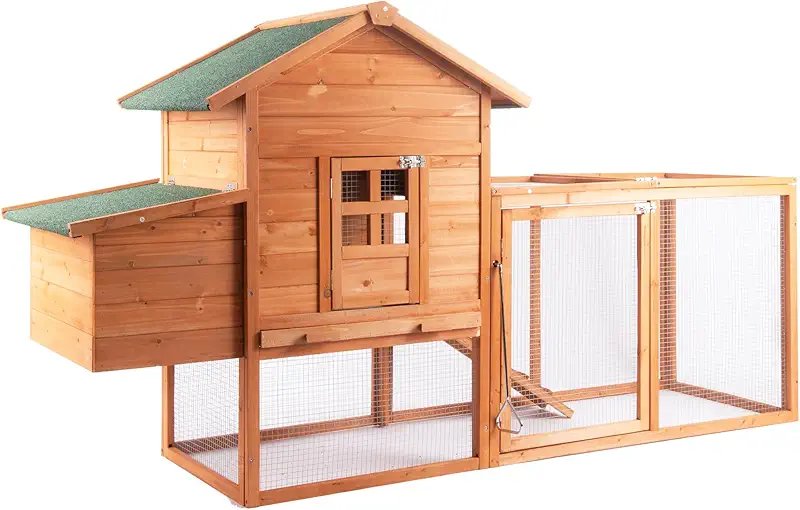
I like small, simple coops for beginners. Fewer boards, fewer problems. Start easy, then grow when your flock (and confidence) gets bigger.
How Many Hens Fit In A Cheap Hen House?
This is where a lot of folks get fooled. The box might claim “up to 8 chickens” but that’s about four bantams on a polite day. Crowded hens don’t lay well, they fight, and they get sick faster than you can grab the feed scoop.
Here’s the rule of thumb I use on my farm, and it’s never steered me wrong:
- Inside the coop: 3–4 square feet per standard hen.
- Outdoor run: 8–10 square feet per hen, more if they’re confined.
- Roost space: about 8–10 inches of perch per hen.
A lot of cheap hen houses are fine if you mentally cut the advertised capacity in half. So if it says 8, I treat it as a cozy home for 4. That gives them room to be chickens instead of feathered sardines.
Key Features To Look For In A Cheap Hen House
When I’m checking out a cheap hen house, I don’t care how cute it looks in the photos. I scan for a few specific things. If the coop passes these tests, then I start thinking about paint and decorations.
1. Solid Frame And Floor
Thin wood and flimsy joints are where cheap turns into trouble. A light coop is fine, but if you can wobble it with one hand, that first spring storm will finish the job. Look for:
- Thicker boards on the base and corners.
- A floor that doesn’t sag under a bit of weight.
- Hardware (screws and bolts) instead of just tiny staples.
2. Roof That Laughs At Rain
Seen plenty of “bargain” coops with a roof that’s more decorative than functional. Out here, we need a roof that shrugs off rain, snow, and the occasional falling branch.
- Decent overhang so water doesn’t run straight down the walls.
- No big gaps at the ridge where wind can drive rain inside.
- Waterproof panels, not just thin, untreated boards.
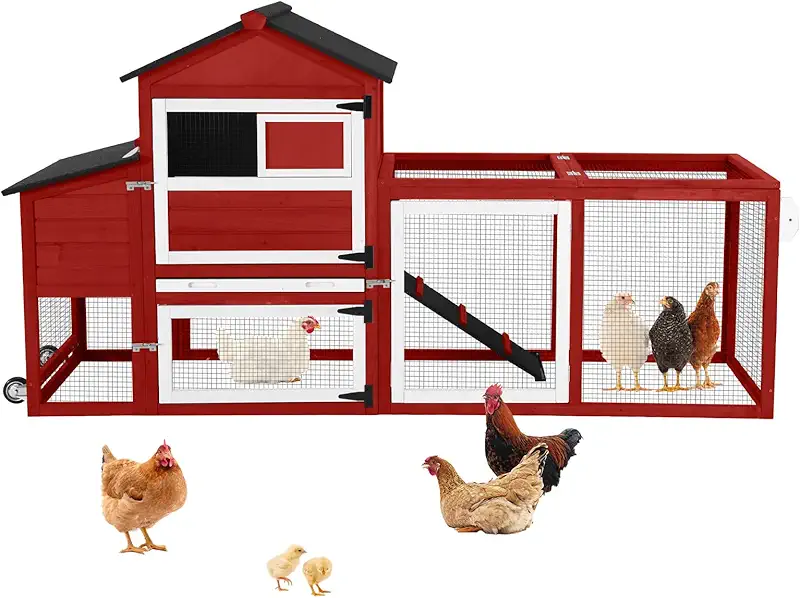
3. Ventilation Without Drafts
Chickens breathe out a lot of moisture. Trap that inside, and you’ll get frostbite in winter and sour smells in summer. A cheap hen house still needs:
- Vents up high under the eaves, covered with wire mesh.
- A window or two you can open in hot weather.
- No big gaps at roost level where wind can blast the birds at night.
4. Predator-Proof Details
Predators test a coop like burglars test a house. They look for weak latches, soft wire, and loose boards. On my farm, we’ve had raccoons open basic slide latches like they were born with tiny screwdrivers.
- Wire: 1/2" hardware cloth is best; thin chicken wire is only good for keeping hens in, not for keeping predators out.
- Locks: two-step latches or carabiners raccoons struggle with.
- Gaps: nothing larger than a quarter where a paw or snout can reach in.
Nesting Boxes And Roosts For Happy Layers
A cheap hen house usually cuts corners on the inside fittings. That’s okay; those are the easiest things to upgrade with a few boards and a bit of common sense. What you need is simple:
Good Nesting Boxes
- One nest for every 3–4 hens is plenty.
- Low front lip so eggs don’t roll out but you can still reach in.
- A little darkness and privacy. Hens aren’t so different from us in the bathroom department.
Line the nests with straw, shavings, or even dried leaves. My old hen Mabel refused to lay in a bare box. I added a handful of clean straw, and she went right to work like I’d flipped a switch.
Comfortable Roosts
Chickens like to sleep off the ground. If a cheap hen house doesn’t have proper roosts, you can fix it in an afternoon. Use:
- Rounded 2x2 or 2x3 boards, sanded a bit.
- Roosts higher than the nests (or they’ll sleep and poop in the boxes).
- Enough space so they don’t have to stack up like firewood on a cold night.
My Experience Starting With A Cheap Hen House
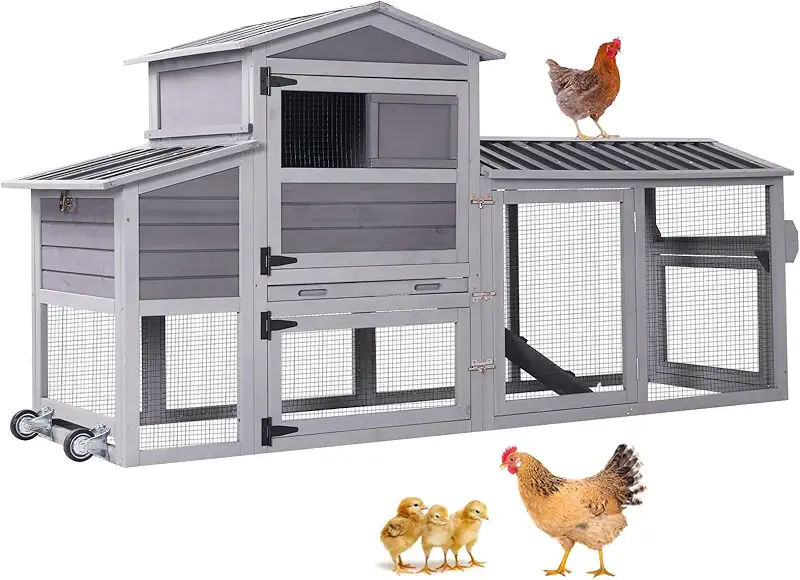
When my kids were small, money was tighter than a jar lid in January. They begged for “just a few chickens.” I found a cheap hen house on sale, flat-pack, looked decent in the pictures. When the box showed up, I swear it weighed less than a sack of feed.
We put it together on a Saturday. Next morning, I watched the neighbor’s dog lean on the side and the whole wall flexed. That was my wake-up call. I braced the frame, added extra screws, swapped out the thin wire, and set it on concrete blocks to level it. After those tweaks, that little cheap hen house held up for years.
Point is, a cheap hen house can be a great starting point if you’re willing to give it a little farmer’s touch. Think of it like an old pickup: might not be pretty, but with a bit of tinkering, it’ll get the job done day after day.
Keeping A Cheap Hen House Clean And Healthy
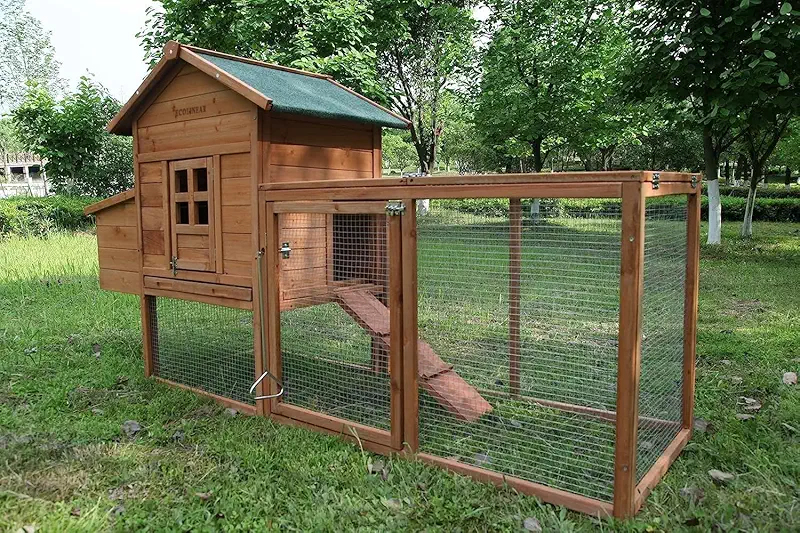
Most folks give up on chickens not because of the birds, but because of the chores. A cheap hen house can stay pleasant if you stay ahead of the mess. I like to keep it simple and steady.
My Simple Cleaning Routine
- Quick rake or scoop of droppings under the roosts every couple of days.
- Stir the bedding so it dries out instead of packing down.
- Top up fresh shavings or straw as needed.
- Full clean-out and new bedding every month or so, depending on flock size.
In winter, I sometimes use a deep-litter method: keep adding dry bedding on top, let it compost slowly, and clean it down to the floor once or twice a year. Done right, it’s warm and smells earthy, not nasty.
Air, Light, And Quiet
Chickens like routine. A cheap hen house that’s calm and predictable will keep them laying better than the fanciest coop that’s always being fussed with.
- Let in soft morning light, not harsh evening spotlights.
- Keep doors and latches from banging in the wind.
- Check the corners and under the nest boxes now and then for mites or mice.
Stretching Your Budget Without Shortchanging Your Hens
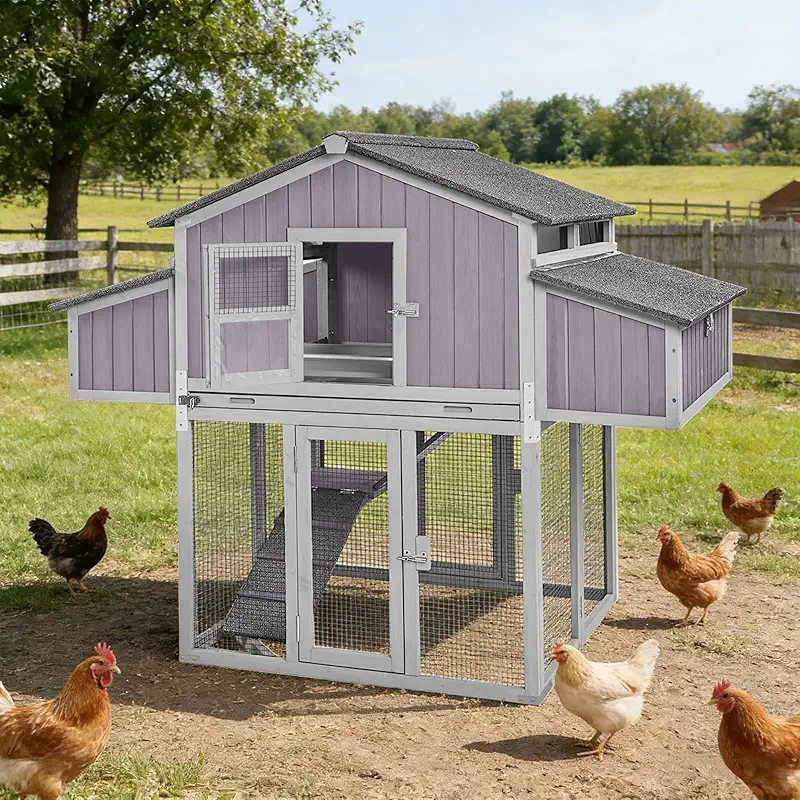
If I had a dollar for every time someone told me, “I want eggs, but money’s tight,” I could retire my tractor. The good news is, a cheap hen house and a bit of DIY can give you solid shelter without putting you in a bind.
Here’s how I’d stretch a small budget:
- Let the coop do the hard work, and build the run yourself with posts and wire over time.
- Start small with fewer hens and expand once you see how it fits your life.
- Spend a little extra on wire and latches, even if the coop itself is budget level.
- Use scrap wood for nest box dividers, ramps, and extra roosts.
Remember, the hens don’t care if the coop matches the house. They care that it’s dry, draft-free, and safe from the night crew skulking around the yard.
Cheap Hen House – Questions Folks Ask Me
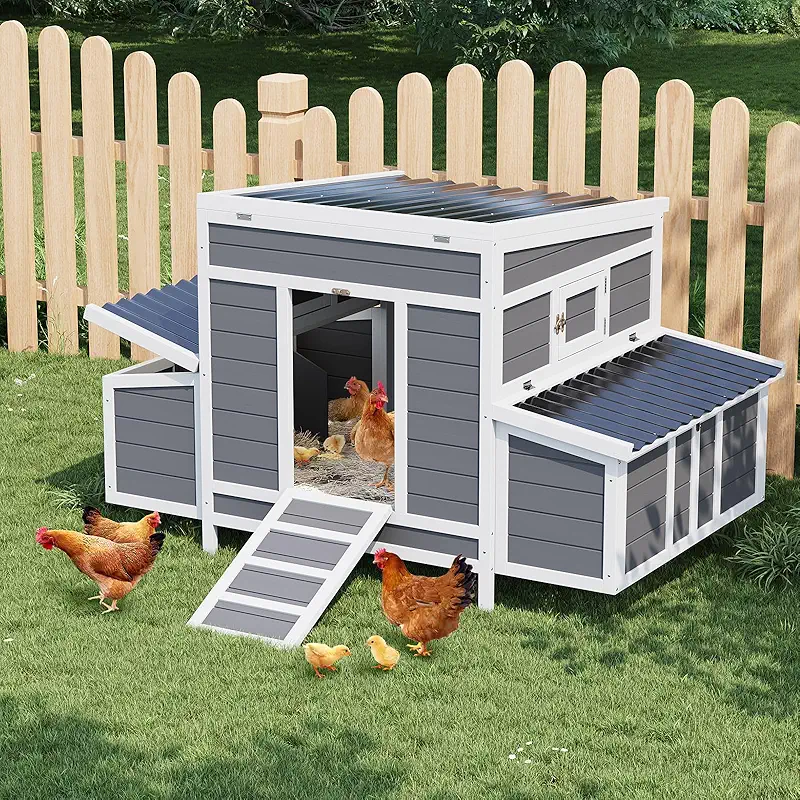
If your heart’s set on fresh eggs and a simple life with a few hens scratching in the yard, a cheap hen house is a fine place to begin. Start small, choose wisely, and let your flock teach you the rest. That’s how most of us old farmers learned, one clumsy step at a time.
When you’re ready to look over more options, take your time and picture your birds roosting there on a quiet evening. If it looks safe in your mind, then it’s worth a closer look in real life.
Show me more coops