Why a cheap coop can still be a good coop
I’ve been raising laying hens in the U.S. for more years than I care to count. I’ve had fancy walk‑in coops, homemade contraptions held together by hope, and more than one cheap chicken coop under $100. Some of those “budget” coops did just fine. A couple… well, let’s say the wind liked them more than I did.
The truth is, your hens don’t care about price tags. They care about three things: being dry, being safe, and having a calm place to lay. If a coop under $100 can give them that, you’re in good shape. If it can’t, no price is low enough to be worth the headache.
When folks ask me if a cheap chicken coop under $100 is “good enough,” I always say this: judge the coop like a farmer, not like a shopper. Look at the structure, not the paint. Ask yourself, “Will this keep a hen warm on a cold, wet night? Will it keep a raccoon mad on the outside of the wire instead of full on the inside?”
I’d rather have a plain, sturdy little coop and healthy hens than a cute, flimsy palace and a lot of regrets. Pretty doesn’t lay eggs.
What truly matters in a cheap chicken coop under $100
Let’s break this down the way I do when I’m standing in the yard, staring at a new coop and wondering if it will survive a good Midwest thunderstorm.
1. Roof and rain protection
Water is your biggest enemy. A cheap chicken coop under $100 with a weak roof is just a wet box, and wet birds get sick fast. Look for a solid roof that sheds water, not something flat that will puddle up like my uncle’s old pickup bed.
- Sloped roof or pitched roof so rain runs off.
- Material that won’t soak up water like cardboard.
- Roof panels that overlap, not big gaps that drip right on the roost.
I had one budget coop where the roof leaked right over the nesting boxes. The hens let me know how they felt about that — they moved to lay under the old wagon instead. Took me a week to figure out where all my eggs had gone.
2. Predator protection on a budget
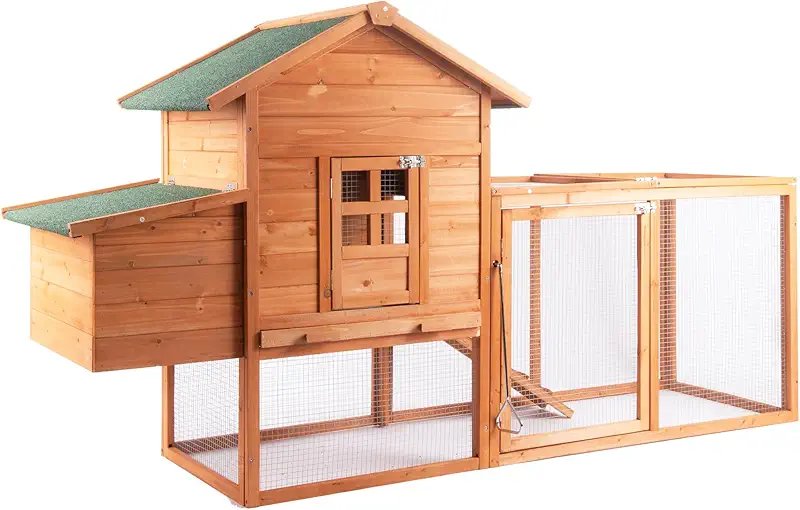
Predators don’t care if your coop was cheap. Raccoons, foxes, opossums, neighborhood dogs — they’ll all test your setup. With a cheap chicken coop under $100, you have to assume you’ll add a little reinforcement yourself.
- Wire strength: Solid wire mesh is best. Thin, wide “decorative” wire is just a suggestion to a raccoon.
- Gaps and holes: If you can stick two fingers through, a rat can probably squeeze in, and a raccoon can probably grab somebody’s leg.
- Door latches: Simple hook latches are like puzzles for raccoons. And they’re smart puzzle‑solvers.
I once watched a raccoon open a simple latch like he’d been doing it for years. From then on, every coop door here has a latch I’d trust to hold a stubborn calf.
On a low‑cost coop, I often add a strip of hardware cloth around the lower edges, and a second, tougher latch on the main door. Costs a few extra bucks, but it turns “lightweight” into “good enough for the farm.”
3. Ventilation versus drafts
Chickens breathe out a lot of moisture. Close them up tight in a little coop and you’ll get condensation and frostbite when the weather turns cold. But open the whole side up and the wind will cut through those birds like January through an old coat.
A good cheap chicken coop under $100 will have vents high up under the roofline, covered with wire. That lets the warm, damp air rise out without blowing on your hens while they sleep.
4. Space: how many hens can you fit?
Coops under $100 tend to be on the small side. Many of the pictures you see are taken from the “tall and skinny” angle that makes them look bigger than they are. Don’t trust the photos — trust the measurements.
| Area type | Rule of thumb per hen |
|---|---|
| Indoor coop (sleeping) | 3–4 sq ft |
| Outdoor run | 8–10 sq ft |
For a small cheap chicken coop under $100, I like to keep it to three or four standard hens, maybe five if they also free‑range in the yard most days. Overcrowding leads to pecking, stress, and bare backs — on the chickens, not you, though you’ll feel it just the same.
My experience starting out with a tiny budget
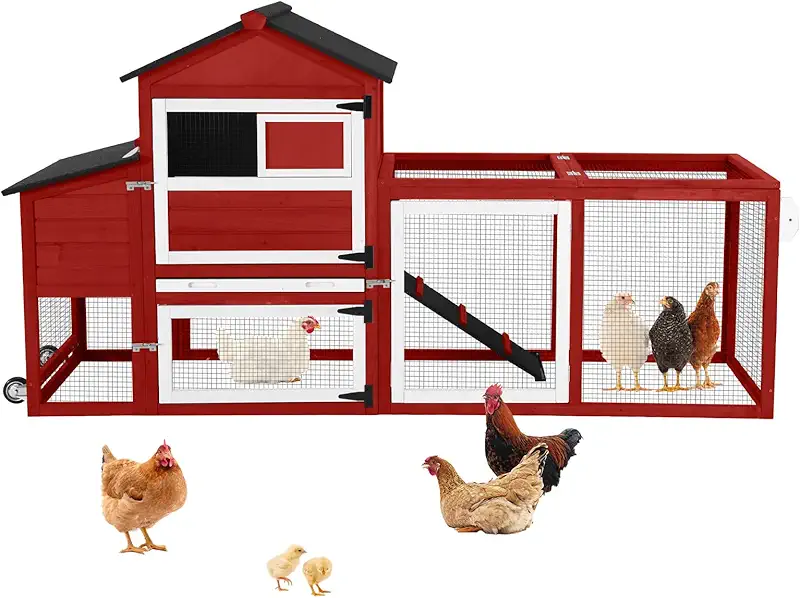
When I brought home my first little batch of pullets, money was tight. I mean “fix the fence with baling twine” tight. I found a cheap chicken coop under $100 that looked almost too small, but it was all I could swing at the time.
I set it up behind the barn, added a bit of extra wire to the weak spots, and piled straw inside. Those hens laid strong for years out of that little coop. It wasn’t pretty, but every morning I’d walk out, coffee in one hand, egg basket in the other, and there they were, lined up on the roost like little feathery soldiers.
Did I outgrow it? Sure. As soon as “just a few hens” turned into “I could probably squeeze six more in here,” I had to upgrade. But that first budget coop got me started without wiping out my feed money, and I’m still grateful for it.
A cheap chicken coop under $100 is perfect when you’re testing the waters. Just be honest with yourself: if you know you’ll end up with a dozen birds, plan on this being your starter coop, not your forever home.
How to judge a cheap chicken coop under $100 before you click
When I look at low‑cost coops online, I pretend I’m standing in my yard with a storm rolling in. I ask three simple questions.
1. Can I move it without cussing?
Light coops are handy — until a strong wind decides to move them for you. If it’s too flimsy, you’ll be chasing it across the yard like an angry kite. On the other hand, if it takes three neighbors and a tractor to budge, you won’t move it often enough to keep your birds on fresh ground.
For a cheap chicken coop under $100, I like something I can drag myself or with one helper, but that still sits tight when the wind hits. If you’re in a windy area, plan on staking it down or adding a couple of blocks at the corners.
2. Where will the rain go?
Look for coops that sit up off the ground a bit and have at least some overhang on the roof. If water runs right down the sides and into the doorway, you’ll have a muddy, stinky mess in no time.
3. How easy is it to clean?
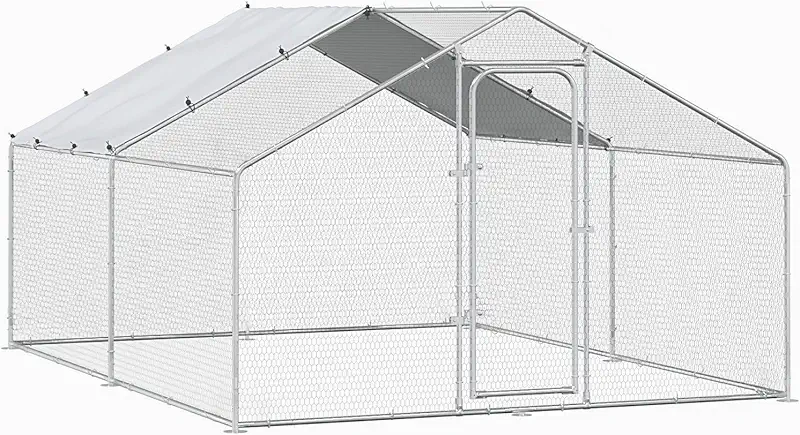
I love chickens, but I don’t love scratching around in tight corners of a coop trying to scoop out old bedding. A cheap chicken coop under $100 should still give you a door or panel big enough to reach in with a shovel or dustpan.
When it’s hard to clean, folks put it off. When they put it off, hens start breathing ammonia and walking in muck. That’s when leg problems, respiratory trouble, and mites move in like bad relatives after the holidays.
Keeping your hens happy in a budget coop
A good coop is only half the job. The way you use it matters just as much as the way it’s built. Here are the simple habits that have kept my hens laying steady through hot summers and cold snaps.
Dry bedding and simple routines
- Use dry pine shavings or straw for bedding.
- Spot‑clean droppings under the roost a couple of times a week.
- Do a deeper clean and fresh bedding every few weeks, more often in wet weather.
I turn cleaning into a quick morning routine. Coffee, boots, scoop, done. Hens get fresh footing, I get a quiet ten minutes before the day starts, and the coop never gets ahead of me.
Good airflow and shade
Chickens handle cold better than heat. In summer, a cheap chicken coop under $100 can warm up quick if it’s sitting in full sun like a little oven. If you can, tuck it where it gets morning sun and afternoon shade, or give it a bit of shade cloth.
Nesting boxes that hens actually use
I’ve seen hens reject fancy nesting boxes and then happily lay in an old milk crate. The main things they want are:
- Dim light, not bright and open.
- Soft bedding with a little “dip” shaped like a bowl.
- Enough space so they don’t bump their comb every time they turn.
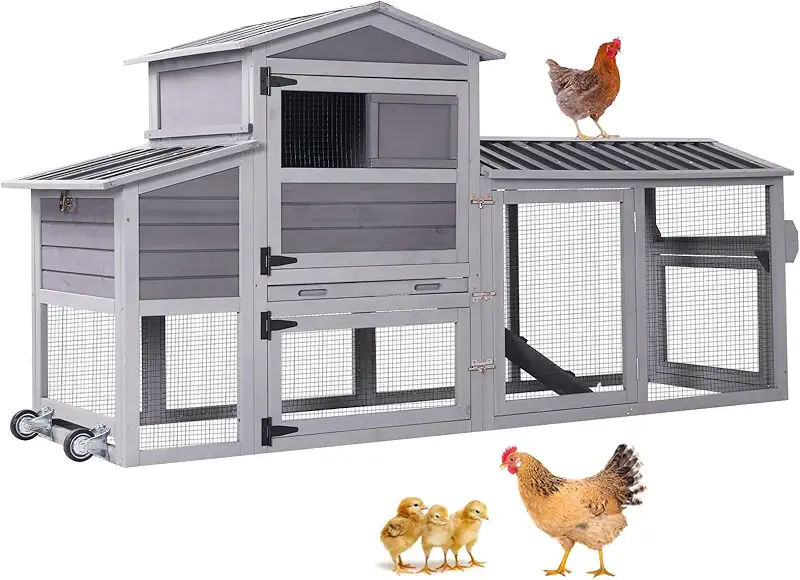
Most small coops under $100 come with one or two small nesting boxes. For three or four hens, that’s usually fine. If they start laying in the corners instead, add extra bedding, block off tempting corners during the morning, and collect eggs early so they don’t think those boxes double as bunk beds.
Little upgrades that stretch the life of a cheap coop
I’m a big believer in making the most of what you’ve got. A cheap chicken coop under $100 can last much longer with a few simple upgrades you can do in an afternoon.
- Seal the edges: Add a bead of outdoor caulk where roof meets walls to keep water from sneaking in.
- Back up the wire: Staple hardware cloth over any weak wire or big openings.
- Protect the wood: A coat of animal‑safe exterior wood sealer helps the coop face the seasons.
- Anchor the base: Set the legs on concrete pavers or blocks so they’re not sinking into mud.
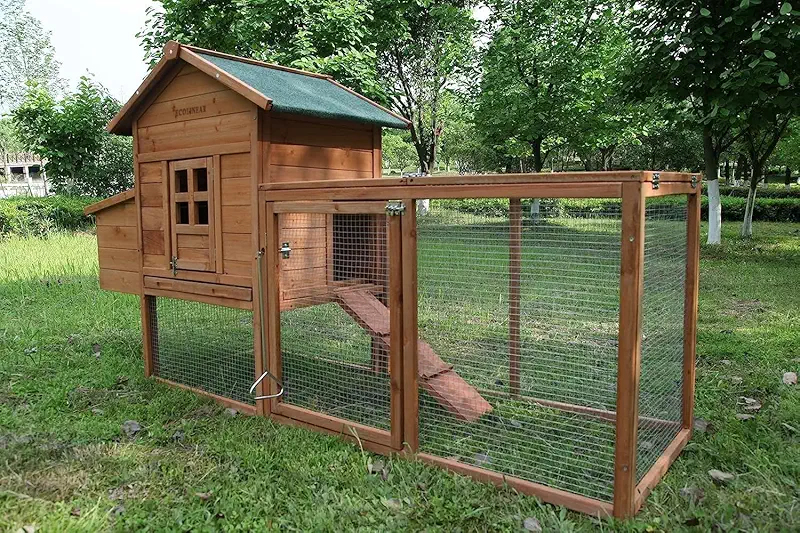
I’ve turned a couple of “this will never last” cheap coops into three‑ or four‑year workhorses this way. A few dollars and a little sweat up front beats buying a new coop every spring.
When a cheap chicken coop under $100 makes sense
Not everyone needs a big walk‑in coop with a metal roof and enough room to host a family reunion. Sometimes a little budget coop is exactly the right tool for the job.
- First‑time chicken keepers: You’re learning. No need to overspend before you know if chickens fit your life.
- Backyard flocks: Three or four hens for eggs is plenty for many families.
- Grow‑out or isolation pen: I use smaller coops for young birds or for a temporary sick‑bay.
- Seasonal flocks: Some folks just keep hens through the warm months.
If any of that sounds like you, a well‑chosen cheap chicken coop under $100 can be a smart way to start without feeling like you just took out a loan against your breakfast.
Final thoughts from an old farm hand
Chickens have been living in all sorts of makeshift homes for a long time — old sheds, wagons, even my neighbor’s retired school bus, which is a story for another day. The point is, your coop doesn’t have to be perfect. It just has to be safe, dry, and calm.
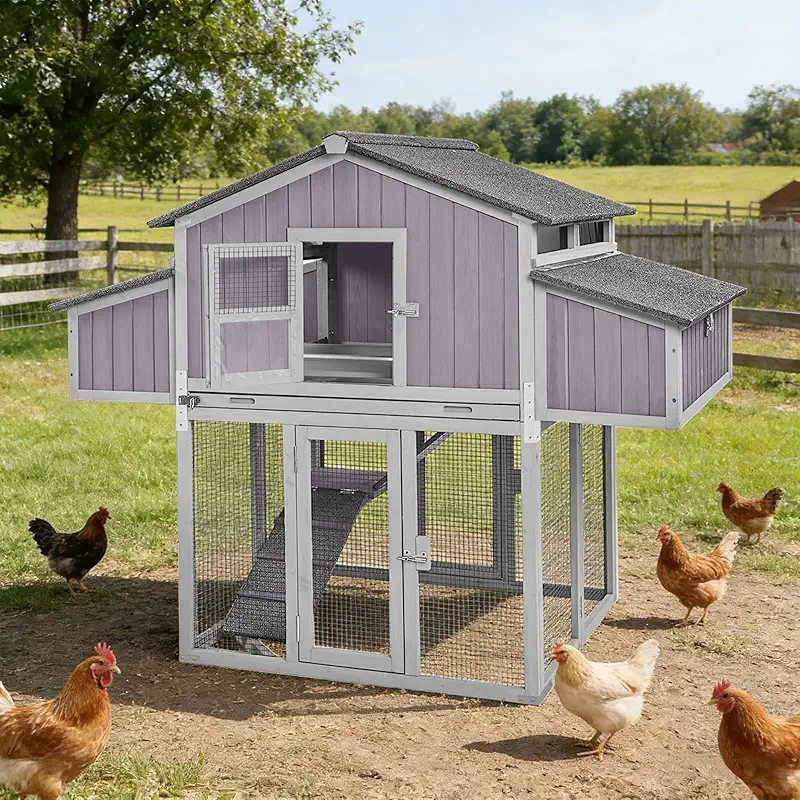
A cheap chicken coop under $100 can absolutely do that job if you choose with a clear head and fix its weak spots with a steady hand. Don’t get dazzled by cute windows or paint. Look for sound bones. Think about your weather, your predators, and your own back when it comes to cleaning and moving the thing.
If you treat your hens well, they’ll pay you back in eggs, fertilizer for the garden, and more good company than most people expect from a bird. I still say my best conversations some mornings are with a speckled hen who insists on telling me all about her day before it’s even started.