
Buy Chicken Coops Without Regrets
buy chicken coops
I have been raising laying hens on our little patch of U.S. soil for more than thirty years. I have frozen water buckets, chased foxes in my pajamas, and learned the hard way what happens when you pick the wrong coop. Let me walk you through how to buy chicken coops that actually make your life easier and keep your girls safe, dry, and laying strong.
When folks ask me how to buy chicken coops, I don’t start with fancy features. I start with a picture in my head: cold January wind howling, rain blowing sideways, and one of my old Rhode Island Reds giving me that look that says, “You better not have skimped on this house, buddy.”
A coop is more than a box with a roof. It is the bedroom, the safe room, and the gossip corner for your hens. If you choose right, chores take minutes, eggs are clean, and predators stay mad and hungry on the outside. If you choose wrong, you will spend your evenings chasing leaks, scooping soggy shavings, and saying words those hens should not hear.
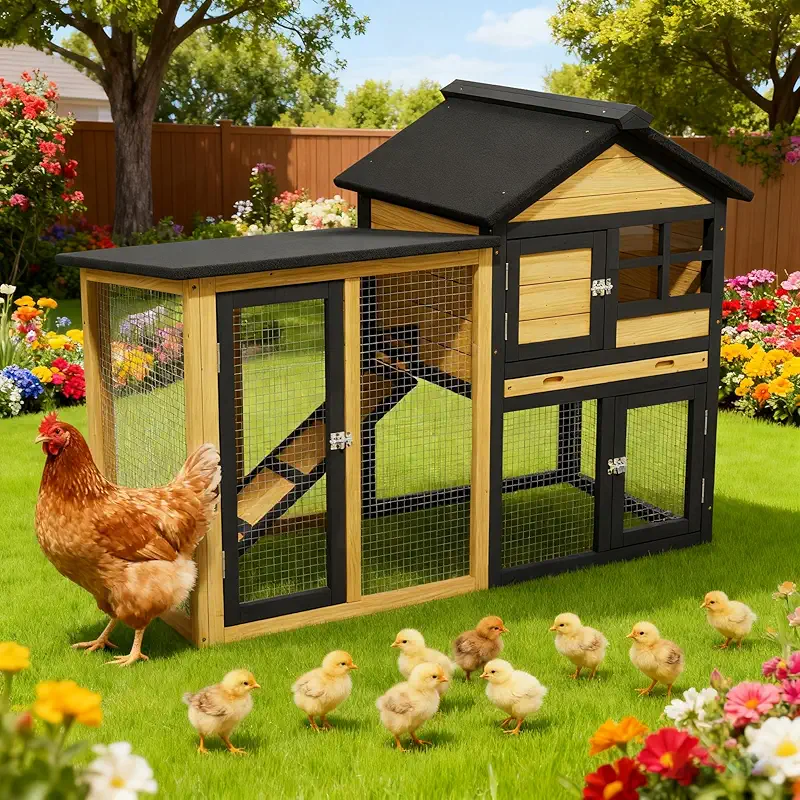
How Many Chickens, Really?
Every beginner tells me the same thing: “We just want four hens, that’s it.” Then six months later they are sending me pictures of twelve birds, three breeds they can’t pronounce, and a coop that already looks too small. Chickens are like potato chips; it is hard to stop at one handful.
When you buy chicken coops, plan for the flock you will probably have in two years, not just the flock you have in your head right now. If you think you want four hens, size for eight. Your future self, standing in the mud with a feed bucket, will thank you for that.
Inside the coop, aim for about 3–4 square feet per standard hen, and at least 8 inches of roost space each. Outside, a run with 8–10 square feet per bird keeps the peace. More room means fewer pecking battles and happier hens.
Space mistakes I made so you don’t have to
My first coop looked fine on paper. The catalog said it would hold “up to 10 hens.” I crammed eight in there and thought I was being conservative. By the first summer, it smelled like a high school locker room during football season. Ventilation was poor, birds were cranky, and I was scraping droppings like a man paying for his own bad decisions.
Since then, I have learned to ignore every “up to X chickens” claim in the product description. I look at the measurements, do the math, and then knock two or three birds off that number. A “6‑chicken coop” is usually a happy home for 3–4 hens in real farm life.
Keeping Foxes, Raccoons, and Hawks Frustrated
Out here, everything with teeth wants chicken dinner. When you buy chicken coops, assume there is a raccoon with nimble little fingers sitting on your fence, studying your hardware, and planning a break‑in.
- Wire matters: Look for ½‑inch hardware cloth, not thin chicken wire. Chicken wire keeps birds in, but it does a poor job of keeping hungry things out.
- Solid latches: I want latches that need two motions to open, something a raccoon can’t puzzle out in the dark.
- Strong floor: Either a solid floor, or wire buried around the run so diggers hit a fence, not your hens.
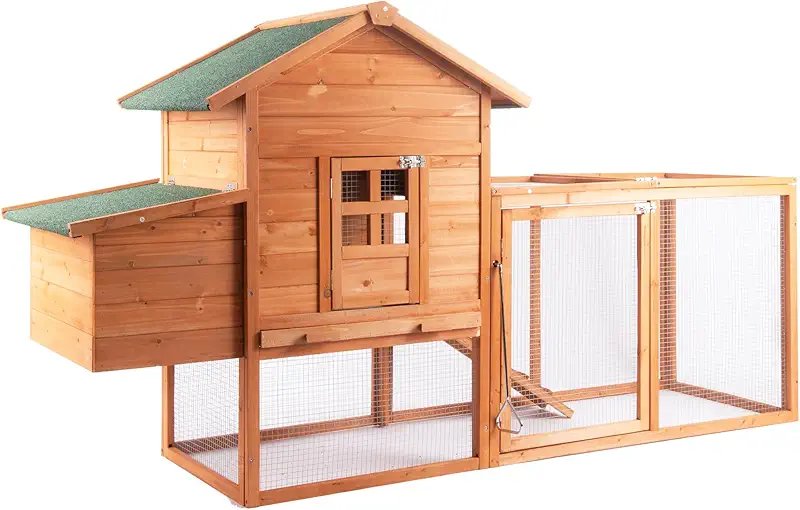
One July night, a young fox taught me a lesson. I had a weak spot where the old coop met the run. He found it, squeezed in, and I woke up to feathers everywhere and one very shaken hen on the rafters. I patched the hole, but the real fix was better design. A good coop makes predators give up and look for easier meals down the road.
Ventilation, Not Drafts: The Fine Line
Chickens breathe out a lot of moisture, and their droppings do too. Trap that inside a tight coop and you get damp litter, frosty combs in winter, and respiratory trouble. The trick is to let moist air escape without blasting your birds with cold wind.
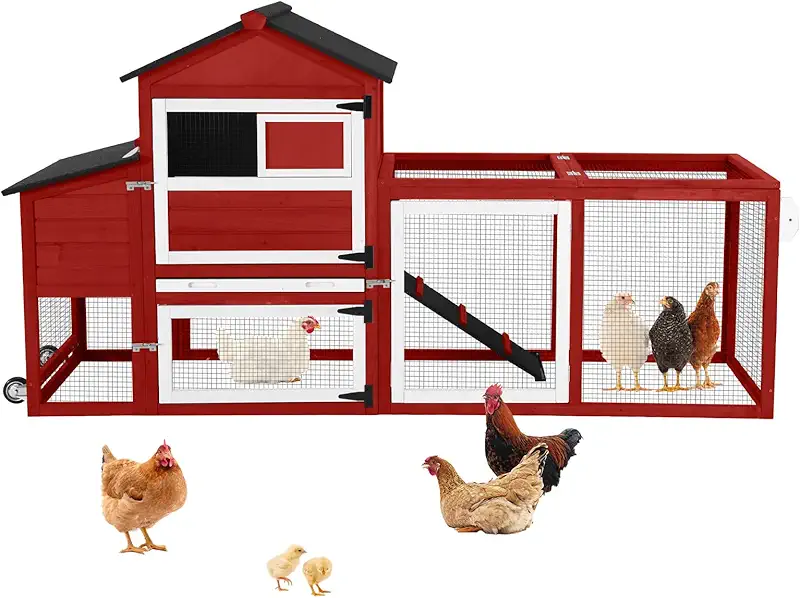
When you buy chicken coops, look for vents up high, above roost level, where warm air rises and slips out. Windows that can open in summer and close in winter are a blessing, and solid walls at roost height keep drafts off sleeping hens.
How I test a coop design
I stand inside, close the door, and just breathe. If it feels stuffy after a minute, hens are going to have a rough time. In winter, I run my hand along where the birds will roost. If I feel a draft on my knuckles, I know they will feel it on their combs.
A well‑designed coop smells like dry pine shavings, not ammonia. If your eyes water when you open the door, you do not need stronger nostrils – you need better ventilation.
Nesting Boxes and Roosts: Where the Magic Happens
Every egg starts with a good nesting box and a calm hen. When you buy chicken coops, do not overlook the simple stuff: box size, height, and how easy it is for you to gather eggs without crawling on your knees like a confused raccoon.
I like a nest box about a foot wide and a foot deep, with a little lip on the front to keep shavings in. One box for every 3–4 hens works fine; they will all pick one favorite box anyway, just to keep things interesting.
- Higher than the nest boxes, so hens sleep on the roost, not in the nests.
- Flat enough for them to rest their toes, usually a 2x3 or 2x4 with the wide side up.
- Sturdy and simple to scrape clean with a putty knife or old garden hoe.
Clean Eggs, Quiet Hens
One winter I tried saving time by leaving the nest boxes open at night. The hens decided they made fine bedrooms. I woke up to dirty eggs and a lot more cleaning. Now I prefer coops where nests are slightly shaded, off the ground, and easy to reach from outside.
When you look at pictures and plans while you buy chicken coops, imagine yourself in the pouring rain, before coffee, reaching for those eggs. If it looks awkward in good weather, it will feel twice as bad on a February morning.
Cleaning and Daily Chores: Your Back Will Notice
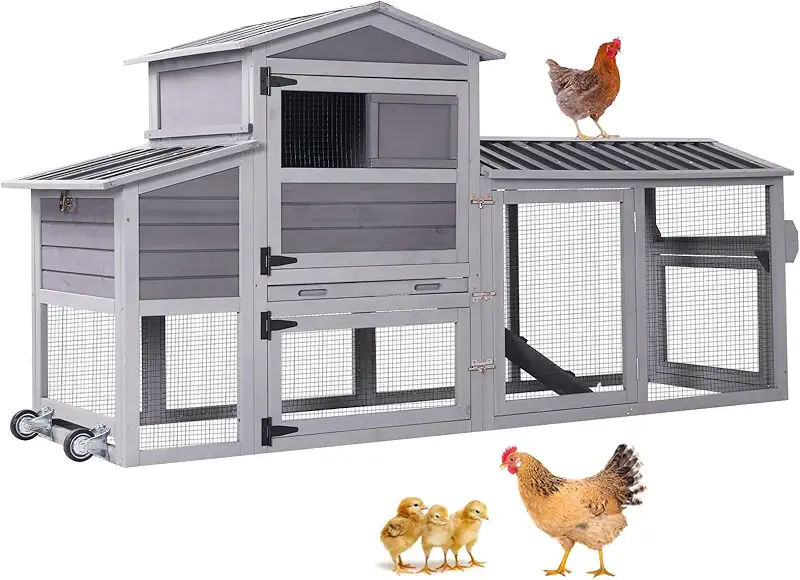
A pretty coop is nice, but a coop that cleans easily is worth its weight in fresh eggs. Long after the new‑wood smell fades, you will still be scraping, sweeping, and hauling out bedding. When you buy chicken coops, think about your back, your knees, and your patience.
I look for big doors, removable trays, and floors I can reach with a shovel without becoming a contortionist. If I cannot step in or at least reach every corner with a rake, I know I will be muttering to myself later.
The “10‑minute chore” test
I like to be able to feed, water, gather eggs, and do a quick tidy‑up in about ten minutes. Any longer and I start cutting corners, and the birds notice. Check where the feed and water will sit. Can you refill them without bumping your head or squeezing sideways?
A little forethought when you buy chicken coops means more time enjoying your hens and less time wrestling with doors that won’t stay open or trays that dump litter on your boots.
Weather: Building for Your Climate, Not Mine
I farm where winters bite and summers sweat, so I need solid walls, good roof overhangs, and shade over the run. If you are down south, you might care more about big windows and airflow than about snow load on the roof.
When you buy chicken coops, match your coop to your weather. Thin boards and tiny roofs might look fine in photos, but after one good storm you will see what they are really made of.
Little details that matter in real weather
- Roof overhang: Keeps rain from running down the sides and into the run.
- Raised floor: Keeps the coop up out of puddles and snow melt.
- Real hinges and hardware: Not tiny toy hinges that rust out in a season.
I once bought a bargain coop with a paper‑thin roof just to “get by for this year.” One storm later, the roof looked like a saddle, and I was up there in the dark with a tarp and a bucket of nails. Since then, I figure that weather finds every weak spot, so I try not to give it any to work with.
Wood, Metal, or Plastic? What Really Lasts
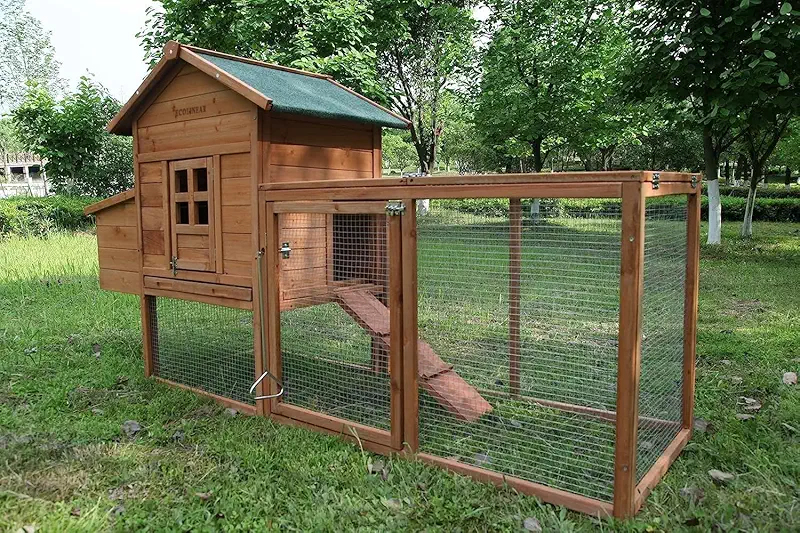
Folks get tangled up choosing between wood, metal, and plastic when they buy chicken coops. Truth is, each one works if you respect what it is good at and what it is not.
How I think about materials
- Wood: Warm, easy to repair, and looks like it belongs on a farm. But cheap, thin wood can warp, rot, and suck up moisture. Look for decent thickness, real framing, and some kind of weather protection.
- Metal: Tough and long‑lasting, though it can get hot in full sun and noisy in the rain. Works best with shade and good insulation against summer heat.
- Plastic or composite: Light, often easy to clean, and does not rot. Good for small flocks or backyard spots, but make sure it will not blow away in a big wind.
I keep one sturdy wooden coop as the main hen house and a lighter, simpler one as a grow‑out coop for youngsters. That way I am not trying to make one coop do every job on the farm.
Weight and moving the coop
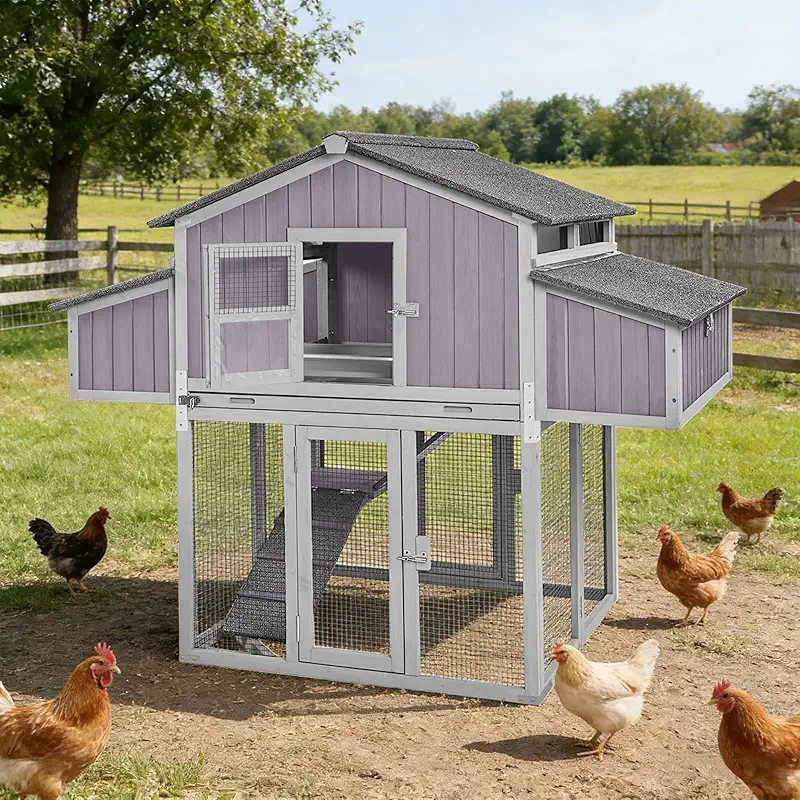
If you want to move your coop around the yard, look for skids or wheels and handles you can actually grab. I once tried dragging a too‑heavy coop across wet grass; I moved it about a foot and nearly left my lower back behind. Now I either keep heavy coops in one spot or pick designs built to roll.
Budget, “Cheap” Coops, and What to Watch For
I am a thrifty guy. I understand wanting to stretch every dollar. But cheap can mean two very different things: good value, or something that falls apart the first time a raccoon leans on it. When you buy chicken coops on a budget, look close at how the thing is put together.
Thin walls, tiny screws, and wobbly legs show up pretty fast in real farm life. I would rather have a slightly smaller, sturdier coop than a big, flimsy one that scares me every time the wind kicks up.
- Roof and floor strength.
- Predator‑proof wire and latches.
- Ventilation that does not turn into drafts.
Fancy trim and cute windowsills? Those can wait. A dry, tight, solid house comes first.
Let pictures tell the truth
When you scroll through options and get ready to buy chicken coops, zoom in on the details. Look at where boards meet, how hinges attach, and how thick the framing is. If you can see daylight through the corners in the photo, imagine what that will look like in a winter storm.
Frequently Asked Questions About How to Buy Chicken Coops
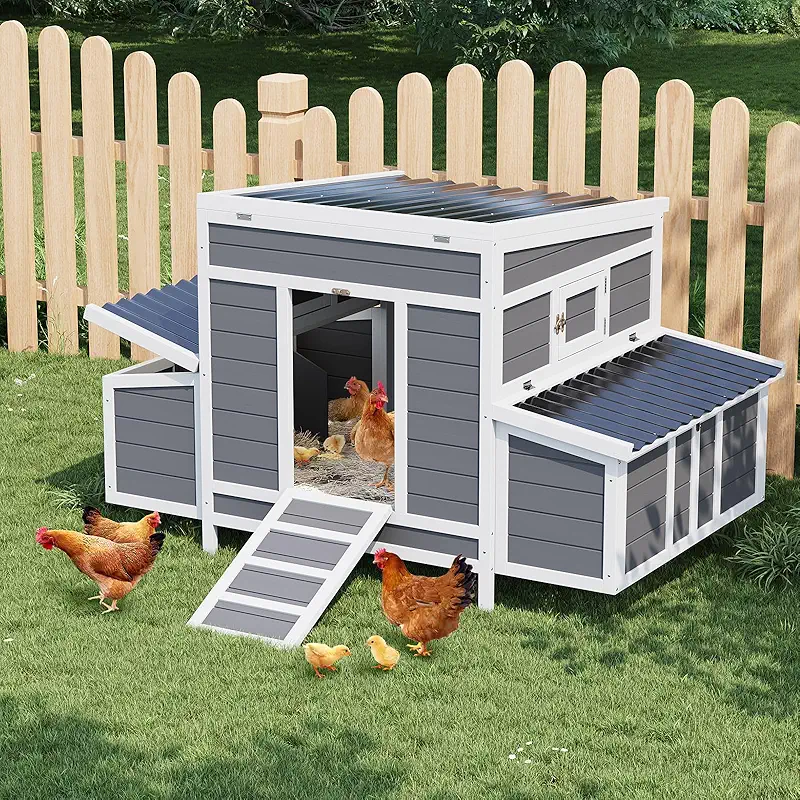
For a small backyard coop, I like to keep it to 3–4 standard hens, even if the label brags about holding 6 or 8. Give each bird around 3–4 square feet inside and more outside. You can crowd birds, but crowded hens pick each other, get stressed, and lay less. Space is cheap insurance for calm, steady laying.
You can, but only if you already have a plan for the bigger coop you will need soon. Most people end up adding a few more birds, and tiny coops become tight fast. If your budget allows, it is smarter to buy chicken coops that fit your likely future flock instead of just today’s dream of “three hens and that’s it.” I have yet to meet a chicken keeper who wished they had bought smaller.
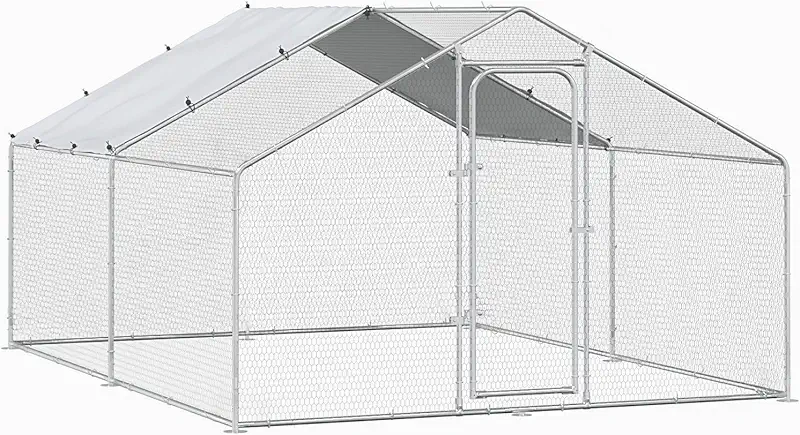
Where I live, a covered run saves birds from hawks, keeps snow and rain off the mud, and makes winter chores easier. If you have flying predators or heavy rain, a roofed run is a blessing. If you go with open fencing, make sure the sides are strong and consider at least some netting on top. I sleep better when I know the birds have a dry, safe place outside the coop.
The big three are: believing the “up to X chickens” number, underestimating predators, and ignoring cleaning. Folks fall in love with a cute picture, then discover it is hard to clean and easy for raccoons to open. Take a minute to imagine rain, mud, and midnight predators, not just sunny‑day photos. That mindset has saved me more grief than any fancy gadget.
If you enjoy tools and have time, building can be satisfying. I have built a few myself from scrap lumber. But ready‑made coops are a real help if you are short on time or experience. When you choose to buy chicken coops, look carefully at size, ventilation, and hardware, and be honest about your climate. Sometimes mixing both is best: buy a solid main coop, then add a simple homemade run or extra shelter later.
If you are still reading, you are already ahead of where I was with my first flock. Take your time, picture your birds in all four seasons, and pick a coop that feels right in your gut, not just in the photos. When you are ready to see what is out there, you can wander through the different shapes and sizes at your own pace.
Show me all coops