
Plastic chicken coop
plastic chicken coop
I’ve been raising laying hens on our little patch of U.S. soil for more than thirty years now. I have built wooden coops, patched rusty metal sheds, and, in the last decade, tried more than a few plastic chicken coop setups. Let me walk you through what actually works, what breaks, and how to keep your girls laying steady without driving yourself crazy with repairs.
If you’re standing there wondering whether a plastic chicken coop is a smart idea or just another farm fad, you’re in good company. I asked the same thing the first time someone told me, “You know, you don’t have to smell like wet lumber every time it rains.”
This might suit me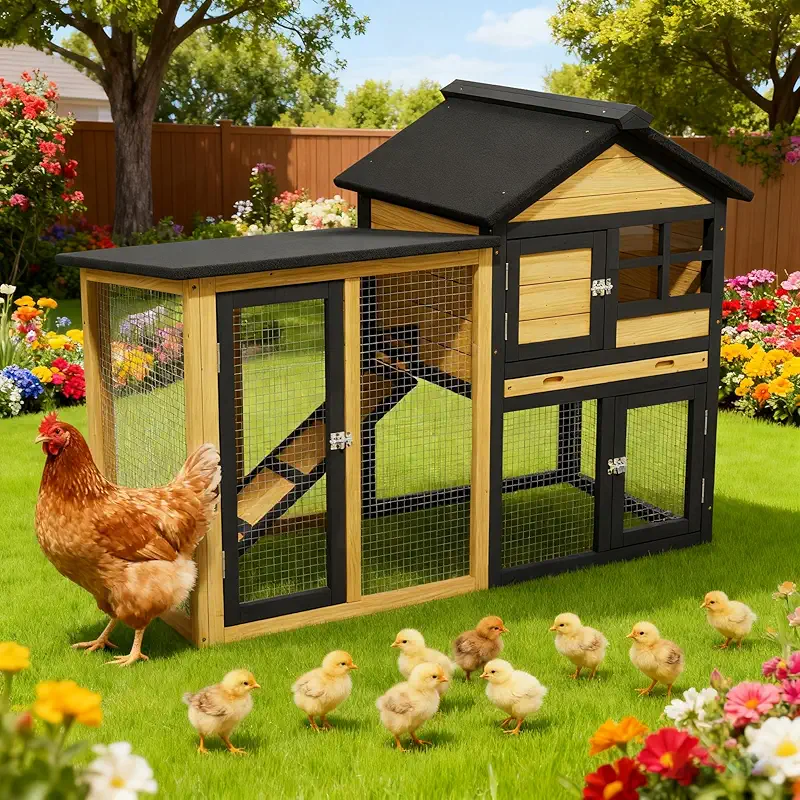
Why a plastic chicken coop can make life easier
When I built my first wooden coop, I was proud as a peacock. It looked good, smelled like fresh pine, and my hens loved it. Three years later, it smelled like a swamp, the corners were soft with rot, and I had more red mites than I had patience. That’s when I started testing plastic chicken coop designs.
A plastic chicken coop will not make you a better farmer overnight, but it sure can remove a lot of frustration. Here are the biggest differences I noticed after moving one of my flocks from an old wood coop into a modern plastic one:
- Cleaning time dropped from almost an hour to about fifteen minutes a week.
- Red mite problems went from “I’m losing sleep” to “I check, but rarely find anything.”
- The coop survived a couple of hard winters without swelling, rotting, or warping.
- The hens stayed drier because rain stopped sneaking in through hairline cracks.
I still use wood for some projects, but for small backyard flocks, a plastic chicken coop has become my go-to recommendation, especially for folks who are busy, new to chickens, or not too handy with a hammer.
How plastic coops help your laying hens stay healthy
Healthy hens lay better, live longer, and cause you a whole lot less worry. The coop is the heart of that. Let me share how a plastic chicken coop helps me keep my girls in good shape, especially through wet seasons and cold snaps.
Dry floors, dry feet, fewer problems
Chickens hate damp, even if they act tough about it. Wet floors lead to cold feet, respiratory issues, and dirty eggs. With my wooden coop, every big rainstorm found a new place to sneak in. With a plastic chicken coop, the seams are tighter and the panels don’t swell and crack.
I like to layer my bedding: a thin sprinkle of agricultural lime, then wood shavings or chopped straw on top. The plastic floor doesn’t soak anything up, so moisture sits in the bedding where it belongs and then gets shoveled out. My egg shells have been cleaner, and the birds just look more comfortable at night.
Easier cleaning means better air
Ammonia is no joke. If you open your coop and your eyes sting, your hens have been breathing that all night. With the plastic coops I use, I can pull the roost bars out, scoop the droppings, and wipe the surfaces with a mild soapy solution in no time. No wood grain to hold old manure, no rough corners where things stick.
My rule of thumb: if I can’t clean the coop properly in under twenty minutes, I know I’m going to start putting it off. Plastic keeps me honest, because it’s just so quick to deal with.
Choosing the right plastic chicken coop size
The most common mistake I see with first-time chicken keepers is underestimating how much space hens need. A cramped coop will turn your sweet flock into a bunch of feathered little jerks. They can’t help it; they just need elbow room, or whatever the chicken version of elbows is.
Here’s the basic rule I use on my farm for a plastic chicken coop:
- Inside the coop: about 4 square feet per standard hen.
- Outside run: at least 8–10 square feet per hen, more if you can spare it.
- Nest boxes: 1 box for every 3–4 hens.
So, if you’re planning on keeping four hens, you’ll want a plastic chicken coop with at least 16 square feet inside and a decent run attached or nearby. If you think you want four hens, go ahead and plan for six. Everyone “accidentally” adds more chickens. Happens every time.
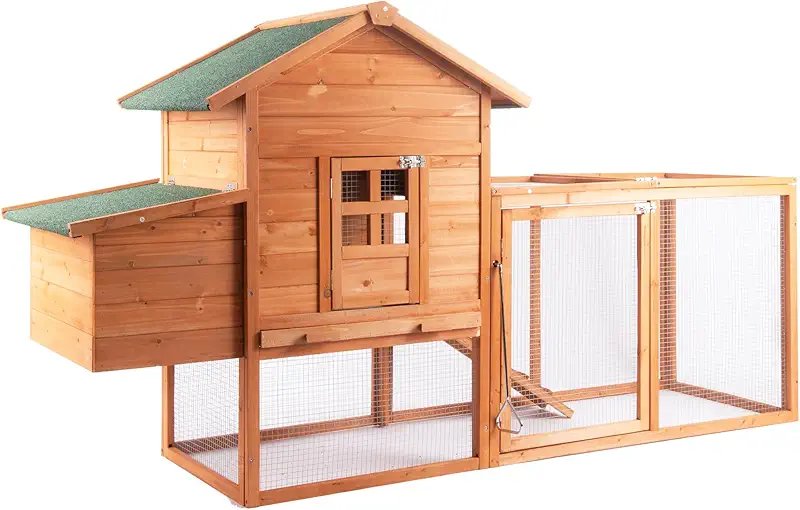
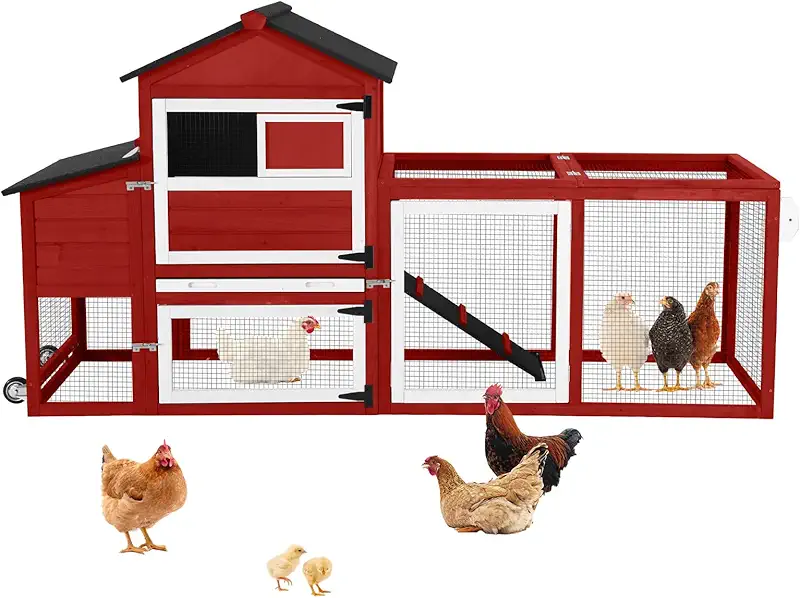
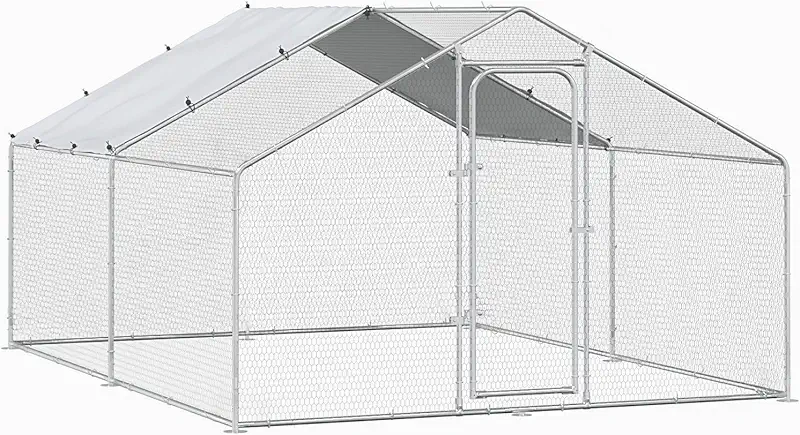
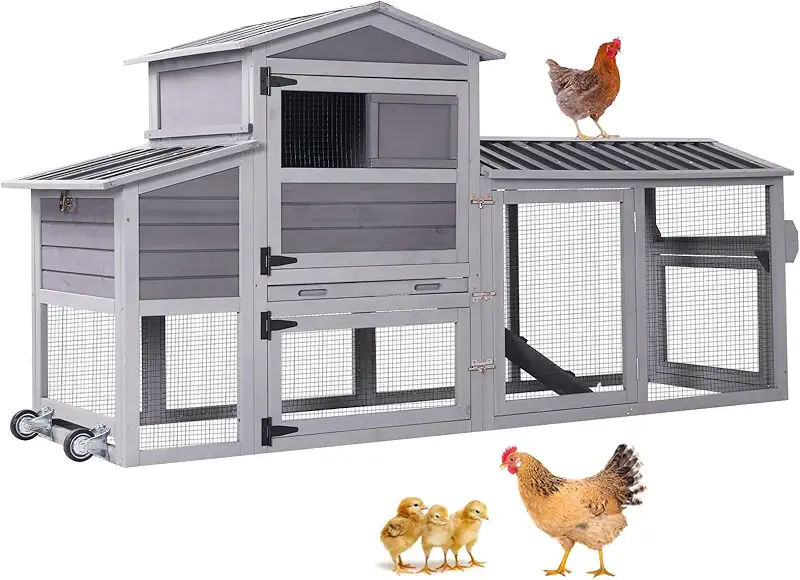
When you look at pictures online, it’s easy to misjudge scale. I like to check three things in the photos:
- Is there a person or a full-grown hen for reference?
- How high are the roost bars from the floor?
- Could I comfortably kneel or crouch to reach the back corners?
A coop that’s a bit bigger than you need is rarely a problem. A coop that’s too small will cause pecking, feather loss, dirty birds, and headaches you don’t need.
Ventilation and warmth in a plastic coop
Folks often ask me, “Does a plastic chicken coop get too hot or too cold?” The honest answer is: it can, if you don’t set it up right. But that’s true of any coop. The trick is balancing ventilation and protection.
What I look for in a plastic chicken coop
- Adjustable vents high on the walls, not at chicken height.
- Openings you can close off partly during storms and deep winter.
- Enough roof overhang or design so rain doesn’t blow straight in.
Chickens handle cold better than damp. In my northern winters, I keep the top vents open so moisture and ammonia can escape, but I block direct drafts that hit the birds on the roost. A plastic chicken coop won’t “breathe” like old wood, so those vents matter even more.
In summer, I make sure the coop sits where it catches some afternoon shade if possible. Light-colored plastic can help reflect heat. You can also hang a shade cloth over the top of the run if your sun is especially fierce.
Setting up a plastic chicken coop the smart way
A good plastic chicken coop can still fail you if you drop it straight onto bare dirt and walk away. I’ve done that with temporary pens, and I always regret it by the first big rain.
Pick a solid, slightly raised spot
I like to set my coops on the highest reasonably flat part of the yard I can find. Think about where water goes when the sky opens up. If it runs toward your coop, find another spot or build up a base with gravel and compacted soil.
For smaller plastic coops, I often use:
- A layer of compacted gravel for drainage.
- Then some heavy-duty pavers or treated 4x4s as a level base.
- Then the plastic chicken coop anchored or screwed down if the design allows.
This keeps the floor dry, discourages rodents, and helps the structure last longer.
Predator protection is not optional
The plastic itself is usually solid enough for raccoons and opossums, but the weak points are doors, latches, and the connection to the run. Where I live, raccoons are basically little burglars in fur coats.
When you assemble a plastic chicken coop, I suggest:
- Adding a secondary clip or carabiner on every latch.
- Checking that the nest box lid can’t be flipped open by a clever raccoon.
- Securing the run with hardware cloth along the bottom, not just thin chicken wire.
- Burying the fence edge or laying an apron of wire flat on the ground outward.
I sleep better when I know a coyote would need a toolbox to get inside my runs.
Keeping a plastic chicken coop clean, without burning out
The best coop is the one you’ll actually maintain. If cleaning is a nightmare, you’ll put it off, and your hens will pay the price. One reason I like a plastic chicken coop is that I can keep up with it even when life gets busy.
My simple cleaning routine
This is what I do with my plastic coops for a flock of six layers:
- Every morning: Quick glance inside, scoop any obvious mess from under the main roost.
- Once a week: Remove roost bars, scrape droppings, refresh bedding where needed.
- Every month or so: Full clean-out, hose if the design allows, light scrub and dry.
With wood, hosing things down can be risky because the moisture soaks in and never quite dries. With a good plastic chicken coop, water runs right off as long as you give it some time to air out before bedtime.
I also keep a small bucket of supplies nearby: a scraper, some barn lime, a brush, and a rag. If everything I need is within reach, I’m a lot less likely to say, “Eh, I’ll do it next weekend.”
Wood vs plastic chicken coop: my honest take
I’m not here to tell you plastic is magic and wood is useless. I still have a big wooden barn that I love, creaks and all. But if we’re talking small backyard flocks, a plastic chicken coop wins more often than not, especially for folks who aren’t looking to become full-time carpenters.
Where plastic shines
- Maintenance: Much easier to wash and disinfect.
- Mites and lice: Fewer hiding places in smooth plastic.
- Weather: No rot, less warping and cracking.
- Weight: Many plastic coops are lighter and can be moved if needed.
Where wood still has a place
- Large flocks: Custom wooden builds can be cheaper at big scale.
- Extreme cold: Thick wooden walls can buffer temperature swings.
- DIY flexibility: Easy to add on, expand, or repair with basic lumber.
For most backyard keepers I meet—folks wanting 4 to 10 hens mostly for eggs and fun—a well-designed plastic chicken coop is a good balance of durability, cleanliness, and simplicity.
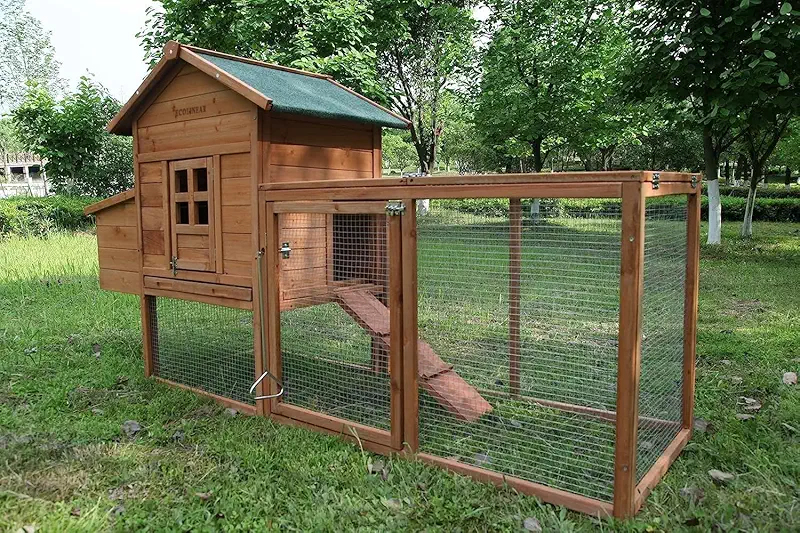
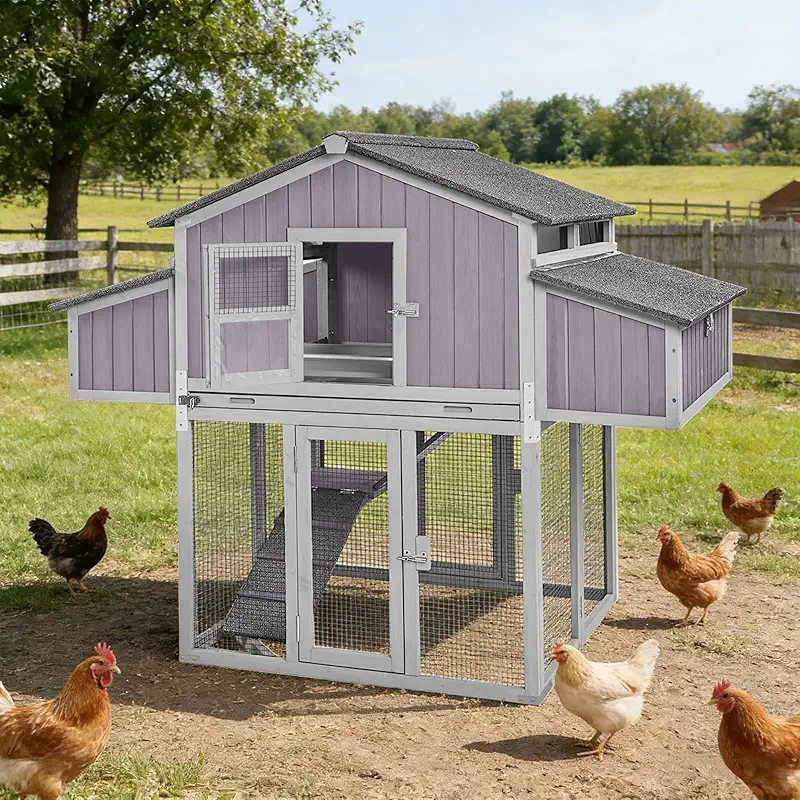
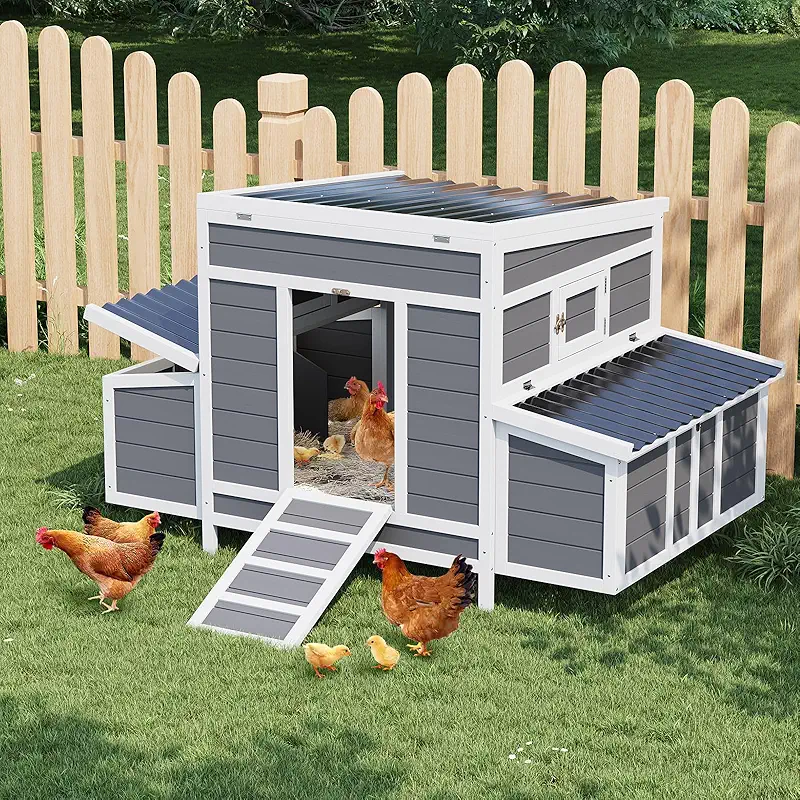
Tips for happy laying hens in a plastic coop
A plastic chicken coop gives you the shell; you still have to make it a home. Over the years, my hens have “told” me what they like, mostly by where they choose to sleep and lay when they have options.
Give them solid roosts at the right height
I like roosts made from a rounded 2x3 or similar, flat side up, about chest height on an adult bird. In a smaller plastic chicken coop, I avoid packing in too many perches. One or two well-placed roost bars, with room for every chicken to sit without being shoved, is better than a jungle gym they fight over.
Make nest boxes dark and calm
Chickens like to feel hidden when they lay. If light streams straight into the nest area of your plastic coop, you can hang a simple curtain of feed sack or cloth. I’ve done that more than once, and egg laying settled right down.
Routine, routine, routine
Hens are creatures of habit. Feed at roughly the same times, lock the plastic chicken coop at the same time every night, and you’ll have fewer birds sleeping in odd places or laying in the bushes.
FAQ about plastic chicken coops
In my experience, a plastic chicken coop smells less over time, as long as you clean it. The plastic doesn’t soak up moisture or manure the way old wood does. If you keep up with bedding changes and ventilation, smell is usually better controlled in plastic than in a rough wooden shed.
I’ve run plastic coops through single-digit nights. The key is protection from drafts, not packing in electric heaters. Make sure the vents are above the birds and out of the wind, add plenty of dry bedding, and let the chickens fluff their feathers. A good plastic coop with a tight door and dry interior holds warmth surprisingly well from the birds’ own body heat.
The panels themselves are usually strong enough. The weak links are doors, latches, and the run. I always add backup clips on doors and use strong wire on the run. If you set your plastic chicken coop on a secure base and close it properly at night, it can be just as safe as a wooden coop, sometimes more, because there are fewer soft, rotten spots for predators to take advantage of.
Ignore the big numbers you sometimes see in product descriptions. I like to stick to around 4 square feet per standard hen inside. So if the plastic chicken coop has 12 square feet inside, I treat that as housing for three hens, maybe four if they have a very generous outside run and mild weather. Crowding birds is asking for trouble.
With normal use and some care, I expect a decent plastic chicken coop to last several years, often five or more. Sun, wind, and rough handling can shorten that, but I’ve had plastic units outlast small cheap wooden coops by a mile. If you keep it on a solid base and don’t let it sit in standing water, the panels themselves hold up very well.
Choosing your first plastic chicken coop
If you’re just getting started, don’t overthink it to the point you never bring home your hens. Pick a plastic chicken coop that:
- Is big enough for the number of chickens you truly plan to keep.
- Has easy access doors and removable parts for cleaning.
- Provides decent ventilation with adjustable vents.
- Looks like something you can assemble without losing your religion.
I always tell folks: buy or build something that future-you will thank you for, not curse you for. A sensible, easy-to-clean plastic coop can let you focus on the fun parts—watching your hens scratch, gathering warm eggs, and sipping coffee while the flock chats away in the morning.