
cheap chicken coops nearby
cheap chicken coops nearby
I’ve raised laying hens on this old American soil for more years than my knees want to count. If you’re hunting for cheap chicken coops nearby and don’t want to waste money on junk, pull up a hay bale and let’s talk plain and honest.
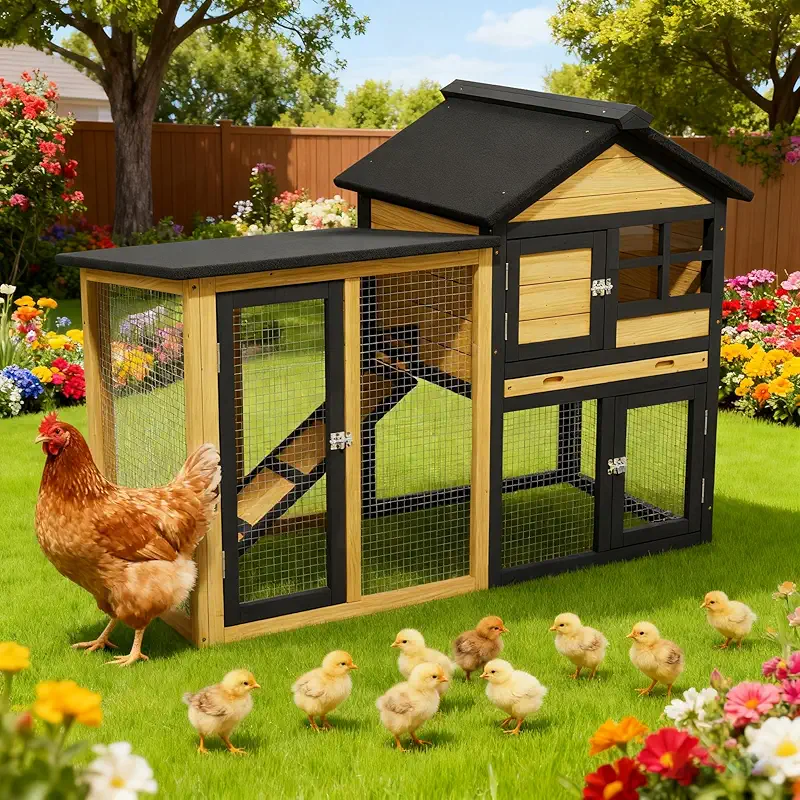
A coop doesn’t have to be fancy, but it has to be safe, dry, and easy to live with day after day. I’ve built coops from scrap lumber, bought cheap ready-made ones, and patched up more than I care to admit. I’ll walk you through how to pick a good, budget coop, how to keep your girls laying strong, and how to avoid the mistakes that cost time, money, and feathers.
What “cheap” should and shouldn’t mean
When folks ask me about cheap chicken coops nearby, I always say this: saving money is good, losing hens is not. Cheap is fine as long as you’re not cutting corners on safety or basic comfort.
Around here, I’ve seen neighbors grab the lowest-priced coop they could find. Looked cute in the picture, like a little barn from a kid’s storybook. Two months later the roof swelled, the door sagged, and a raccoon slipped in like it owned the place. Price tag was cheap. Lesson was expensive.
Things that can be cheap
- Paint and stain (as long as you apply enough of it).
- Your own labor — weekends with a drill and a stubborn streak.
- Looks. Chickens don’t need Pinterest, they need a dry roost.
- Extras like cute windows, little flower boxes, fancy trims.
Things that must never be cheap
- The frame and floor — this is what keeps the whole thing standing.
- Hardware cloth and latches — this is your night watchman.
- Roof and ventilation — this is what keeps birds dry and breathing right.
When you’re browsing coops online, zoom in on the corners and doors. If you see thin staples and loose, fluffy wire, keep scrolling. Predators love cheap hardware even more than you do.
How many hens fit in a cheap coop?
I learned this one the hard way when I was young and thought “they’ll squeeze in just fine.” Overcrowded hens don’t lay well, fight more, and make a mess faster than you can say “who knocked over the waterer?”
Inside the coop, aim for about 3–4 square feet per hen. Outside in a run, shoot for 8–10 square feet each if you can. More is better, but that’ll keep the peace.
When you look at cheap chicken coops nearby, ignore the big bold number that says “up to 8 chickens” or “up to 10 chickens.” That’s marketing talk. Use a tape measure instead of trusting the box.
My quick size rules
- 2–3 hens: look for at least 8–10 square feet of enclosed coop.
- 4–6 hens: at least 16–24 square feet of coop.
- 8–10 hens: at least 32–40 square feet of coop.
Remember, the nesting boxes and roost bars take up floor space too. If a cheap coop looks small in the pictures, it’s probably even smaller in real life. I always tell folks: better to have room to grow your flock than to be out shopping for another coop next spring.
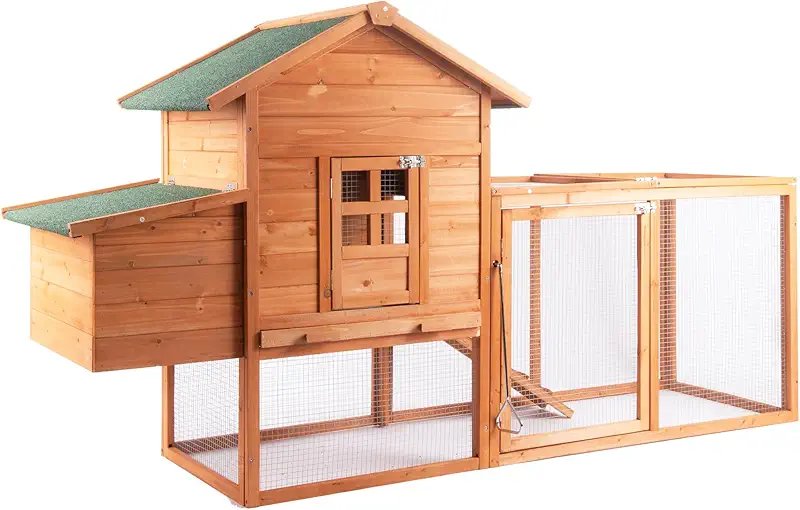
What I look for when browsing cheap chicken coops nearby
Let me walk you through the mental checklist I use when I’m poking around looking for cheap coops, whether it’s at the local farm store or online.
1. Solid frame and floor
If I can see 1x1 sticks and flimsy joints, I know that coop is going to wobble like an old wheelbarrow. I want to see decent-sized lumber, strong corners, and a floor that won’t sag when I step in with a full bucket.
Raised floors are great. They keep the coop drier, and the air moving underneath cuts down on rot. I’ve had ground-level coops turn into muddy, smelly messes after one wet spring.
2. Roof that can handle a storm
A good roof doesn’t have to be fancy metal; even decent asphalt panels will do. What matters is that it overhangs the sides a bit and doesn’t look like it’ll curl up in six months.
Wherever you are in the States, you’re going to see rain, snow, or at least some wind. Cheap coops with paper-thin roofs leak fast, and once bedding gets soaked, sickness isn’t far behind.
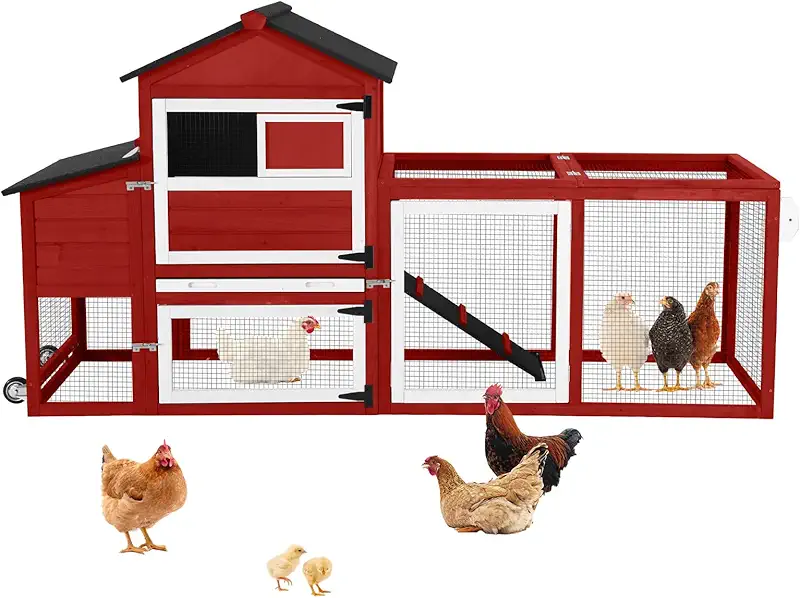
3. Predator proofing (this is where most cheap coops fail)
I’ve lost birds to everything with teeth: raccoons, foxes, neighborhood dogs, and once a very determined possum. The weak point is almost always doors and windows.
- Wire: I want hardware cloth, not chicken wire. Chicken wire keeps birds in; it does not keep predators out.
- Latches: A single little hook isn’t enough. Raccoons have fingers like jail-break artists.
- Gaps: If you can stick two fingers through it, weasels can try their luck.
A cheap coop with good wire and decent latches is worth more than an expensive one with pretty trim and flimsy fasteners.
4. Easy to clean
I’m not as young as I used to be, so I pay attention to doors, trays, and access panels. Manure piles up fast, and if a coop is a pain to clean, guess what: you’ll skip it “just this once.” That’s how smell and sickness sneak in.
Look for:
- Big doors you can reach through without crawling.
- Removable trays or floors you can scrape.
- Nesting boxes that open from the outside.
If you can’t imagine cleaning the coop on a cold, wet morning without cussing, keep looking. Cheap is good. Back pain is not.
Cheap coop materials that actually last
Over the years I’ve learned that you don’t need the best materials on earth; you just need the ones that can handle weather and chickens with a bit of help from you.
Wood and finish
Thin softwood is fine if you treat it right. A cheap coop can last years if you seal the edges, paint it well, and touch up the spots that take the most weather.
I like to:
- Paint the outside with a good exterior paint.
- Oil or seal the legs and the bottom edges where water likes to sit.
- Add a strip of scrap roofing over doors that take the brunt of the rain.
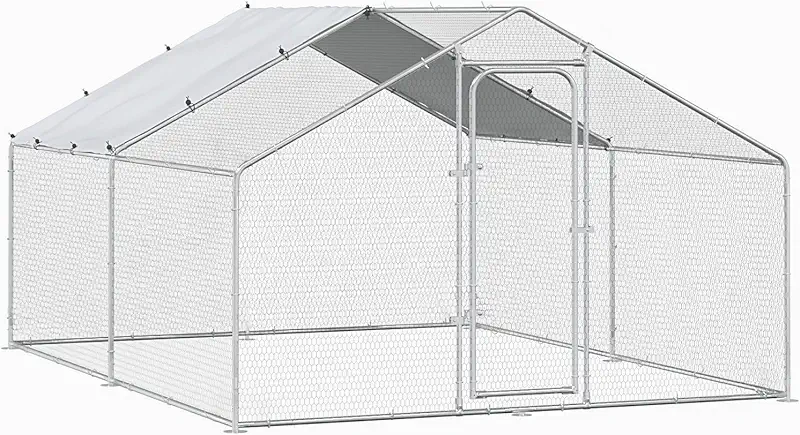
Wire and hardware
If I’m going to spend a few extra dollars, this is where I put it. Hardware cloth with small openings and solid staples or screws with washers can turn a bargain coop into a fortress.
I’ve taken cheap little coops and:
- Reinforced every window with hardware cloth.
- Swapped out wimpy latches for real barrel bolts or carabiners.
- Added a skirt of wire around the run so diggers hit metal instead of chicken.
It doesn’t look fancy, but my hens sleep quiet, and I do too.
Setting up a cheap coop the right way
Even the best coop can turn into a headache if you plop it in the wrong spot. I’ve learned to pay as much attention to where I put the coop as which coop I pick.
Pick a dry, slightly higher spot
Water is the enemy. If your yard has a low corner that turns into a pond every heavy rain, don’t put the coop there unless you enjoy muck boots and bad smells.
I prefer a little rise where water naturally drains away. If your land is flat, a few concrete blocks under the legs can keep the frame out of the mud.
Shade and breeze
I’m in the U.S., and summers can get real hot. Chickens handle cold better than heat. A cheap coop tucked in light shade with a bit of breeze is worth its weight in golden yolks.
Just don’t park it under trees that drop heavy limbs in every storm. Hens don’t enjoy surprise remodeling.
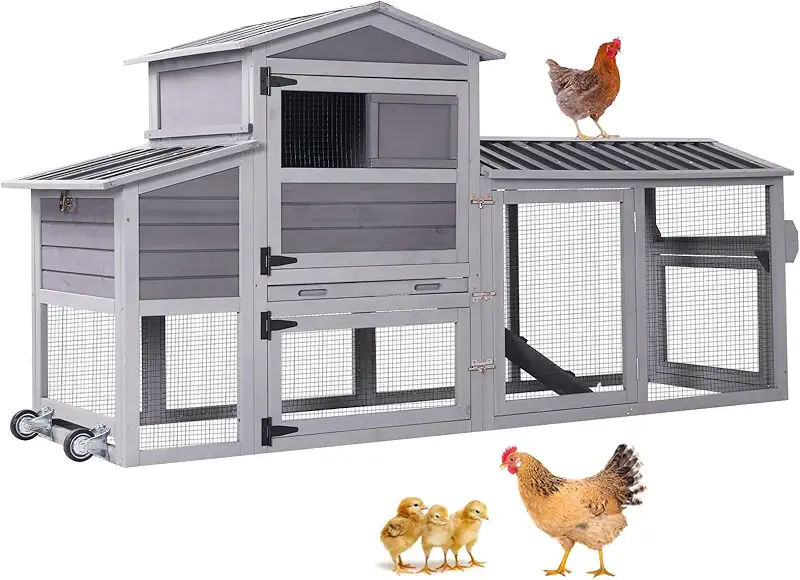
Inside setup: roosts, nests, and bedding
Chickens like a routine, kind of like old farmers. Set the inside up smart from the start and they’ll reward you with clean eggs and calm nights.
- Roost bars: Higher than the nesting boxes, round enough for their feet, plenty of space so they aren’t stacked like cordwood.
- Nesting boxes: One box for every 3–4 hens is usually enough. They’ll argue over the same favorite box anyway.
- Bedding: I like pine shavings. Deep enough to soak things up, not so deep they kick it all out the door.
When you first move hens into a new cheap coop, keep the nesting boxes a bit dim and cozy. A fake egg or two in there (wood or ceramic) tells them, “this is the egg spot, girls.”
Keeping hens happy in a budget coop
A cheap coop doesn’t mean a hard life for your birds. With a little daily care, your girls will lay strong eggs and greet you at the gate like old friends waiting for gossip.
Feed and water simple rules
I keep it basic but steady:
- Layer feed in clean feeders, topped up every morning.
- Fresh water, changed daily. In winter, I check it like I check the coffee pot.
- Kitchen scraps in moderation — no salty junk or moldy leftovers.
I joke that my hens probably eat better than I do some days. But it shows in the eggs: firm whites, rich yolks, and shells that don’t crumble.
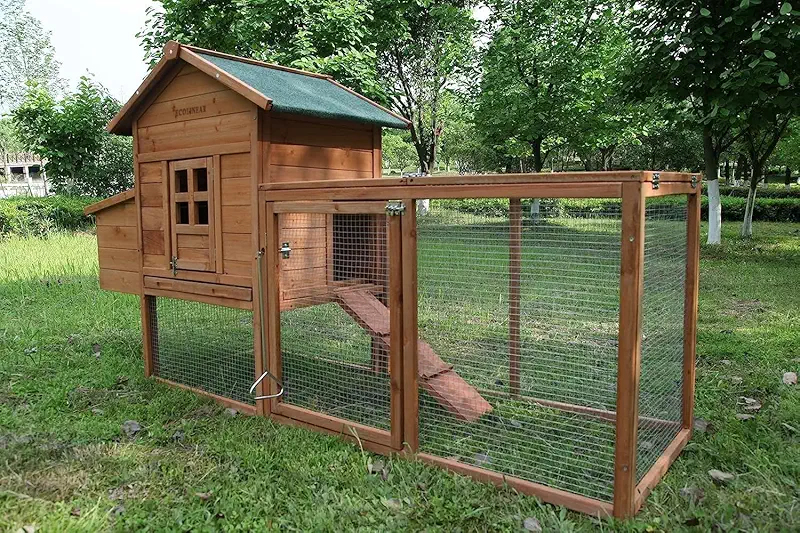
Ventilation and smell
If you open the coop and your eyes water, that’s ammonia telling you the birds aren’t happy. Even cheap coops need decent airflow up high, away from the birds’ backs.
I like to:
- Keep vents open year-round, closing only the drafty ones during harsh storms.
- Stir and top up bedding regularly instead of waiting for a big cleanout.
- Watch the roof line and corners for condensation and mold.
Winter and summer in a cheap coop
I’ve gone through blizzards and heat waves with budget coops. You just have to think ahead.
In winter:
- Add dry bedding, especially under the roosts.
- Block direct drafts on the birds while keeping top vents open.
- Keep water from freezing as best you can — heated base if you’ve got power, frequent checks if you don’t.
In summer:
- Shade, shade, shade. A cheap tarp can be a life saver.
- Plenty of cool water and maybe a shallow pan for them to stand in.
- Good airflow: open everything you safely can while keeping predators out.
How to stretch the life of a cheap coop
I like making things last. My wife says I can’t throw anything away unless it’s rusted in half and already buried. Cheap chicken coops nearby can last a surprising number of years if you give them a little attention.
My once-a-year coop check
Once a year — usually on one of those early spring days when the mud hasn’t quite dried — I walk around the coop with a screwdriver, a hammer, and a cup of coffee.
- Tighten any screws that have worked loose.
- Tap in nails that have backed out.
- Check the roof for soft spots or lifted edges.
- Look for chewed wood or scratched wire around the bottom.
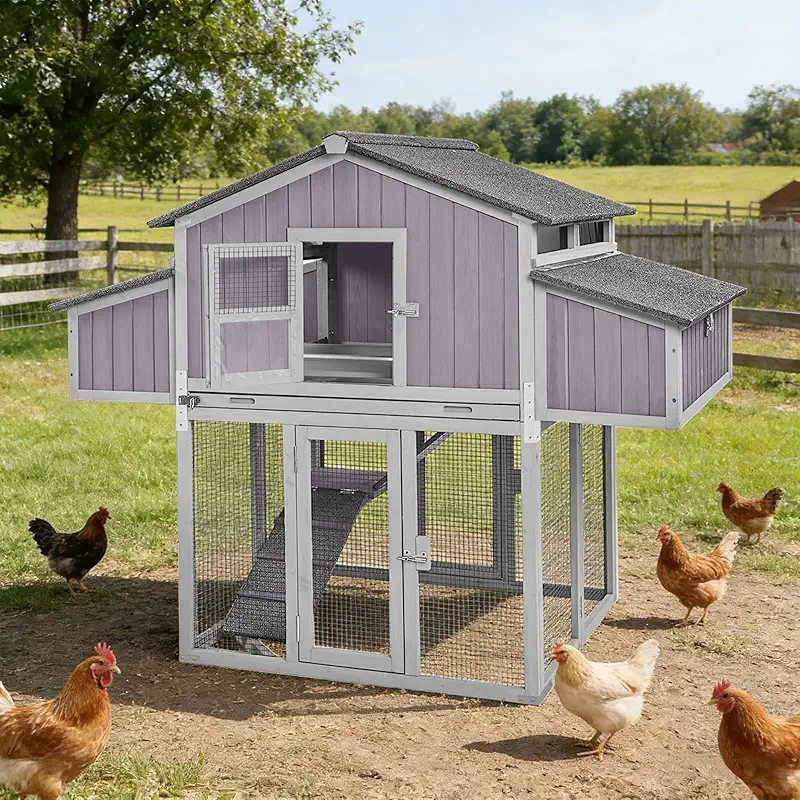
Quick upgrades that pay off
A few simple add-ons can turn an ordinary cheap coop into a dependable hen house:
- A small awning over the door to keep rain from blowing in.
- Extra latch or carabiner on the main door for raccoon insurance.
- Concrete blocks or pavers under legs to stop rot and wobble.
- A wire apron around the run to stop diggers.
None of that costs much, but combined, it’s the difference between “that coop lasted a season” and “I got my money’s worth out of that little thing.”
Finding cheap chicken coops nearby without the runaround
Between feed runs, family, and everything else a day throws at you, nobody has time to chase every ad and every yard sale. That’s why I like having one place where I can scan through a bunch of coop styles, sizes, and prices in a few minutes.
When I look around online, I’m checking for the same things we’ve talked about here: sturdy frames, decent roofs, solid hardware, and honest sizing. Then I picture my birds in there. Can I see them roosting calmly at night and scratching around in the morning? If the answer is yes, I dig a little deeper.
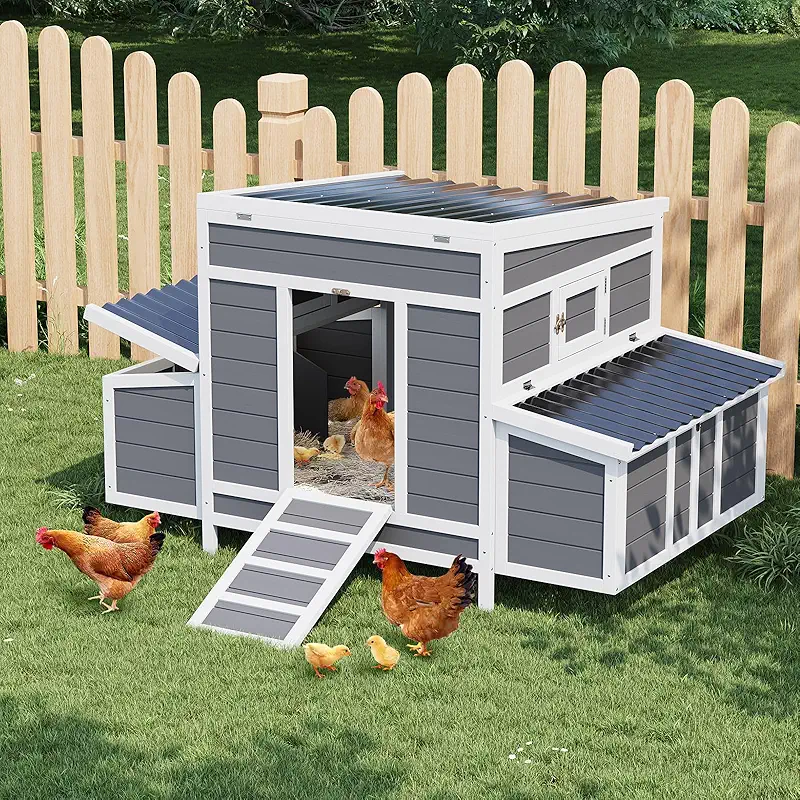
If you’re ready to look at different cheap chicken coops nearby without wandering all over town, you can browse a selection of ready-made coops, runs, and combos in one place. Take your time, think through the size and setup, and imagine your hens settling in for the night.
Let me see optionsFAQ about cheap chicken coops nearby
1. Are cheap chicken coops safe for my hens?
They can be, if you choose carefully and are willing to do a little reinforcing. Safety comes from strong wire, good latches, and a solid frame more than from a high price tag. Many budget coops get the basics right but need upgrades in wire and hardware. Think of a cheap coop as a starter that you fine-tune, not a finished product you never touch.
2. How long will a budget coop usually last?
I’ve seen cheap coops fall apart in a year, and I’ve seen others still going strong after five or more. The difference is usually weather, location, and whether anyone ever tightened a screw or touched up the paint. If you set it on solid blocks, keep it painted or sealed, and fix little problems before they grow, a budget coop can serve you for several good seasons.
3. Can I keep 6 hens in one of the smaller cheap coops nearby?
Maybe, but measure first. Many small coops advertised for 6 hens are really most comfortable for 3 or 4. Use that 3–4 square feet per hen rule inside the coop and 8–10 square feet per hen outside. If the numbers don’t add up, either plan for fewer birds or look for a slightly larger coop. Crowded hens get stressed, and stressed hens don’t lay well.
4. What’s the easiest cheap coop to maintain?
The easiest ones have big access doors, removable trays, and outside-opening nest boxes. I like designs where I can stand beside the coop and reach everything without crawling or stretching like a gymnast. When you’re browsing cheap chicken coops nearby, imagine cleaning it on a cold, muddy day. If it still seems doable, that’s a good sign.
5. Is it better to build my own or get a cheap ready-made coop?
It depends on your tools, time, and patience. I’ve built coops from scratch and hauled home flat-pack bargains. Building can save money if you’ve already got lumber and know your way around a saw, but it takes weekends and a good set of plans. A cheap ready-made coop gets your hens settled faster, and you can always add your own upgrades as you go. There’s no shame in either path; the birds only care that it’s safe and dry.
Ready to see more coops?
If you’ve read this far, you’re serious about giving your hens a good home without emptying your wallet. That already puts you ahead of most folks who just pick the cutest picture and hope for the best.
Take what we’ve talked about — size, safety, roof, ventilation, and easy cleaning — and keep it in the back of your mind while you look around. Whether your first flock is three spoiled hens in a small yard or a bigger bunch out back, the right cheap coop nearby can make chores smoother and mornings a little sweeter.
When you’re ready to look over different designs and sizes in one go, you can browse a range of chicken coops, runs, and combo setups right now. Picture where it’ll sit in your yard, think about how many hens you truly want, and choose something that feels like it could last a few good years with you.
Show me all coops