
buy chicken coop near me
If you’re hunting for a solid chicken coop close to home, let me share what’s worked on my own little U.S. farm. I’ve tested flimsy coops, sturdy ones, and a few that the hens hated more than I did.
Buy Chicken Coop Near Me
When folks ask me how to “buy chicken coop near me,” I always smile a little. I remember my first coop: crooked door, leaky roof, and a rooster who crowed straight into my bedroom window. I learned most of my lessons the hard way, so you don’t have to.
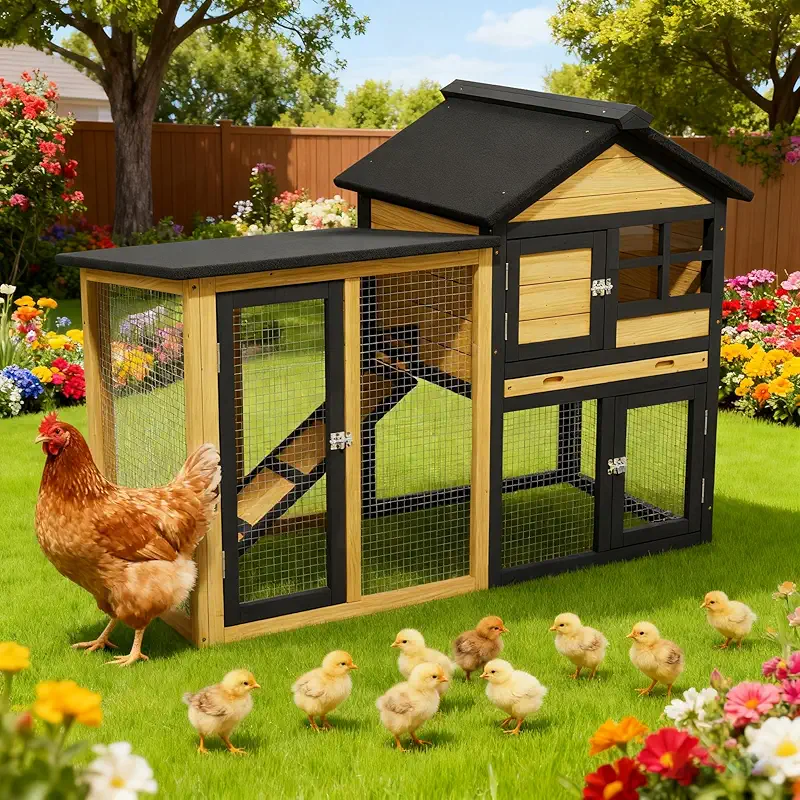
These days I keep my layers in well‑built coops that don’t wobble in the wind and don’t fall apart the first time a raccoon comes nosing around. When you’re searching for a coop near you, it’s not just about what’s closest. It’s about what keeps your hens safe, dry, and laying eggs without drama.
Think of your coop like a little barn apartment for your birds. They sleep there, lay there, gossip there, and complain about you there. If you get the coop wrong, they’ll tell you with broken eggs, dirty nests, and a lot of squawking.
When in doubt, go one size bigger than you think you need. I’ve never met a chicken keeper who said, “I regret having too much room.”
What To Look For Before You Buy A Chicken Coop Nearby
Whether you’re checking the local farm store or scrolling through options online, the same rules apply. Distance doesn’t matter as much as design. Here’s what I look for every single time I size up a new coop.
1. Solid frame and real weather protection
Out here, we get wind that likes to move things that were never meant to move. A good coop doesn’t twist when you shove the side, doesn’t rattle like an old truck, and doesn’t have gaps big enough for cold air or sneaky paws.
- Wood feels sturdy, not spongy or crumbly.
- No daylight showing through joints and corners.
- Roof overhangs a bit to push rain away from walls.
- Hardware and hinges are metal, not weak plastic.
I once tried a cheap, pretty coop because it “looked cute in the picture.” Two storms later I was out there in my pajamas, in the dark, holding the roof down. Learned my lesson. Pretty is fine, but solid comes first.
2. Enough room for each hen
Chickens are like people at Thanksgiving: they like being together, but if you cram them too tight, somebody’s getting pecked.
Inside the coop, I like about 4 square feet per bird. Outside in the run, I aim for at least 8–10 square feet per bird if they’re not free‑ranging much. More room means calmer hens, cleaner feathers, and fewer squabbles.
If you’re saying, “I might add a few more hens later,” just plan for them now. Chickens have a way of inviting friends.
3. Smart layout for easy chores
When you buy chicken coop near me or anywhere else, think about future you. Future you is tired, it’s raining, you’re in rubber boots, and you still have to feed, water, and collect eggs.
- Egg boxes reachable from the outside, so you don’t crawl inside.
- Doors big enough to get a shovel or rake in for cleaning.
- Feeders and waterers can hang or sit without being kicked over.
- Roof or side panels that open wide for deep cleanings.
The easier your coop is to clean, the longer you’ll stick with chickens and the healthier your flock will stay. A few extra hinges and latches go a long way.
Predator‑Proofing Your Coop (Because Everything Loves Chicken)
I always say, “If you think your coop is secure, ask a raccoon.” Those little bandits have more patience than a saint and more curiosity than a toddler. When you’re comparing coops, pay close attention to the details that keep trouble out.
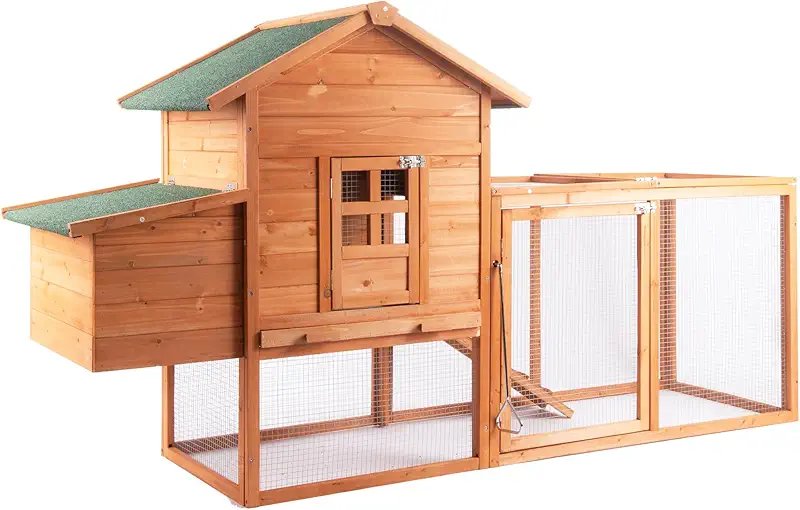
Wire matters more than folks think
If the run is covered in that thin “chicken wire” with big holes, that’s only good for keeping chickens in, not for keeping predators out. Around here, everyone from raccoons to neighbor dogs is interested in chicken nuggets on legs.
- Look for hardware cloth with small openings, about 1/2 inch.
- Wire should be stapled or screwed down tight, not just loosely tacked.
- No gaps at the bottom edge where a dog can dig and nose through.
Secure latches and doors
A simple hook latch is like an open invitation to a raccoon. I prefer latches that need two motions to open. If a sleepy farmer has to think for a second, a raccoon usually gives up.
Walk the coop at dusk. Check doors, nest box lids, and any small openings. A 30‑second walkaround can save your whole flock.
Ventilation, Light, And Comfort Inside The Coop
A coop that’s airtight smells like a wet barn in August. You don’t want that. Your birds don’t want that. Good airflow keeps the air fresh, dries out droppings, and keeps respiratory problems down.
Ventilation done the right way
I look for vents high up on the walls, under the roof overhang, or near the top. That lets warm, moist air escape without blasting the birds with cold drafts at night.
- Openings covered with hardware cloth, never left bare.
- Air can move, but the hens aren’t sitting in a breeze.
- Roof gaps are covered, not leaking when it rains.
Roosts and nest boxes
Chickens like to sleep a little off the ground. They feel safer up on a perch, away from any creepy‑crawlies below.
I like rounded or slightly rounded roost bars about as wide as two or three of my fingers. Too skinny and their feet cramp, too wide and they can’t grip.
As for nest boxes, one box for every three or four hens works fine. They’ll all argue over the same favorite spot anyway. I line mine with clean shavings or straw, and I keep the boxes darker and lower than the roosts.
Raised Coop Or Ground‑Level? My Experience
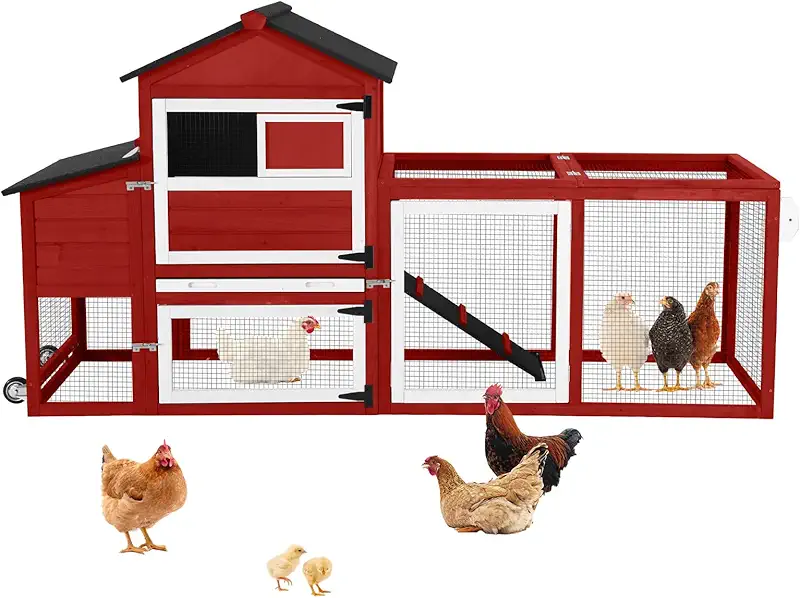
When you’re ready to buy chicken coop near me, you’ll see both styles: some sit right on the ground, others are raised up on legs, with the run under the coop. I’ve used both, and they each have their place.
Raised coops
I like raised coops for a few reasons:
- Chickens get shade under the coop on hot days.
- Dry spot for feed and water when it’s raining.
- Harder for some predators to reach the floorboards.
- Coop floor stays off wet ground and lasts longer.
The only catch is making sure the access ramp has good traction, especially in winter. I screw in thin strips of wood across the ramp so the birds don’t slide.
Ground‑level coops
Ground‑level coops are easier to walk into if they’re tall enough. They can feel more like a tiny barn. If you go this route, pay extra attention to the bottom edges—rodents and diggers love soft spots.
For small backyard flocks, I almost always lean toward a raised coop with an attached run. It keeps things tidy and gives the birds more usable space in the same footprint.
Local Weather, Local Predators, Local Coop
When someone says “buy chicken coop near me,” I always ask, “Alright, what does ‘near you’ mean?” Because a coop that works in dry Arizona won’t handle a Michigan blizzard the same way.
Out here, we live with hot summers, real winters, and every kind of critter that thinks chicken is on the menu. So I look for a coop that fits my climate first, my style second.
If you’re in a cold climate
In real winters, I focus on:
- Less open wire on the windy sides, more solid walls.
- Good ventilation high up, not down where they roost.
- Room inside so birds can stay in for days during storms.
- A roof that can handle snow without sagging.
You don’t need a heated coop most of the time; you just need one that’s dry, draft‑free at hen level, and bedded thick with straw or shavings.
If you’re in a hot climate
Heat is harder on chickens than cold. If you’re in the South or somewhere where summer feels like walking through soup, you’ll want:
- Plenty of shade, especially in the afternoon.
- Big windows or open sides covered in hardware cloth.
- Light‑colored roof so it doesn’t cook the coop.
- Roomy run so birds can spread out and catch breeze.
I’ve frozen my fingers in winter and sweated through my shirt in summer, and the hens complained more in the heat. They pant, spread their wings a bit, and look at me like I control the sun.
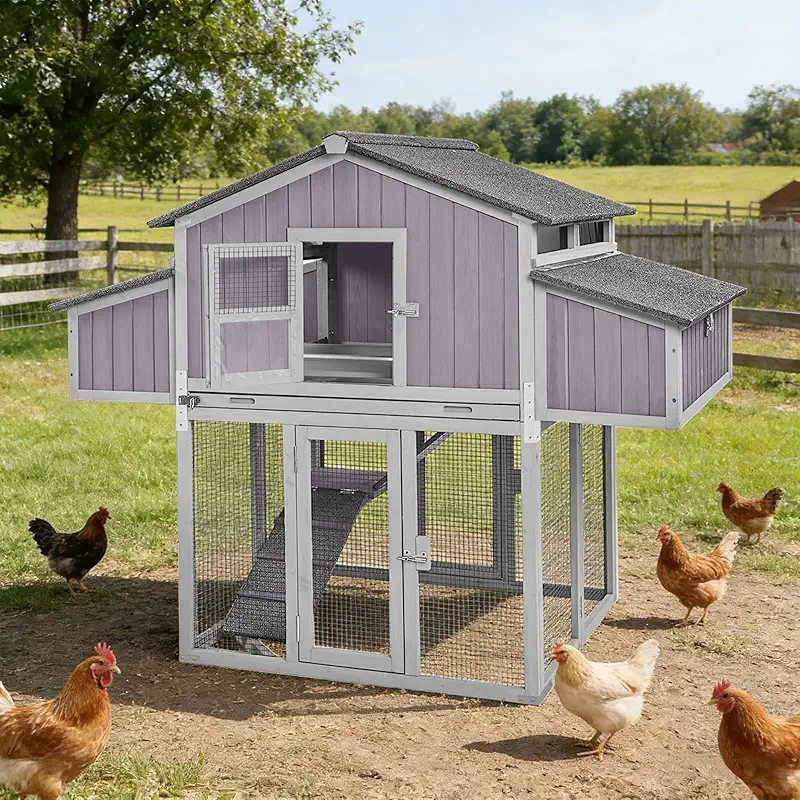
Why I Don’t Skimp On The First Coop Anymore
I tried “cheap and cheerful” once. The boards warped, the roof leaked, and the door sagged so bad I had to lift it with my knee just to latch it. The birds were fine, but I spent more time fixing the coop than enjoying the hens.
Now, when I help someone who wants to buy chicken coop near me, I tell them this: your first good coop will outlast the birds you start with. Get one that’s built to live outside, not just look nice for a photo.
A decent coop pays you back in:
- Less feed wasted to rain and rodents.
- Fewer predator scares and lost birds.
- Cleaner eggs, fewer cracked shells.
- Less time swearing at stuck latches in the dark.
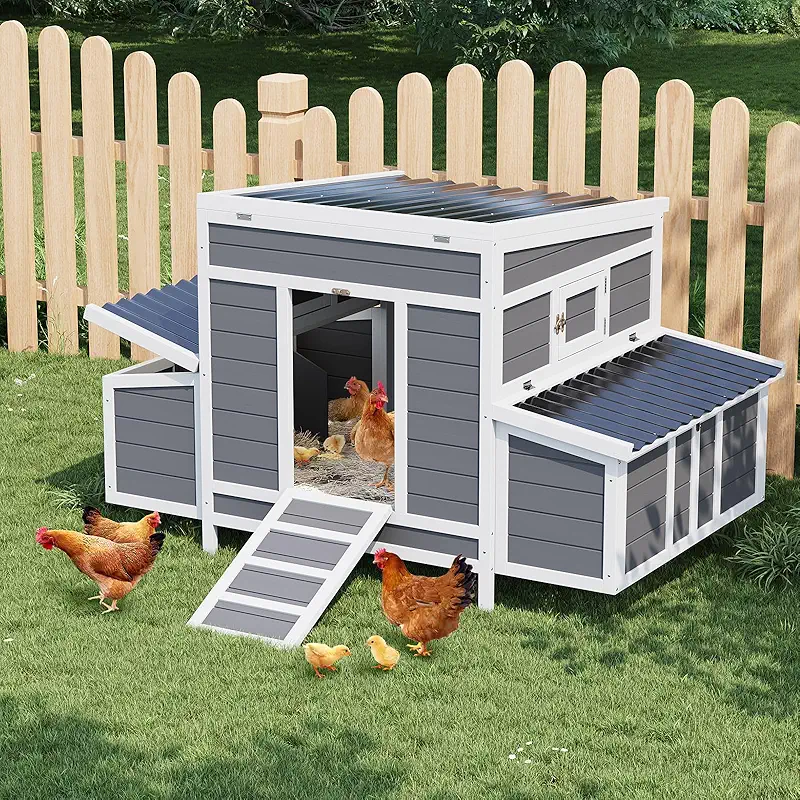
My neighbors laugh when I say my hens are co‑workers, but it’s not far from the truth. They turn kitchen scraps into breakfast, pick bugs out of the garden, and make the place feel alive. The least I can do is give them a coop that doesn’t fall over in the first good breeze.
Frequently Asked Questions About Buying A Chicken Coop Near You
How big should my coop be for backyard hens?
I like around 4 square feet per bird inside the coop and 8–10 square feet per bird in the run. So for 4 hens, think roughly 16 square feet inside (like 4x4 feet) and at least 32–40 square feet outside. More room means calmer birds and fewer pecking problems.
Is it better to build my own coop or get a ready‑made one?
If you’re handy with tools and have spare weekends, building can be great, and you can overbuild it to last forever. But a lot of folks underestimate time and lumber costs. A ready‑made coop gets your hens settled fast, and you can still reinforce it or add touches like extra latches and more ventilation once it’s set up.
What’s the most important thing when I buy chicken coop near me?
For me, it’s predator safety, every time. A pretty coop that a raccoon can open is just fancy packaging for a headache. Strong wire, tight gaps, solid doors, and good latches come before paint color or trim.
Do I need electricity or heat in my coop?
Most of the time, no. Chickens handle cold better than we do as long as it’s dry inside and not drafty. I’ll sometimes run a safe outdoor extension for a heated waterer in deep winter, just so their water doesn’t freeze solid. Heat lamps make me nervous; too many barn fires start that way.
How often should I clean the coop?
I do quick touch‑ups every few days—scoop droppings under the roosts, stir the bedding, and freshen the nests. Then a deeper clean every month or so, depending on how many birds I’ve got in there. A well‑designed coop with easy access makes this a whole lot less of a chore.
If you’re ready to give your hens a place that keeps them safe, dry, and busy laying, take a quiet minute and look over the different coop styles. Picture your own birds living there—that’s how I choose every time.
Show me all coops