
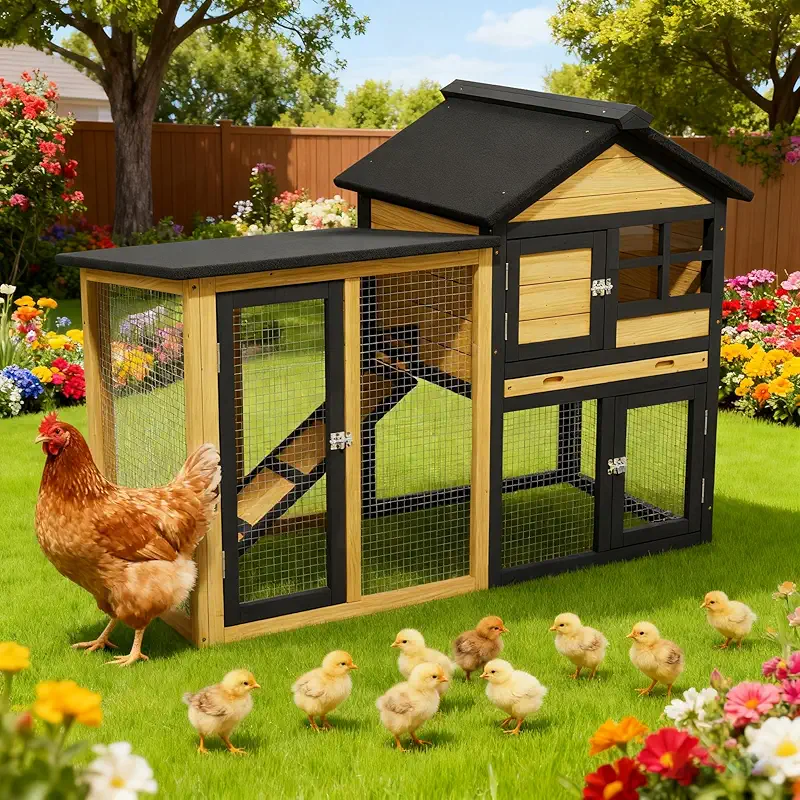
Why prefab chicken coops near me can be a smart move
When I started with hens, I swore I’d build my own coop. How hard could it be? A few boards, some wire, couple screws. Two months later I had a leaning shack, a sore back, and a bill from the lumber yard that made me whistle low. The hens didn’t complain, but the raccoons sure sent their thanks.
These days, when folks ask me about prefab chicken coops near me, I tell them the same thing I tell my nephews: there’s no shame in letting someone else cut the boards and figure out the math. A good prefab coop, set up right, can keep your girls safe, dry, and laying steady without you living in the hardware aisle.
The trick is knowing what matters beyond the pretty pictures. Around here, we get real weather – wind that makes the trees bend and rain that turns the run into a boot-sucking mess. So when I talk prefab coops, I’m thinking about things that hold up to real life: predators, mud, drafts, and chores at 6 a.m.
How many hens, and how much space, really?
Most product descriptions talk like chickens are tiny feathered goldfish. On the farm, they’re more like small feathery toddlers who spill their food, knock things over, and complain if they’re crowded.
For laying hens, I aim for about:
- 4 square feet of indoor coop space per hen (minimum I’m comfortable with)
- 8–10 square feet of run space per hen if they’re not free-ranging daily
- 1 nesting box for every 3–4 hens (don’t worry, they’ll all fight over the same box anyway)
- At least 8–10 inches of roosting bar per bird so they can sleep off the cold ground
When you look at prefab chicken coops near you, ignore the “holds 6–8 chickens” line and do your own math. If they say 6–8, I count it as a good home for 3–4 happy hens. That’s how you keep birds laying strong and not picking on each other.
My honest size rule of thumb
I tell folks this: buy a coop for the number of hens you think you’ll have next year, not the number you’re starting with now. Chickens are like potato chips. You think, “I’ll just have three,” and next spring you’re browsing more breeds.
So if you’re starting with 4 hens, look at coops realistically suited for 6. Give yourself and your girls a little breathing room.
What I check first on any prefab coop
Walking through listings for prefab chicken coops near me, I don’t start with colors or “cute farmhouse style” – I start with three boring things: structure, safety, and sanity. If a coop fails any of those, I move right along.
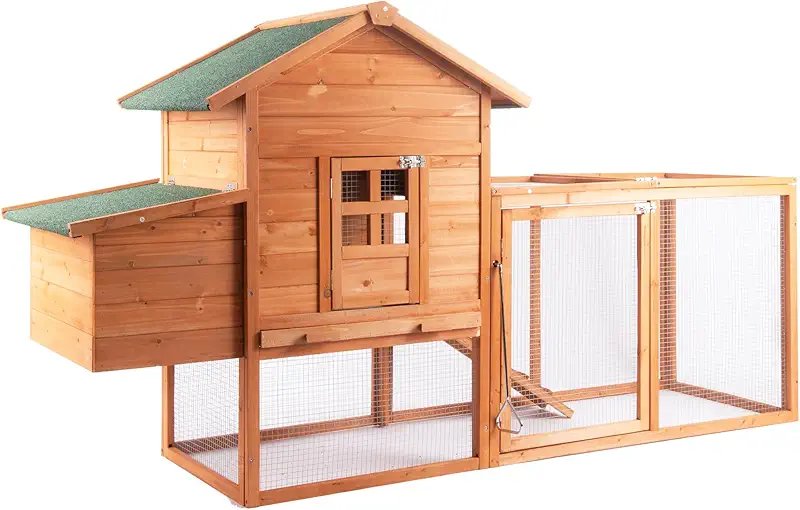
1. Structure: how solid is it really?
- Frame material: I like solid wood framing, not flimsy little sticks that twist in the wind.
- Floor strength: A saggy floor today is a broken floor next winter.
- Roof pitch: In snowy areas, a decent slope sheds snow better than a flat hat.
I’ve seen more than one cheap coop fold up like wet cardboard after a good storm. Pay attention to photos of joints, corners, and how the panels connect. Even prefab, you want something that looks like a tiny barn, not a doll house.
2. Safety: predators think in teeth, not reviews
Where I live, raccoons, foxes, dogs, hawks, and the occasional weasel all dream about my hens. They’re like a late-night buffet on legs.
- Wire type: I look for real hardware cloth or sturdy welded wire, not thin “chicken wire” by itself.
- Locks: Raccoons can open simple latches. I add carabiners or better locks to every door.
- Burrowing protection: I run wire apron or buried fence at least 8–12 inches down or out from the run.
Side note: if the run floor is just bare earth and you don’t add some form of buried barrier, local critters will figure it out faster than you’d like.
3. Sanity: is this chore-friendly at 10°F before coffee?
A coop can look great on a sunny day, but your real test is a dark January morning when you’re half-awake in barn boots.
- Can you open the main door without stooping through a tiny hole?
- Are the nesting boxes easy to reach without climbing into the coop?
- Is there enough headroom to rake out bedding without cussing?
- Are vents and windows reachable to open and close as seasons change?
Think of your future self with cold fingers. Future you will be grateful you chose practical over “cute.” There’s a reason old farm coops look plain: they were built for work first.
Ventilation, drafts, and keeping birds healthy
Chickens handle cold better than damp. That’s something a lot of new folks miss when searching for prefab chicken coops near me. They cram hens in tight to keep them “warm,” then fight frostbite and respiratory issues all winter.
What you want is good ventilation without direct drafts on the birds while they sleep.
- High vents: Openings up near the roof let warm, moist air out without blowing on the birds.
- Protected windows: Windows with hardware cloth and a cover or flap give you seasonal control.
- Dry bedding: I use pine shavings and stir them often; a damp coop smells sharp and isn’t good for lungs.
One winter, before I knew better, I sealed a coop up too tight “to keep them cozy.” All I really kept was the moisture from their breath and manure. Woke up to frost on the inside walls and a hen with a pale, nipped comb. Learned my lesson right there.
Easy things I add to most prefab coops
Most prefab chicken coops near me are a starting point, not the final word. I usually add:
- Extra vents up high, covered in hardware cloth
- A wider roost bar, so their feet sit flat in winter
- Hooks for hanging waterers and feeders off the ground
- Some simple windbreaks or tarps on the run for winter
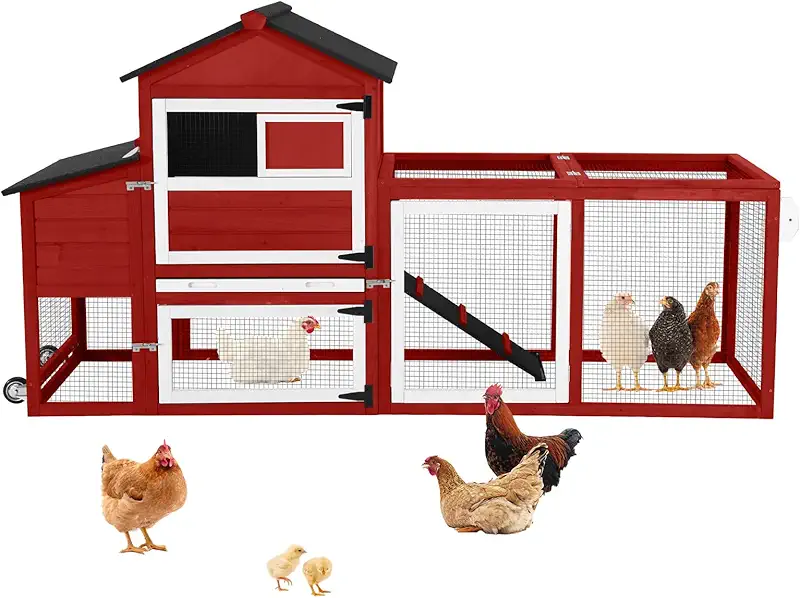
Don’t be shy about tweaking a prefab coop. Think of it like a good pair of work boots: they’re ready to wear, but they fit better once you break them in and make a few adjustments.
Nesting boxes, roosts, and where the eggs end up
Hens are funny creatures. You can give them four perfect nesting boxes, and they’ll all line up to use the same one like it’s the only restroom at the county fair.
Still, a good prefab chicken coop should give you:
- Low, cozy nesting boxes with a lip to keep bedding in
- A roof over the nest area, dimmer than the rest of the coop
- Roosts higher than the nests so they don’t sleep where they lay
If your hens are sleeping in the nesting boxes, expect dirty eggs. I like roosts a bit higher, sturdy, and not too round – more like a 2×3 with the wide side up. Their feet stay warmer when they can cover their toes at night.
Floor and clean out
One thing I look for when browsing prefab chicken coops near me is how easy it is to clean:
- Big, wide doors to rake out old bedding
- Solid floors that won’t rot after one wet season
- Enough room to step inside without crawling
Remember, you’ll be doing this again and again. Once the new-coop smell wears off, it’s just you, the shovel, and a bunch of talkative hens “helping.”
FAQ – prefab chicken coops near me
Ready to see what fits your flock?
If you’ve read this far, you’re already ahead of where I was with my first batch of hens. You know what to check, what to ignore, and how to think like a chicken and a tired farmer doing morning chores.
Now it’s just a matter of matching all that to a coop that fits your birds, your yard, and your weather. Take your time, read the details, and trust your common sense. Hens don’t need perfect – they just need safe, dry, and steady.
Let me explore coops