
Cheap diy chicken coop with run
cheap diy chicken coop with run
I’ve been raising hens out here in the States for more years than I care to count, and I’ve learned one thing the hard way: you don’t need a fancy barn to get good eggs, you just need a smart, sturdy little coop that doesn’t drain your wallet.
- Keep your birds safe without spending big money.
- Use simple, sturdy materials you can find almost anywhere.
- Give your hens a run where they can scratch, dust-bathe, and gossip about you.
When folks ask me about a cheap DIY chicken coop with run, I smile, because that’s exactly how I started. My very first coop was nailed together from old pallets, a crooked door, and a whole lot of hope. It wasn’t pretty, but those hens laid like champs and taught me more than any fancy book ever did.
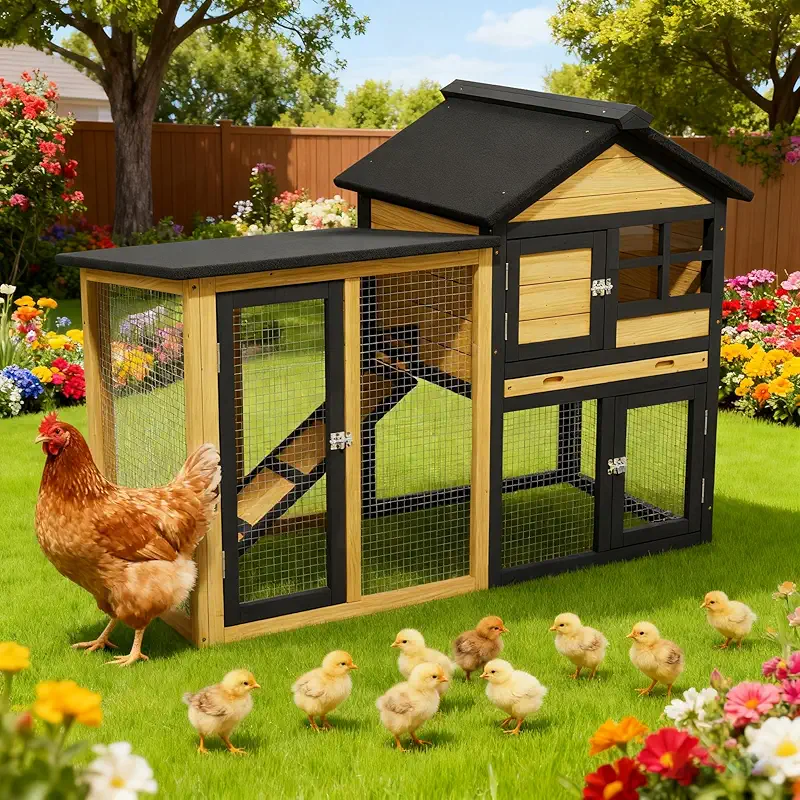
Over the years, I’ve built and rebuilt coops in every shape you can imagine. Some worked, some… well, let’s just say the raccoons said thank you. What I’m sharing here is the simple, common-sense way I’d build a cheap DIY chicken coop with run today if I was starting over with just a few hens and a tight budget.
I’ll walk you through how much space you really need, how to keep costs down without cutting corners on safety, and a few design tricks that make daily chores easier. If you can handle a screwdriver and a measuring tape, you can do this. And if your cuts aren’t perfectly straight, don’t worry – the chickens won’t be grading you.
How much space do your hens really need?
A lot of beginners get scared off by numbers. Truth is, chickens don’t come with a tape measure. But there are some good rules that keep everyone happy and healthy.
Simple space rules that work
- Inside the coop: Aim for about 3–4 square feet per hen.
- In the run: Aim for 8–10 square feet per hen.
- On the roost: Around 8–10 inches of perch per bird.
Let’s say you’re starting with 4 hens. That’s enough eggs for a small family and a neighbor you like. You’d want:
- 12–16 square feet inside (for example 3 × 4 ft, or 4 × 4 ft)
- 32–40 square feet in the run (for example 4 × 8 ft, or 5 × 8 ft)
I usually tell folks to build for a couple more hens than they think they want. Chickens are like potato chips, you never really stop at one. So if you think you want 4, build for 6. Future you will be thankful.
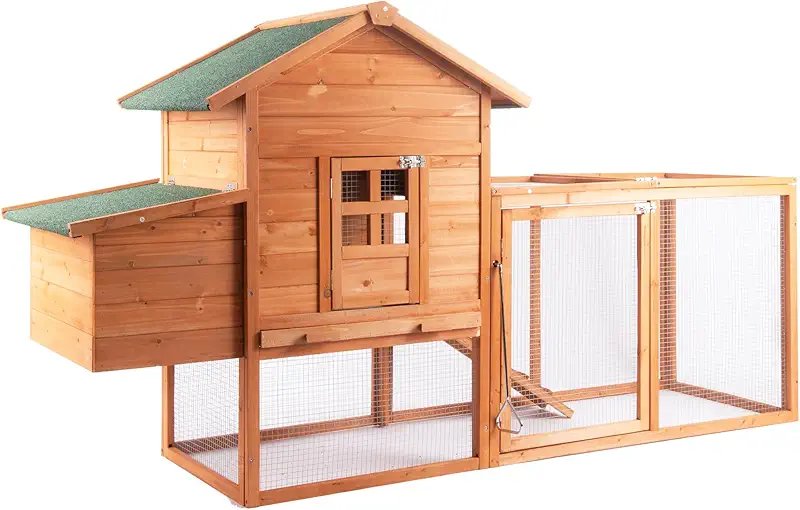
Cheap materials that still last
You don’t need fancy lumber or barn wood you see on the internet. My best coops were built from whatever was honest and solid. The trick is knowing where to spend a few dollars and where you can save.
Where to save money
- Framing lumber: Basic 2×3 or 2×4 studs do just fine.
- Wall panels: Simple exterior plywood, OSB with paint, or reclaimed boards.
- Roofing: Corrugated metal, leftover shingles, or even plastic roofing panels.
- Nesting boxes: Kitty litter buckets, milk crates, or old wooden boxes.
Where NOT to go cheap
- Wire for the run: Use hardware cloth, not chicken wire.
- Fasteners: Exterior screws and proper hinges for doors.
- Roof: Make sure it doesn’t leak. Chickens hate drips more than I hate Monday mornings.
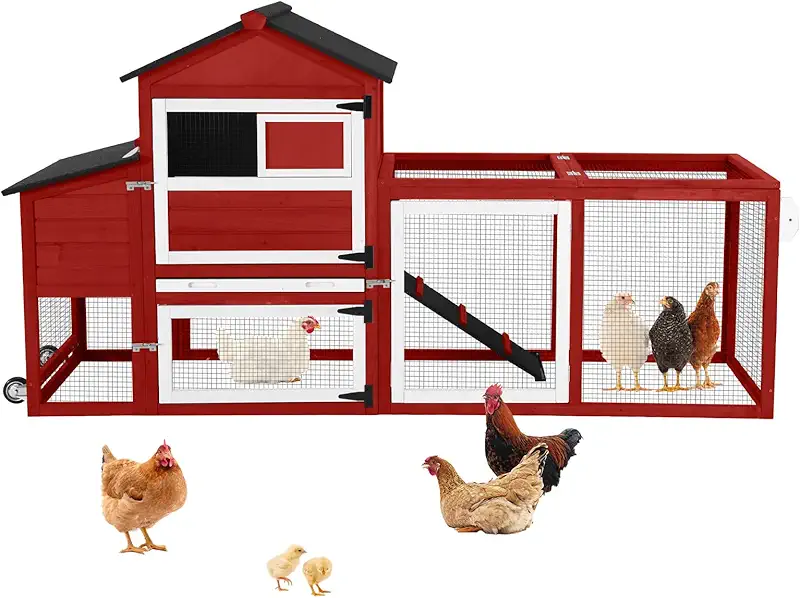
A simple layout that makes chores easy
When I built my first coop, I made one mistake: I forgot I was the one who had to clean it. The door was low, the nest boxes were awkward, and I banged my head on that roof more times than I’ll admit. Your coop should make your life easier, not turn egg collection into an Olympic event.
My favorite simple layout
For a small backyard flock, here’s a layout that works well and doesn’t cost much:
- Coop raised off the ground by about 18–24 inches. Keeps the floor dry and gives shade under it.
- People door big enough for you to step in and clean without crawling.
- Chicken pop door about 10–12 inches square, opening into the run.
- Nest boxes along one side with outside access lid if you can swing it.
- Roosts higher than the nest boxes so hens sleep on the perch, not in the eggs.
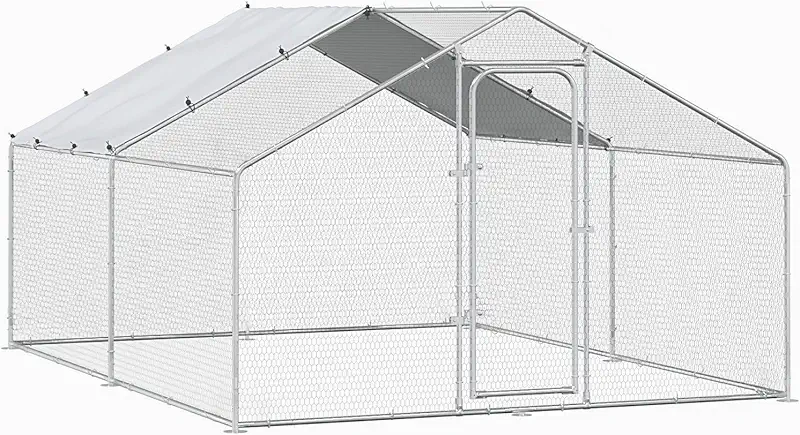
Picture a little shed on legs, with a fenced run attached to one side. The birds walk out in the morning, scratch around all day, and march back in at night like tiny feathery commuters. Simple, sturdy, and easy to work with.
Building a cheap DIY chicken run that actually holds up
The run is where your hens spend most of their day, scratching, dust bathing, and arguing over worms. A good run doesn’t have to be fancy, but it does need to be safe and dry.
Run size and shape
Rectangles are easiest. I like something around 4–6 feet wide and as long as you have room for. Wider runs give them more space to move and make it easier for you to step in with a rake.
Run structure basics
- Posts: Pressure-treated posts or sturdy metal stakes at the corners.
- Framing: 2×2 or 2×3 boards across the top and midway down the sides.
- Wire: 1/2" hardware cloth around the lower 2–3 feet, then heavier wire or more cloth above.
- Door: A human-sized gate you can walk through without turning sideways like a crab.
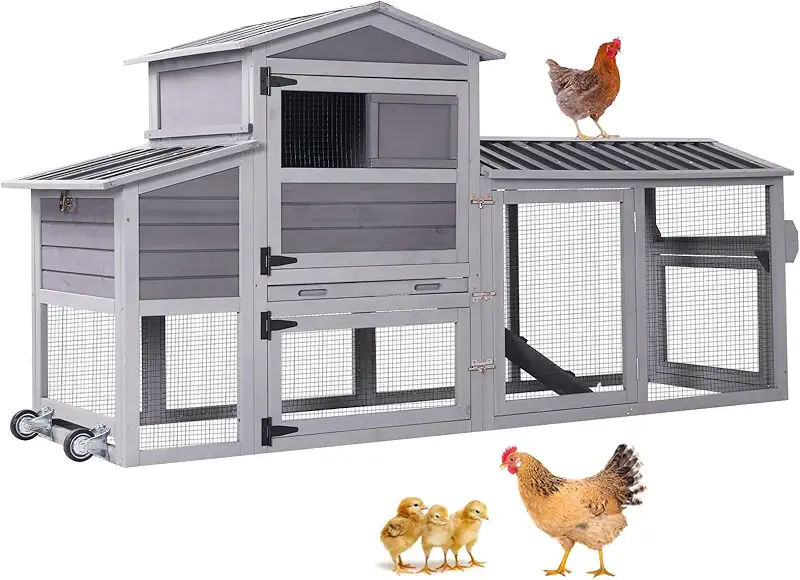
Predator-proofing on a budget
- Bury the wire: Dig a shallow trench (6–8 inches) and bury the bottom of the hardware cloth, or flare it out like an apron.
- Cover the top: Use netting, wire, or roofing panels to keep out hawks and climbing critters.
- Lock up at night: Use simple latches that raccoons can’t open. They’ve got little thief hands.
Ventilation, bedding, and keeping things dry
If I could climb on every soapbox in America, I’d shout this from each one: dry beats warm. Chickens handle cold better than damp. Your coop doesn’t need to be airtight; it needs to breathe without being drafty.
Ventilation made simple
- Add vents high on the walls, above roost level.
- Use hardware cloth over the vent openings, not solid covers.
- Give it at least one vent on two different walls so air can move.
Bedding choices for a cheap coop
I’ve tried about everything over the years. Here’s what I keep going back to:
- Pine shavings: Easy to find, smell good, and soak up moisture.
- Straw: Good in nest boxes; holds shape but can get moldy if it’s damp.
- Deep litter method: Let the bedding build up over time, turning it now and then. Feels like a forest floor and saves some work.
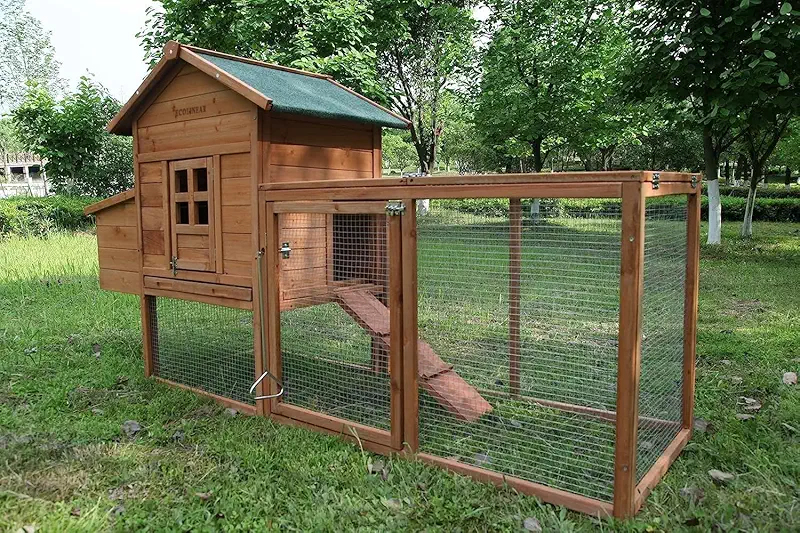
Day-to-day life with your hens
A cheap DIY chicken coop with run isn’t just about wood and wire. It’s about how you and your birds live together day to day. Little design choices can make chores feel like a quick visit with friends instead of another job on the list.
Make the “chicken chores” quick
- Place feeders and waterers where you can reach them without stepping in mud.
- Use a wide door so a wheelbarrow or scoop shovel fits through for cleaning.
- Put a hook or shelf by the coop for your metal bucket, extra feed scoop, and gloves.
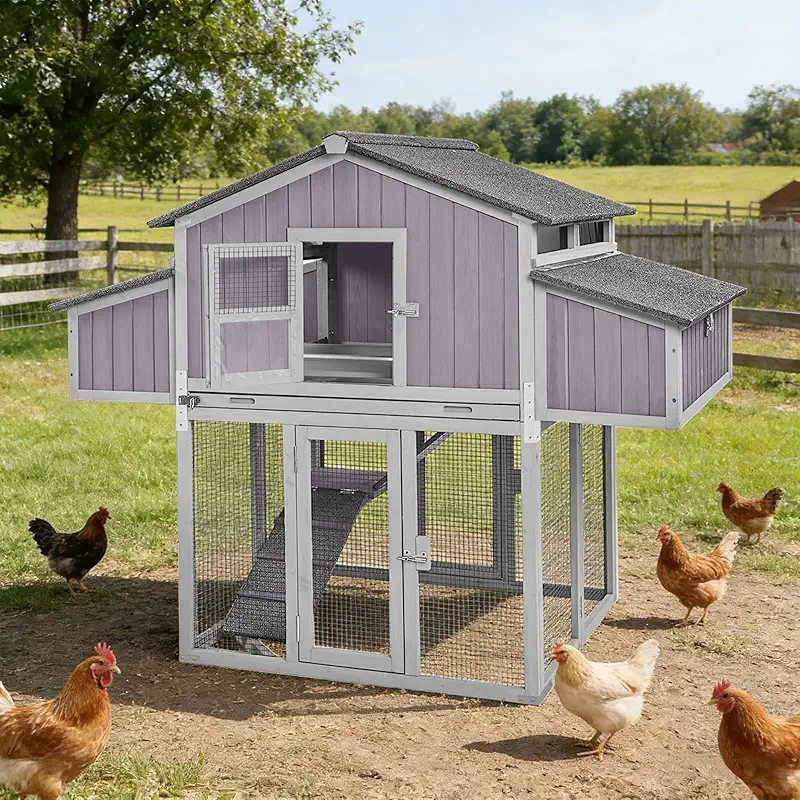
I like to tell new keepers: design for five minutes a day. That’s about what it takes to feed, water, and collect eggs once the coop and run are set up right. Keep everything simple and close at hand, and you’ll look forward to that little walk out to the birds.
Healthy hens, steady eggs
Happy hens lay better. That doesn’t mean pampering them like house pets; it means covering their basics:
- Fresh water every day (more often in hot weather).
- Quality layer feed with grit and oyster shell on the side.
- Shade in the run and a dry place to stand when it’s wet.
- A few perches or stumps to climb on – chickens like to feel tall too.
Using ready-made pieces in your DIY plan
I’m all for doing it yourself, but there’s no prize for struggling with every last detail. These days, I often mix DIY with a few ready-made parts. It still counts as homemade if you ask me; you’re the one putting it all together.
You can build a cheap DIY chicken coop with run by combining simple lumber with pre-made panels, small coops, or hardware that’s already designed for chickens. Sometimes I’ll start with a small coop and then build a better, bigger run around it. Other times, I frame the coop myself and use pre-cut panels or roofing to save time.
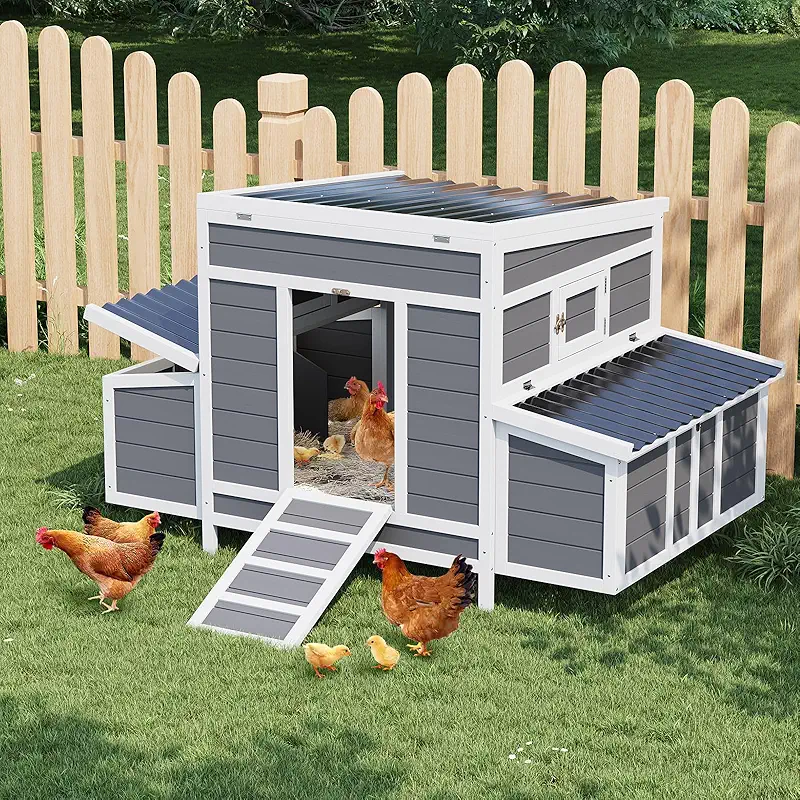
If you like the idea of mixing DIY with ready pieces, you can look through different coop and run options and just borrow the parts that fit your yard and your budget. Maybe you spot a clever way to attach a nest box, or a door that swings just right, or a roof style that sheds snow better than the one you were imagining.
FAQ about building a cheap DIY chicken coop with run
If you’d like to look over different coop and run ideas before you grab your hammer, you can browse through plenty of ready-made options and see what fits your hens and your backyard best.
Show me all coops