
Cheap chicken coops for 6 chickens
When folks ask me about cheap chicken coops for 6 chickens, most of the time they’re worried about two things: “Will my hens be safe?” and “Am I about to waste my money on junk?” I’ve been there. My first small flock was six Rhode Island Reds, a crooked little coop, and a budget that barely covered feed.
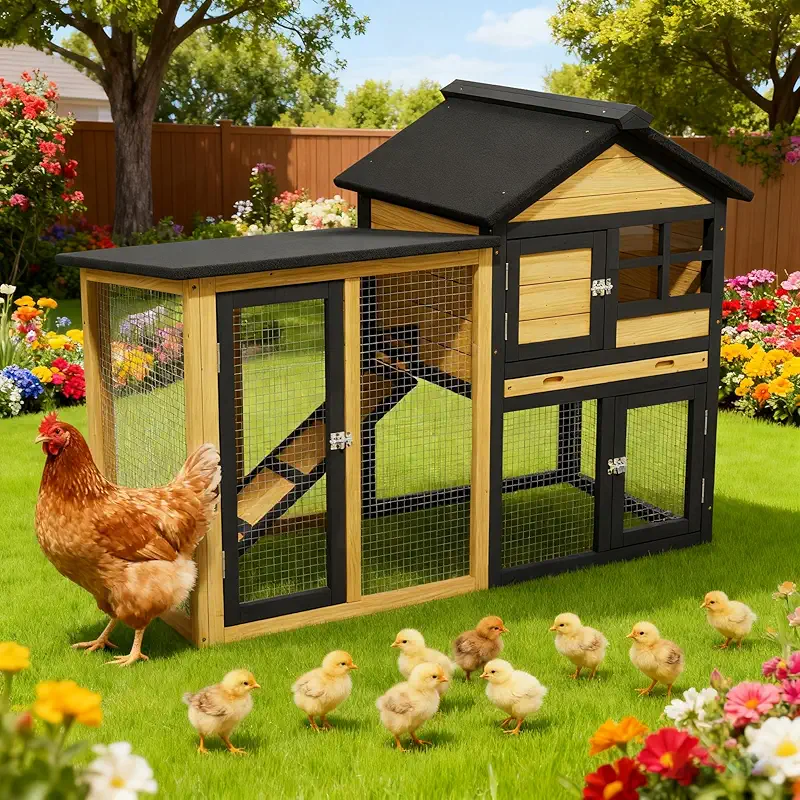
That first coop of mine looked cute in the yard, but the hens told me the truth: drafts, leaks, and too few roosts. I fixed it the hard way, in the dark, with a flashlight in my teeth and a hen on my shoulder complaining about my life choices. Since then I’ve learned what really counts, especially when you’re working with a small budget and a small flock.
How much space do 6 chickens really need?
A lot of fancy brochures love big numbers, but for cheap chicken coops for 6 chickens you need honest, workable space, not marketing fluff. Inside the coop, I aim for:
- About 4 square feet per hen inside the coop – so at least 24 square feet total.
- More is always better, but six hens can be happy in that if it’s laid out smart.
Outside, in the run, I like:
- 8–10 square feet per hen in the run – 48–60 square feet for six birds.
If your hens free-range most days, you can get by with a tighter run, but I never assume the weather or my schedule will cooperate. When the snow piles up or the rain settles in for a week, you’ll be glad they’ve got a roomy run.
What to look for in budget coops (and what to dodge)
Cheap chicken coops for 6 chickens come in all shapes: cute cottage styles, basic boxy ones, even metal contraptions that look like a lawnmower got married to a dog crate. Price tags can fool you, so here’s what I actually check when I size one up.
1. Wood, metal, or plastic?
I’ve tried all three over the years. Each has its quirks, especially when you’re trying to stay on budget.
- Thin softwood: Many cheap coops use light, soft pine. It’s fine if:
- It’s off the ground.
- You keep up with paint or stain.
- You don’t expect it to fight a hurricane.
- Metal: Easy to hose out, but it can be hot in summer and cold in winter if not shaded and ventilated.
- Plastic: The right plastic can be a blessing – less mite trouble, easy to clean – but some of the cheapest ones flex like a beach toy.
For most folks asking about cheap chicken coops for 6 chickens, a light wooden coop with a decent roof and strong hardware is the sweet spot.
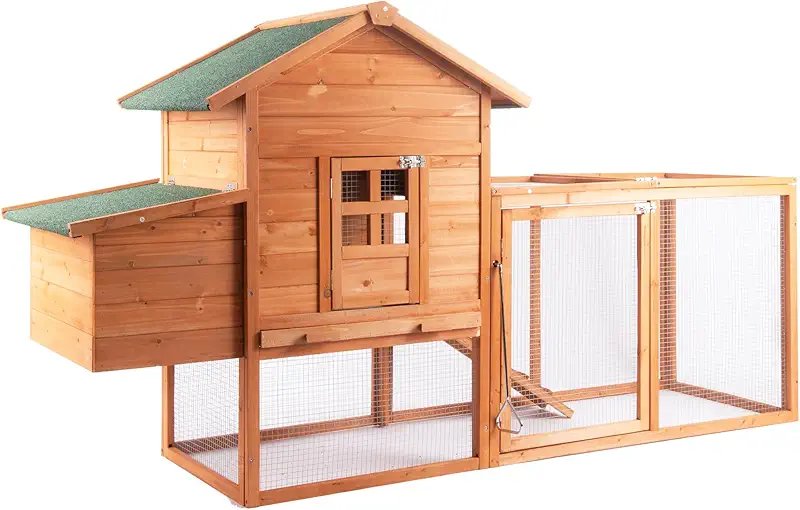
2. Roof and rain handling
Water is the silent coop killer. I’ve seen more cheap coops sag from slow leaks than from storms. When I’m checking a budget coop, I look for:
- Decent overhang – you want the roof to stick out past the walls a bit.
- Solid roofing – shingles, metal, or thick panels that don’t feel like a cereal box.
- Pitch – a little angle so rain runs off instead of sitting there thinking about trouble.
I once bought a “bargain” coop with a flat roof. First summer storm, the roof bowed and held a nice little pond. The hens were dry, but I wasn’t when I climbed up there in the rain with some scrap metal and a prayer.
3. Predator proofing on a budget
If it’s hungry and sneaky, I’ve probably had it nose around my coop: raccoons, foxes, possums, stray dogs, the neighbor’s kid with “egg curiosity.” Even in town, you’re not alone out there. For cheap chicken coops for 6 chickens, the predators don’t care what you paid.
- 1/2" hardware cloth on windows and vents, not chicken wire.
- Latches that need a human thumb to open, not just a raccoon paw.
- Run fencing buried or flared out at the bottom if you’ve got diggers.
- Doors that close snug without gaps at the corners.
Chicken wire keeps chickens in. It does not keep hungry things out. I learned that the hard way when a raccoon reached right through the wire at 2 AM. Since then, hardware cloth has been my no-compromise item, even on a tight budget.
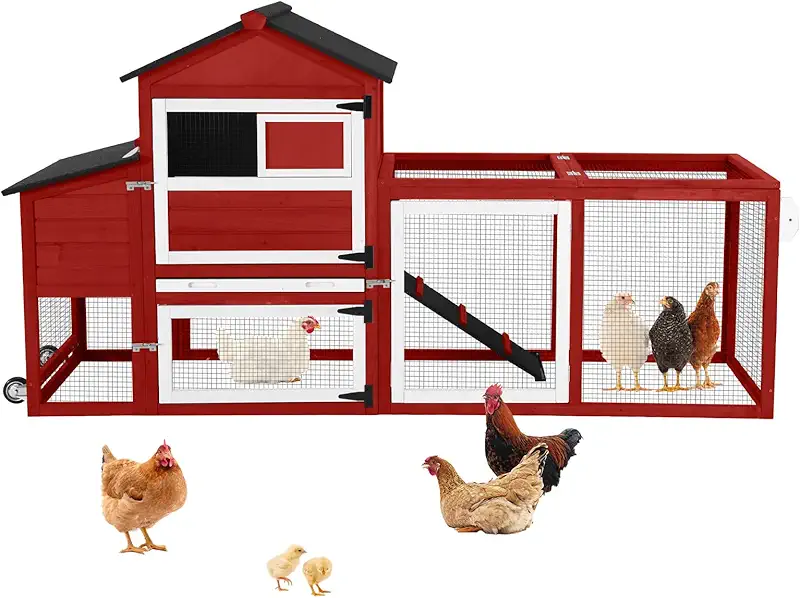
Ventilation: the “invisible” feature that keeps hens healthy
When folks talk cheap chicken coops for 6 chickens, they usually think of price, size, and color. Ventilation doesn’t sound exciting, but it’s the difference between a cozy coop and a stinky disease box.
Six hens breathe out a lot of moisture and ammonia, especially in winter when you close things up. I like to see:
- Openings up high on opposite sides for cross breeze.
- Vents covered with hardware cloth, not solid plastic.
- Airflow above the roosts, not right on them.
You want fresh air without drafts blowing on the birds while they sleep. If they’re ruffling their feathers up and turning their backs to the breeze, it’s too drafty. But if your eyes water when you open the door, it’s not airy enough.
Setting up roosts and nesting boxes for 6 hens
Chickens have opinions. When your coop for six hens is laid out wrong, they’ll tell you: sleeping in nest boxes, laying eggs in corners, pooping where nobody wants it. Laying out cheap chicken coops for 6 chickens smartly saves headaches.
Roost space
- Give each hen about 8–10 inches of roost bar.
- For six hens, aim for 5–6 feet of total roost space.
- Use a 2x2 or 2x4 board with the wide side up and edges rounded a bit.
Hens like to cuddle at night, but they still want room to settle. If roosts are too close to the ceiling, they’ll bump their heads jumping up. If you stack multiple roosts, keep the back ones higher than the front, or everybody will cram to the top like it’s the only seat at the movies.
Nesting boxes
For six hens, you don’t need many nests. They’ll all wait for the same box anyway – hens love a line.
- 2–3 nest boxes is plenty for six hens.
- Size around 12" x 12" x 12" works for most breeds.
- Place nests lower than the roosts, or your hens will sleep in them.
My first coop had eight nest boxes for six hens. They all used the same one. One old hen would stand in the doorway and fuss if anyone else tried to get in. So now I don’t waste space or money on extras.
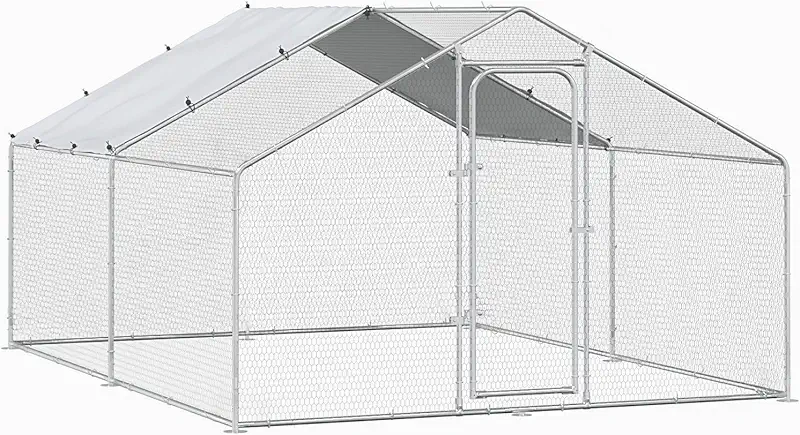
Where it’s safe to save money (and where it isn’t)
When folks say “cheap chicken coops for 6 chickens,” I hear, “I don’t want junk, but I’m not made of money.” There are places you can cut costs without hurting your hens, and a few spots where you really shouldn’t.
Good places to save a few dollars
- Paint color: Fancy colors don’t matter to hens. A basic outdoor paint or stain is fine.
- Interior trim and “cute” details: The chickens don’t care about flower boxes or heart-shaped windows.
- Floor material: A solid wood floor is great. You don’t need fancy vinyl unless you just like it.
- Run shape: As long as it’s secure and big enough, it doesn’t have to look like a catalog picture.
Places you shouldn’t cut corners
- Roof quality and waterproofing.
- Predator-proof wire (hardware cloth, not chicken wire).
- Decent latches and hinges on the doors.
- Ventilation openings that actually move air.
One neighbor of mine saved money by using bungee cords instead of real latches. The raccoons thanked him personally and sent him a bill in the form of missing chickens. Don’t be that neighbor.
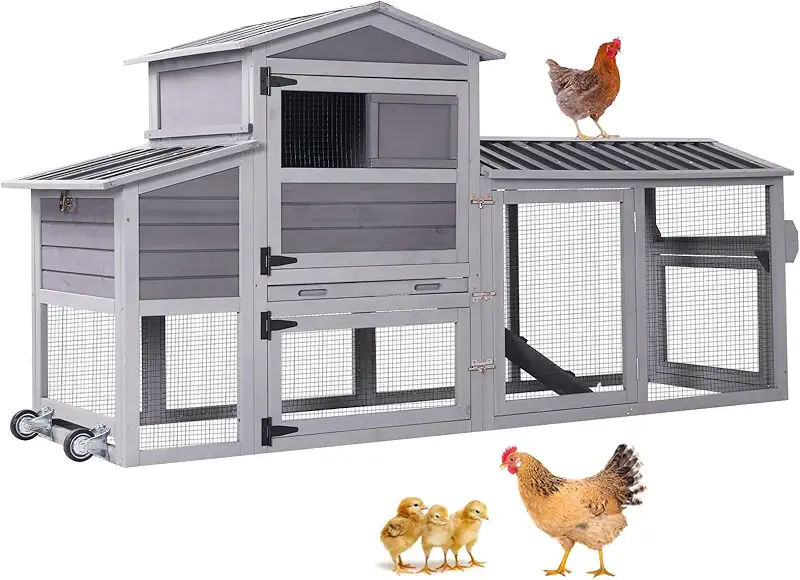
Daily life with a small flock of six hens
One of the reasons I like cheap chicken coops for 6 chickens is that small flocks are easy to live with. Big enough to keep eggs coming, small enough that you know each hen by name and by her particular “opinion cluck.”
With six hens in a budget-friendly coop, these little habits make life smoother:
- Deep bedding: Pine shavings or straw 3–4 inches deep help with smell and make cleaning easier.
- One quick check morning and night: Doors shut, water clean, no obvious damage.
- Feed and water under cover: Keeps rain and wild birds out of the buffet.
My morning routine is simple: coffee in one hand, feed scoop in the other. If it takes me more than five minutes to tend six hens, something’s wrong with the setup, not with me or the birds.
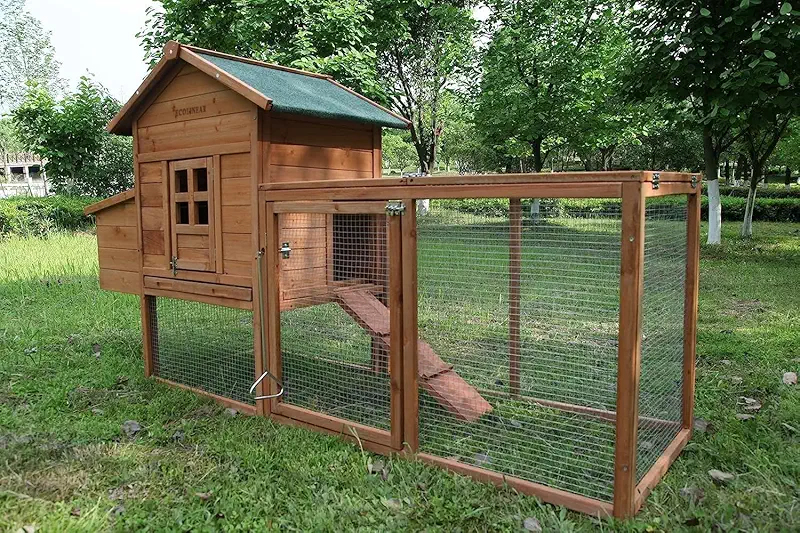
Seasonal care: keeping six hens comfy year-round
cheap chicken coops for 6 chickens can handle all four seasons just fine if you help them a little along the way. Here’s what I do on my own place.
Winter habits
- Block direct drafts at hen level, keep vents high open.
- Add extra dry bedding, stir it weekly.
- Use wide roosts so hens can cover their toes with feathers.
- Make sure water doesn’t freeze if your winters are harsh.
Summer habits
- Keep water cool and shaded.
- Provide shade over at least part of the run.
- Open all vents and any safe windows for airflow.
- Make sure the roof isn’t trapping heat like an oven.
Hens handle cold better than wet and drafty. They also handle heat better when the air can move. I’ve watched six hens stand in line in front of a vent on a hot day like it was a little chicken air conditioner.
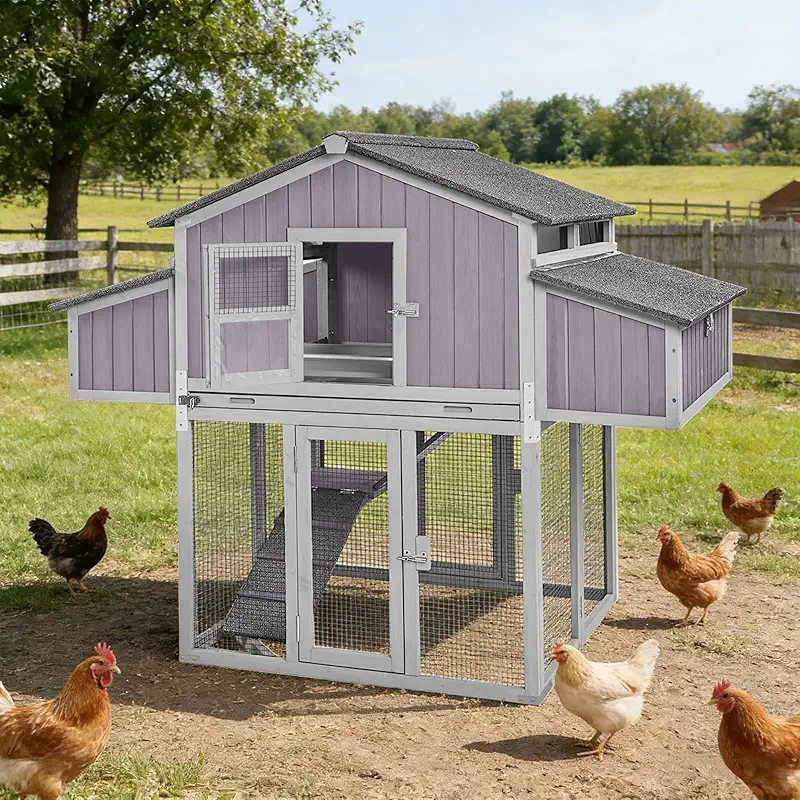
My personal checklist for cheap chicken coops for 6 chickens
When I’m helping friends pick out a coop for six hens, I use the same simple checklist every time. If a coop passes most of these, we’re usually in good shape.
- At least 24 square feet of coop floor space.
- Good-sized run, or regular free-range time.
- Solid roof with a bit of overhang and real waterproofing.
- Hardware cloth on vents and weak spots.
- 2–3 nest boxes for the six hens.
- Sturdy roosts with enough space for everyone.
- Decent access doors so a human can clean without acrobatics.
- Ventilation high up, not blowing on sleeping hens.
- Coop raised off the ground, or well-drained site.
You don’t need perfection; you just need “good and solid.” Chickens are tough little creatures. Give them dry bedding, steady air, modest room, and safety at night, and they’ll turn your scraps and bugs into breakfast.
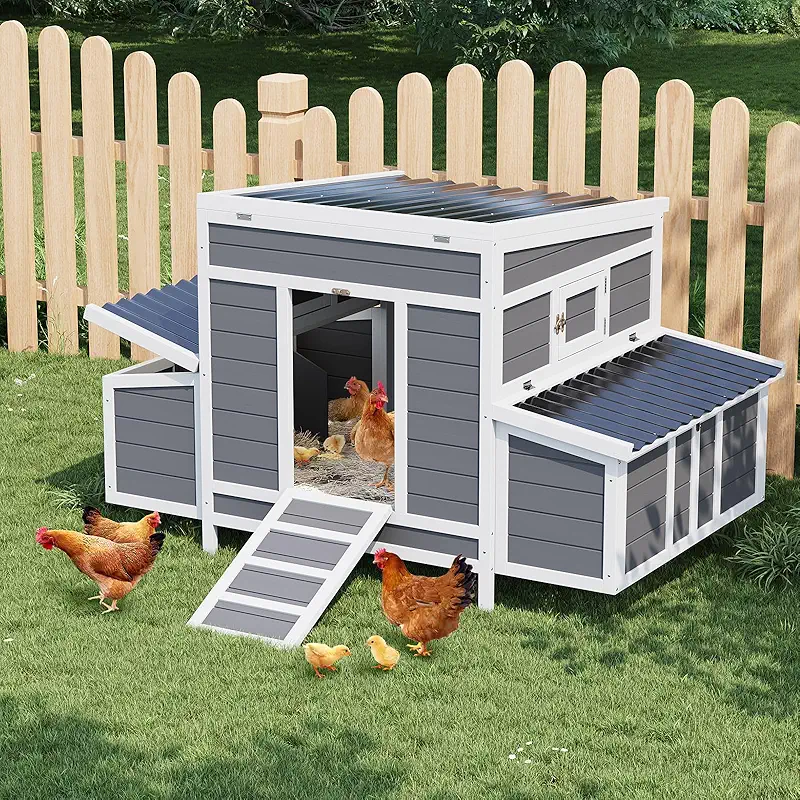
FAQ: cheap chicken coops for 6 chickens
1. Is a small “cute” coop really enough for 6 chickens?
It depends on the exact size, not on how cute it looks. Many picture-perfect coops are sized more for three or four bantams than six full-sized hens. For six standard birds, I want to see around 24 square feet inside, with enough headroom for air to move and roosts to sit a little higher. If all six hens look crammed when they’re on the roosts, the coop is too small, no matter how nice the paint job is.
2. Can I keep 6 chickens in a cheap coop through winter?
Yes, as long as it’s dry, draft-free at hen level, and well-ventilated up high. Most hens handle cold better than folks expect. What hurts them is damp air and drafts. If your budget coop has gaps, you can add weatherstripping or scrap wood to block direct wind, but don’t close up the vents up top. I’ve wintered six hens in a modest wooden coop just fine by adding extra bedding and checking for leaks before the cold really set in.
3. How many eggs can I expect from 6 hens?
It depends on the breed, age, and season, but a good ballpark is 3–5 eggs per day from six hens once they’re in their laying groove. Young, active layers in spring and early summer might give you close to an egg a day each. In winter or during molt, they’ll slow down. A comfortable, dry coop with low stress helps keep egg numbers steady, even when the days get shorter.
4. Are cheap chicken coops for 6 chickens hard to clean?
Some are, and that’s where a little planning saves you a sore back. I look for doors big enough for a rake or shovel, or removable trays under the roosts. Even a budget coop can be easy to clean if you can reach everything without climbing inside like a contortionist. With six hens, a quick clean once a week and a bigger tidy-up every month keeps smell and flies down to a minimum.
5. What’s the biggest mistake people make with cheap coops?
They trust the pictures and skip the details. They forget to ask: “How big is it inside, really?” and “What kind of wire and latches does it use?” The second biggest mistake is putting the coop in a low spot where water collects. A simple coop in a high, dry place with decent wire is miles better than a “luxury” coop sitting in a puddle with chicken wire and weak doors. Your six hens will tell you quickly which one they prefer.