
Simple Low Cost DIY Chicken Coop
simple low cost diy chicken coop ideas from a lifetime of early mornings, clucking hens, and muddy boots.
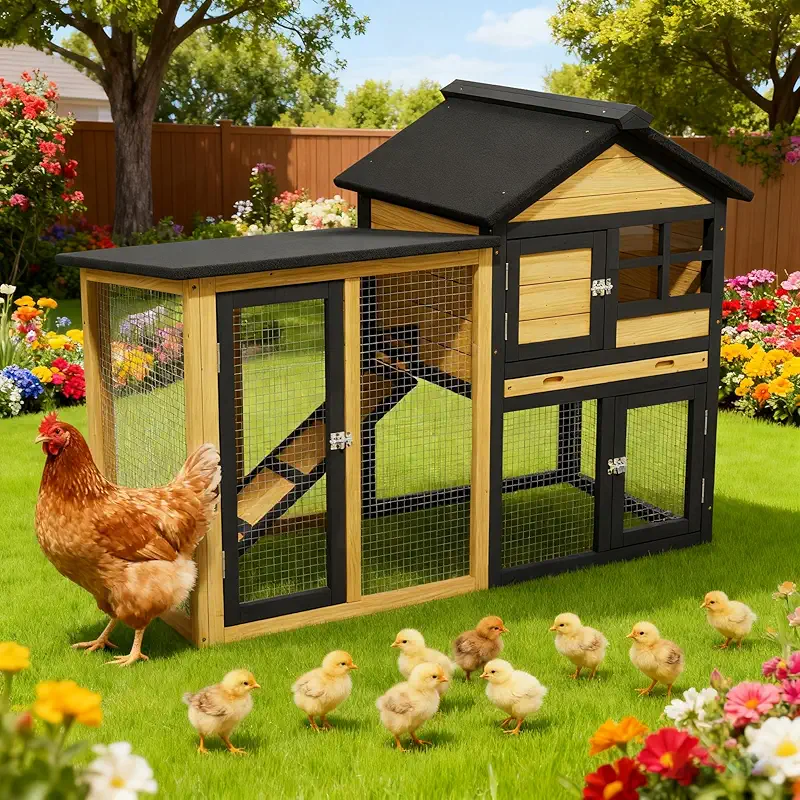
I’ve been raising laying hens in the States since before my beard turned gray, and I’ll tell you something right away: your chickens do not care how pretty the coop looks on the internet. They care if it’s dry, draft‑free, safe, and easy to live in. That’s it. A simple low cost DIY chicken coop, built with some common sense, will beat a fancy “show coop” every single time.
When money is tight and lumber prices dance around like a startled rooster, folks start thinking, “Maybe chickens are too expensive.” I don’t buy that. With a little planning and some honest sweat, you can set up a sturdy coop that keeps your hens happy and laying strong without draining your wallet.
I’ve used scrap lumber, repurposed pallets, old doors, leftover roofing, and one time even an old truck topper to house birds. Some of those coops were ugly as a mud fence, but the hens laid eggs just fine. In this guide I’ll walk you through how I think about a simple low cost DIY chicken coop, what really matters, and where you can cut corners safely—and where you absolutely should not.
What A Coop Really Needs (And What’s Just Decoration)
Farmer wisdomWhen people start planning a simple low cost DIY chicken coop, they usually overthink it. I’ve seen more sketchbooks, Pinterest boards, and fancy blueprints than I can count. Meanwhile, my best‑laying flock once lived in a converted garden shed that listed slightly to one side. Not pretty. Very effective.
- Dry floor: water is the enemy. Wet bedding means smell, sickness, and cranky chickens.
- Decent ventilation: you want fresh air without direct drafts on the birds.
- Predator‑tight: no gaps for raccoons, possums, rats, or neighborhood dogs.
- Enough space: roughly 3–4 square feet per hen inside the coop.
- Safe roosts: sturdy perches a bit higher than the nest boxes.
- Nest boxes: one box for every 3–4 hens is enough.
That’s the backbone of any good coop. Everything else—paint colors, cute shutters, fancy trim—that’s for us humans, not the birds. When your budget is small, you focus on the backbone first and pretty up things later if you feel like it.
Planning Your Simple Low Cost DIY Chicken Coop
Before you pick up a hammer, sit down with a scrap of paper and answer a few plain questions. I do this every time I build a new coop or add onto an old one.
1. How Many Hens Are You Really Keeping?
Most folks start with 4–6 hens. Then they see how fun fresh eggs are, and next thing you know that flock has doubled. Start honest with yourself. If you think you’ll “probably end up with around a dozen,” then plan the coop for a dozen.
For a small backyard flock, something in the 4×6 to 6×8 foot range usually does the job. Remember, the outdoor run matters too. Tight coops lead to pecking, bullying, and bald backs. Give them a bit of elbow room and they’ll get along better.
2. What Materials Do You Already Have?
A smart simple low cost DIY chicken coop often starts in your scrap pile. I walk around my place before I ever drive to the store. Old pallets, leftover 2×4s, a spare window, roofing off a torn‑down shed—these things cut your bill fast.
Just remember what not to reuse: rotten lumber, moldy plywood, anything soft enough to poke with your finger, or pressure‑treated wood where birds will peck and sleep. Treated posts for the legs and skids are fine; treated boards inside the coop, I avoid.
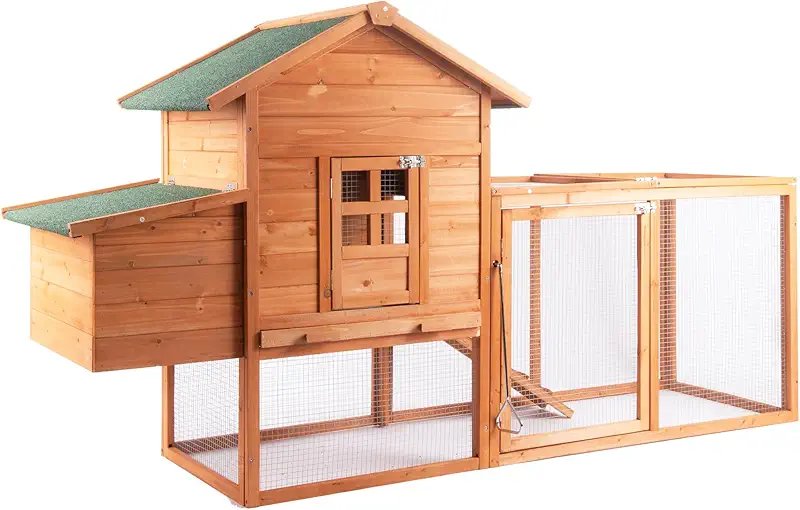
3. Where Is The Best Spot For The Coop?
Location is half the battle. I like a spot that’s slightly higher than the ground around it so rain runs off, not into the coop. A little morning sun is nice to dry the run, and some afternoon shade helps in the summer heat.
Don’t tuck the coop in a low, soggy corner just because it’s out of sight. You’ll regret it on the first wet spring when you’re wading through mud with a feed bucket in your hand. I learned that the hard way. Twice. Apparently I’m a slow learner.
Cheap But Smart: My Favorite Low Cost Coop Tricks
Over the years I’ve built more coops than I can remember, some for my own flocks and some to help neighbors get started. Here are the tricks I keep coming back to when I want simple and cheap without causing headaches later.
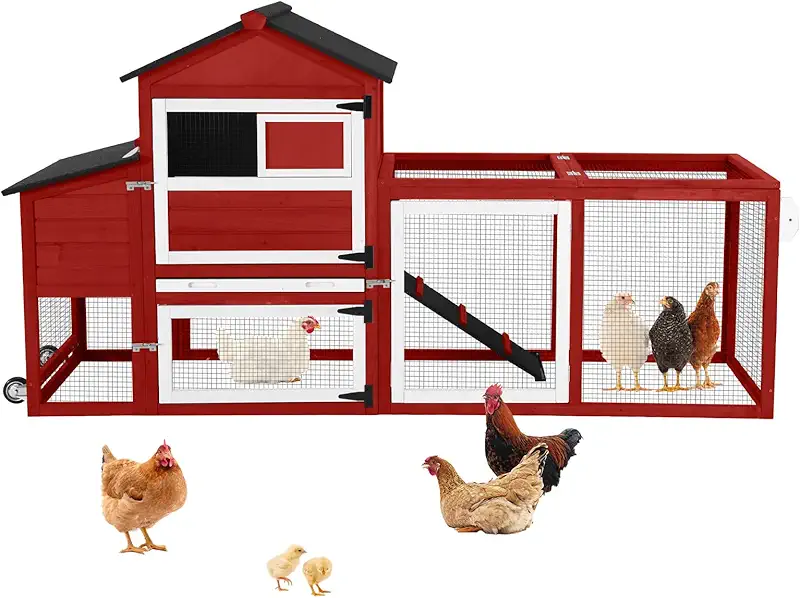
Use Pallets For Framing
Shipping pallets are one of the best friends a budget chicken keeper can have. I’ve stood them on end for walls, taken them apart for 2×4 boards, and even used the whole thing as a short foundation “skid” to keep the coop off the ground.
Pallets do need a bit of common sense, though:
- Pick solid, heavy ones without broken boards.
- Avoid anything with weird stains, oil, or chemical smells.
- Use them for framing and sheathing, not for roost bars where hens grip with bare feet.
Metal Roofing Saves Trouble
If you can swing it, a simple sheet‑metal roof is worth every penny. I’ve tried old shingles, plastic panels, and leftover tar paper. Nothing sheds water and snow like a basic metal roof pitched so water runs off the back.
Wire Where It Matters
Hardware cloth (the stiff wire with small square holes) costs more than chicken wire, but I don’t skimp on it for windows, vents, and lower portions of the run. Chicken wire is fine to keep chickens in; it is not fine to keep raccoons and dogs out. Where predators can reach, I use hardware cloth. Higher up or where they can’t get a good grip, I might use cheaper wire.
Inside The Coop: Simple Layout That Works
When I walk into a coop, I want to see three things right away: a clean path for me, a clear place for roosting, and nest boxes that are snug and easy to reach. That’s it. You can get mighty fancy beyond that, but you don’t need to.
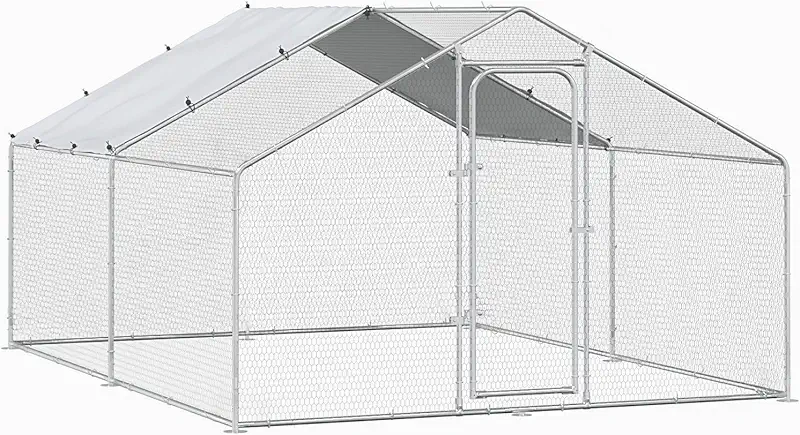
Roost Bars
Chickens sleep up off the ground. If you don’t give them a comfortable perch, they’ll pick one for you, and you probably won’t like their choice. I use 2×3 or 2×4 boards with the wide side up and edges slightly rounded. That keeps their feet flat and warm in winter.
- Place roosts higher than the nest boxes so they don’t sleep in the boxes.
- Allow roughly 8–10 inches of roost length per bird.
- Keep them all at the same height to avoid fighting over the “best” spot.
Nest Boxes
Nest boxes are where the magic happens. You don’t need many. For a small flock of 6–10 hens, two or three boxes are plenty. I’ve used milk crates, five‑gallon buckets on their sides, and simple plywood boxes.
I like the nests a little lower than the roosts, filled with dry shavings or straw, and dimly lit. Hens like a tiny bit of privacy. Think “quiet corner of the café,” not “center of the dance floor.”
Ventilation Without Drafts
Every simple low cost DIY chicken coop needs good air flow, especially in winter when moisture builds up from breathing and droppings. I cut vents high on the walls, just under the roof line, and cover them tight with hardware cloth. Warm, moist air can rise and escape, but the birds aren’t sitting in a draft at roost level.
One winter I got lazy and blocked off too much vent area to “keep them warm.” Big mistake. Frostbite on combs and a smell that would knock a buzzard off a gut wagon. Warm and damp is worse than cool and dry. Remember that.
Flooring, Bedding, And Cleaning Without Breaking Your Back
When folks ask me about coop floors, I tell them, “Pick the one you’re willing to clean.” A floor you hate to clean will turn into a disaster fast, and your birds will pay the price.
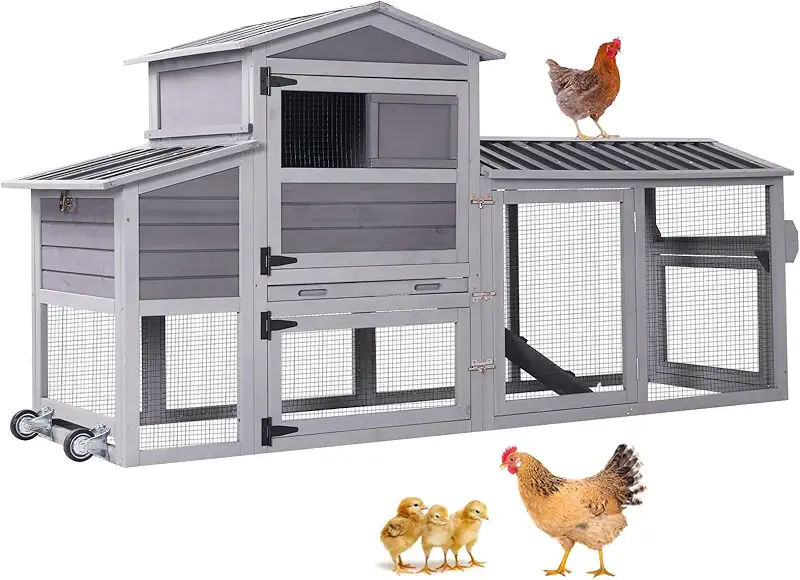
Raised Wood Floors
My favorite for a simple low cost DIY chicken coop is a raised wooden floor, about 12–18 inches off the ground. It stays drier, is easier on my knees, and keeps rats from tunneling in so easily. I lay plywood on top of joists, then paint or seal it with something basic to help it shed moisture.
Deep Litter Method
If you want to stretch your budget and your time, look up the deep litter method. I’ve used it for years. You lay down a good dry base of shavings, then add a bit more every week or so. The litter slowly composts in place, staying fairly dry and warm if you keep it stirred and topped up.
Twice a year, I shovel it all out and it goes straight onto the compost pile or into the garden (after it cools). That coop bedding has grown some mighty fine tomatoes around here.
Predator‑Proofing On A Budget
Let me be blunt: if you keep chickens long enough, something will try to eat them. Raccoons, foxes, coyotes, neighbor’s dogs, hawks, owls—you name it, I’ve chased it away at two in the morning with a flashlight and a pair of muddy boots.
Your simple low cost DIY chicken coop still has to be tough. Saving a few dollars on the wrong thing can cost you your whole flock in one night.
My Non‑Negotiables
- Solid latches: raccoons can open simple hook‑and‑eye latches. Use something they can’t twist.
- Buried wire apron: around the run, I lay hardware cloth flat on the ground, about 12–18 inches out, and cover it with soil or gravel. Diggers hit the wire and give up.
- No big gaps: if you can fit your hand through, a predator can do damage.
I still remember losing my best old red hen because I trusted a cheap, flimsy latch. Never again. A few extra minutes and a sturdier clasp would have saved her.
Everyday Life: Making Your Coop Easy To Use
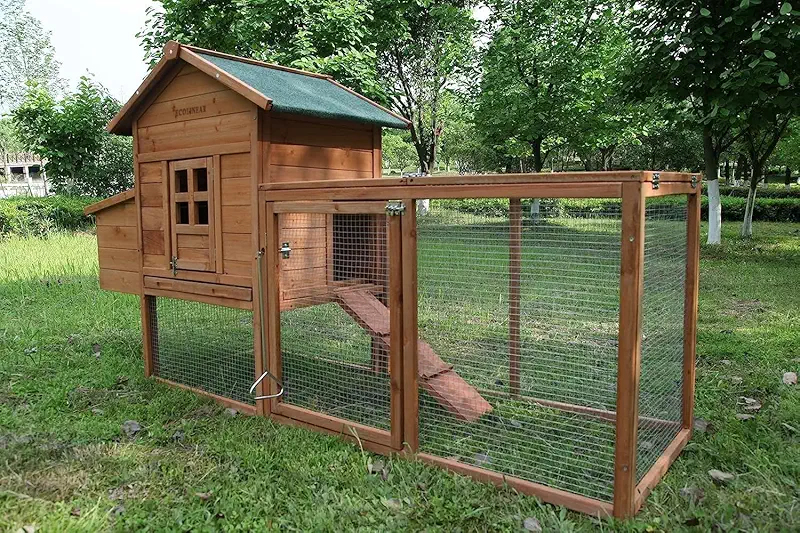
A simple low cost DIY chicken coop should also be easy on the person taking care of it—you. If you have to crawl on your hands and knees to gather eggs, you won’t enjoy this hobby for long.
Doors And Access
I like a main door I can walk through without ducking much, and another small pop door for the chickens. Big enough for a wheelbarrow to fit inside is a nice luxury, but even a wide push‑broom path makes cleaning less of a chore.
Feeders And Waterers
Hang feeders at about the height of the birds’ backs so they don’t scratch so much bedding into the feed. Keep water where they can reach it easily but won’t knock it over. In winter, consider how you’ll keep it from freezing. I’ve used heated bases, and I’ve also just carried warm water out twice a day when money was tight. Not fun, but it works.
Lighting
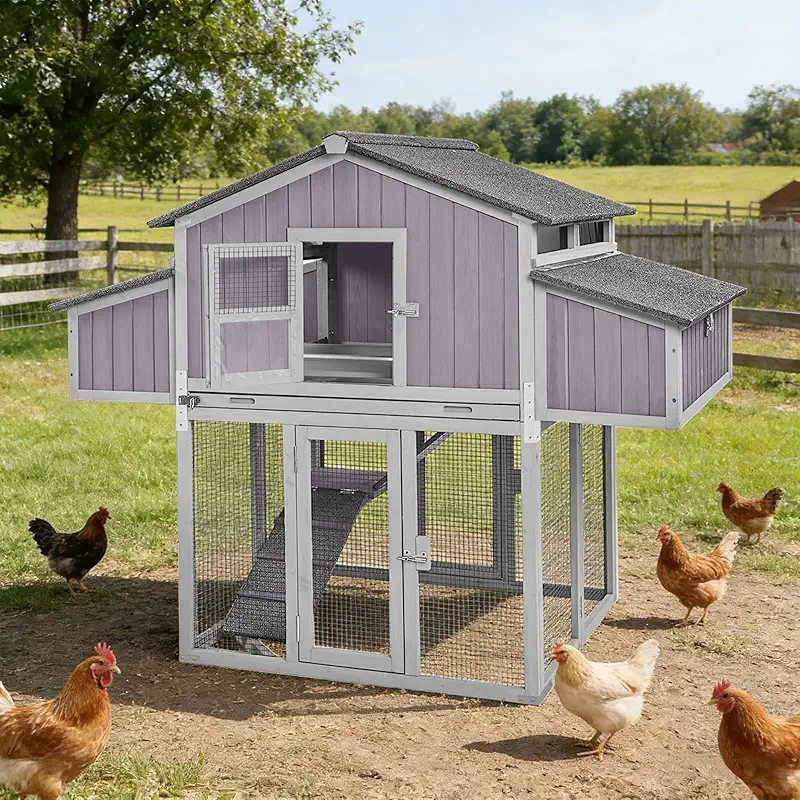
For most backyard keepers, natural daylight is enough. A small window or clear roofing panel lets in light so the coop doesn’t feel like a cave. If you run an extension cord for a single bulb, be sure all wiring is safe from pecking and chewing. Chickens are nosy. They’ll test anything that looks interesting with their beak.
Balancing DIY Builds And Ready‑Made Coops
I’m a hands‑on builder, so I love a good DIY project. But I’ll be the first to admit, there have been seasons in my life when time was shorter than money. Calving season, kids’ ball games, aging parents—life gets full. In those times, I’ve looked at ready‑made coops and thought, “You know, that might just be easier this year.”
There’s no shame in that. A simple low cost DIY chicken coop can mean:
- You build the whole thing from scratch with salvaged lumber.
- You start with an existing shed, dog house, or garden building and convert it.
- You pick up a small pre‑built coop and then reinforce and improve it yourself.
I’ve done all three. One of my favorite setups started as a small store‑bought coop that honestly wasn’t strong enough. I beefed up the frame, added better wire, and built a bigger run onto it. It turned into a solid little henhouse without me spending weeks on full‑blown construction.
If you’re short on time or tools, taking a look at sturdy small coops and then tweaking them can be a smart middle path. That way you still end up with something safe and practical, without having to build every last board yourself.
Let me see optionsFAQ About Building A Simple Low Cost DIY Chicken Coop
How cheap can I realistically build a coop for?
That depends on what you already have lying around. I’ve put together serviceable coops for the price of screws, hinges, and wire, because I had scrap lumber, pallets, and old roofing on hand. If you’re starting from zero, most folks can still build a small, simple low cost DIY chicken coop for less than what a fancy “designer” coop costs, especially if you use second‑hand materials and keep the design basic and tough.
Is it cheaper to build or buy a chicken coop?
If you have tools, some time, and access to used materials, building usually wins on cost and strength. You get thicker lumber and better wire for the money. But if you have limited tools and no scrap pile, sometimes a small ready‑made coop, strengthened with a few upgrades, can be close in price to a new DIY build. I look at my time, my back, and my budget, then decide which way makes sense that year.
How big should my simple low cost DIY chicken coop be?
I aim for at least 3–4 square feet of indoor space per hen, plus a decent outdoor run. For six hens, something like 4×6 feet works if they also have a run to stretch out in. Bigger is nicer, within reason. The birds don’t mind cozy quarters, but tight and overcrowded is when bullies show up and feathers start to fly.
Can I use an old shed or playhouse as a coop?
Absolutely, and that’s one of my favorite “hidden” tricks for a low cost coop. I’ve turned sheds, kids’ playhouses, and even a tiny barn lean‑to into good hen housing. You’ll need to add roosts, nest boxes, and proper ventilation, plus predator‑proof doors and windows. But starting with a solid shell saves a lot of framing and roofing work.
What’s the biggest mistake beginners make with DIY coops?
Most beginners try too small and too cute. They build a tiny, picture‑perfect coop from a magazine, then discover it’s hard to clean, cramped, and not very sturdy. Or they skimp on wire and latches and lose birds to predators. I’d rather see a plain, boxy coop that’s strong, dry, and roomy than the prettiest little dollhouse on the block. Chickens agree with me on that one.
Final Thoughts From An Old Farm Hand
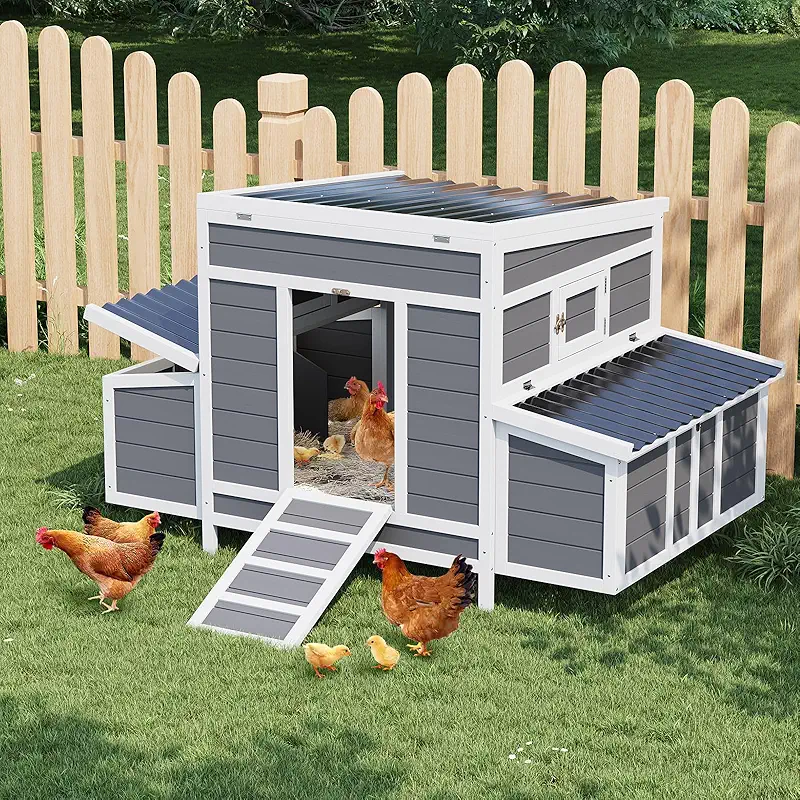
A simple low cost DIY chicken coop doesn’t need to win beauty contests. It just needs to work. Build it to keep your hens dry, safe, and comfortable, and they’ll reward you every morning when you open the nest box lid and see those eggs waiting.
Start with what you have. Be honest about your time and skills. Don’t be afraid to mix DIY with a few ready‑made pieces if that makes life easier. I’ve been at this long enough to know there’s no single “right” way—only what keeps the birds content and you from cussing every time you walk out to the coop.
And remember, every scratch mark on the lumber and every crooked nail holds a little story. Years from now, you’ll be gathering eggs with a coffee in your hand, looking at that coop and thinking, “You know, I did all right with that little project.”
If you’d like to look over different coop sizes and layouts to spark ideas—or to grab something you can set up fast and then strengthen your way—take a calm minute and browse through the options. See what fits your space, your flock, and your way of working.
Show me more coops