
Chicken Coop Amazon
chicken coop Amazon choices can feel like walking down a long barn aisle full of doors. I’m a U.S. farmer who has raised laying hens for decades, and I’ve made about every coop mistake you can make. Let me walk you through how I look at online coops, in plain country talk, so your birds stay safe, healthy, and laying strong.
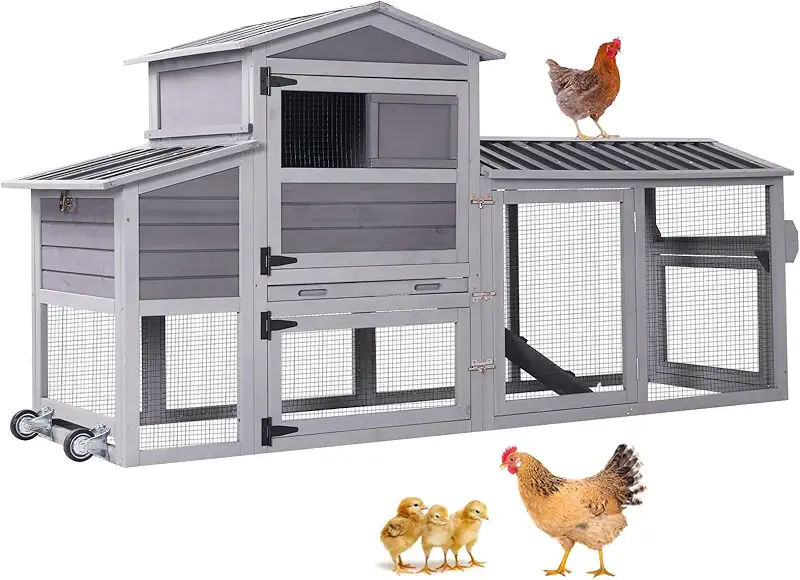
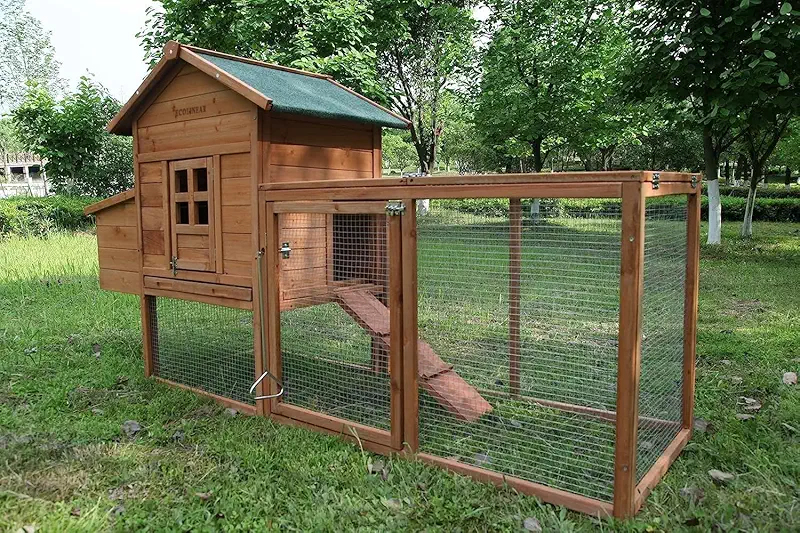
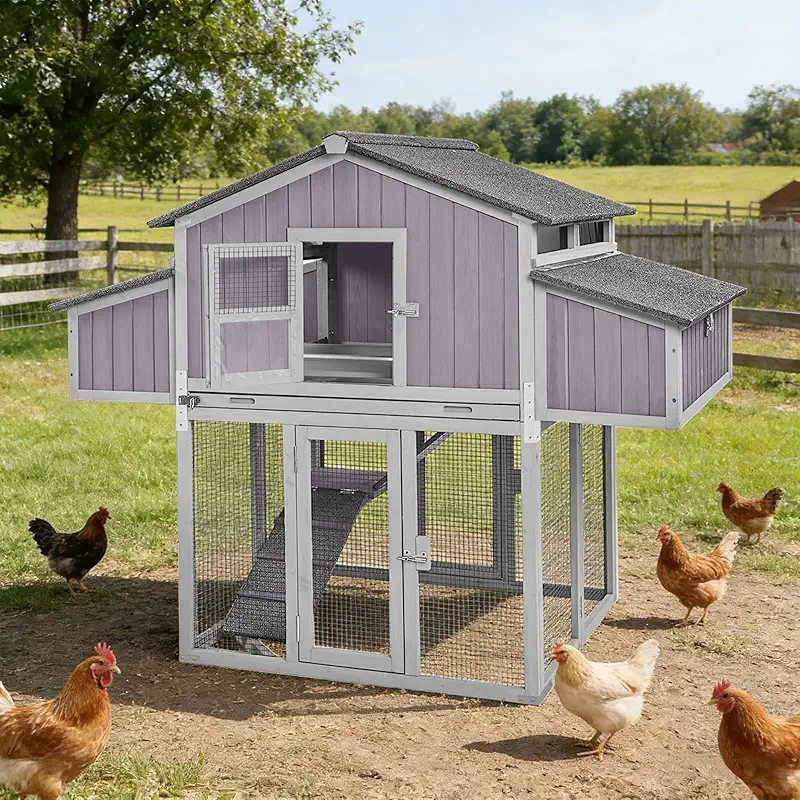
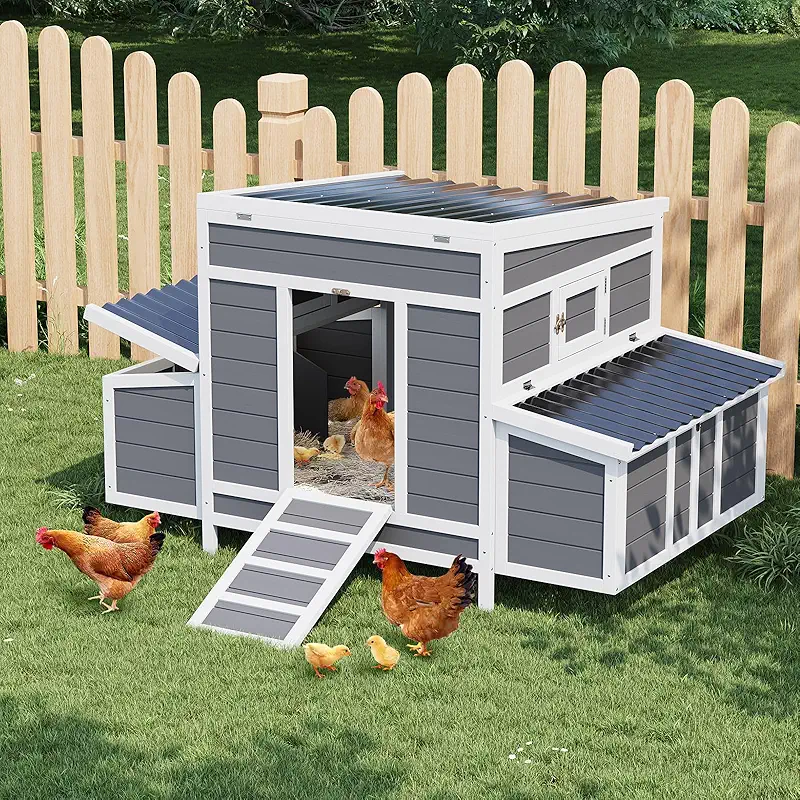
When I’m scrolling through chicken coop Amazon listings, I don’t start by staring at the price tag. I start by picturing my hens on the coldest January night and the hottest July afternoon. If that little picture in my head doesn’t look safe and dry, I move on. A coop has to work in real weather, not just in pretty photos.
Over the years, I’ve seen thin roofs sag under wet snow, doors swell and jam in the rain, and cheap wire tear the first time a raccoon pushed on it. I’ve also seen budget coops that held up for years because the farmer picked wisely and took care of them. That’s what I want for you.
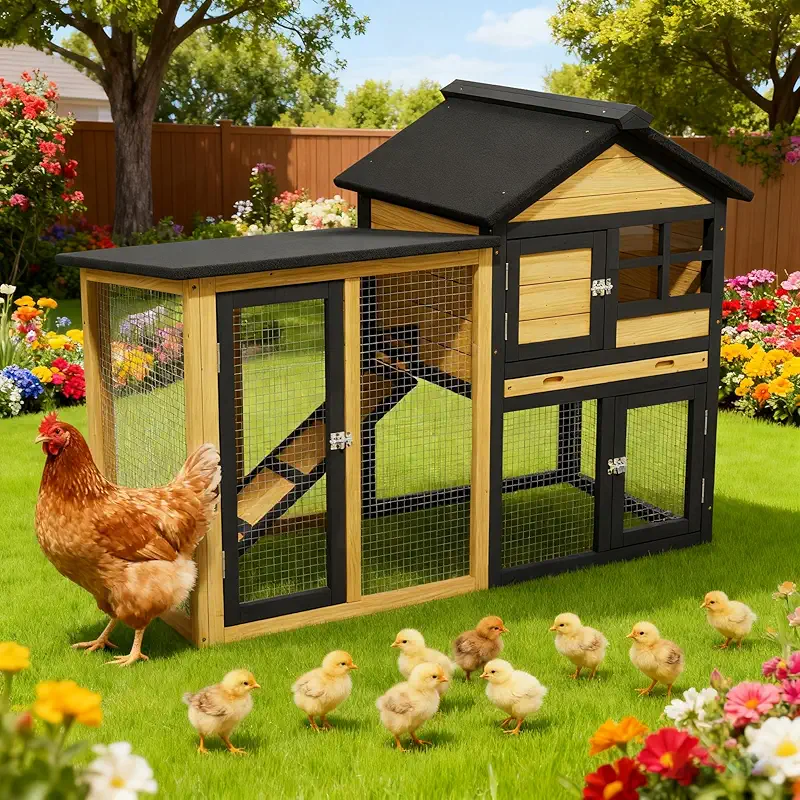
Tap the photo if you’d like to see more coop ideas similar to this one.
How I Judge A Chicken Coop On Amazon
Let me tell you how this old farmer looks at a chicken coop Amazon page. I treat it like I’m standing in the farm store, running my hands across the wood and wire, even though I’m just clicking a mouse. Here’s what I think about before I ever bring a coop home.
1. The Size: More Room, Happier Hens
Folks ask me all the time, “Will this coop fit six hens?” Then they point at some tiny picture. I always answer with the same thing: your birds don’t live in the picture, they live in the space. For laying hens, I like at least 4 square feet per bird inside the coop and 8–10 square feet per bird in the run, especially if they aren’t free-ranging much.
- Count your hens today, and add a couple for tomorrow. Chicken math is real.
- Check the interior floor space, not just “holds 6–8 hens” in the title.
- Look for a decent-sized run or plan on building extra space yourself.
Most marketing numbers are wishful thinking. If it says “up to 8 hens,” I call it a 4–5 hen coop. Squeezed birds bicker, peck, and stop laying. Give them some elbow room and they’ll pay you back in eggs and quiet mornings.
2. Wood, Wire And Roof: What Really Matters
I don’t expect a budget chicken coop Amazon kit to be made from old-growth oak, but I do expect honesty. Here’s what I look for when I read those descriptions and scan the photos:
- Frame and walls: thick enough boards that don’t look like popsicle sticks.
- Wire: hardware cloth is best; if it’s chicken wire, I plan to reinforce it myself.
- Roof: a solid pitch so rain and snow slide off, not pool on top.
If a predator can pry that wire with its paws, your coop is just a snack bar with a roof. Around here, the raccoons read the same menu you do. I’ve seen them climb, dig, and test every corner of a coop like they were doing a safety inspection from the dark side.
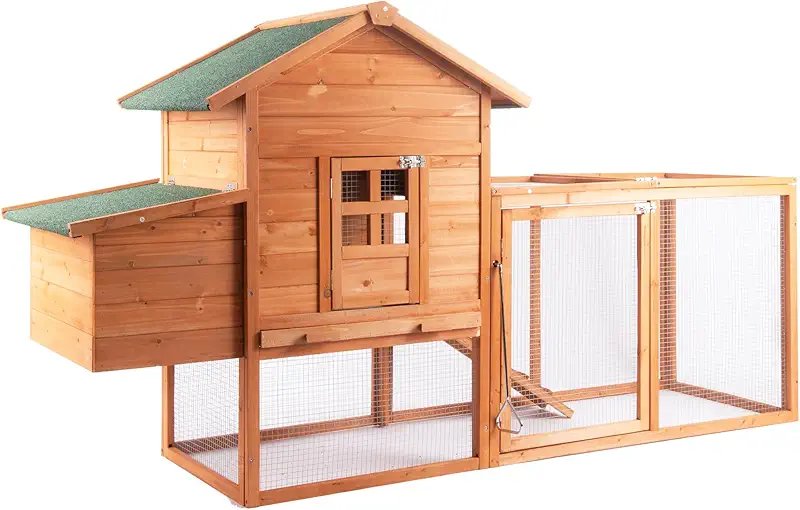
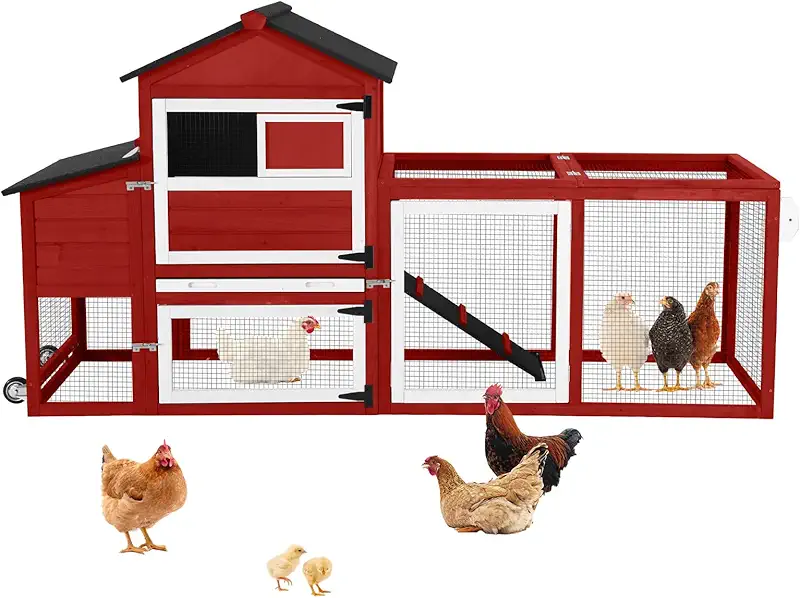
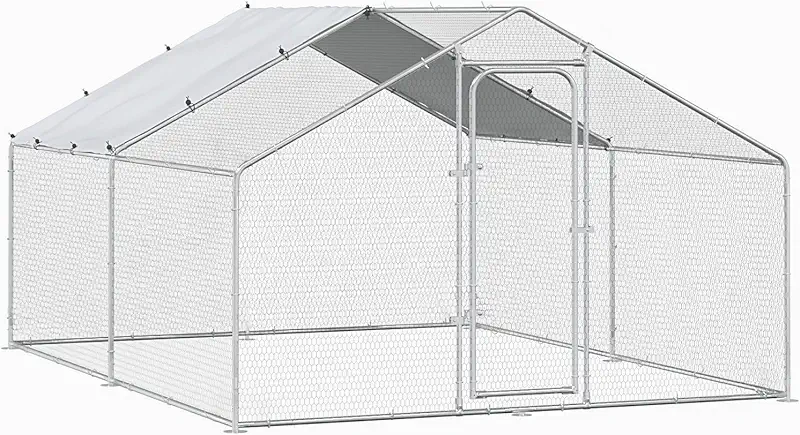
When I look at different coops online, I imagine my biggest raccoon hanging off that wire. If the picture makes me nervous, I figure I’ll be adding hardware cloth and a few extra screws on day one.
3. Weather, Wind, And Where You Live
You and I might be reading the same chicken coop Amazon listings, but we don’t share the same weather. I farm in the U.S., and I’ve kept hens through snowstorms that buried fence posts and heat waves that melted the tar on the driveway.
- Cold states: Look for solid walls, smaller vents you can partly cover in winter, and a coop you can add insulation to if needed.
- Hot states: Focus on strong ventilation, shade, and a roof that doesn’t soak up too much heat.
- Windy spots: You want a lower profile coop and a way to anchor it solid to the ground.
I’ve had a cheap roof peel up like a sardine can in a strong wind because I didn’t bother to add extra screws. That was my fault, not the coop’s. Since then, every new coop gets what I call the “angry storm treatment” – I beef it up while the sun is still shining.
Setting Up A Chicken Coop Amazon Style: My Step‑By‑Step
Once you spot a chicken coop Amazon listing that looks promising, the real work begins when the boxes hit your driveway. I’ve put together more flat‑pack coops than I care to count. Some were like puzzles. Some were like punishment. Here’s how I keep it from turning into a bad Saturday.
1. Choose the Right Spot First
Before I ever open the box, I walk the yard. Chickens don’t like standing water, nor do I. I look for a place that’s:
- Slightly higher ground, so rain runs away, not in.
- Some shade in summer, but not deep, damp shade all year.
- Close enough to the house that I’ll visit often and hear trouble at night.
If you tuck your coop way back in the far corner behind the old shed and the blackberry thicket, you’ll visit your birds less. Out of sight, out of mind, and that’s how frozen waterers and sick hens sneak up on you.
2. Take Your Time With Assembly
I know it’s tempting to rush, especially when the kids are excited to get their chicks moved in. But a chicken coop Amazon kit is only as strong as the hands that put it together. I always:
- Lay out every panel and screw, and match them with the instructions first.
- Use my own drill, not just the tiny wrench that came in the box.
- Add extra screws in load‑bearing spots and along the roof edges.
I joke that I “farm‑proof” my coops. The factory built it to survive shipping. I build it to survive my weather, my predators, and my clumsy self carrying feed buckets through the door at 5 a.m.
3. Upgrade The Safety Right Away
Most pre‑made coops need a little help. I expect that. When I get a new chicken coop Amazon kit, I keep a small stack of upgrades ready in the barn:
- Hardware cloth: I line lower walls and cover any thin wire areas.
- Extra latches: I add carabiners or double latches to doors and nest box lids.
- Ground protection: If predators are bad, I run a skirt of wire out along the ground to stop digging.
Think of the factory coop as the starting point, not the final product. A couple hours of extra work will save you a lot of heartache down the road. I learned that one the hard way when a clever raccoon worked a simple latch open like it was born with a toolbox.
Keeping Hens Happy In A Chicken Coop Amazon Setup
Once that coop is standing, the real fun starts. Laying hens don’t ask for much, but they are picky about a few things: where they sleep, where they lay, what they eat, and how safe they feel. Here’s how I keep my girls comfortable.
Roosts: Chickens Don’t Sleep On The Floor
When I look at a chicken coop Amazon design, I zoom in on the roost bars. Some coops have flimsy little dowels that I’d barely trust to hold a pigeon. A good roost:
- Is wide enough that the hen’s toes sit flat, not wrapped all the way around.
- Is higher than the nest boxes, so hens don’t sleep where they should lay.
- Has enough linear inches: I like 8–10 inches per bird.
Chickens like to sleep like they’re on a bus seat – pressed up against each other. But they still want space to hop on and off without knocking their neighbor into the bedding. I’ve watched many a young hen misjudge the jump and land right in the waterer. They learn. Mostly.
Nest Boxes: Private, Clean, And Boring
Egg‑laying is serious business to a hen. She wants a quiet, darker corner that feels safe. For most backyard flocks, one nest box for every 3–4 hens works fine. Any chicken coop Amazon product I consider has at least two boxes, even for a small flock.
- Line boxes with clean, dry bedding – I like pine shavings or straw, not dusty junk.
- Keep them lower than the roosts so they stay nests, not bunk beds.
- Collect eggs daily. A box full of old eggs invites trouble and smells like bad decisions.
Watch your hens for a week. They’ll tell you if the boxes are right. A hen searching and fussing might want more privacy or softer bedding. A hen happily humming and settling in has everything she needs.
Feed, Water, And Daily Rhythm
I like to keep feed and water under a roof or sheltered run so rain doesn’t make a mess of things. When I look at a chicken coop Amazon listing, I think about where my feeders will hang, where the water line will run in winter, and how easy it’ll be to step in and clean.
My usual rhythm is pretty simple:
- Morning: fresh water, quick look at each hen, open the pop door.
- Midday: check feed levels and watch behavior – you can spot a sick bird by how she stands.
- Evening: count heads on the roosts, close up tight, and latch everything.
Count your hens each night. It takes ten seconds, and you’ll sleep better. I joke that my girls are like teenagers – you trust them, but you still want to know everyone’s home by dark.
Common Mistakes Folks Make With Chicken Coop Amazon Kits
I’ve helped neighbors set up plenty of coops they found online, and I’ve seen the same mistakes over and over. None of them are fatal, but all of them are fixable if you catch them early.
Mistake 1: Believing The “Up To 10 Hens” Claim
Most chicken coop Amazon titles brag about how many birds they can handle. That number usually assumes tiny bantams in perfect weather, with the doors open all day. For standard layers, cut that number in half, sometimes more. Your birds will thank you with better health and better eggs.
Mistake 2: No Plan For Mud
A pretty coop sitting in a mud pit turns into a health problem fast. Wet feet, dirty eggs, and ammonia smells all pile up. When you choose your spot and run, think ahead:
- Add a layer of coarse material in the run – wood chips work well.
- Slope the ground so rain doesn’t just sit there.
- Keep feed and water out of the muddiest area.
My run stays decent even in wet seasons because I treat it more like a garden path than a random patch of dirt. Fresh chips now and then go a long way.
Mistake 3: Forgetting About You
Everyone worries about the hens, and that’s good, but don’t forget about the human who has to reach in there every day. I’ve crawled into low coops on my knees more than once, and let me tell you, that novelty wears off fast.
When you browse chicken coop Amazon pages, imagine cleaning day. Can you stand up inside? Can you reach all the corners from the doors provided? Can you change bedding without becoming a contortionist? Your back is part of the flock too, whether you like it or not.
Chicken Coop Amazon – Questions Folks Ask Me
It can be, if you treat it like a starter, not the final product. I look for solid framing and a decent roof, then I add better wire, stronger latches, and a good anchor to the ground. I’ve kept hens safely in modest coops for years by upgrading those weak spots. If you’re willing to put in a couple extra hours and a little hardware, a budget kit can work just fine.
Forget the number in the listing and do your own math. I aim for about 4 square feet per hen inside and 8–10 square feet per hen in the outdoor run. So if the coop floor is 12 square feet, I wouldn’t keep more than three hens in there comfortably. A little extra space today saves fights, feather picking, and stress later.
Mine do, but I help them along. In cold climates, I block strong drafts at roost height, add dry bedding, and make sure the roof is tight and sealed. I don’t chase “toasty warm” – I chase “dry, draft‑free, and well‑ventilated.” Chickens handle cold better than damp, still air. If the coop is flimsy, I brace the walls and add screws before the first storm shows up.
Not always. Where I live, I get by with solid walls, deep bedding, and common sense. In very cold states, light insulation can help, but only if you still have fresh air flowing up high so moisture escapes. I’ve seen more sick hens from damp, sealed‑up coops than from chilly ones. Whatever you do, keep vents above roost height open, even in winter.
The very first thing I do is fix the predator weak spots. I add hardware cloth over any thin wire, reinforce doors with extra latches, and secure the bottom so nothing can dig under easily. After that, I look at comfort: sturdy roosts, good bedding, and easy‑to‑clean floors. Once the coop is safe and simple to work with, the rest is just daily care and a little bit of love.
If you’re ready to picture your own hens scratching around a sturdy little home instead of just staring at pictures on a screen, take a quiet minute to look over the different coop options and imagine them sitting in your yard.
Let me browse calmly Show me more coopsAt the end of the day, choose the coop you can keep clean, keep safe, and enjoy visiting every morning. Your hens will feel that care in every egg they lay.