
Cheap Chicken Coop For 20 Chickens
I’ve raised more hens than I can count on two hands and two muddy boots. Let me walk you through how to keep around twenty girls happy in a coop that doesn’t drain your wallet or your patience.
When folks ask me about a cheap chicken coop for 20 chickens, I always say the same thing: cheap is fine, flimsy is not. I’ve seen coops made from old pallets outlast fancy store-bought ones, and I’ve watched “bargains” fall apart in one good storm.
On our place, we settled on a simple rule: if it keeps the birds dry, safe, and easy to care for, it’s worth every penny. If it makes chores harder, it’s too expensive no matter the price tag. In this guide I’ll share what actually matters when you’re housing around twenty hens, where you can save money, and where cutting corners will just give you headaches and fewer eggs.
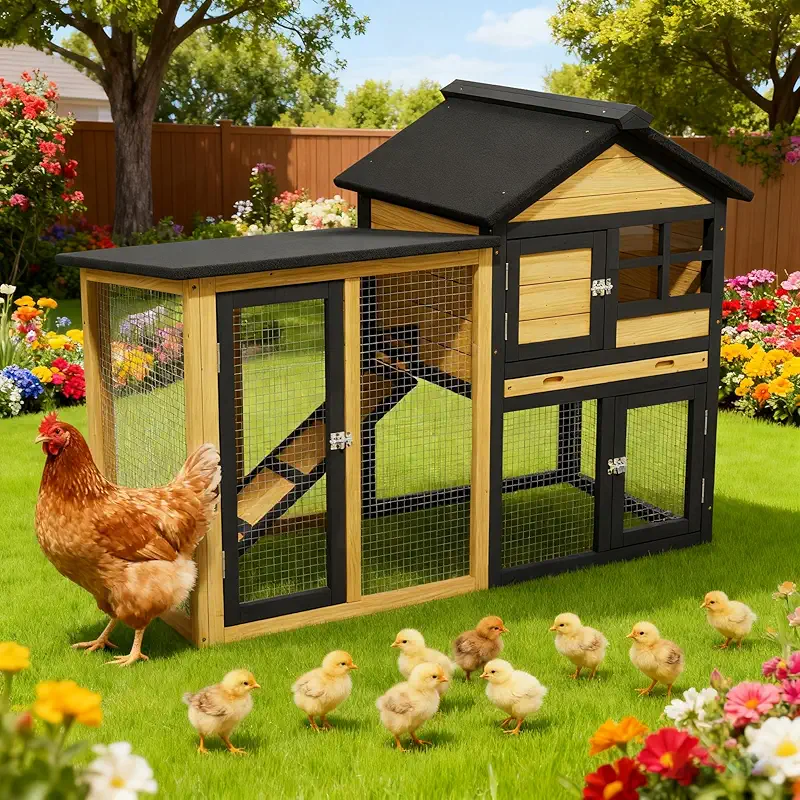
How Big Should A Cheap Chicken Coop For 20 Chickens Be?
Before you look at price tags, you need to know how much space twenty hens really need. I learned this the hard way with my first crowded coop. The birds were packed too tight, and they let me know by pecking each other bald and yelling before sunrise. Not fun.
For standard laying hens, I aim for 4 square feet per bird inside the coop, and 8–10 square feet per bird in the run if they don’t free-range much. For twenty hens, that means:
A cheap chicken coop for 20 chickens doesn’t have to look like a barn. I’ve seen smart setups using a basic shed, some scrap lumber for roosts, and a bit of fencing for the run. Just respect those space numbers and you’re already ahead of half the “cutest coop” photos you see online.
My Mistakes With Cheap Coops (So You Can Skip Them)
When money was tight, I grabbed the cheapest prefab coop I could find for a dozen hens, then “added a few more” birds because the kids fell in love with them. Before long, that coop was sagging, screws were pulling out, and the roof flapped in the wind like a bad toupee.
What I learned is this: cheap materials are fine, cheap design is not. You can save money by using used lumber, metal roofing off a neighbor’s old shed, or a second-hand dog run. But when doors don’t latch right, roofs leak, or wire is too thin, you’re paying the price with lost birds and your own frustration.
These days, when I’m looking at anything for around twenty hens, I check three things first:
- Does it keep out predators? Raccoons, foxes, dogs, and even rats will test your setup sooner or later.
- Can I clean it fast? If I can’t rake or shovel out the bedding without twisting like a pretzel, it’s a “no.”
- Is it easy to walk in? At twenty hens, a walk-in style saves your back and your mood.
So when you browse options for a cheap chicken coop for 20 chickens, think beyond looks. Ask yourself, “Will I still be glad I bought this after the first snowstorm or muddy spring?”
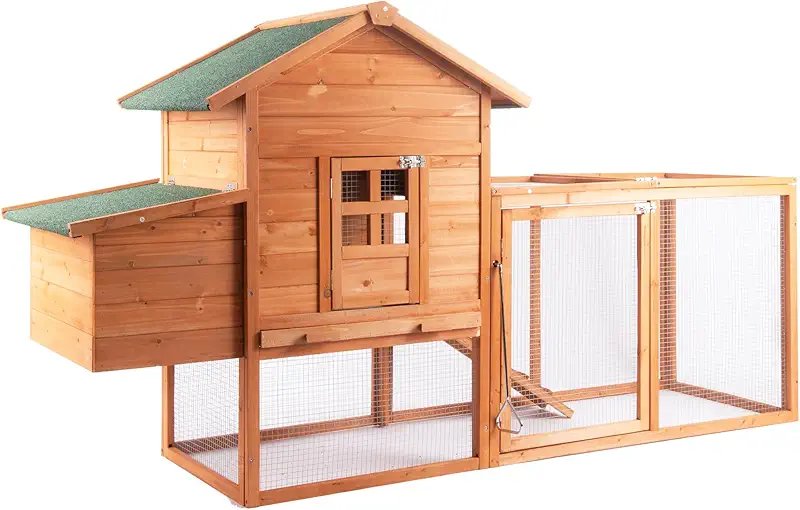
Layout Tips For A Coop That Actually Works
Once you’ve got the basic size handled, the layout is what makes the difference between a coop you like and a coop you swear at under your breath. With about twenty chickens, traffic jams become a real thing. Everybody wants the same nest box, the same roost spot, and the same doorway at the same time.
Roosts: Where Your Girls Sleep
Chickens sleep up off the ground, and they like to line up shoulder to shoulder like feathery little logs. For twenty hens, you’ll want about 8–10 linear feet of roost space at minimum. I aim for a bit more, so nobody gets shoved off the end.
- Use 2x4 boards laid flat, wide side up so their feet stay warm.
- Mount roosts about 18–24 inches off the floor for heavier breeds.
- Keep at least 12 inches between roost bars so they’re not stacked like a bunk bed of chaos.
Nest Boxes: Egg-Laying Headquarters
You don’t need twenty nest boxes for twenty hens. They’ll usually share like kids who all want the same seat on the bus. For a cheap chicken coop for 20 chickens, 5–6 nest boxes is plenty.
- Size around 12x12 inches each.
- Place them a bit lower than the roosts so nobody sleeps in them.
- Add curtains or a bit of shade if your hens are shy; yes, some of them like privacy.
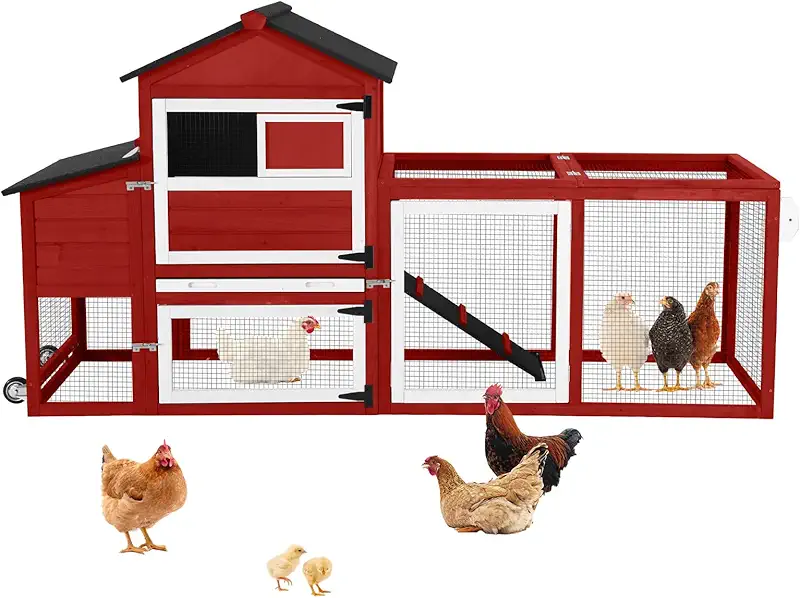
Doors, Feeders, And Water
I like a human door I can walk through and a smaller chicken pop door for them. Put feeders and waterers where you won’t trip over them in the dark, and where rain can’t blow in on them.
With around twenty hens, consider two feeder spots and at least two waterers so the bossy girls don’t guard the buffet. You’d be surprised how much bullying disappears when nobody has to wait in line for breakfast.
Where You Can Save Money (And Where You Shouldn’t)
Let’s talk about the “cheap” part. I’ve had seasons where I had more ideas than dollars, so I’ve tested about every thrifty trick out there. You don’t have to spend a fortune, but you do need to be picky about where you cut costs.
Good Places To Save
- Framing lumber: Second-hand 2x4s and old deck boards work just fine if they’re solid and not rotten.
- Exterior finish: Plain paint is fine. Your hens don’t care if their house matches the farmhouse Pinterest board.
- Interior extras: Fancy trim, windows with decorative panes, and complicated ramps are nice, but not required.
Places Not To Skimp
- Roofing: A leaky roof ruins bedding, breeds bacteria, and makes everyone miserable. Spend a little more here.
- Wire: Use real hardware cloth, not thin chicken wire for predator protection. Chicken wire keeps chickens in, not predators out.
- Locks and latches: Raccoons have nimble little burglar hands. Use sturdy latches, not flimsy hook-and-eye closures.
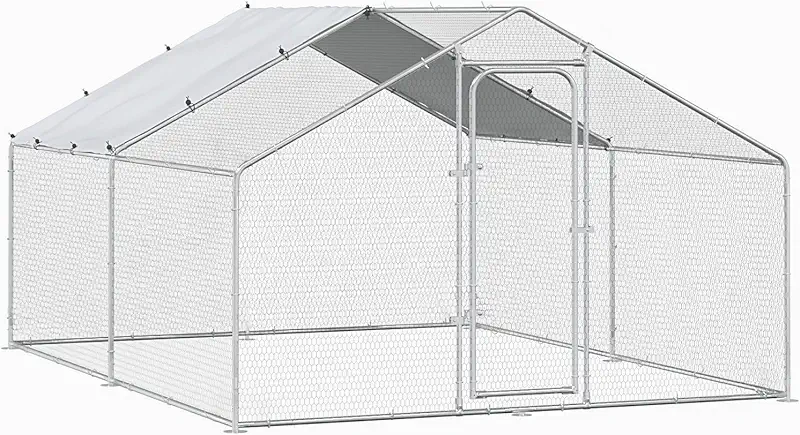
When I look over options that could work as a cheap chicken coop for 20 chickens, I’d rather see simple, honest materials than something fragile dressed up to look cute. A plain, tight coop beats a pretty, drafty one every time.
Ventilation, Bedding, And Clean-Up For Twenty Hens
You can’t talk about a coop for this many birds without talking about airflow and cleaning. Twenty hens produce a lot of manure, and if the air doesn’t move, the smell will tell on you before your neighbors do.
Ventilation Without Drafts
A good cheap chicken coop for 20 chickens needs vents up high, near the roof, so warm moist air can escape. I aim for openings equal to about 10% of the floor area, covered securely with hardware cloth.
- Vent high, above roost level, so the birds aren’t sitting in a draft.
- Use overhangs or simple awnings to keep rain from blowing in.
- In cold climates, adjustable vents are nice, but you can improvise with hinged covers.
Bedding That Works For Real People
I’ve tried straw, shavings, and even dried leaves when I was feeling creative. For twenty hens, I usually reach for wood shavings or chopped straw because they’re easy to rake and compost well.
Some folks like the deep litter method, adding fresh bedding on top of the old to build a composting layer. It can work fine if your coop is dry and well-ventilated. If the coop ever smells like ammonia or feels damp, you need more airflow or a full clean-out.
Making Clean-Up Easier On Yourself
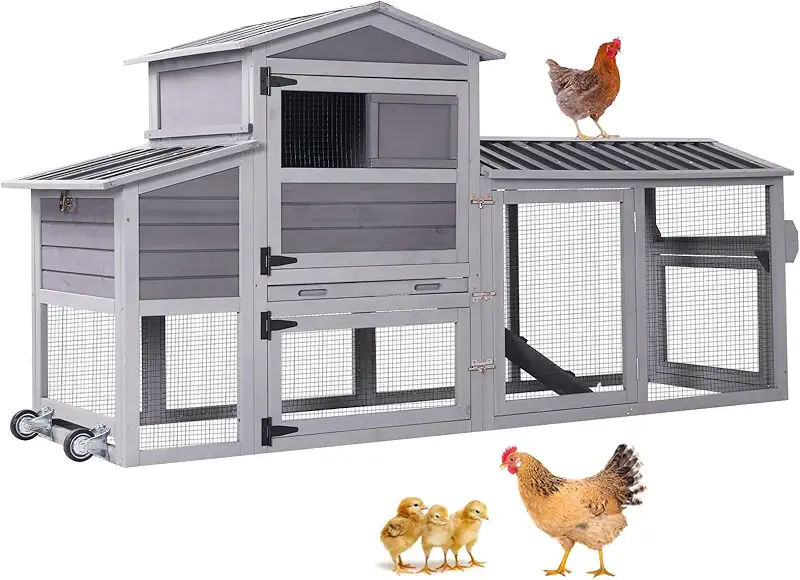
At this flock size, you’ll thank yourself for any cleaning shortcut you can build in:
- Wide door or removable panel so you can shovel bedding straight into a wheelbarrow.
- Droppings boards under roosts that you can scrape off every few days.
- Smooth interior walls instead of bare rough wood that grabs dust and cobwebs.
Outdoor Space: Keeping Twenty Hens Happy And Busy
Chickens were not meant to spend their whole lives on a tiny patch of bare dirt. I’ve watched flocks turn a fresh green run into a moonscape in a matter of weeks. With twenty hens, you need to think ahead.
Run Size And Fencing
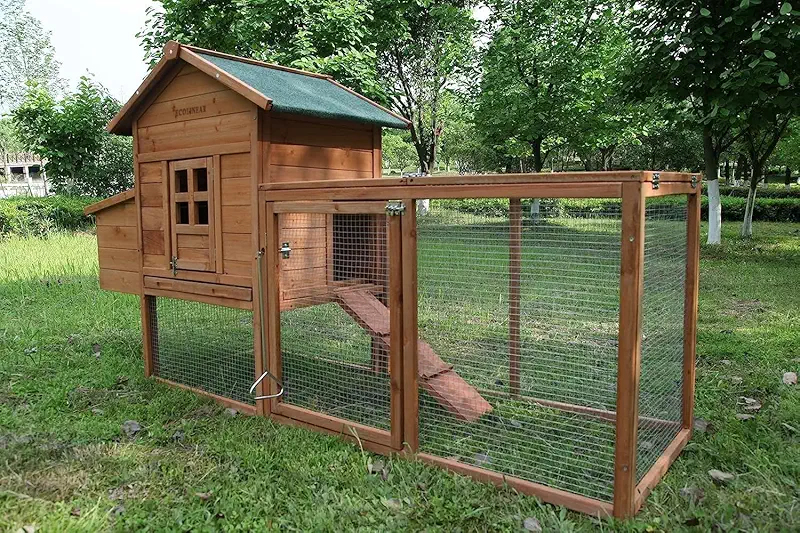
As mentioned earlier, aim for at least 160–200 square feet of run space for a cheap chicken coop for 20 chickens, more if you can swing it. Use the best fence you can afford and bury or apron it at the bottom to slow down diggers.
- Height: 5–6 feet keeps most birds in and wandering dogs out.
- Roof or cover: Netting or a solid roof helps deter hawks and keeps wild birds from sharing diseases.
- Shade: A tarp, shrub, or scrap of tin roofing gives them a place to escape the summer sun.
Rotation If You Have The Room
When I can, I like to split the run into two sections and rotate the birds. While the flock is on one side, the other gets a break to regrow and dry out. It doesn’t have to be fancy—just a gate and some extra fence posts can do the trick.
A busy chicken is a well-behaved chicken. Give them things to scratch through, perches to hop on, and dust-bathing spots, and you’ll see less feather picking and more contented clucking.
Picking The Right Birds For A Coop This Size
Not every chicken breed behaves the same when you cram twenty of them together. Some are calm and steady, some act like they drank three cups of coffee and lost the instructions.
Gentle, Reliable Layers
In a cheap chicken coop for 20 chickens, I usually lean toward calmer, friendly breeds and fewer hot-tempered divas. Good choices include:
- Buff Orpingtons – Big, gentle, and good in the cold.
- Plymouth Rocks – Steady layers, hardy, and not too fussy.
- Australorps – Great egg producers that handle confinement well.
- Red sex-links or ISA Browns – Strong layers, though they can be a little high-strung if crowded.
Keeping The Peace
Even with the sweetest breeds, twenty hens will have a pecking order. You can keep it from turning ugly by:
- Giving enough feeder and water space so weaker birds can eat in peace.
- Providing hiding spots and perches in the run where timid birds can get out of the way.
- Adding simple distractions like a hanging cabbage, a log to climb, or a pile of leaves to scratch through.
A well-designed, roomy coop for twenty hens is like a good small town—everyone knows their place, and there’s space to mind their own business.
FAQ About A Cheap Chicken Coop For 20 Chickens
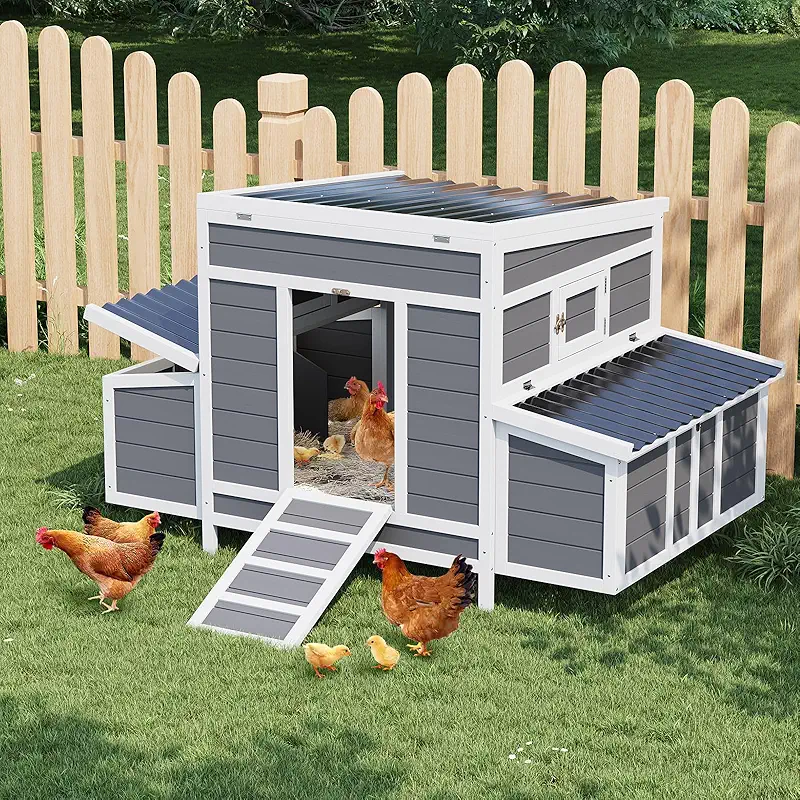
Twenty hens can lay a lot of breakfasts for you, if you give them a dry, safe, and roomy place to call home. Whether you build from scratch, convert an old shed, or pick up a ready-made setup, keep your eye on the basics: space, safety, airflow, and easy chores. The rest is just decoration.
When you’re ready to look over different shapes, sizes, and price ranges, take your time and picture yourself doing chores in that coop on a freezing, muddy morning. If it still looks good in your mind then, you’re on the right track.
I want to see coops