
Low Cost Chicken Coop
low cost chicken coop ideas that keep your hens safe, dry, and laying steady without draining your wallet.
I’m a U.S. farmer who has raised laying hens for decades. I’ve wasted money on fancy coops, and I’ve built cheap ones that worked better. Let me help you skip the mistakes and get straight to the good eggs.
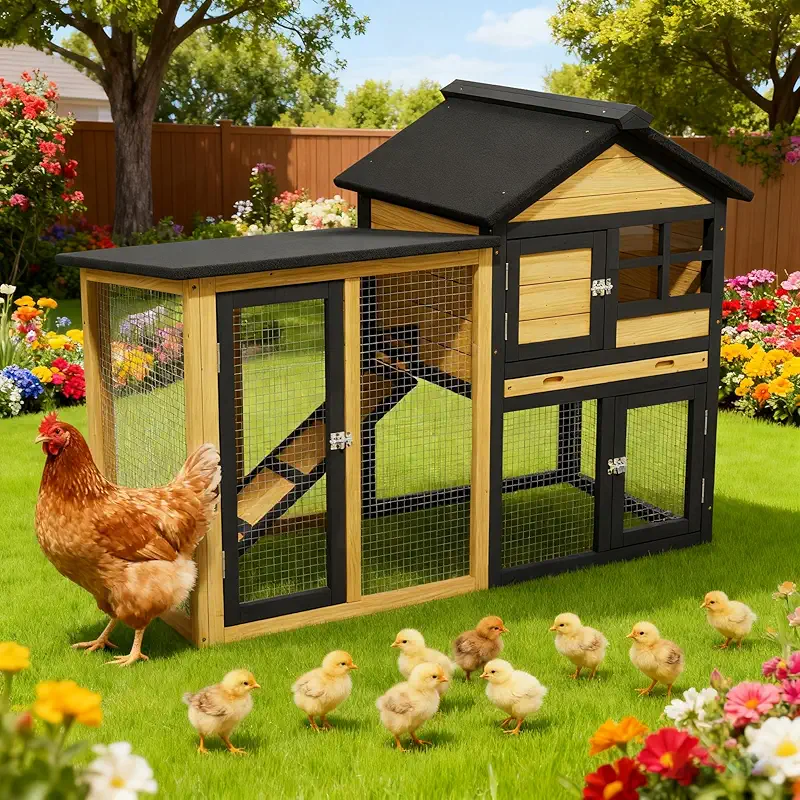
Peek through a range of low cost chicken coop setups and see what matches your hens and your yard.
How I Learned To Love The Low Cost Chicken Coop
On the farm we say, “A dry hen is a happy hen, and a happy hen fills the egg basket.” When I started out, I thought I needed the fanciest chicken palace on the planet. Big mistake. I bought a shiny, expensive coop that looked great in photos and fell apart in two winters.
What really works is simple: a solid, low cost chicken coop that keeps wind, rain, and critters out, and lets fresh air and sunlight in. It doesn’t have to win a beauty contest. It just has to keep your girls safe and comfortable.
I’ve built coops out of old pallets, converted garden sheds, and yes, used ready-made coops like the ones you’ll find online. Some of those “cheap” coops did better than the high-dollar ones, once I knew what to look for and what to fix right away.
Think of your coop like work boots. You don’t need the prettiest pair in town, you just need something sturdy that won’t quit halfway through the season.
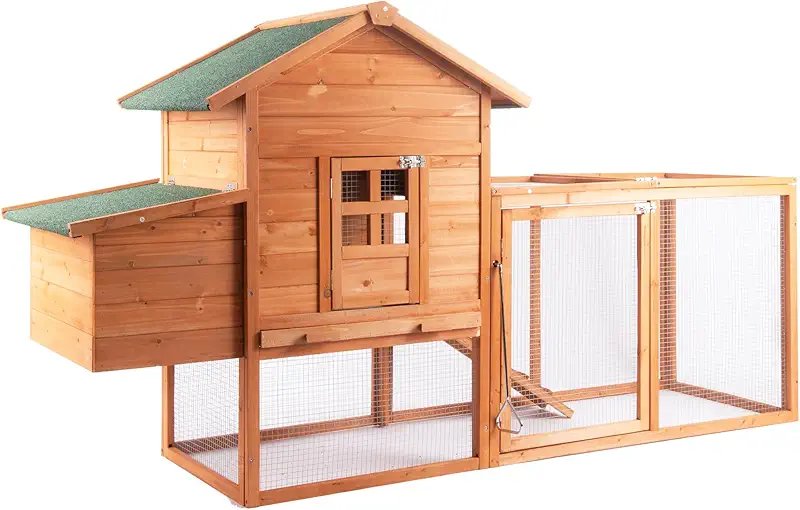
For a budget-friendly coop, spend your attention on structure, roof, ventilation, and predator protection. Those four things matter more than paint, trim, or cute little windows.
What A Low Cost Chicken Coop Still Needs To Do Right
You can save money on looks, but you can’t cheat physics, weather, or hungry raccoons. No matter how low the price tag, your coop needs to handle a few non‑negotiables.
1. Keep Your Hens Dry And Out Of The Wind
Chickens handle cold better than damp. I’ve seen hens scratching in the snow, happy as can be, but give them a week of wet drafts and they’ll stop laying and start coughing. On a cheap coop, I always check:
- Roof overlap: Does the roof hang over the walls enough to shed rain?
- Seams and joints: Any long open gaps where rain can blow in?
- Floor height: Is the coop off the ground a bit so water doesn’t pool inside?
If the roof looks thin, I’ll add a simple metal or shingle layer later. A roll of roofing felt and some screws can turn a cheap coop into a long‑term shelter.
2. Enough Space For The Flock You Truly Plan To Keep
This is where most folks get fooled. Photos always make coops look bigger. As a plain rule, I plan on about 4 square feet per hen inside and 8–10 square feet per hen outside in the run. You can squeeze tighter, but crowding brings pecking, stress, and fewer eggs.
Count your birds. Then look at the measurements, not the marketing words. If the listing says “up to 8 hens” and the floor area is 20 square feet, I start laughing and keep scrolling. I’d use that for maybe four hens if I want them calm and productive.
3. Safe From Nighttime Visitors
I sleep better when I know my coop is tighter than the appetite of whatever’s hunting that night. On a low cost chicken coop, I especially check:
- Wire type: Hardware cloth is best. Thin “chicken wire” keeps chickens in but doesn’t keep predators out.
- Door latches: Raccoons are little criminals with hands. If a child can open it, so can they.
- Digging: If there’s a run, I like a skirt of wire laid flat around the outside, or buried a few inches to stop digging.
I’ve had raccoons unwrap bungee cords and slide simple bolts. These days I use carabiners or locking clips on every main door. Cheap and effective, like duct tape for the farm soul.
Ready-Made Cheap Coops Vs. DIY: What’s Smarter For You?
Over the years I’ve done both. I’ve built coops out of scrap wood on frosty mornings, and I’ve also clicked a button and had a boxed coop show up on the driveway. Both paths can be “low cost” if you think it through.
Buying A Low Cost Chicken Coop
- Time saver: You get a design, hardware, and panels ready to go. No head scratching over measurements.
- Less tool drama: You usually just need a screwdriver and a bit of patience.
- Predictable layout: Nesting boxes, roosts, and doors are already planned out.
- Easy to tweak: You can reinforce, paint, or expand later once you know what you like.
Building From Scrap Or A Shed
- Cheap if you have materials: Old pallets, leftover lumber, and roofing can save serious money.
- Custom size: You can make it exactly fit your flock and your yard.
- Stronger if done well: A solid 2×4 frame outlasts most thin pre‑fab panels.
- But requires tools and time: And a bit of swearing when boards aren’t straight.
These days, when folks ask me for a first coop, I usually point them to a decent low cost chicken coop kit and tell them to think of it as a “starter shell.” Put it together, get eggs flowing, then upgrade or expand as you learn.
Look through a mix of small backyard coops and simple walk‑in styles. Notice which ones you can picture in that corner of your yard.
Key Details To Check Before You Pick A Coop
When I help neighbors pick out a low cost chicken coop online, I walk them through the same checklist every time. We look past pretty paint and focus on the bones.
Floor Plan, Roosts, And Nesting Boxes
Chickens only need luxuries in three spots: where they sleep, where they lay, and where they dust-bathe. Everything else is bonus. Look for:
- Roosting bars: Enough length so each hen has 8–10 inches of space. Wood is better than metal; it’s kinder on their feet.
- Nesting boxes: One box per 3–4 hens is usually plenty. I’ve had ten hens fighting over one “favorite” box even when five others were open.
- Headroom: Hens like to roost higher than the nest boxes, so they don’t sleep where they lay. Saves you from cleaning messy eggs.
Ventilation Without Drafts
Good air in, bad air out, no wind on the birds. That’s the goal. I look for vents high on the walls, or windows that can be covered with hardware cloth. In my cold climate, I keep openings higher than the birds’ backs so the winter breeze doesn’t blow right over them.
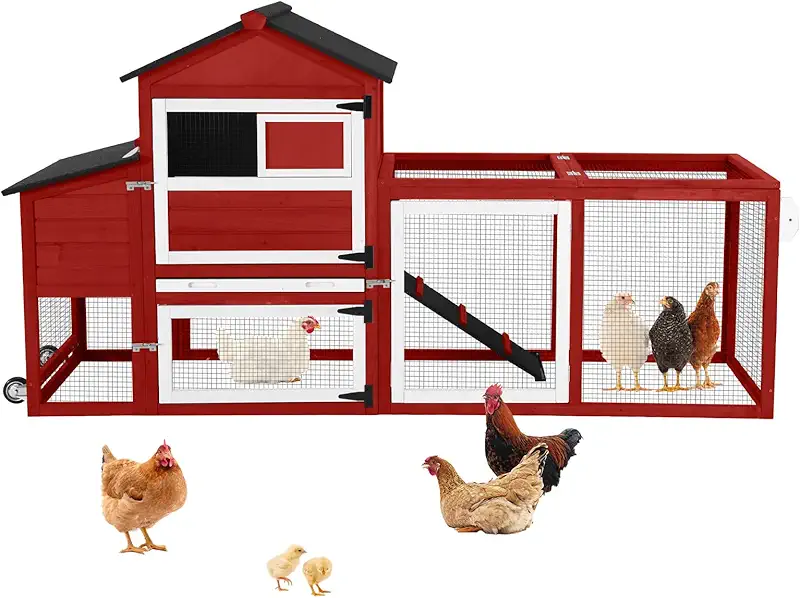
A simple, low cost chicken coop with raised roosts and a small attached run. Not a palace, but it keeps the girls dry and off the ground.
Notice the raised house and short ramp. Easy to clean, harder for predators to bother the birds at night.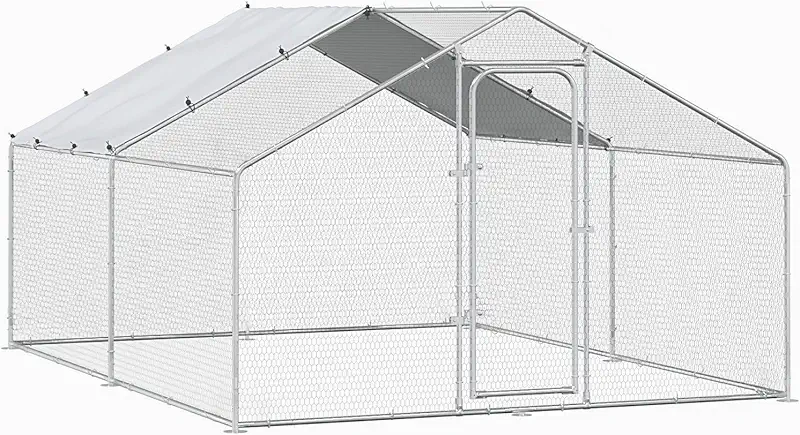
A longer run on a budget coop lets birds stretch and scratch more. Even cheap wire can be upgraded with better mesh where it counts.
I like runs tall enough so I don’t crawl on my knees every time I have to grab a hen.Ease Of Cleaning (Your Back Will Thank You)
On my first coop I made the door just big enough for chickens, not big enough for me. Cleaning was a circus act. Now I always check:
- Is there a large access door for raking out bedding?
- Do the nest boxes open from the outside for easy egg collection?
- Are there removable trays or floors you can dump into a wheelbarrow?
A low cost chicken coop with one smart access panel is worth more, to me, than a fancy one that turns cleaning into a gymnastics event.
My Personal Tips For Getting The Most Out Of A Cheap Coop
Let me tell you how I turn “budget” coops into long‑lasting egg factories. It doesn’t take much—just a few weekend fixes and a farmer’s stubbornness.
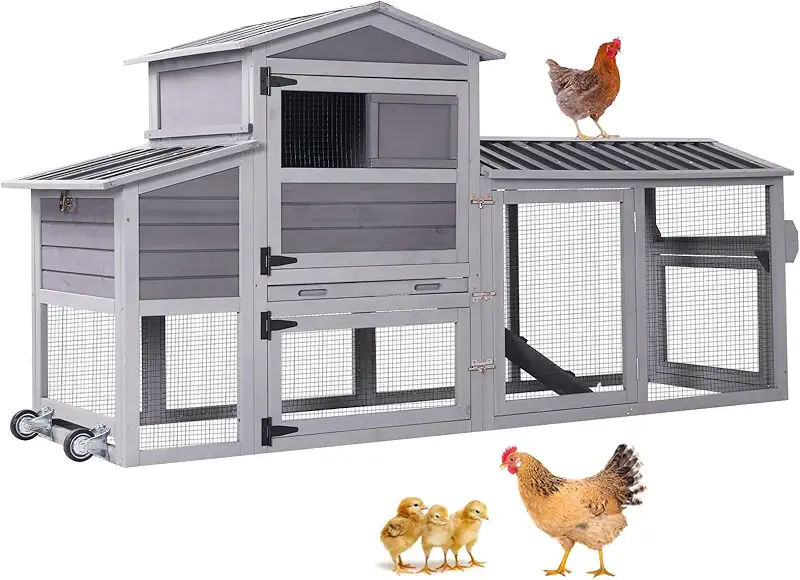
Here’s a typical light‑duty coop design I often see. With a bit of extra framing and better latches, it can handle rougher weather and rougher critters.
I like to add a few 2×2 braces inside corners. Wood is cheap; sleepless nights are not.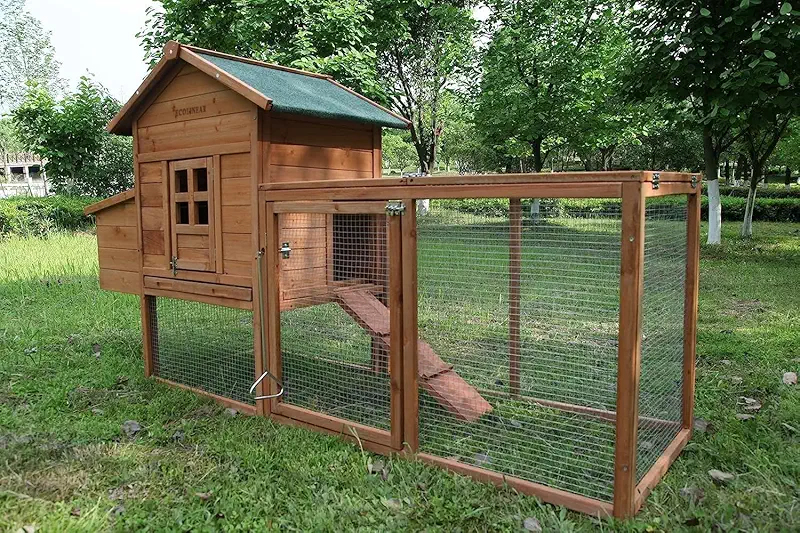
A low cost chicken coop tucked near a fence line, with windbreak on one side and morning sun on the other. Placement matters as much as materials.
I like to face the main opening toward the morning sun and away from the harshest wind.1. Spend A Little Extra On The Hardware Cloth
Most bargain coops come with thin wire. I treat that as a suggestion, not a final decision. Around the lower part of the run and any vents, I add 1/2‑inch hardware cloth, fastened with screws and washers. It’s not pretty work, but it turns “cheap coop” into “tough coop.”
2. Seal The Wood Before The Weather Does
Many low cost coops ship with bare or lightly stained wood. Before I move the birds in, I paint or seal the outside. I like a light color to keep summer heat down. You don’t need expensive paint; leftover exterior paint from another project works fine.
3. Bed Deep And Dry
Inside the coop I use plenty of shavings or chopped straw. In winter I add more instead of cleaning every week, then do a big cleanout in spring. That deep bedding keeps the floor dry and gives the hens a warm base. Cheap coop or not, dry bedding is half your comfort battle.
4. Place It Smart In Your Yard
A low cost chicken coop in the wrong spot can feel like a mistake. In the right spot, it’s a blessing. I look for:
- Slight slope: So rain runs away, not under the coop.
- Morning sun: Helps dry things out and gets birds active early.
- Afternoon shade: Keeps the coop from turning into a sauna.
- Close to water: Fewer long walks with heavy buckets.
One of my favorite coops is nothing special to look at. But it sits on a gentle rise, protected by a hedge from the north wind. Those hens ride out storms better than the fancy coop I once bragged about.
Keeping Your Egg Layers Happy In A Low Cost Chicken Coop
Coop is just the house. The real magic is how you run it. Let me share a few habits that kept my egg basket full, even when money was tight.
Light For Steady Laying
Hens lay best with about 14 hours of light a day. In winter, I use a simple, low‑watt light on a timer early in the morning, not late at night. That keeps their routine natural and gentle. No need for big fancy systems—just something safe and reliable.
Simple Feeding Routine
In a low cost chicken coop, I like feeders that hang or sit just off the floor so they stay out of bedding. I keep feed and water under cover in the run if possible, so the smell and mess stay outside the sleeping area.
I tell folks: don’t skimp on feed quality to save pennies. A good ration pays you back in eggs faster than any upgrade to the coop walls.
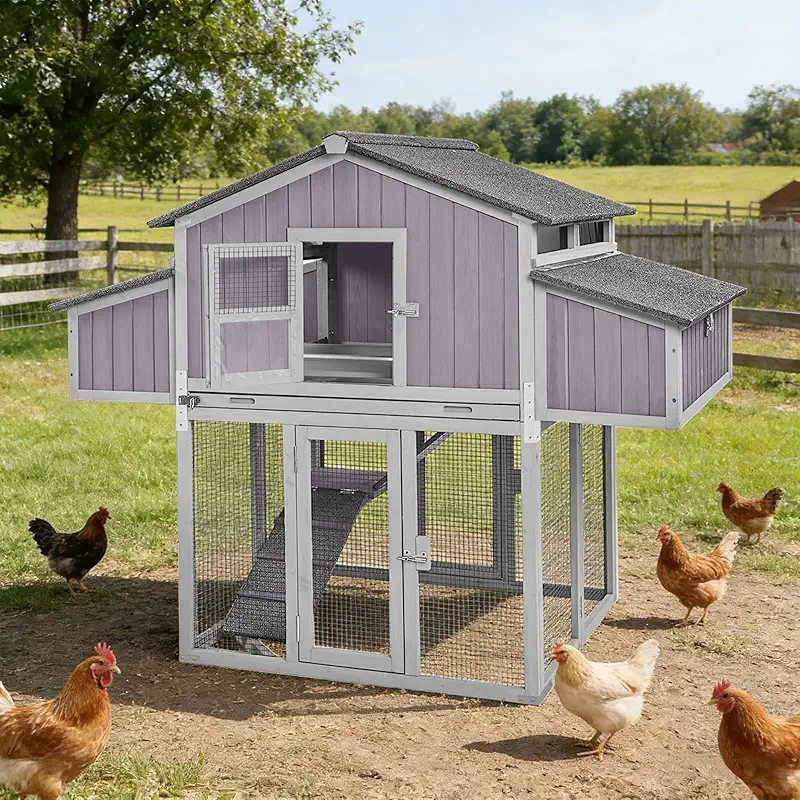
Happy hens in a simple run, dust-bathing and scratching. They don’t care what you paid, as long as they have dry ground and room to move.
Most days they judge you only on whether you brought treats.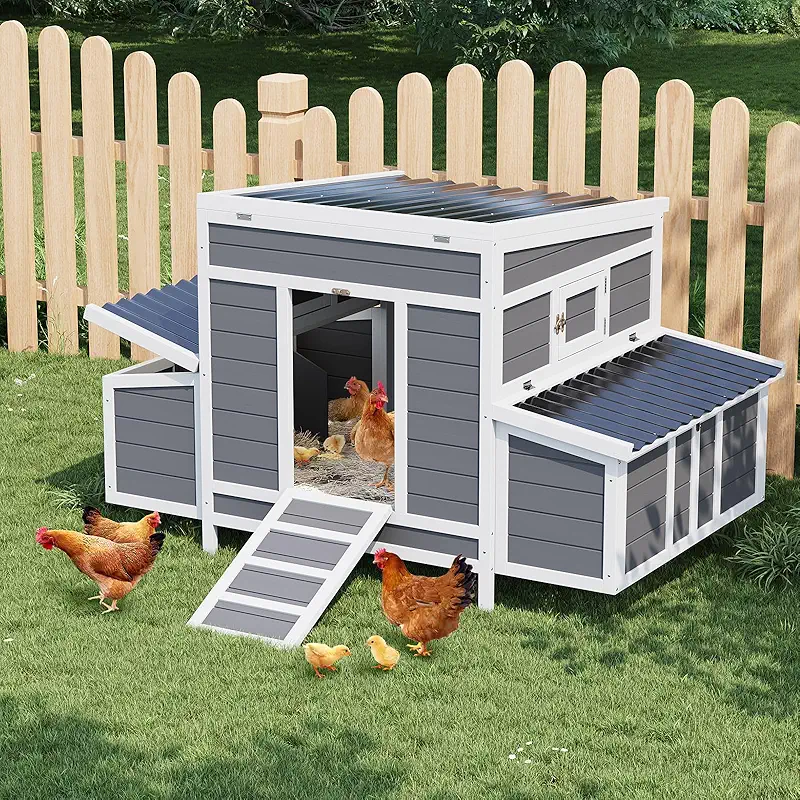
A basket of eggs from hens living in a simple low cost chicken coop. Proof that you don’t need a big budget to put breakfast on the table.
The hens never once asked about the brand name on the coop.Fresh Air, Dry Feet, Calm Flock
Most of my “secret” tricks are nothing fancy:
- Open the pop door early so birds can stretch and poop outside, not all over their bedding.
- Keep the run dry by adding gravel or wood chips where mud wants to form.
- Give them something to do: a branch to hop on, a pile of leaves to scratch, a cabbage hanging on a string now and then.
Chickens with something to peck besides each other stay friendlier and give better eggs. That’s true whether the coop cost you a fortune or came in a flat pack on sale.
Questions Folks Always Ask About Low Cost Chicken Coops
Can a low cost chicken coop really last more than a few seasons?
Yes, if you help it a little. The cheaper coops I’ve seen fail were the ones left unpainted, unbraced, and sitting in a swampy spot. If you seal the wood, add a few braces inside, upgrade the wire where it matters, and set the coop on dry, slightly raised ground, you can easily get several years out of a budget model. Think of it like a starter barn—you give it a bit of care, and it returns the favor.
How many hens can I keep in a small, affordable coop?
Ignore the big number on the box and do your own math. I work from roughly 4 square feet per hen inside and 8–10 square feet per hen in the run. If you’re new to chickens, I’d start with fewer birds than the listing claims. A “4–6 hen” coop might be perfect for three or four girls. They’ll be calmer, cleaner, and lay better than a crowded flock.
Are cheap coops safe from predators?
They can be, but you usually need to tighten them up. Out of the box, many low cost chicken coops use light wire and simple latches. I treat those as a starting point. I add hardware cloth around the lower run and vents, secure doors with carabiners or locking clips, and lay a wire “skirt” around the run to stop digging. Those simple upgrades turn a fragile coop into a safe little fortress.
What’s the biggest mistake new chicken keepers make with cheap coops?
They believe the photos and forget the mud. They’ll put a nice‑looking coop in a low, wet spot because it’s convenient, then spend all spring battling smell and sickness. Place your coop on the highest, driest patch you have, give it a bit of slope, and protect it from your harshest wind. A simple coop in the right place beats an expensive coop in a puddle every time.
Is it better to build my own coop instead of buying a cheap one?
It depends on your tools, time, and patience. If you’ve got scrap lumber, a saw, and enjoy a weekend project, a homemade coop can be sturdier for the same money. If you’re short on tools or energy, a low cost chicken coop kit is a fine choice. Many folks start with a pre-made coop, learn what they like, then later build or upgrade something bigger using the old one as a grow‑out pen or hospital coop. Nothing goes to waste on a farm, not even the “starter” coop.
Find The Low Cost Chicken Coop That Fits Your Flock
By now you know what really matters: dry hens, steady air, tight fences, and a layout that gives everyone elbow room—well, wing room. The rest is just trim and paint.
If you’d like to look through different styles and sizes, from little backyard starter coops to simple walk‑in setups, you can browse a range of options and picture what will sit best in your yard and your budget.
I’ll walk through coopsTake a quiet minute, think about your weather, your predators, and how many eggs you truly want. Then pick the coop that feels like it belongs on your patch of ground.