
Cheap Hen House Ideas
I have raised laying hens on a tight budget for decades out here in the States. Let me walk you through real, down‑to‑earth ways to shelter your girls safely without your wallet crying louder than a hungry rooster at sunrise.
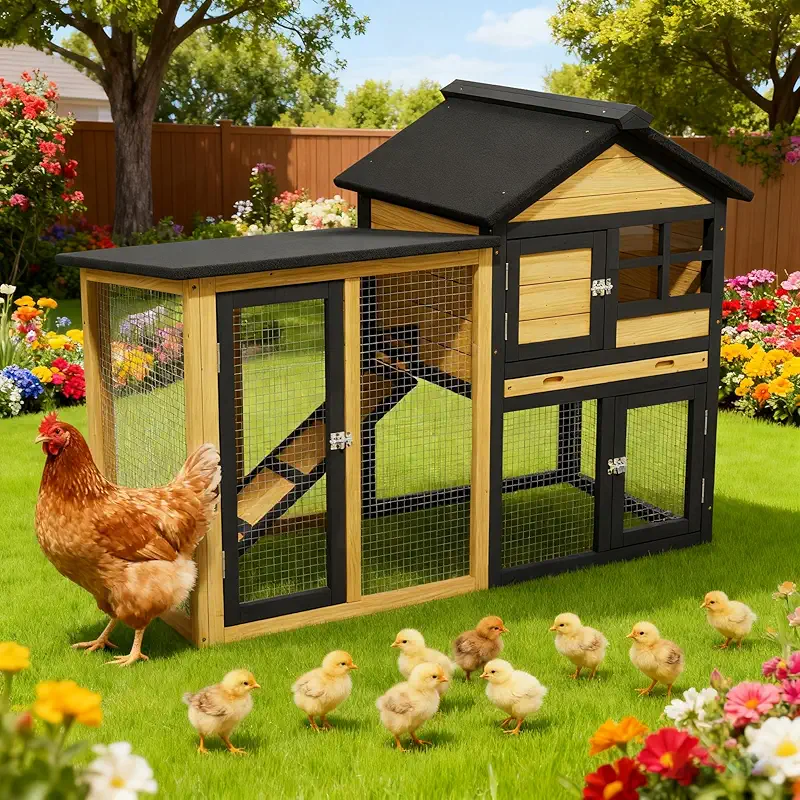
When folks ask me for cheap hen house ideas, I usually smile and say, “Well, how ugly are you willing to let it be?” Truth is, hens do not care if their house could be in a magazine. They care about three things: staying dry, staying warm enough, and staying away from toothy critters that like chicken dinner.
I have thrown together coops from pallets, old doors, storm‑damaged sheds, and once from a fallen billboard (that one made the neighbors talk). Over the years I have learned where you can safely save money, and where going too cheap will cost you in sick birds, broken eggs, or an empty coop one bad night.
We will go step by step through practical, low‑cost ideas. I will share exactly what has worked on my farm, what failed badly, and how you can mix a bit of DIY and a bit of ready‑made gear to get a solid, simple hen house without draining your checking account.
What Really Matters In A Cheap Hen House
Before you start dragging pallets across the yard, stop and think about what your hens actually need. A lot of fancy features are just that: fancy. The basics are simple and I judge every cheap hen house idea by these five points:
- Safe from predators – raccoons, foxes, dogs, hawks, you name it.
- Dry and draft‑free – no rain, no standing damp, no wind tunnel.
- Ventilated – fresh air up high so moisture and ammonia can escape.
- Comfortable roosts and nest boxes – so hens lay where you want.
- Easy to clean – because you only think you will clean often.
Cheap Hen House Ideas Using What You Already Have
Around here, I say the cheapest lumber is the board that is already sitting behind your barn. Before you buy anything, walk your property, look in the garage, and even ask a couple of neighbors. You might be surprised what turns up.
1. Pallet Coop With A Solid Roof
Pallets are the bread and butter of cheap hen house ideas. The trick is not to trust them for everything. I like to use pallets for the walls, then add a decent roof and a good layer of hardware cloth.
Here is how I usually do it:
- Stand pallets upright and screw them together to make three walls.
- Line the inside with plywood, OSB, or even old paneling so wind cannot blow through gaps.
- Raise the pallets up on blocks or old railroad ties, so the floor stays dry.
- Add a sloped roof with metal or shingles, whatever you can find cheap.
My first pallet coop looked like it had been built by a drunken beaver, but the hens loved it. The only thing I regretted was not adding enough height. Cleaning while hunched over like a question mark is not fun.
2. Converting A Small Shed Or Dog House
If you have an old garden shed, playhouse, or even a big dog house, you are half done. That is one of my favorite cheap hen house ideas: repurpose something that is already mostly weather‑tight.
On my place, we turned a worn‑out tool shed into a coop in a weekend. We added:
- A pop door cut low on one wall with a simple sliding wooden door.
- Roost bars made from old closet rods.
- Nest boxes from milk crates screwed to the wall with straw inside.
- Hardware cloth over the windows so we could open them in summer.
If you use a dog house for a small flock, remember it is easy to crowd birds. Chickens like about 4 square feet per bird inside the coop in cold climates, a little less in very warm areas.
3. Hoop-Style Hen House With Cattle Panels
When I got tired of bending nails on rough pallets, I tried a hoop‑style house. We used cattle panels arched over a simple wooden base, then covered it with a tarp and wire. Surprisingly cheap, and easy to move.
We built ours like this:
- Frame on the ground from 2x6 boards, roughly 8x10 feet.
- Three or four cattle panels bent into an arch and screwed to the frame.
- Half the hoop wrapped in tarp for roof and wind break, the rest in wire.
- Wooden end walls added with a proper door and small pop hole.
A hoop coop works well for mild climates and as a movable house, but in heavy snow areas you must beef up support or keep it brushed off.
Where You Should Not Go Too Cheap
I love saving a dollar as much as the next old farmer, but after enough mistakes, I made a short “do not cheap out here” list. These are the places where cutting corners usually costs more later.
Spend A Little More On
- Predator‑proof wire: hardware cloth, not thin chicken wire.
- Roofing: no leaks, decent life span.
- Door latches: raccoon‑proof, not flimsy hooks.
- Floor height: keep wood off constantly wet soil.
Save Money Comfortably On
- Recycled lumber and pallets.
- Salvaged windows (with strong wire).
- DIY nest boxes and roosts.
- Used barrels or bins for feed storage.
Simple, Low‑Cost Designs For Happy Layers
Let me lay out a few basic layouts you can copy or adjust. All of them are built around the same idea: give the hens enough space, keep the build simple, and use whatever sturdy material you already have.
4x8 Starter Coop For 4–6 Hens
This is a good first coop if you just want eggs for the family. It is basically a short shed:
- 4 feet wide, 8 feet long, about 5 feet high in front, 4 in the back.
- One solid door for you, one pop door for the hens.
- Roosts along the long wall, about 30–36 inches off the floor.
- Two or three nest boxes on the opposite wall, lower than the roosts.
You can build this mostly from pallets, scrap siding, and a bit of new roofing. I like to use a sheet of linoleum or vinyl on the floor: easy to scrape clean, and it keeps the wood from soaking up moisture.
Walk-In Hen House For The “Egg Business” Dream
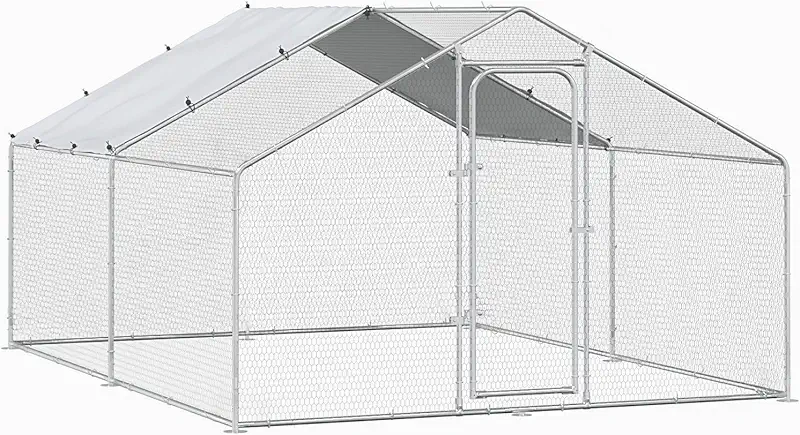
If you are like me, you start with six hens and somehow end up with twenty‑four. A walk‑in coop makes life so much easier. I like a simple 8x12 or 10x12 building, tall enough to stand in.
The nice part is you can mix DIY framing with some ready‑made components like premade nest boxes or automatic doors if you want. When I finally added an automatic door, I joked that I had just hired my first employee.
Keeping It Cheap But Comfortable For The Hens
A cheap hen house does not mean a miserable one. You can use simple, low‑cost tricks to keep birds healthy and productive without a pile of gadgets.
Warmth Without Expensive Heaters
Folks ask me about heaters every winter. I tell them, “Your hens are wearing down jackets for free.” Adult chickens handle cold far better than damp and wind. I almost never use heaters, because they are expensive, risky, and make birds soft.
Instead, I do this:
- Deep bedding on the floor – 4–6 inches of chips or straw.
- Seal low drafts, especially at roost height.
- Vent high, under the roof, so warm, wet air rises out.
- Keep water from spilling and making everything damp.
One particularly cold winter, I stuck a thermometer in the coop. It was 0°F outside and around 20°F inside, with dry birds and no frostbite. They complained more when I was late with the scratch grain than about the cold.
Ventilation: The Cheap “Medicine” Your Birds Need
The best health investment in any hen house is air. Fresh, steady air. Not a gale in their faces, but an easy flow that carries out moisture and ammonia from droppings.
The cheapest solution: cut openings up high and cover them with strong wire. I like long, narrow vents near the roof, with overhangs outside so rain stays out. In summer, I open things up even more.
DIY Nest Boxes And Roosts That Cost Almost Nothing
Store‑bought nest boxes are nice, but your hens do not read labels. They will happily lay in something simple and sturdy.
Cheap Nest Box Ideas
- Milk crates laid on their side, wired to the wall.
- Old wooden drawers screwed to the wall with a lip added across the front.
- Five‑gallon buckets on their side with a board to keep them from rolling.
- Plastic storage tubs with an entrance cut in one side.
I usually put some pine shavings in first, then a layer of straw. I also keep the boxes a little darker and quieter. Hens like privacy when they are “on official egg duty.”
Simple Roosts That Do Not Twist Ankles
A good roost is thick enough for the hen’s foot to sit flat, not wrapped tight like a parrot. I often use 2x3 or 2x4 boards turned wide side up, with the edges slightly rounded.
Avoid metal pipes in cold areas; they can chill feet and cause frostbite. Also, try to keep roosts all at the same height so the birds do not fight for the “top bunk” every night.
Balancing DIY Effort And Ready-Made Solutions
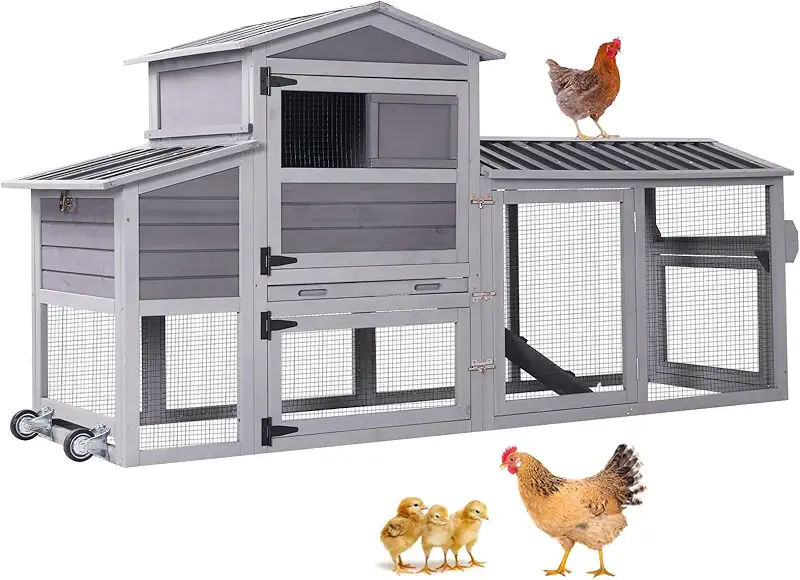
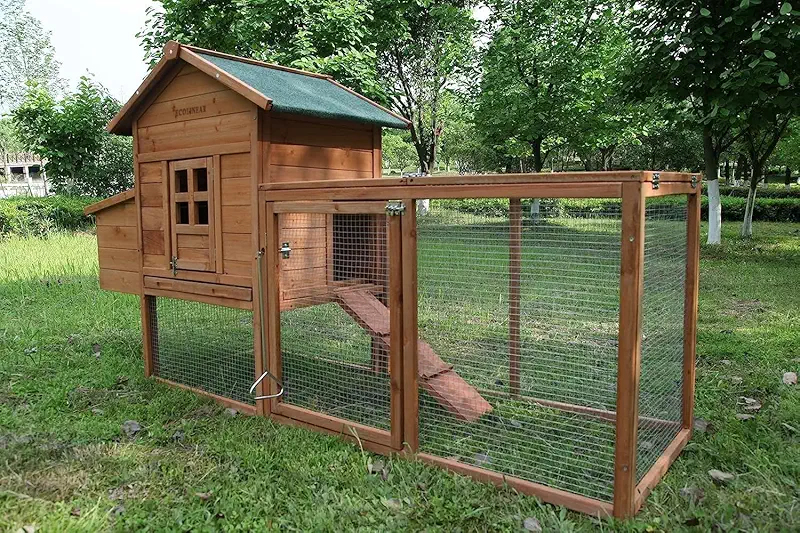
I enjoy building things, but I also know my limits. Sometimes a ready‑made coop, kit, or accessory is worth mixing into your cheap hen house ideas. The trick is to let those items save you time while you still customize and strengthen the parts that matter on your land.
For example, you might:
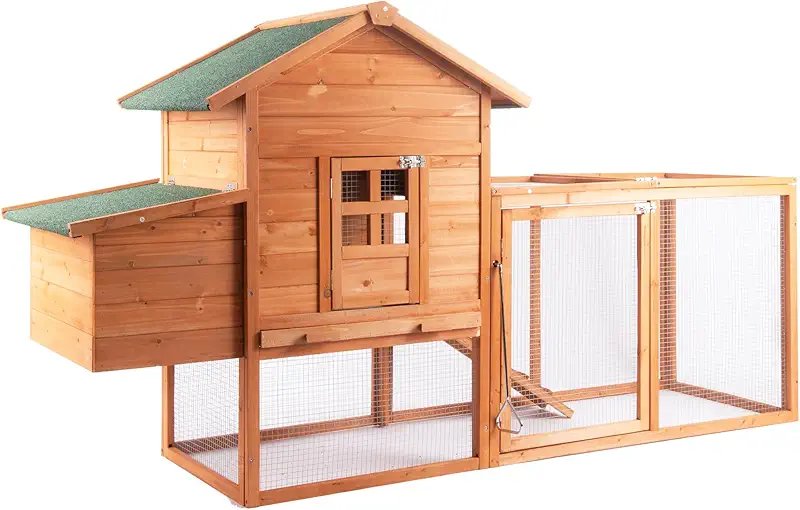
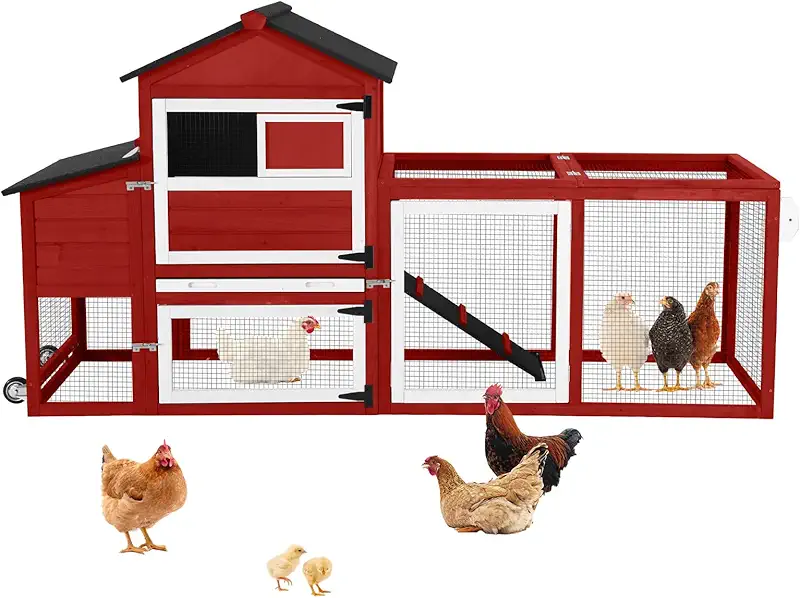
- Use a small pre‑built coop as the core, then add a bigger DIY run.
- Buy a simple wooden coop and reinforce the wire and latches.
- Start with a kit and upgrade the roof or raise it onto skids.
That way, you do not spend hours wrestling with doors and trim, but you still end up with something sturdy, practical, and sized for the flock you really want, not the flock the picture on the box shows.
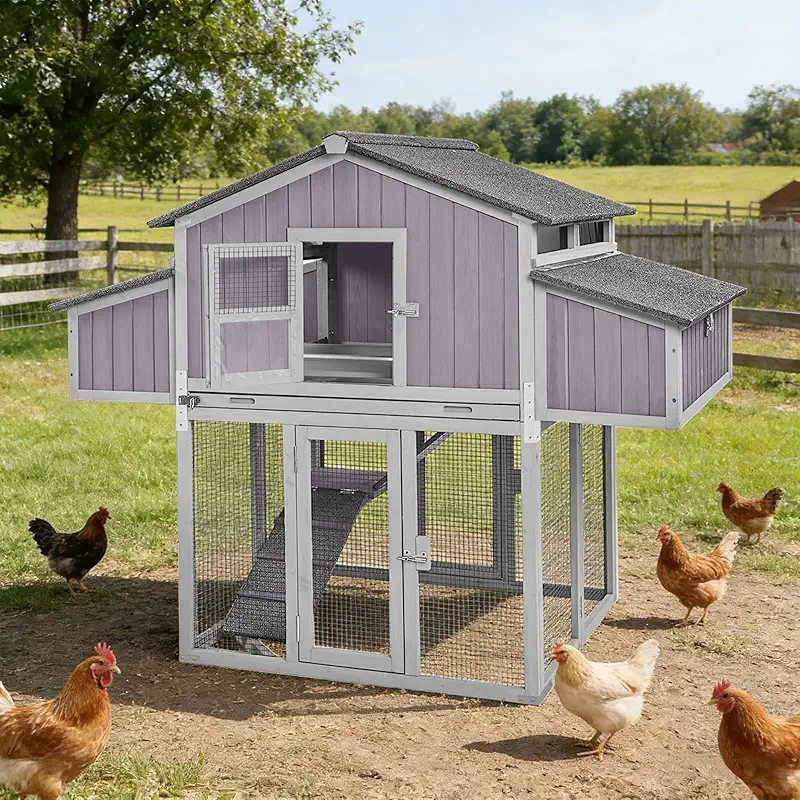
When you are ready to look at different coop styles and see what might save you some time, take a slow stroll through the options below. Think about your climate, your predators, and how many eggs you want in that basket every morning.
I’ll browse quietlyReal-World Maintenance For A Cheap Hen House
A hen house, no matter how cheap or fancy, is not a “build it and forget it” project. The good news is, a little regular care goes a long way toward keeping birds healthy and the structure sound.
My simple routine looks like this:
- Daily: quick look around, fresh water, check doors and latches.
- Weekly: top up bedding under roosts, scrape droppings board if you use one.
- Monthly: deeper clean of corners, inspect wire, tighten anything wobbly.
- Twice a year: big clean‑out, dust for mites, check roof and floor.
I like to say, “If you would not sleep in there, your birds should not either.” You do not need it spotless, but you do need it dry, safe, and not smelling like the devil’s armpit.
Final Thoughts From An Old Farm Yard
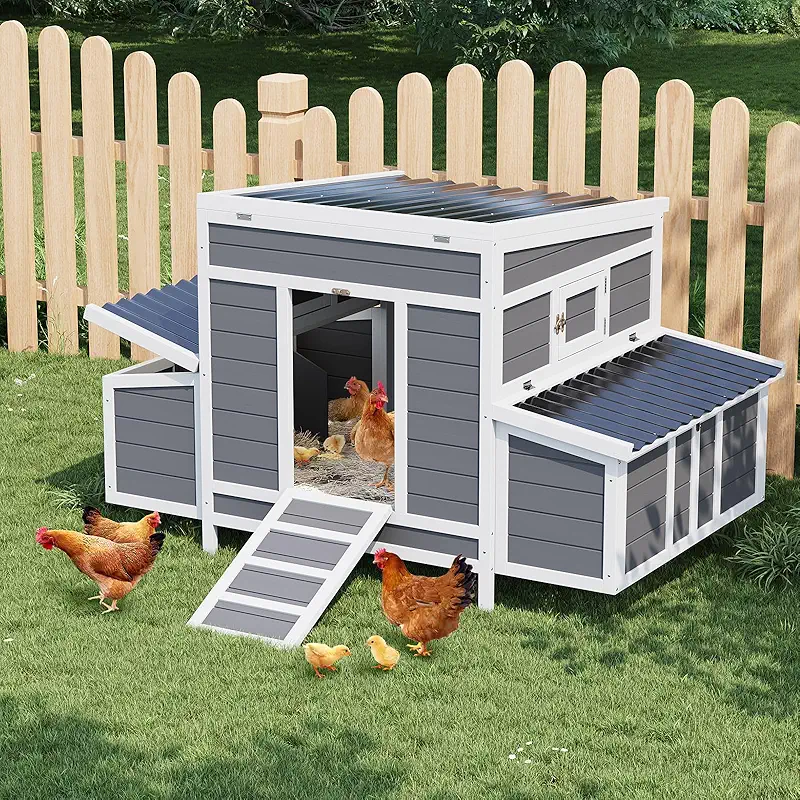
Standing back and looking at all the cheap hen house ideas I have tried, the pattern is pretty simple: build for safety first, comfort second, and looks way down the list. A crooked, patched‑together coop that keeps your birds dry and alive is worth more than a pretty picture on a box that falls apart in one hard winter.
Start with the materials you already have, be honest about your tools and skills, and do not be afraid to mix DIY with some pre‑built help. Your hens will thank you the same way they always do: one warm egg at a time.
And if you ever doubt whether your setup is good enough, sit out there some evening at dusk. Watch how calmly your flock goes to bed. Quiet, content clucks are the best review any hen house can get.
If you are feeling that little itch to see what other coops and ideas are out there, take a look around and let your mind wander a bit. Just remember: the best hen house is the one that fits your birds, your land, and your life.
Show me more coopsFAQ: Cheap Hen House Ideas & Laying Hens
How cheap can I go without risking my hens?
You can go very cheap on looks and materials, but you cannot be cheap on safety. The three things you must not compromise are predator‑proof wire, solid doors and latches, and a good roof. After that, it is fine if the walls are mismatched boards and the nest boxes are old crates. As long as it is dry, draft‑free at bird level, and well wired, your hens will do just fine.
What is the minimum size for a small hen house?
For a truly small flock, I do not like to go under 4 square feet per bird inside the coop, plus outdoor run space. So for four hens, think at least a 4x4 coop (16 square feet) and a 4x8 run or bigger. You can crowd them more in warm climates if they are outside all day, but crowded birds peck each other, and that is not cheap in the long run.
Can a cheap hen house survive winter in a cold climate?
Yes, if you build it smart. Focus on keeping it dry, blocking wind at roost height, and adding deep bedding. Hens handle cold much better than damp. A low‑cost coop with decent insulation, tight doors, and good high ventilation can take serious cold. I have had hens lay just fine in unheated coops during Midwest winters, as long as they stayed dry and out of drafts.
Are cheap, pre‑built coops worth it?
Some of them are, if you use them as a starting point instead of the finished story. Many small pre‑built coops look cute but are undersized and use light wire. They can still be a good deal if you think of them as a shed that you will upgrade: add stronger wire, better latches, maybe a larger DIY run. That way you save time framing and still end up with a safe, practical hen house.
What is the cheapest way to keep the hen house clean?
Build it so cleaning is easy. A door you can walk through, a floor you can scrape, and roosts you can reach without crawling all keep chores short. Deep bedding is cheap and works well: instead of cleaning everything constantly, you add clean chips or straw on top and do a big clean‑out once or twice a year. The hens stay dry, you save time, and your garden gets a nice pile of compost.
Ready to see what other chicken coops might fit your flock, your yard, and your budget? Take a quiet stroll through all the different setups and let the right one catch your eye.
Explore every coop