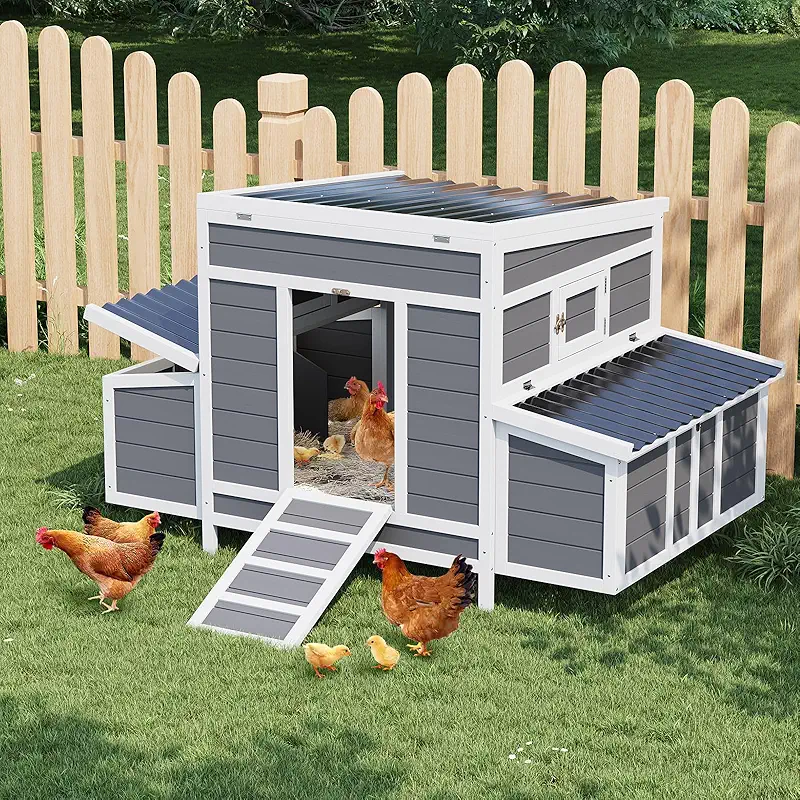
cheap chicken coops for sale
I’ve raised laying hens for decades out here in the States, on good years and on years when the feed bill felt bigger than the mortgage. I know what it means to stretch every dollar and still keep birds safe, dry, and laying strong. Let’s talk about how to find cheap chicken coops for sale that are kind to your wallet and kind to your hens.
Practical lessons from the barnyard- How cheap you can go without risking your flock
- What really matters in a budget coop (and what’s fluff)
- Little upgrades that turn “so-so” into “solid”
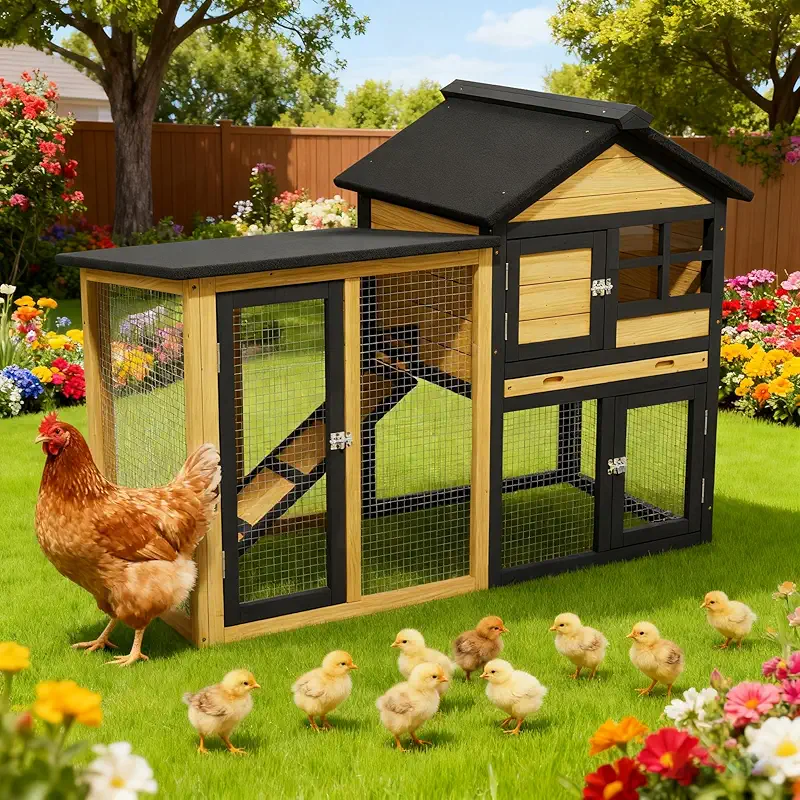
What I learned chasing cheap chicken coops for sale
When I bought my first flock, I had more enthusiasm than money. I typed “cheap chicken coops for sale” into the computer, saw the prices, and thought, “Why would anyone spend real money on wood and a door? Chickens aren’t picky.” Turned out the chickens were fine. The raccoons were the picky ones.
That first bargain coop looked cute in the photo. In real life it was thin wood, a wobbly latch, and roof panels that whistled whenever the wind hit them. One stormy night, the roof lifted like a potato chip. I was out there in the rain, in my socks, holding a tarp over the coop and wondering why I ever tried to save twenty bucks on roofing.
Since then, I’ve tested all kinds of budget coops: tiny prefab houses, walk-in frames with tarps, old shed conversions, and a couple of downright embarrassing contraptions made out of pallets and hope. I learned where you can safely cut corners and where one small weakness can cost you birds, sleep, and money.
Cheap is fine. Flimsy is not. The trick is finding cheap chicken coops for sale that give you strong structure, decent roof, and good ventilation. Pretty trim and fancy windows can wait until your hens pay for them with eggs.
The non‑negotiables in a budget coop
When you’re scrolling through cheap chicken coops for sale, ignore the paint color for a minute and check these basics. If a coop fails on any of these, I don’t care how low the price is — it’s a headache, not a bargain.
- Dry floor and roof. Wet birds get sick. Wet bedding smells like regret and ammonia.
- Real predator resistance. A raccoon can open weak latches; a fox can dig under thin flooring.
- Enough space. Crowded hens stop laying and start pecking. Nobody wins.
- Ventilation up high. Let moist air out, but don’t blow cold wind right across the roost.
- Easy to clean. If cleaning is a chore, you’ll put it off. Ask me how I know.
That’s your backbone. Once those are solid, you can start thinking about looks, upgrades, and clever little add‑ons.
How many hens fit in those cheap chicken coops for sale?
One thing I see over and over: product photos that make a coop look like a chicken hotel, then you read the fine print and “4–6 chickens” really means two hens and a bantam if they’re all good friends.
Out here, my rule of thumb is simple and a bit stricter than the sales pages:
- Inside coop floor: about 4 square feet per standard hen.
- Run or yard space: 8–10 square feet per hen if they’re penned up.
- Roost bar: 8–10 inches of perch per hen.
So when you look at cheap chicken coops for sale, grab a scrap of paper and do the math. If the floor is 4x4 feet (16 square feet), that’s comfortable for 3 or 4 standard hens, not the “6–8” some listings brag about.
The cheapest coop is the one you only buy once. If you “save money” on a coop that’s too small, you’ll either stop adding birds (good luck with that) or buy a second coop sooner than you planned.
Wood vs. metal vs. plastic on a tight budget
When you’re comparing cheap chicken coops for sale, you’ll see wood frames, metal sheds, and plastic houses. I’ve used all three somewhere on the farm. None are perfect, but each can work if you understand what you’re getting.
Wood coops
- Easy to repair with basic tools.
- Warm look and feel, blends into a yard.
- Simple to add roosts, nest boxes, and hooks.
- Cheap wood can rot if you don’t seal it.
- Can soak up moisture and smell.
- Thin panels may warp in the sun.
Metal coops and sheds
- Resists chewing and pecking.
- Can be very long‑lasting if anchored well.
- Gets hot in summer and cold in winter.
- Condensation can drip inside without ventilation.
Plastic coops
- Easy to hose out and keep sanitary.
- Don’t rot or absorb smells much.
- Some budget ones feel flimsy or bendy.
- May need added weight or anchoring in big winds.
My own setup now is a mix: wooden main coops I’ve slowly upgraded, plus lighter prefab units for grow‑out and backup housing. When I scroll through cheap chicken coops for sale, I’m mostly looking for something I can strengthen a bit with a few boards and screws.
Simple coop upgrades that stretch your dollar
My favorite thing about going with cheap chicken coops for sale is this: you don’t feel bad taking a drill to them. A few little upgrades can make a budget coop behave like a pricier model.
1. Strengthen the frame
Most low‑cost coops use thin wood to keep weight and shipping costs down. I like to add a couple of 2x2 or 2x4 boards across the long sides and the roof line. It’s not fancy carpentry; more like giving the coop a backbone and shoulders.
Once I did this to a wobbly little coop I’d stuck in the orchard. Before the upgrade, a good gust of wind made the whole thing shudder like it had just seen a fox. After I braced it, it felt like a real building, not a lawn ornament.
2. Upgrade the wire
When I see cheap chicken coops for sale with chicken wire, I read it as “keep chickens in,” not “keep predators out.” Around here, raccoons can reach right through chicken wire and grab what they want.
I like to:
- Add hardware cloth (that sturdy small‑square wire) around the lower 2–3 feet.
- Bury a 12–18 inch wire apron flat on the ground around the coop to stop diggers.
- Attach it all with screws and washers or heavy staples.
3. Seal and protect the roof
Many prefab roofs look fine on a sunny day and then quietly leak during the first real storm. When you set up a new coop, take an extra half hour:
- Run a bead of exterior‑grade caulk along the roof seams.
- Make sure the roof overhangs the walls a bit to shed water.
- Check that screws go into solid framing, not just thin boards.
I once skipped this step, told myself “I’ll seal it next weekend,” and woke up to soggy bedding and several very unimpressed hens. They still layed eggs, but I swear they glared at me for a week.
4. Better latches and small details
A lot of cheap chicken coops for sale come with simple hook‑and‑eye latches. A raccoon can open those like it’s turning a doorknob. I replace them with two‑step latches or carabiners.
While I’m at it, I add:
- A simple handle on the nesting box lid so it doesn’t slam down on fingers.
- Hooks on the inside for a hanging feeder and waterer.
- A small lip on the edge of the roost board so droppings fall into a tray, not the doorway.
None of this is glamorous, but it makes daily life smoother — for you and the birds.
5. Ventilation without drafts
One of the biggest mistakes I made early on was shutting coops up too tight in winter. Chickens can handle cold air better than damp air. So I cut vents high up under the eaves and cover them with hardware cloth.
When I’m looking at cheap chicken coops for sale now, I ask myself, “Where will the moist air go?” If the answer is “right back onto the chickens,” I either plan for extra vents or move on.
Keeping laying hens happy in a budget coop
A cheap coop doesn’t mean cheap living for your hens. With a little care, they won’t know the difference — except that they’re dry, safe, and well fed.
Nesting boxes they actually like
Most listings for cheap chicken coops for sale show a row of neat little nest boxes. Sometimes the hens love them. Sometimes they walk right past and lay in a corner anyway. Hens like nests that feel:
- Dim and cozy, not too bright.
- Quiet and away from busy doors.
- Deeply bedded with straw, shavings, or hay.
I’ve had hens ignore brand‑new nest boxes and lay faithfully in a cracked bucket on its side. So if your shiny budget coop nest boxes aren’t a hit, don’t be offended. Just tweak the lighting and bedding and see what they tell you.
Feed, water, and daily rhythm
A good coop, cheap or not, is only half the story. Laying hens need:
- Consistent layer feed with enough protein and calcium.
- Clean water every day; two sources in hot weather.
- Grit if they don’t range on natural ground.
- Some scratch or treats, but not so much that they skip real feed.
I like to check my birds morning and evening. Quick look at their combs and eyes, rough count, test the coop door and latches, and kick around the bedding to make sure it’s dry. This habit has caught a lot of small problems before they turned big.
Winter and summer in a cheap coop
Here in the U.S. we see everything from snowdrifts to blazing summers. Cheap chicken coops for sale can manage both if you help them along.
In winter, I:
- Add windbreaks on the run using tarps or plywood.
- Check for leaks and drafty cracks at roost height.
- Use deep bedding to hold warmth and cut down on moisture.
In summer, I:
- Give extra shade with cloth or panels.
- Open every safe vent I can without inviting predators.
- Place water in the shade and refresh often.
I once watched a group of hens move their whole day around a single tiny patch of shade in the run. That told me everything I needed to know about my setup. Since then, when I shop for cheap chicken coops for sale, I picture the hottest day of the year and ask, “Where will they stand then?”
Questions folks ask about cheap chicken coops for sale
They can be, but you usually need to help them a bit. Many cheap chicken coops for sale are built to keep birds in, not serious predators out. With added hardware cloth, better latches, and a buried wire apron, I’ve turned plenty of budget coops into safe homes. I wouldn’t rely on thin chicken wire alone if you’ve got raccoons, foxes, or neighborhood dogs.
With no maintenance, some of the cheaper wooden coops might start sagging or rotting in just a couple of seasons. But if you seal the wood, fix loose screws, and keep the roof sound, I’ve seen bargain coops last many years. Think of them as starter houses you slowly improve, not as delicate decorations you’re afraid to touch.
That depends on the real floor size and how much time they spend outside. Many cheap chicken coops for sale advertised for 6 hens are really comfortable for 3–4 standard birds with a proper run. If your hens free‑range most days, you can get away with a bit less indoor space, but crowded roosts and nests will show up as pecking, stress, and fewer eggs. When in doubt, aim for fewer birds per coop, not more.
If you have tools, time, and scrap lumber, building can be great. I’ve built several out of recycled materials. But not everyone has that setup. For many folks, it’s faster and cheaper to start with a prefab coop and then strengthen it. I tell people: check both options. Look at cheap chicken coops for sale, price out lumber in your area, and see which gives you more safety and space per dollar right now.
If I had to pick just one, I’d upgrade the wire and latches. That’s your safety net. No sense having pretty nesting boxes if something can pry its way in at night. After that, I’d look at roof sealing and extra bracing. With those done, most cheap chicken coops for sale can serve your hens well, as long as you keep up with daily care.
Choosing the right cheap coop for your yard and your hens
Before you click on any of the cheap chicken coops for sale, step outside for a minute. Look at the spot where the coop will stand. Is it shady, windy, muddy, sloped? Do you have neighbors close by? Any dogs that like to patrol the fence?
Picture where the doors will open, where you’ll walk in winter boots, where the hose reaches for cleaning, and how far you want to carry feed buckets. It’s amazing how many headaches you can skip just by planning the spot first.
Then, when you look at different cheap chicken coops for sale:
- Match the coop size to your realistic flock size, not your “maybe someday” number.
- Consider your climate: more roof and shade in hot areas, more wind protection in cold ones.
- Think about predators you actually have, not the ones you don’t.
- Leave yourself room to add a second coop or run later — chicken math is real.
Out here, I’ve ended up with a little village of coops over the years. Some fancy, some plain, some that started cheap and grew solid with each season. The birds don’t care what I paid. They care that it’s safe, dry, and peaceful when the sun goes down.